Recipe
Servings
Servings 1×
Ingredients
- Salmon
- Quinoa
- Rice
- Peas
- Garlic
- Fresh ginger
- Lemon
- Lime
- Honey
- Cooking oil
- Soy sauce or tamari
- Chili seasoning
Method
- Prepare the ingredients described in the article and heat the cooking surface or oven as directed.
- Cook the main ingredients using the heat and timing guidance in the article.
- Finish with the seasonings and garnishes named in the article, then serve.
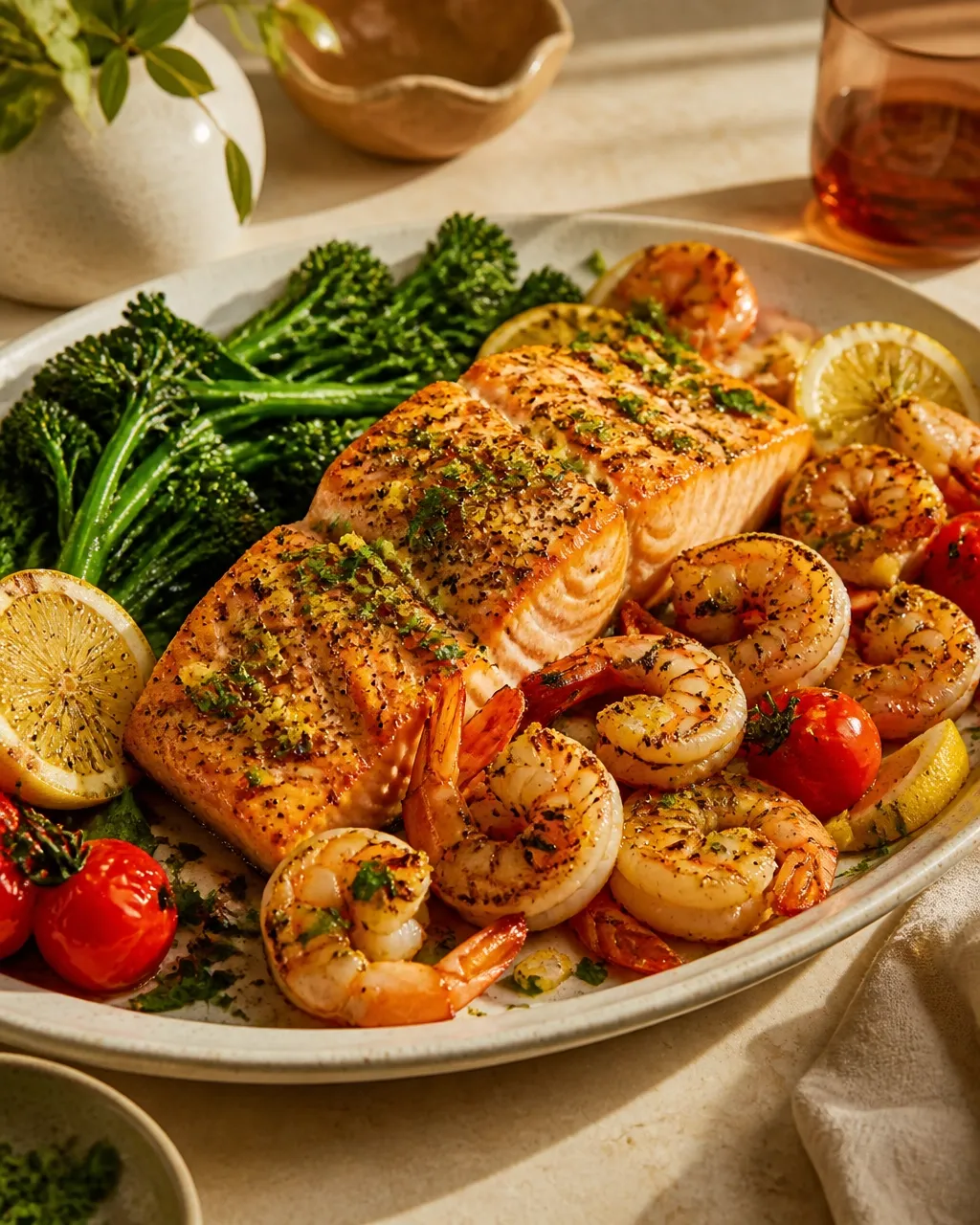
If you have twenty minutes and a serious craving for something that tastes like a professional chef spent all afternoon in your kitchen, you’ve come to the right place. I’m talking about a dish that hits every flavor profile your brain craves: sweet, salty, savory, and just a hint of tang. It’s the ultimate solution when you need quick healthy meals that don't taste like cardboard. Forget the elaborate prep; we’re diving into the science of why this glaze works and how to master the perfect sear every single time.
The Chemistry of the Perfect Glaze
Creating a world-class salmon dish isn't just about following a timer; it’s about understanding the chemistry happening in your pan. The secret weapon here is the Maillard reaction. This is the chemical dance between the amino acids in the salmon and the reducing sugars found in honey. When they meet high heat, they don't just get hot; they transform into hundreds of different flavor compounds that give the fish that addictive, toasted, savory depth.
Use honey specifically because it’s a humectant. This means it literally hangs onto moisture, preventing your salmon from turning into a dry, flaky disappointment. While standard white sugar provides sweetness, honey brings a complex floral profile and a structural integrity that helps the sauce cling to the fish rather than running off into the corners of the pan.
Before you even think about turning on the stove, pat your salmon fillets bone-dry with a paper towel. This is non-negotiable. Surface moisture is the enemy of the Maillard reaction. If the salmon is wet, the heat of the pan will go toward evaporating that water (steaming the fish) rather than browning the surface. You want a sear, not a sauna.
Check the temperature of your pan before adding the fish. It should be hot enough that a drop of water flicked onto the surface dances and evaporates instantly. Use a neutral oil with a high smoke point: avoid extra virgin olive oil here as it will burn and turn bitter before you get that golden crust. Once the fish hits the pan, leave it alone. Constant poking prevents that beautiful crust from forming and increases the risk of the fish sticking and tearing.
Finally, consider the role of garlic. Freshly minced garlic contains allicin, which is released when the cloves are crushed. This compound provides that sharp, pungent kick that balances the heavy sweetness of the honey. Don't use the pre-minced stuff in a jar; the volatile oils have long since vanished, leaving you with a shadow of the flavor you deserve. Freshness is the cornerstone of easy dinner recipes that actually impress.
Flavor Variations to Keep Things Fresh
Once you’ve mastered the base glaze, start experimenting with the balance of acidity and heat. A classic variation is the "Citrus Kick." Replace a portion of the liquid with fresh lime or lemon juice. The citric acid does more than just add flavor; it actually helps break down the connective tissues in the salmon, resulting in a more tender bite. The acidity also "cuts" through the richness of the salmon’s natural fats, making the whole meal feel lighter.
For those who like a bit of a sting, a "Spicy Garlic" version is essential. Incorporate a teaspoon of sriracha or red chili flakes into your glaze. The capsaicin in the peppers triggers a heat response that contrasts beautifully with the cooling, sweet honey. It’s a sensory roller coaster that keeps the palate engaged.
If you want an earthy, aromatic twist, try adding freshly grated ginger. Ginger contains gingerol, which provides a unique warmth and acts as a natural tenderizer. It pairs exceptionally well with soy sauce, leaning into those classic East Asian flavor profiles that define many of our favorite easy dinner recipes at Cookpedia.
Balancing Your Plate: Side Dish Pairings
A rich, glazed protein needs a supporting cast that offers contrast. Think about texture and pH levels when choosing your sides. Since the honey garlic glaze is sweet and dense, you need something crisp and slightly acidic to reset your taste buds between bites.
Pair this salmon with steamed bok choy or snap peas. These greens provide a "snap" that contrasts the buttery texture of the fish. A quick splash of rice vinegar or a squeeze of fresh lime over the vegetables will provide the necessary acid to balance the sugar in the glaze.
For grains, stick with something that can soak up any extra sauce without becoming mushy. Jasmine rice or a light quinoa pilaf works wonders. The grains act as a neutral base, allowing the bold garlic and honey flavors to remain the star of the show. If you're looking for more inspiration for complete, quick healthy meals, check out our guide on balancing flavor profiles for weeknight success.
Frequently Asked Questions
Why does my honey garlic glaze always burn before the salmon is cooked?
This usually happens because the heat is too high or you added the glaze too early. Honey has a high sugar content, and sugar burns at roughly 350°F (177°C). To avoid this, sear the salmon first to get that crust, then lower the heat before adding the glaze for the final few minutes of cooking. This allows the sauce to thicken and coat the fish without turning into carbon.
Should I leave the skin on or take it off?
Keep the skin on! Even if you don't plan on eating it, the skin acts as a protective barrier between the delicate flesh and the hot pan. It helps the salmon cook more evenly and prevents it from falling apart when you try to flip it. Plus, if you sear it properly (skin-side down first), it becomes incredibly crispy and delicious.
Can I use frozen salmon for this?
Absolutely, but you must thaw it completely and, more importantly, dry it thoroughly. Frozen fish often releases more albumin (that white protein that seeps out) and moisture. Thaw it in the fridge overnight, then let it sit at room temperature for 15 minutes and pat it dry with several paper towels before seasoning.
What is that white stuff coming out of the salmon?
That’s called albumin. It’s a perfectly safe protein that gets pushed out of the muscle fibers as they contract during cooking. If you see a lot of it, it usually means you’re cooking the salmon too fast or at a temperature that's too high. Lowering the heat slightly can help minimize this, though it’s purely an aesthetic issue.
Is honey better than maple syrup for this recipe?
While both work, honey has a slightly lower water content and a different sugar structure that leads to a thicker, glossier glaze. Maple syrup is thinner and will require more reduction time to reach the same "sticky" consistency. If you use maple, be prepared to simmer it a bit longer.
How do I know when the salmon is actually done?
The most reliable method is using an instant-read thermometer. Aim for 125°F (52°C) for medium-rare or 135°F (57°C) for medium. The fish will continue to cook for a minute or two after you take it off the heat (this is called carry-over cooking), so pull it slightly before it hits your target temp. If the flakes separate easily when pressed with a fork, you’re good to go.