Recipe
Servings
2 1×
Serves 2Prep 15 minCook 20 minTotal 35 min
Nutrition per serving
Ingredients
- 1 can chickpeas rinsed
- 1/2 cup quinoa al dente
- 2 tbsp extra virgin olive oil liquid gold
- 1 tbsp tahini creamy fat
- 1/2 cup roasted cauliflower maillard browned
Method
- Keep grains al dente to maximize chewing time and stimulate satiety hormones.
- Give vegetables space on the pan to hit the Maillard point without steaming into mush.
- Pair with acidic arugula to cut the richness of the gastrically-slow fats.
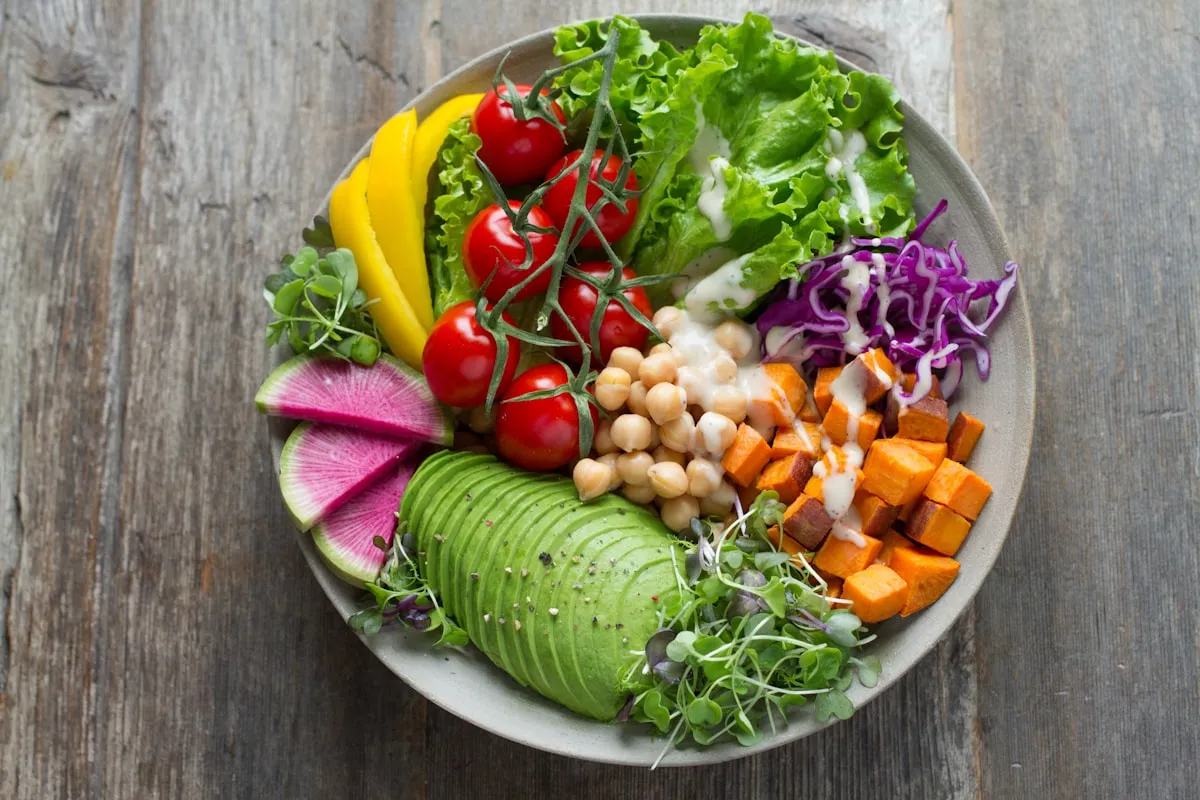
We’ve all been there. You decide to “eat clean,” assemble a beautiful bowl of greens, pat yourself on the back, and then find yourself staring longingly at a bag of chips forty-five minutes later. The biggest myth about the Mediterranean diet, and plant-focused eating in general, is that it’s all about light, airy salads that leave you feeling like you’ve eaten nothing but crunchy water. I’m here to tell you that’s a lie. If you’re still hungry after your “healthy” meal, you’re simply doing it wrong. Let’s fix that by diving into the science of why some plant-based dinner ideas stick to your ribs while others leave you wanting.
The Satiety Trifecta: Fiber, Fat, and Protein
To understand how to feel full without meat, you have to understand the “Satiety Trifecta.” This is the holy trinity of Mediterranean cooking: fiber, healthy fats, and slow-burning protein. When these three work together, they send a signal to your brain that says, “Okay, we’re good. Put down the fork.”
Fiber is the heavy lifter here. It’s not just about “regularity”: it’s about volume and physics. High-fiber foods like legumes (chickpeas, lentils, beans) and whole grains (farro, bulgur, quinoa) take up actual physical space in your stomach. They also require more chewing. This isn’t just a workout for your jaw; the act of chewing stimulates the release of satiety hormones that tell your brain you’re eating. When you choose Mediterranean-inspired plant-based dinner ideas, prioritize structural integrity. Avoid over-processing your grains; keep them “al dente” to maximize that chewing time.
Then comes the fat. In the Mediterranean world, liquid gold: extra virgin olive oil: is king. Fat is crucial because it slows down “gastric emptying.” Basically, it acts as the brake pedal for your digestion, keeping food in your stomach longer so you don’t get that blood sugar crash. Don’t be shy with the oil. Drizzle it over everything after cooking to preserve its delicate flavor compounds and ensure those fat-soluble vitamins (A, D, E, and K) actually get absorbed.
Now for the part that deserves a little more spotlight: the type of fat matters. Mediterranean cooking leans heavily on monounsaturated fats, especially from olive oil, olives, avocados, and certain nuts. These fats are a lot more stable than highly refined seed oils when used in normal home cooking, and they tend to show up in dietary patterns linked with lower markers of chronic inflammation. In plain English: your dinner should not behave like a tiny kitchen riot inside your body. Monounsaturated fats help support cell membranes, improve the absorption of antioxidant compounds, and can help shift meals away from the roller-coaster effect you get from ultra-processed food. Pair them with vegetables rich in polyphenols, and you get even more protection against oxidative stress. That sounds very lab-coat fancy, but it really means your ingredients work better together than they do alone.
This is where Mediterranean eating gets smart. You are not just tossing random healthy things into a bowl and hoping for the best. You are building nutrient synergy. Olive oil helps your body absorb carotenoids from tomatoes, peppers, and dark leafy greens. Vitamin C from lemon or parsley helps your body use plant-based iron more efficiently. Beans and grains team up to create a more balanced amino acid profile. The result is not just a plate that tastes good; it is a plate that behaves better metabolically. Your blood sugar response tends to be steadier, your meal is more satisfying, and your odds of raiding the pantry an hour later go way down.
Finally, we have protein. While plants don’t always have the concentrated protein punch of a steak, the Mediterranean diet excels at combining different plant sources to create a complete amino acid profile. Think of chickpeas and tahini or lentils and rice. This combination isn’t just a culinary tradition; it’s biological efficiency. Whole-food plant-based eating works best when you stop treating protein like a solo act and start treating it like a band. Legumes bring lysine, grains often bring methionine, nuts and seeds add both texture and staying power, and suddenly your humble dinner has range.
Why Whole Foods Beat Nutrition Math
One reason Mediterranean meals work so well is that they focus on foods in their natural structure. A whole bean does not behave the same way as bean flour in a chip. An intact grain does not act like a puffed, sweetened cereal wearing a health halo. Whole foods come packaged with fiber, water, resistant starch, and micronutrients that slow digestion and change how your body responds. That slower breakdown helps moderate blood sugar and supports the gut microbiome, which in turn may influence inflammation, immunity, and even appetite regulation. Your gut bacteria are basically tiny dinner guests with strong opinions. Feed them well.
Use this to your advantage. Choose intact grains over refined ones when possible. Keep skins on vegetables. Use beans, lentils, and chickpeas in forms that still have texture instead of turning everything into mush. Smooth soups and dips have their place, but if every component is soft, fast-digesting, and beige, do not act shocked when dinner feels emotionally incomplete.
Use the Maillard Reaction to Your Advantage
Stop boiling your vegetables into a sad, soggy submission. If you want a plant-based meal to feel substantial, you need the Maillard reaction: the chemical reaction between amino acids and reducing sugars that gives browned food its distinctive flavor. When you roast cauliflower or broccoli at high heat until the edges are crispy and dark, you’re creating complex flavor compounds that satisfy the “umami” craving we usually associate with meat.
Use a heavy, rimmed baking sheet and give your veggies space. Crowding the pan creates steam, which leads to mush. Aim for a single layer where every floret has its own “personal bubble” of hot air. This ensures a crisp exterior and a tender, meaty interior. Check the firmness of your pulses, too. A mushy lentil is a sad lentil. Cook them in stock instead of water to layer in flavor from the very beginning.
There is also an inflammation angle here, and no, this is not permission to char everything into carbon confetti. Proper browning creates flavor so you do not have to rely on excess sugar, heavy cream, or piles of processed sauces. That matters. Mediterranean meals reduce inflammatory load not because one magic ingredient swoops in wearing a cape, but because the whole pattern favors vegetables, legumes, herbs, olive oil, nuts, and fish or dairy in moderate roles, while crowding out more heavily processed foods. Build a plate around those basics and you naturally make room for antioxidants, fiber, and healthier fats. That is less glamorous than a miracle claim, but much more useful in an actual kitchen.
The Art of the Swap: Endless Variations
The beauty of these Mediterranean principles is their versatility. You aren’t stuck with one specific dish; you’re learning a template that can be adapted to whatever is in your pantry.
If you’re tired of chickpeas, pivot to cannellini beans or even giant butter beans. The texture changes the entire mouthfeel of the meal. Butter beans are creamy and decadent, almost acting like a starch and a protein in one. For a different grain profile, swap your standard rice for farro or pearled barley. These grains have a chewy, nutty quality that makes a meal feel much more “substantial” than a fluffy white rice.
Experiment with your fat sources beyond just oil. Use a thick, nutty tahini dressing or a dollop of Greek yogurt (if you’re not strictly vegan) to add a creamy element. The Mediterranean palette is vast: don’t be afraid to use preserved lemons for a punch of fermented acidity or capers for a salty, briny kick. These high-impact flavors make a simple bowl of grains feel like a gourmet experience.
Consider the “crunch factor” as a variation tool. Toasted walnuts, slivered almonds, or pumpkin seeds aren’t just garnishes; they are essential texture components that prevent your meal from feeling one-dimensional. A meal that is all “soft” feels like baby food; a meal with varied textures feels like a feast.
Use swaps strategically, not randomly. Replace one bean with another when you want a different texture. Replace one grain with another when you want a different chew or glycemic effect. Replace creamy richness with acidity when a dish starts feeling heavy. The smartest Mediterranean cooking is less about strict recipes and more about balancing signals: chewy with crisp, rich with bright, earthy with herbal. That is how you keep whole-food plant-based meals interesting enough to repeat without getting bored and ordering takeout out of spite.
Pairing for Balance: Cutting the Richness
Since Mediterranean plant-based dinner ideas often lean heavily on healthy fats and hearty grains, you need a counter-balance to keep the palate refreshed. This is where acidity and bitterness come into play.
Pair a rich, roasted vegetable dish with a bright, peppery arugula salad. The bitterness of the arugula cuts through the richness of the olive oil and roasted veggies, preventing the meal from feeling too heavy. Use a simple lemon vinaigrette: the acid brightens the entire plate and actually helps your body absorb the iron from the plant-sourced greens and legumes.
Another great pairing is a quick-pickled red onion. It takes five minutes to prep but adds a neon-pink pop of color and a sharp vinegar bite that wakes up the earthy flavors of lentils and grains. Acid does more than make food taste lively. It sharpens flavors without extra sodium, balances richness from monounsaturated fats, and keeps a bean-and-grain meal from eating like a brick. A little bitterness from radicchio, herbs, or olives also helps reset your palate between bites. That is why a Mediterranean plate feels bright rather than dull, even when it is built from humble pantry staples.
If you’re looking for more inspiration on how to build these fast, high-impact meals, check out our guide on 15-minute meals or browse through our vegetarian dinner recipes.
FAQ: Mastering Mediterranean Plant-Based Meals
How do I stop my roasted vegetables from getting soggy?
Avoid the "wash and toss" mistake. If your vegetables are even slightly damp when they go into the oven, they will steam rather than roast. Dry them thoroughly with a clean kitchen towel. Also, check your oven temperature. Most people roast too low. Crank it up to at least 400°F (200°C). High heat is the only way to get that charred, savory exterior while keeping the inside tender.
I’m always hungry an hour later. What am I missing?
You’re likely missing fat or fiber: usually both. Check your portion of legumes and your drizzle of oil. If you just had a bowl of zucchini and peppers, you had a snack, not a dinner. Add a half-cup of chickpeas and a tablespoon of tahini or olive oil. The science is simple: no fat/protein means no satiety.
Can I use canned beans, or do they have to be dried?
Use the canned ones! We’re all about accessible, "real food" for busy lives. Just make sure to rinse them thoroughly under cold water. This removes the excess sodium and that "canned" metallic taste. If you want to level up, toss them in a pan with a little garlic and oil for two minutes before adding them to your meal to refresh their texture.
How do I make plant-based meals taste "savory"?
Use umami-rich ingredients. Tomatoes (especially sun-dried or roasted), mushrooms, olives, and fermented products like miso or soy sauce (even in Mediterranean cooking!) add that depth of flavor. If you're missing the "bite" of meat, try adding something chewy like sun-dried tomatoes or marinated artichoke hearts.
Is the Mediterranean diet expensive?
Avoid the specialty "superfood" aisles. The core of the diet: lentils, beans, onions, garlic, and seasonal greens: is incredibly budget-friendly. Buy your grains and pulses in bulk and focus on what’s in season for your produce. It’s actually one of the most economical ways to eat well. For more budget-friendly inspiration, take a look at our one-pot meals which minimize cleanup and maximize flavor.
Do I need to worry about protein every single meal?
Don't overthink it. If you are eating a variety of whole grains, legumes, and nuts throughout the day, your body is smart enough to pool those amino acids. Focus on the "Satiety Trifecta" for the sake of your hunger levels, and the nutrition will follow naturally. Avoid the trap of "fake meats" and stick to real, recognizable ingredients for the best results.
Does olive oil really help with inflammation, or is that just food-marketing drama?
Used in the context of a Mediterranean-style pattern, it can help. Extra virgin olive oil is rich in monounsaturated fats and also contains polyphenols, which are natural compounds with antioxidant activity. That does not mean one drizzle cancels out a week of drive-thru decisions, but it does mean this fat source tends to support a less inflammatory overall eating pattern when it replaces more heavily processed foods. Use it as part of a bigger whole-food approach, not as a personality trait.
What if my plant-based meals still feel bland?
Check for contrast before you blame the vegetables. Most bland meals are missing one of four things: salt, acid, browning, or texture. Add herbs, citrus, toasted nuts, olives, or a spoonful of something tangy. Roast instead of steam when you want depth. Keep one crunchy element in the final dish. Flavor is rarely about one magic ingredient; it is about building enough signals so your palate pays attention.