Recipe
Serves
24 1×
Serves 24 cookiesPrep 10 minCook 5 minTotal 40 min
Ingredients
- ½ cup unsalted butter
- 2 cups granulated sugar
- ½ cup whole milk
- ¼ cup unsweetened cocoa powder
- ½ cup creamy peanut butter
- 1 teaspoon vanilla extract
- 3 cups quick-cooking oats
- ¼ teaspoon salt
Method
- Use a medium or large saucepan because the mixture rises as it boils.
- Line two baking sheets or a work surface with parchment paper before cooking.
- Once the oats are added, the mixture thickens quickly, so portion the cookies without delay.
- For consistent results, begin timing the boil only after the entire surface is bubbling rapidly.
- A few small bubbles around the edge are not sufficient.
No-Bake Chocolate Oatmeal Cookies
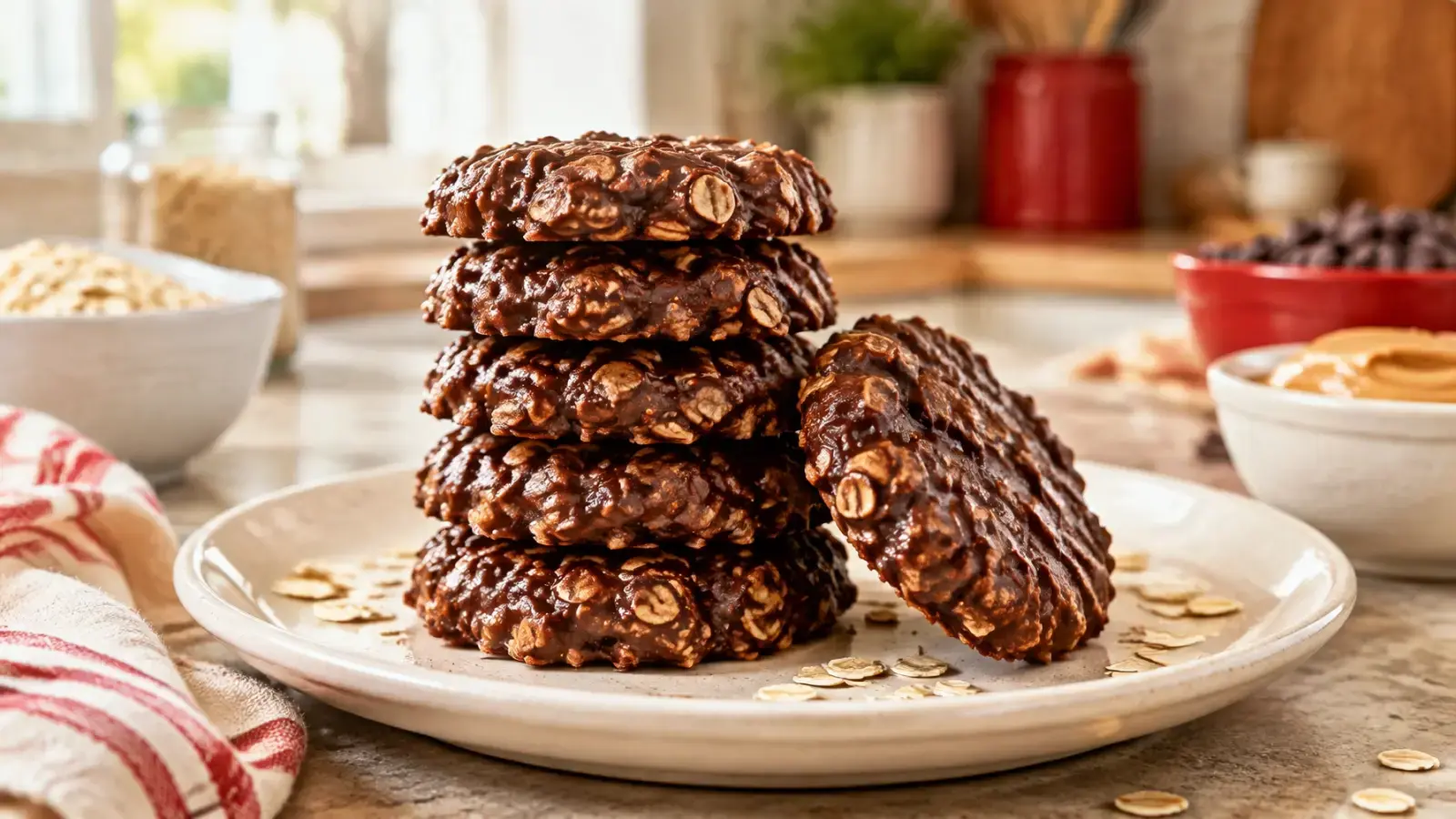
These no-bake chocolate oatmeal cookies are made on the stovetop in one saucepan. The mixture combines cocoa powder, butter, milk, sugar, peanut butter, vanilla, and quick-cooking oats. After a short boil, the warm mixture is dropped onto parchment and left to set.
The cookies are soft, chewy, chocolatey, and practical when you want a homemade dessert without turning on the oven. The key step is bringing the chocolate mixture to a full rolling boil for the correct amount of time. Underboiling can leave the cookies too soft, while overboiling can make them dry or crumbly.
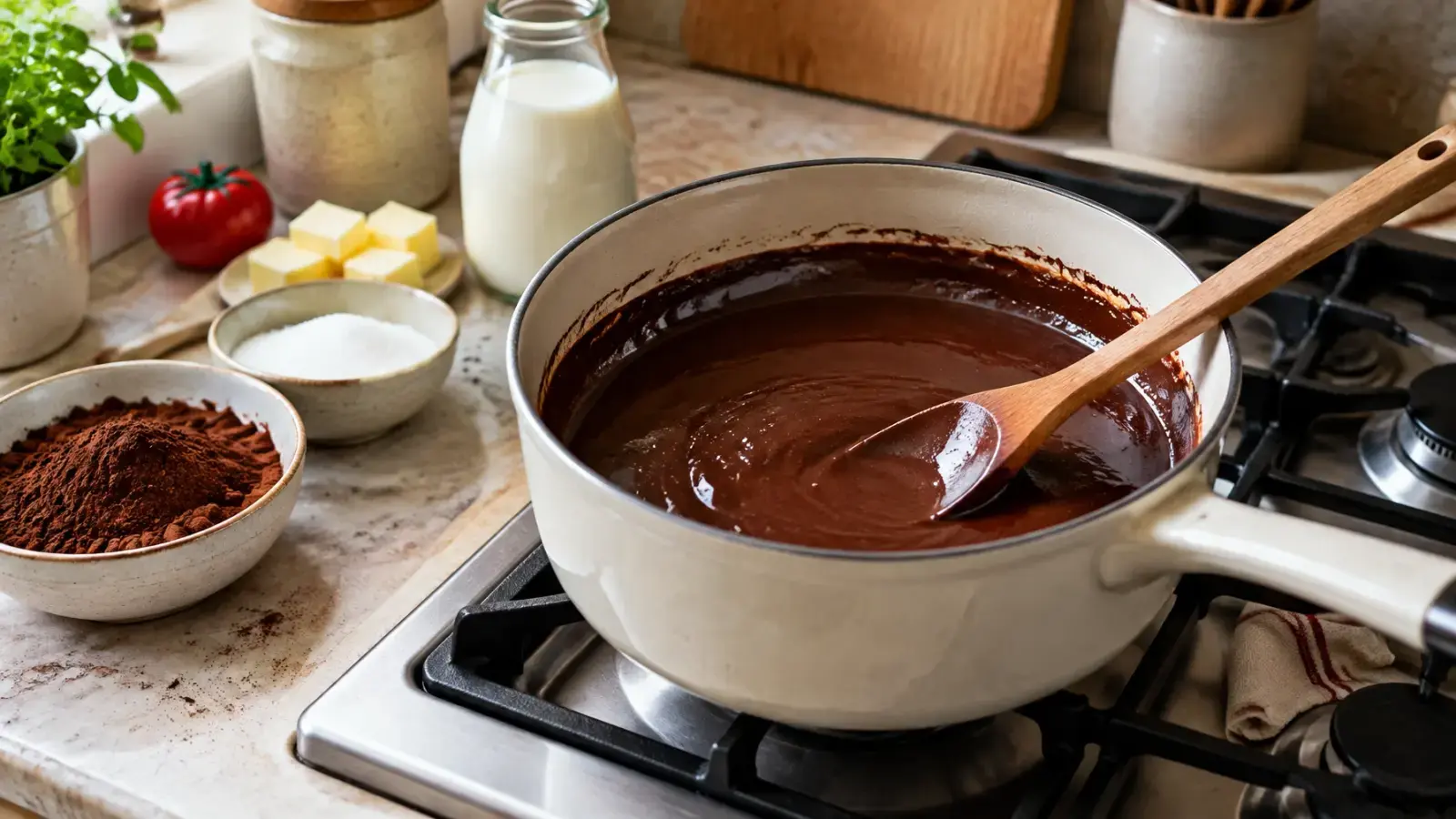
Why This Recipe Works
No-bake cookies rely on the cooked sugar mixture to bind the oats. Butter adds richness, cocoa provides the chocolate flavor, and peanut butter helps create a smooth, fudgy texture.
Quick-cooking oats are recommended because they soften quickly and hold the cookies together. Old-fashioned rolled oats can be used, but they produce a chewier and more textured result.
The basic method is consistent with classic versions published by Allrecipes and Delish: cook the cocoa mixture to a full boil, add the peanut butter and oats off the heat, then portion the cookies while the mixture is warm.
Preparation Notes
Use a medium or large saucepan because the mixture rises as it boils. Line two baking sheets or a work surface with parchment paper before cooking. Once the oats are added, the mixture thickens quickly, so portion the cookies without delay.
For consistent results, begin timing the boil only after the entire surface is bubbling rapidly. A few small bubbles around the edge are not sufficient.
Tips for Reliable Results
Use a full rolling boil
The mixture must reach a rapid boil before the cooking time begins. If it is removed from the heat too soon, the cookies may remain loose or sticky.
Do not overcook
Boiling for too long removes too much moisture. This can result in cookies that are dry, crumbly, or difficult to scoop.
Measure the oats carefully
Too few oats can leave the cookies soft and difficult to set. Too many oats can make them dry. Begin with 3 cups and add only a small amount more if the mixture appears unusually loose.
Work while the mixture is warm
The mixture sets as it cools in the saucepan. Have the parchment ready and portion the cookies immediately after stirring in the oats.
Choose the right peanut butter
Creamy, conventional peanut butter gives the smoothest texture. Natural peanut butter can work, but it should be thoroughly stirred before measuring because separated oil may affect the consistency.
Adjust the cookie size
A rounded tablespoon produces a medium cookie. Smaller portions set more quickly and are useful for lunch boxes, dessert trays, or portion control.
Variations
Dairy-free cookies
Replace the butter with a dairy-free butter substitute and use an unsweetened plant-based milk. Oat milk and soy milk are suitable options. Check the labels on the oats, peanut butter, and chocolate ingredients if strict dairy avoidance is required.
Coconut chocolate oatmeal cookies
Add ½ cup unsweetened shredded coconut with the oats. The coconut absorbs some moisture and adds chewiness. If the mixture becomes too thick, portion the cookies immediately.
Chocolate chip version
Stir in ½ cup mini chocolate chips after the mixture has cooled for several minutes. Adding them while the mixture is very hot may cause them to melt completely.
Nut-free version
Use sunflower seed butter instead of peanut butter. The flavor and texture will change slightly, but the same stovetop method can be used.
Chunky oatmeal cookies
Replace up to 1 cup of the quick-cooking oats with old-fashioned rolled oats. This creates a more pronounced oat texture and a chewier cookie.
Salted finish
Sprinkle a few flakes of sea salt over the cookies immediately after portioning. Use a light amount because the peanut butter and butter may already contain salt.
Storage
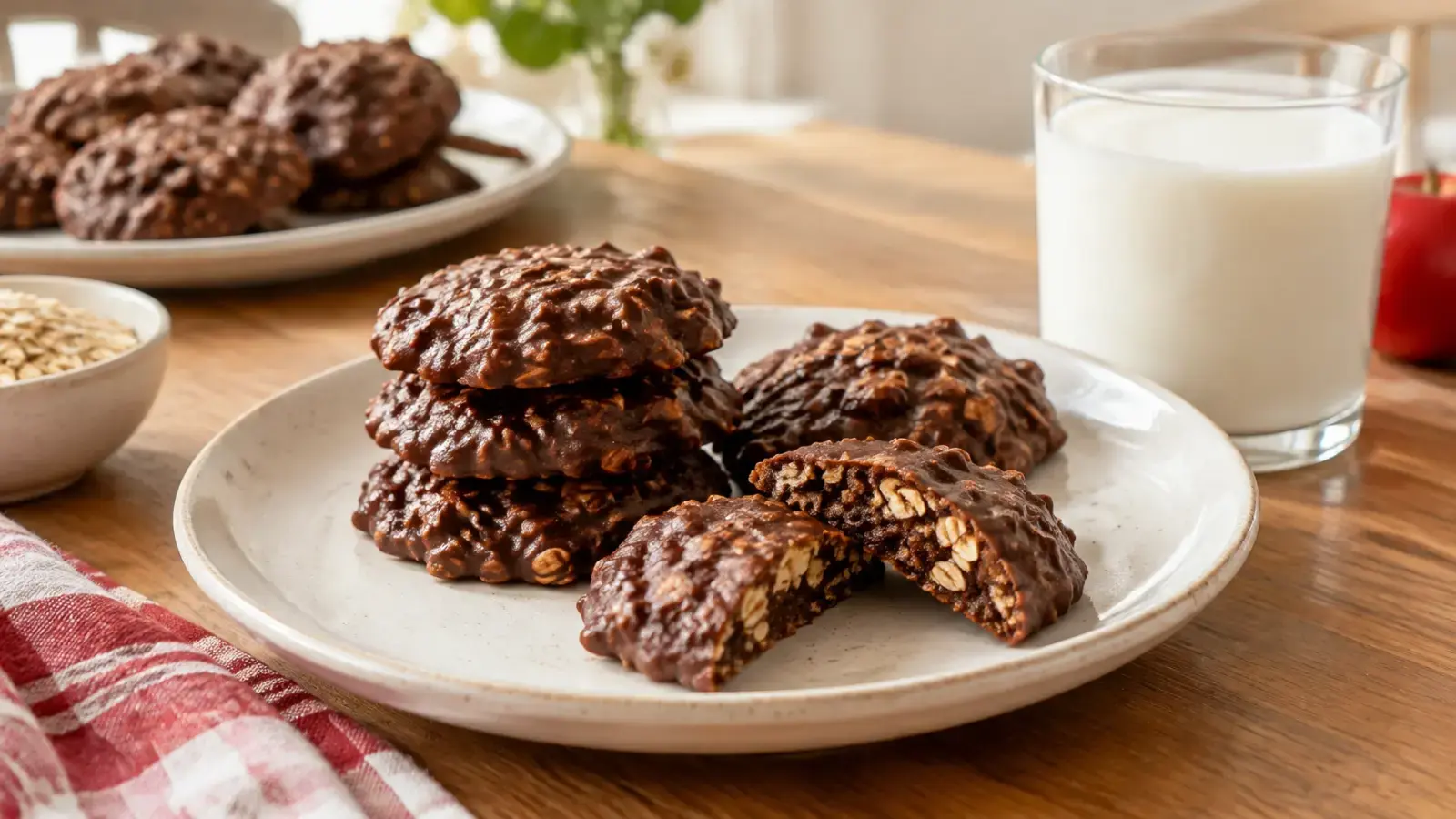
Store the set cookies in an airtight container at room temperature for 3 to 4 days. Separate layers with parchment paper to prevent sticking.
For a firmer texture, refrigerate the cookies in a sealed container. Allow chilled cookies to stand at room temperature for a few minutes before serving.
Frequently Asked Questions
Do I have to use quick-cooking oats?
No, but quick-cooking oats provide the most cohesive texture. Old-fashioned oats can be substituted for a chewier cookie. Avoid steel-cut oats because they remain too firm and do not absorb the cooked mixture properly.
Why did my cookies not set?
The usual reason is insufficient boiling time. The mixture must reach a full rolling boil and remain there for at least 1 minute. Humid conditions, inaccurate measurements, or too few oats can also produce softer cookies.
Why are my cookies dry?
The mixture may have boiled for too long, or too many oats may have been added. The cookies should be portioned as soon as the oats are fully coated.
Can I use almond butter?
Yes. Creamy almond butter can replace peanut butter in equal measure. The finished cookies may be slightly less sweet and may have a softer or more delicate texture.
Can I use regular rolled oats?
Yes. Regular rolled oats create a more substantial, chewy cookie. For a texture closer to the classic recipe, use a combination of quick-cooking and rolled oats.
Can I make these cookies without peanut butter?
Peanut butter contributes flavor and helps bind the mixture. Replace it with almond butter, sunflower seed butter, or another smooth nut or seed butter. Do not omit it without adding an equivalent substitute.
How long do the cookies take to firm up?
Most cookies set within 20 to 30 minutes at room temperature. Larger cookies or a warm kitchen may require additional time. Refrigeration speeds up the process.
Can I freeze no-bake oatmeal cookies?
Yes. Place fully set cookies in a freezer-safe airtight container with parchment between the layers. Thaw them in the refrigerator or at room temperature before serving. The texture may be slightly firmer after freezing.
Final Notes
The most important controls are the boiling stage, the oat measurement, and the speed of portioning. Prepare the parchment before starting, use quick-cooking oats for the classic texture, and remove the mixture from the heat as soon as the timed boil is complete.