Recipe
Servings
Servings 1×
Ingredients
- Chicken
- Balsamic vinegar
- Honey
Method
- Use a large rimmed baking sheet to ensure proper airflow.
- Let’s talk about the balsamic component.
- Use a meat thermometer to pull the chicken exactly when it hits 165°F.
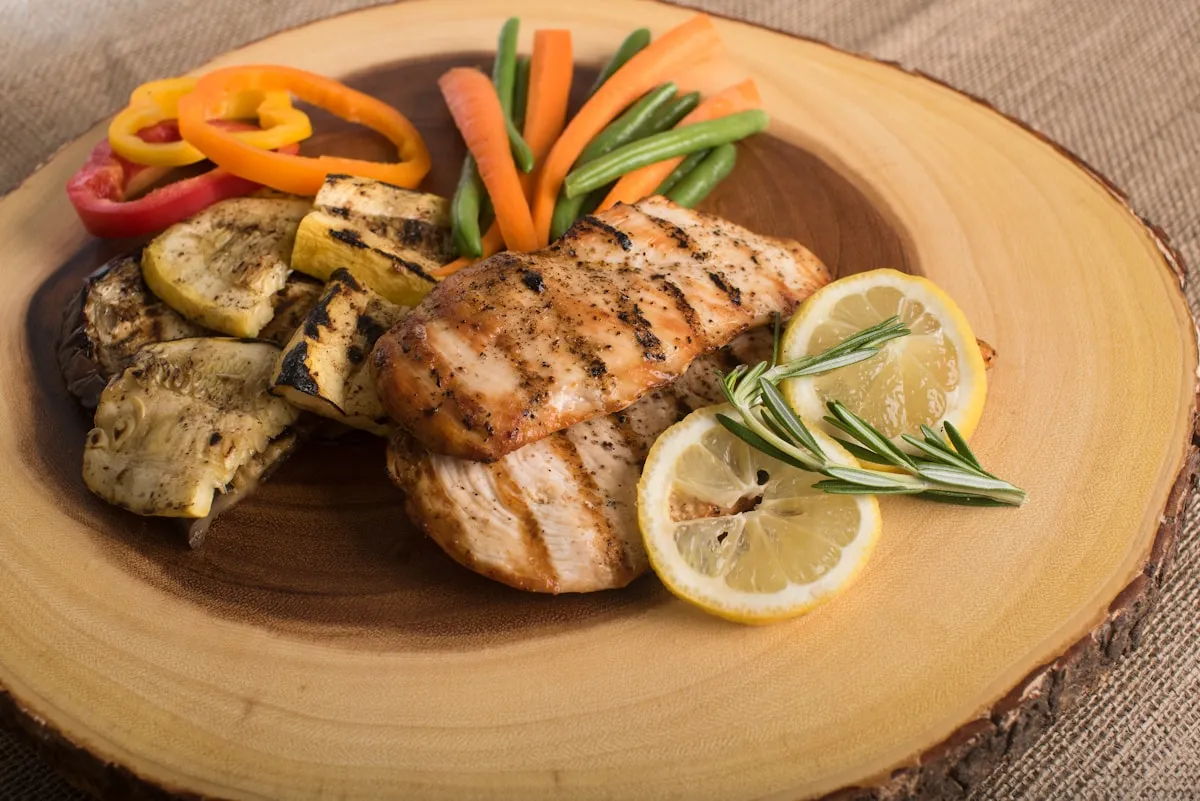
If you’ve ever found yourself staring at a sink full of dishes after a "simple" Tuesday night meal, you know the heartbreak of modern cooking. We want flavor, we want health, but we absolutely do not want to spend forty minutes scrubbing a cast-iron skillet and three different saucepans. Enter the one-pan wonder. This balsamic glazed chicken and veggie situation isn't just a recipe; it’s a strategic maneuver for your kitchen. We’re leaning into the chemistry of high-heat roasting to create a meal that tastes like you’ve been reducing sauces for hours, when in reality, you were probably just catching up on your favorite podcast.
The Science of the Sheet Pan Sear
To master this dish, you have to understand the Maillard reaction. This isn't just fancy chef-speak; it’s the chemical reaction between amino acids and reducing sugars that gives browned food its distinctive, savory flavor. When you roast chicken and vegetables at high heat, you aren't just "cooking" them: you are transforming their molecular structure.
Use a large rimmed baking sheet to ensure proper airflow. If you crowd your ingredients, you aren't roasting; you're steaming. Steaming is the enemy of flavor here. When ingredients are too close, the moisture they release gets trapped, preventing the surface temperature from rising high enough to trigger that beautiful browning. Spread everything out. If you have to use two pans, do it. Your taste buds will thank you for the extra surface area.
Let’s talk about the balsamic component. Balsamic vinegar is a complex suspension of acetic acid, water, and grape must sugars. As it hits the heat of the oven, the water evaporates, and the sugars begin to caramelize. This is why your glaze becomes syrupy and thick. This process, known as viscous reduction, happens right on top of your chicken. By combining the vinegar with a touch of honey or maple syrup, you're boosting the sugar content, which accelerates the thickening process and creates that "sticky" finish we all crave.
Check your oven temperature carefully. I recommend 400°F (approx. 200°C). This is the "Goldilocks" zone for quick family meals. It’s hot enough to reduce the glaze and brown the meat before the chicken breasts dry out. Use a meat thermometer to pull the chicken exactly when it hits 165°F. Remember, carry-over cooking is real. The internal temperature will continue to rise by about 5 degrees once you pull the pan out of the oven. If you wait until it looks "done" in the oven, it’ll be cardboard by the time it hits the table.
Variations for the Creative Cook
Once you’ve nailed the basic physics of the balsamic reduction, you can start experimenting with different flavor profiles. If you’re looking for healthy dinner ideas that don't feel like a chore, try swapping the honey for pomegranate molasses. This adds a deep, tart complexity that pairs beautifully with earthy root vegetables like parsnips or carrots.
Avoid using delicate greens like spinach or arugula during the roasting phase. They have high water content and will turn into a soggy mess in minutes. Instead, if you want to incorporate greens, toss them onto the pan in the last two minutes of cooking. The residual heat will wilt them perfectly without destroying their structure.
For a Mediterranean twist, add some feta cheese and Kalamata olives during the final five minutes of roasting. The feta won't melt entirely; instead, it gets warm and slightly softened, providing a salty contrast to the sweet balsamic glaze. If you're a fan of our Air Fryer Sausage Pepper & Onion Medley, you already know how well acidity cuts through the richness of roasted proteins. You can apply that same logic here by finishing the dish with a squeeze of fresh lemon juice or a sprinkle of lemon zest.
Balancing Your Plate with Pairings
The beauty of a one-pan meal is that it’s usually a complete package, but sometimes you want a little something extra to mop up that leftover glaze. A simple bowl of pearled farro or quinoa provides a nutty, chewy base that absorbs the balsamic reduction without becoming mushy.
If you prefer something lighter, a crisp arugula salad with a very light lemon vinaigrette offers a refreshing bitterness that cuts through the intensity of the roasted balsamic. Avoid heavy, creamy dressings here; you want to highlight the brightness of the glaze, not mask it. For those who love a bit of crunch, a side of crusty sourdough bread is non-negotiable. Use it to swipe the pan clean of every last drop of that caramelized goodness. This technique works just as well for other sheet pan favorites, like our Kielbasa Pierogi Air Fryer Roast, where texture is king.
Frequently Asked Questions
Why did my balsamic glaze burn instead of thickening?
This usually happens because of two things: too much sugar or too much heat. If your glaze has a high ratio of honey to vinegar, it will reach the burning point faster. Keep a close eye on the pan during the last 5 minutes. If you see the glaze turning from dark brown to black and smelling "acrid," pull it immediately. Next time, try adding a splash of water or more vinegar to slow down the caramelization.
Can I make this in an air fryer?
Absolutely. Many air fryer recipes dinner enthusiasts prefer this method because the intense convection heat speeds up the Maillard reaction significantly. However, you'll need to cook in batches or use a very large basket. Do not overlap the chicken and veggies, or you'll lose that crisp edges. The air fryer is essentially a high-powered convection oven, so you might need to drop the temperature by 25°F to prevent the outside from burning before the inside is cooked.
My vegetables are mushy but my chicken is perfect. What happened?
This is a classic timing issue. Different vegetables have different densities and water contents. High-moisture veggies like zucchini or tomatoes cook much faster than dense ones like potatoes or carrots. If you’re using a mix, cut the denser veggies into smaller pieces and the softer ones into larger chunks to synchronize their cooking times. Or, use the "staggered entry" method: start the hearty veggies first, then add the chicken and softer veggies halfway through.
Can I use frozen vegetables?
You can, but I don't recommend it for a one-pan roast. Frozen vegetables release a significant amount of water as they thaw in the oven. This extra moisture will steam your chicken, preventing that golden-brown crust. If you must use frozen, thaw them completely and pat them bone-dry with paper towels before tossing them in oil and spices.
Is it necessary to marinate the chicken?
While not strictly necessary for safety, marinating for even 20 minutes helps the salt penetrate the muscle fibers, which helps the meat retain moisture during high-heat roasting. It also jumpstarts the flavor profile. If you're in a rush, just a quick toss in the glaze right before roasting is fine, but you'll miss out on that deep, internal seasoning.