Recipe
Servings
Servings 1×
Cook 30 min
Ingredients
- Pasta
- Tomatoes
- Garlic
- Lemon
- Balsamic vinegar
- Butter
- Cooking oil
- Salt
- Black pepper
Method
- Prepare the ingredients described in the article and heat the cooking surface or oven as directed.
- Cook the main ingredients using the heat and timing guidance in the article.
- Finish with the seasonings and garnishes named in the article, then serve.
If you have 15 minutes and a single pan, you have a gourmet dinner. There is a certain kind of magic that happens when you stop treating gnocchi like pasta and start treating them like little sponges. Most people make the mistake of boiling them in a massive vat of water, draining away all that precious starch, and then wondering why their sauce won't stick. I’m here to tell you to stop that right now. This recipe is the ultimate shortcut for anyone seeking quick family meals that actually taste like you spent an hour over the stove.
The Science of the Silky One-Pot Sauce
The reason these one pot meals work so well isn't just about saving you from doing the dishes (though that is a massive win). It’s about starch management. When you cook potato gnocchi directly in the tomato base, they release starch as they soften. In a standard boiling pot, that starch is washed away. In my kitchen, we keep it. That starch acts as a natural thickener, creating a viscous liquid that allows the fats: the olive oil, the butter, and the cheese: to emulsify perfectly.
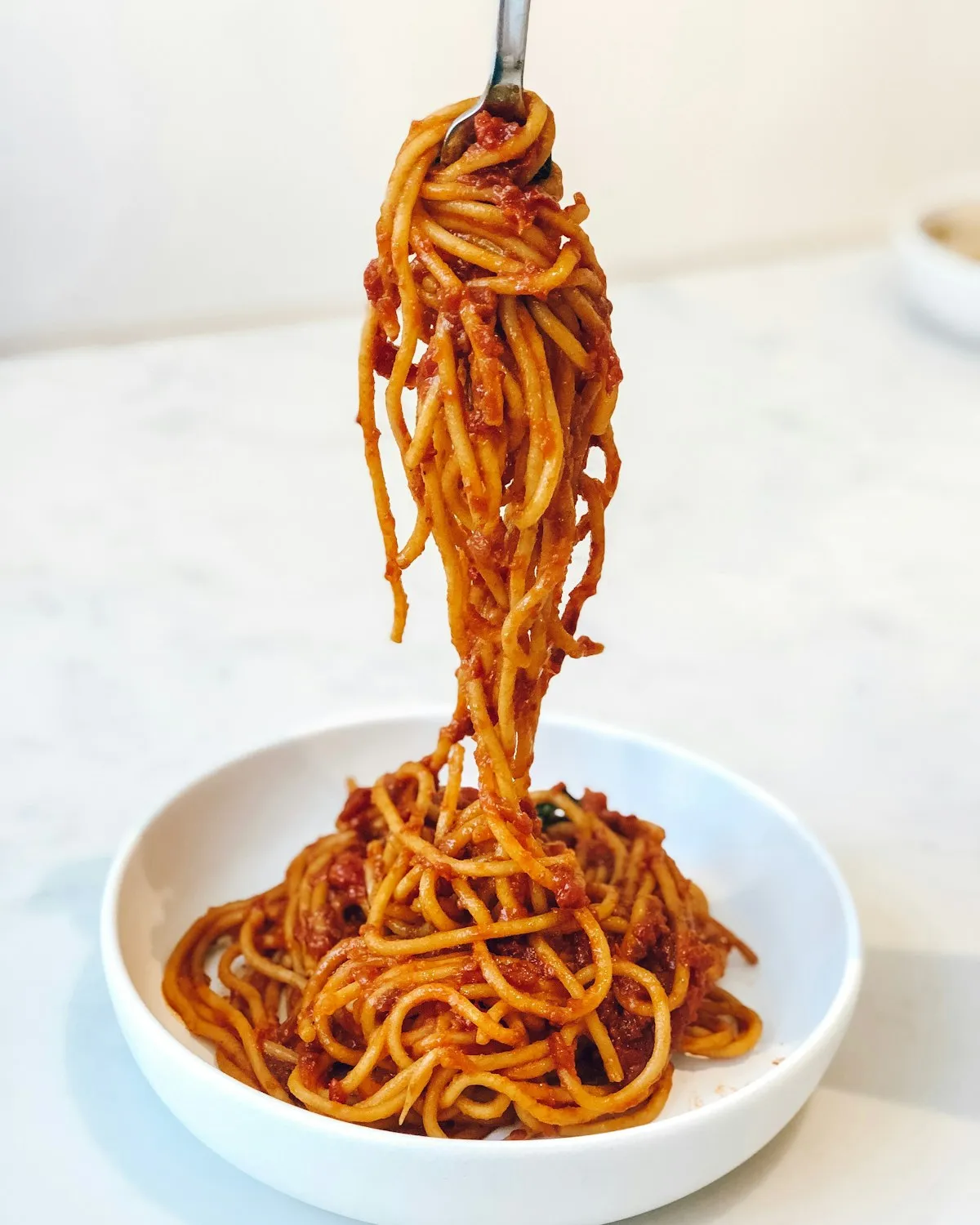
To get this right, you need to understand emulsification. You are trying to force oil and water-based tomato juice to play nice together. Without the starch from the gnocchi, the oil would just sit on top in a greasy layer. By simmering the gnocchi directly in the sauce, you create a stable bridge between the two. Use a wide skillet to allow for even heat distribution, and don't be afraid to give the pan a gentle shake.
Maintain a gentle simmer. If you boil the sauce too vigorously, you risk breaking the gnocchi into a gummy mess before the sauce has a chance to thicken. You want the liquid to just barely bubble around the edges. This low-and-slow approach (at least for 15 minutes) ensures the heat penetrates the center of the gnocchi without blowing out the delicate exterior.
Check your liquid levels frequently. Because the gnocchi are absorbing moisture, your sauce can turn into paste in the blink of an eye. If it looks too tight, add a splash of vegetable stock or even a tiny bit of water. This isn't a sign of failure; it’s active cooking. You’re looking for a glossy, coat-the-back-of-the-spoon consistency that makes these healthy dinner ideas feel much more indulgent than they actually are.
Flavor Balancing and Variations
The foundation of this dish is the balance between the bright acidity of the tomatoes and the herbal punch of fresh basil. If you find your sauce tastes a bit flat, it’s likely lacking acidity or salt. Don't reach for the sugar immediately; instead, try a tiny splash of balsamic vinegar or a squeeze of lemon. This cuts through the richness of the potato starch and highlights the sweetness of the tomatoes.
If you’re in the mood for something with a bit more kick, stir in some red pepper flakes at the same time you add your garlic. Much like my Spicy Tomato Basil One Pot Linguine, the heat builds a secondary layer of flavor that prevents the dish from feeling one-note. For a creamier finish, you can stir in a dollop of mascarpone or ricotta right at the end. The residual heat will melt it into the sauce without breaking the emulsion you worked so hard to build.
For those who want a bit of texture, you can even finish this under the broiler for two minutes with some torn mozzarella. Just ensure your skillet is oven-safe. While I usually lean towards air fryer recipes dinner for crispy textures: like my Kielbasa and Pierogi Roast: the broiler gives this gnocchi a bubbly, golden crust that is hard to beat.
Side Dish Pairings for Perfect Balance
Since this gnocchi is rich and pillowy, you need a side dish that provides a sharp contrast. Avoid anything heavy or starchy; you’ve already checked that box. Instead, go for a bright arugula salad dressed with nothing more than lemon juice and high-quality olive oil. The bitterness of the arugula and the sharp citrus will cleanse your palate between bites.
Steamed or lightly charred broccolini with a sprinkle of sea salt also works wonders. It adds a necessary crunch to the meal. If you really feel the need for bread, keep it to a single slice of crusty sourdough used purely for mopping up the extra sauce. Remember, the goal of these quick family meals is to stay light enough that you don't need a nap immediately afterward.
FAQ: Troubleshooting Your One-Pot Gnocchi
Why is my sauce greasy and not clinging to the gnocchi?
This usually means your emulsion has broken. This happens if the pan gets too hot after you've added cheese or if you didn't have enough liquid to start with. To fix it, remove the pan from the heat and whisk in a tablespoon of warm water. The water helps re-bind the fat to the starch. Avoid adding dairy while the sauce is at a rolling boil.
Can I use frozen gnocchi for this?
Absolutely, but you need to adjust your timing. Frozen gnocchi will release more water as they thaw in the pan, so you might need to simmer the sauce for an extra 2–3 minutes without a lid to allow that excess moisture to evaporate. Do not thaw them before adding; toss them in straight from the freezer to maintain their structural integrity.
What if my gnocchi are gummy?
Gummy gnocchi are the result of overcooking or over-stirring. Gnocchi are delicate dumplings, not sturdy pasta shapes. Once they are in the pan, resist the urge to stir them constantly. A few gentle folds to ensure they are submerged is all you need. Also, check the "use by" date on refrigerated gnocchi; older ones tend to lose their structure faster.
Is this recipe keto-friendly?
Standard potato gnocchi are high in carbs, so they don't fit a strict keto lifestyle. However, you can use the exact same one-pot technique with cauliflower gnocchi. Just be aware that cauliflower versions are even more delicate and cook faster, so keep a close eye on them to prevent them from turning into mash. If you are looking for more healthy dinner ideas, sticking to vegetable-based "pasta" alternatives is a great way to keep the flavor while cutting the carbs.
How do I store and reheat leftovers?
Gnocchi are notorious for absorbing all the sauce in the fridge, leaving you with a dry lump the next day. If you have leftovers, store them in an airtight container. When reheating, add a splash of milk or broth to the pan to loosen the sauce back up. Use the stovetop rather than the microwave for the best texture.
{“@type”:”BlogPosting”,”about”:{“name”:”One Pot Tomato & Basil Gnocchi”,”@type”:”Recipe”,”cookTime”:”PT10M”,”prepTime”:”PT5M”,”totalTime”:”PT15M”,”recipeCuisine”:”Italian”,”recipeCategory”:”Main Dish”},”image”:”https://cdn.marblism.com/BrV5OAwMoTj.webp”,”author”:{“name”:”Penny”,”@type”:”Person”},”@context”:”https://schema.org”,”headline”:”One Pot 15-Minute Tomato & Basil Gnocchi”,”keywords”:[“one pot meals”,”quick family meals”,”healthy dinner ideas”,”air fryer recipes dinner”],”publisher”:{“logo”:{“url”:”https://cookpedia.com/logo.png”,”@type”:”ImageObject”},”name”:”Cookpedia”,”@type”:”Organization”},”description”:”A quick, 15-minute one-pot gnocchi recipe focusing on the science of starch and emulsification for a perfect glossy sauce.”,”datePublished”:”2026-06-08″,”articleSection”:”Recipes”,”mainEntityOfPage”:{“@id”:”https://cookpedia.com/one-pot-tomato-basil-gnocchi”,”@type”:”WebPage”}}