Recipe
Servings
Servings 1×
Ingredients
- Chicken
- Shrimp
- Lentils
- Chickpeas
- Penne
- Pasta
- Noodles
- Tomatoes
- Lemon
- Mustard
- Feta
- Cooking oil
- Salt
Method
- Use the "Dress Twice" rule for maximum flavor.
- Let it sit, let it chill, and then hit it with the remaining dressing right before serving.
- Whisk your acid, aromatics, and a tiny bit of mustard first.
- Use shapes with "nooks and crannies" like rotini, fusilli, or radiatori.
If you’re staring at your pantry with fifteen minutes to spare before the hunger-crankiness sets in, you’ve hit the jackpot. This Greek pasta salad isn’t just a side dish; it’s one of those quick family meals that saves your sanity on a Tuesday night. It’s bright, salty, and incredibly satisfying, proving that you don't need a three-hour simmer to achieve a soulful meal. Forget the soggy, bland deli versions; we’re making something with actual structural integrity.
The Science of the Perfect Bite
The secret to a world-class pasta salad isn't just the feta, though that helps, it’s the physics of the pasta itself. When you cook pasta, the starch granules gelatinize. If you overcook it, those granules become waterlogged and mushy. For cold salads, you want a resilient "bite." Cook your pasta in aggressively salted water until it is just past al dente. This slightly softer state allows the pasta to release enough surface starch to help the dressing cling, rather than sliding off into a greasy pool at the bottom of the bowl.
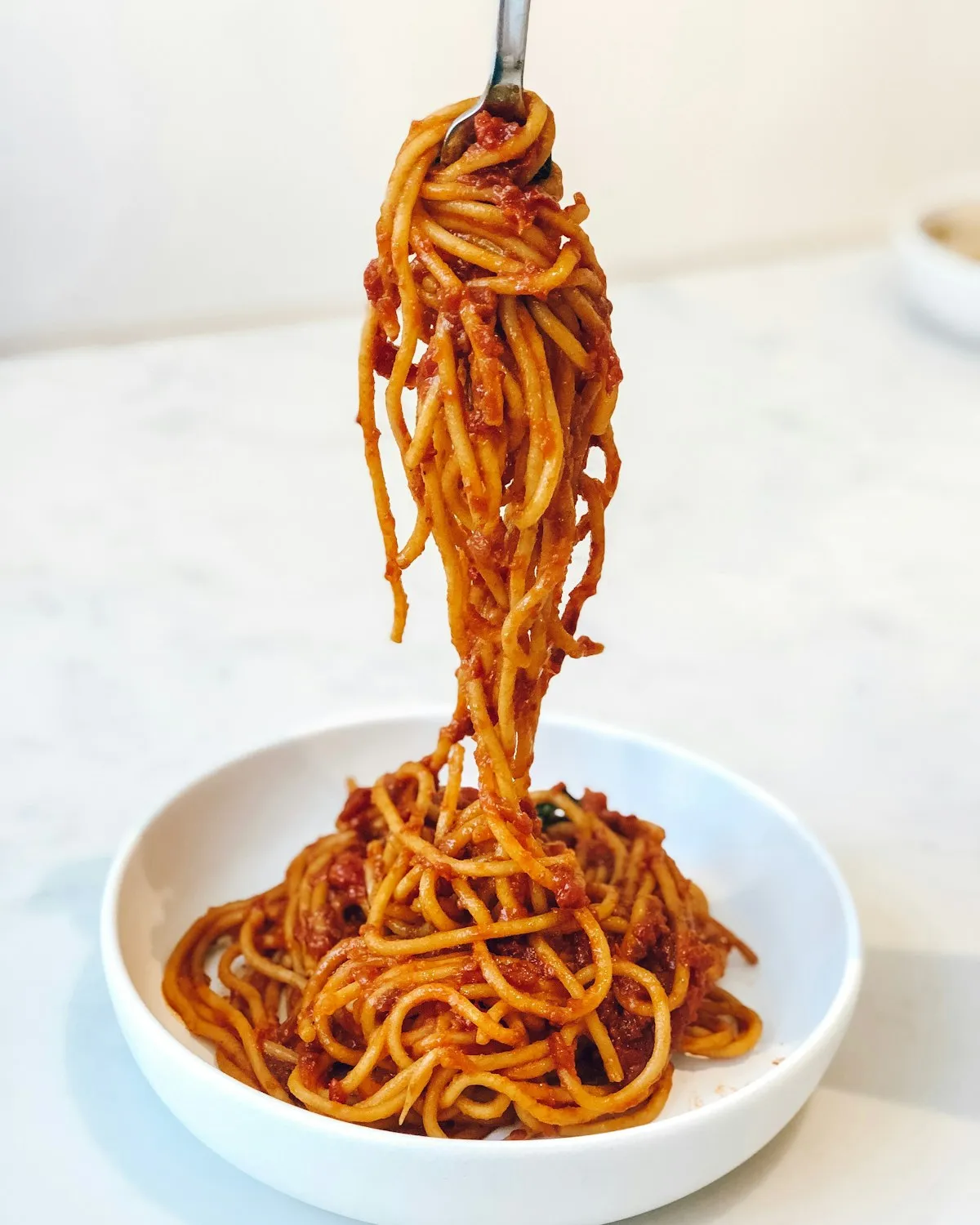
Use the "Dress Twice" rule for maximum flavor. When the pasta is drained and still warm, not piping hot, but warm, toss it with exactly half of your vinaigrette. At this temperature, the pasta is at its most porous, allowing it to suck the acidity and salt right into its core. If you wait until it's ice-cold, you’re just coating the outside. Let it sit, let it chill, and then hit it with the remaining dressing right before serving. This restores the glossy finish and brings the bright, sharp flavors back to the surface.
Avoid the urge to rinse your pasta under cold water for ten minutes. A quick five-second splash is enough to stop the cooking process without stripping away every bit of the starch that acts as a natural "glue" for your dressing. If you’ve ever wondered how to get that perfect glossy sauce on a hot dish, the principle is the same here: starch is your best friend.
Emulsification is the final frontier. Don't just dump oil and vinegar onto the noodles. Whisk your acid, aromatics, and a tiny bit of mustard first. The mustard acts as an emulsifier, binding the oil and vinegar into a creamy, stable liquid. Slowly drizzle in your olive oil while whisking vigorously. This creates a thick vinaigrette that actually coats the ridges of your rotini. Without this step, you’re just serving oily noodles with a sour aftertaste.
Texture and Flavor Variations
While the classic Greek profile is hard to beat, simple pasta recipes are designed to be flexible. If you want to lean into more healthy dinner ideas, try swapping traditional white pasta for a high-quality chickpea or lentil-based noodle. These offer a significant protein boost and a nutty flavor that pairs beautifully with the brininess of kalamata olives. Just be careful with the cook time; pulse-based pastas transition from "perfect" to "mush" in about thirty seconds.
For a heartier version, introduce a grilled protein. Leftover shredded chicken or even some seared shrimp can turn this from a light lunch into a robust dinner. If you’re looking for a vegan alternative, swap the feta for marinated artichoke hearts. They provide that necessary hit of acidity and a meaty texture that keeps the salad from feeling like "just a side." You can also experiment with different grains; farro or pearled couscous work exceptionally well using the same dressing-twice technique.
Balancing Your Plate
Because this pasta salad is heavy on acidity (vinegar, lemon) and salt (feta, olives), your side dishes should provide a contrasting sweetness or a grounding earthiness. A simple plate of roasted root vegetables can balance the sharpness of the salad. If you're in the mood for something faster, an air-fried protein like this kielbasa and pierogi roast offers a smoky depth that plays well against the fresh cucumbers and tomatoes.
Focus on crunch. While the pasta is tender, your sides or add-ins should offer a distinct mechanical contrast. Toasted pine nuts or even some thin-sliced radishes can provide that "snap" that makes the meal feel complete. If you’re serving this at a gathering, a simple tray of hummus and warm pita provides a soft, creamy landing spot for the palate between the high-acid bites of the salad.
Essential Pasta Salad FAQ
Why does my pasta salad always taste bland the next day?
This is the "absorption trap." As the salad sits in the fridge, the pasta continues to hydrate, pulling the salt and acid into the center of the noodle and leaving the surface dry. The cold temperature also dulls our perception of flavor. Always taste your leftovers at room temperature and add a fresh squeeze of lemon or a splash of oil to wake the flavors back up.
Can I use any pasta shape?
Technically, yes, but why would you? Physics favors the bold. Use shapes with "nooks and crannies" like rotini, fusilli, or radiatori. These shapes are designed to trap the emulsified dressing and small bits of feta. Smooth pastas like penne or bowties (farfalle) allow the dressing to slide right off, leading to a much less flavorful experience.
Should I salt the pasta water even if the dressing is salty?
Absolutely. This is a non-negotiable. Salting the water seasons the pasta from the inside out. If you skip this, you’ll find yourself over-salting the dressing to compensate, which leads to a "harsh" salty flavor rather than a "well-seasoned" one.
How do I stop the veggies from getting soggy?
Don't add high-moisture vegetables like cucumbers or tomatoes until the pasta has cooled to at least room temperature. If you toss raw cucumbers with hot pasta, the heat will break down their cell walls, causing them to release water and turn limp. For quick family meals you plan to eat over two days, keep the chopped veggies in a separate container and mix them in just before you eat.
{“@type”:”BlogPosting”,”image”:”https://cdn.marblism.com/jjxMVl_00B3.webp”,”author”:{“name”:”Penny”,”@type”:”Person”},”@context”:”https://schema.org”,”headline”:”Simple 15-Minute Greek Pasta Salad”,”publisher”:{“logo”:{“url”:”https://cookpedia.com/logo.png”,”@type”:”ImageObject”},”name”:”Cookpedia”,”@type”:”Organization”},”articleBody”:”If you’re staring at your pantry with fifteen minutes to spare before the hunger-crankiness sets in, you’ve hit the jackpot. This Greek pasta salad isn’t just a side dish; it’s one of those quick family meals that saves your sanity on a Tuesday night… [rest of the article content]”,”description”:”A quick and soulful 15-minute Greek pasta salad recipe focusing on high-impact Mediterranean flavors and the science of perfect pasta texture.”,”datePublished”:”2026-06-08″}