Recipe
Servings
Servings 1×
Ingredients
- Steak
- Ground turkey
- Pasta
- Noodles
- Rice
- Bread
- Potatoes
- Broccoli
- Carrots
- Cucumber
- Cream
- Hard cheese
- Cooking oil
- Sesame
- Chili seasoning
- Black pepper
Method
- Sear in batches if necessary.
- Use a wooden spoon and a splash of broth to lift them up before adding your dry pasta.
- Add your florets during the last four to five minutes of the pasta’s cooking time.
If you are like me, the siren call of a single dirty pot at the end of a long Tuesday is enough to make you weep with joy. We all love the idea of a complex, multi-layered dinner, but the reality is that most of us just want something that tastes like a restaurant meal without the mountain of dishes. This One-Pot Beef and Broccoli Pasta is my answer to that craving. It bridges the gap between a classic stir-fry and a comforting Italian pasta dish, pulling double duty as a nutritional powerhouse and a total crowd-pleaser.
The Science of the Sear and Starch
The magic of a one-pot meal isn't just about saving time; it’s about a scientific process called "starch management." When you cook pasta in a separate pot of boiling water, you’re throwing away a liquid gold mine of starch. In this recipe, the pasta cooks directly in the beef broth and sauce. As the grains of pasta soften, they release their starches into the liquid, which naturally emulsifies with the fats from the beef. This creates a built-in sauce that clings to every noodle with an intensity you simply can’t get from a jarred sauce poured over drained pasta.
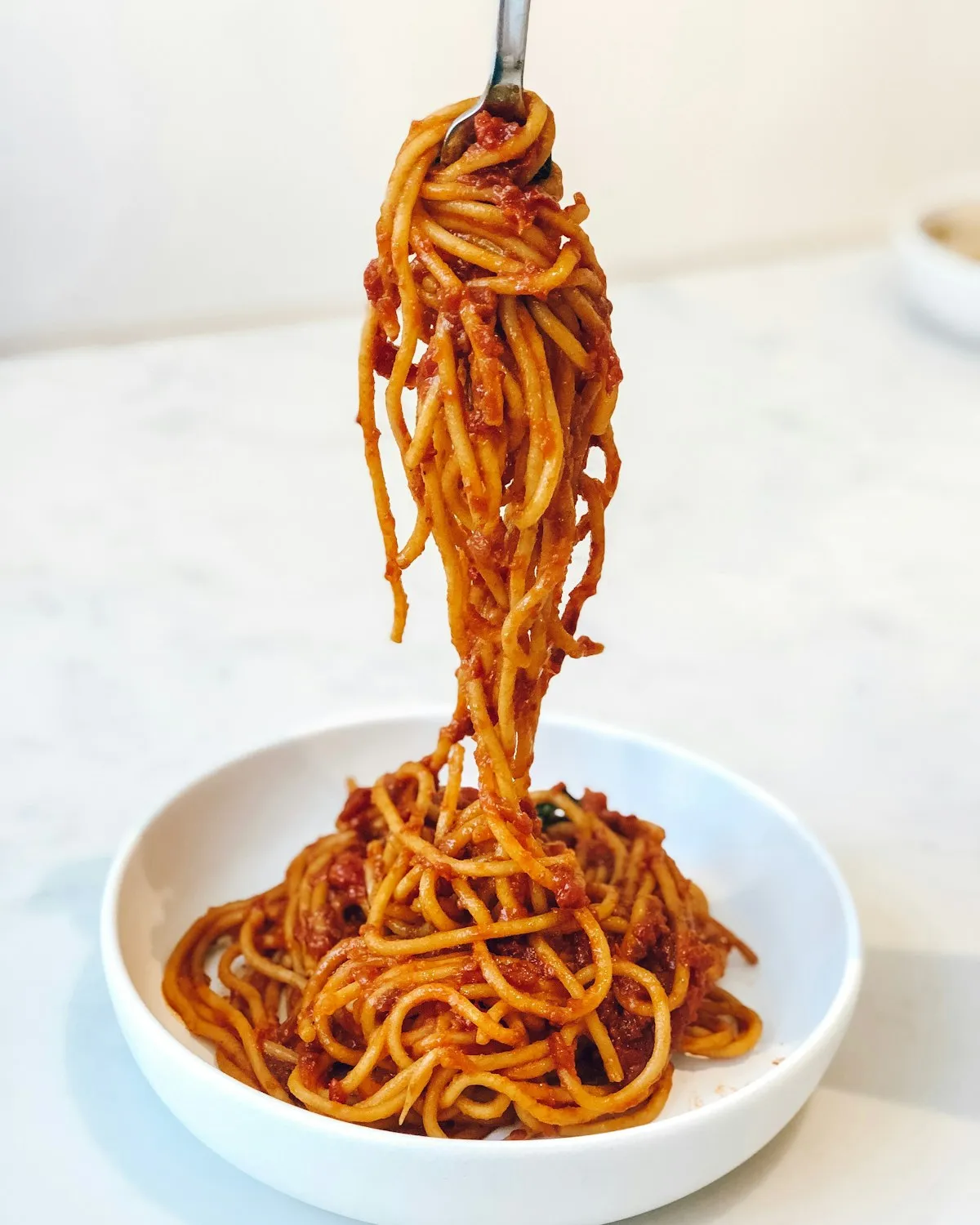
Before you even think about adding the liquid, you must respect the Maillard reaction. This is the chemical reaction between amino acids and reducing sugars that gives browned food its distinctive flavor. When you sear your beef, do not crowd the pan. If you put too much meat in at once, the temperature drops, the meat begins to steam in its own juices, and you lose that beautiful brown crust. Sear in batches if necessary. That crust isn't just "color", it is the foundation of the savory "umami" profile that defines quick family meals.
Once the meat is browned and removed, use your liquid to deglaze the pan. This means scraping up all those little browned bits (the "fond") stuck to the bottom. Those bits are flavor concentrates. If you leave them there, you’re leaving the best part of the meal in the sink. Use a wooden spoon and a splash of broth to lift them up before adding your dry pasta.
Timing Your Greens for Peak Texture
Broccoli is a sensitive soul. It can go from a vibrant, crisp-tender delight to a mushy, sulfurous mess in a matter of seconds. To master this, you need to treat the broccoli as a final addition rather than a primary cooking ingredient. Add your florets during the last four to five minutes of the pasta’s cooking time. This allows the steam trapped in the pot to "par-cook" the broccoli, maintaining its cellular structure and vibrant green color.
If you're looking for more healthy dinner ideas, remember that the size of your florets matters. Aim for "bite-sized" pieces. If they are too large, the stems will remain woody while the tops turn to mush. If they are too small, they will dissolve into the sauce. Consistency in size ensures that every piece of broccoli in your bowl reaches perfection at the exact same moment the pasta hits that glorious al dente state.
Swaps, Subs, and Savory Variations
While the beef and broccoli combination is a classic for a reason, this one-pot method is incredibly forgiving. If you find yourself staring at a package of ground turkey instead of steak, use it. The leaner meat will require a slightly higher hit of fat, perhaps a teaspoon of toasted sesame oil, to mimic the richness of beef. For those who prefer a bit of heat, a tablespoon of chili crisp or a handful of red pepper flakes added during the deglazing phase will transform the profile from savory to spicy.
You can also lean into the "fusion" aspect. If you want a more traditional Italian feel, swap the soy-based components for heavy cream and a generous handful of Parmesan cheese. The starch from the pasta will interact with the cheese to create an Alfredo-adjacent sauce that feels like a warm hug. If you have extra time on the weekend, you might even consider prepping some of the components in air fryer recipes dinner style, like air-frying the broccoli separately for a charred, nutty finish before tossing it into the finished pasta.
Balancing the Plate: Side Dish Pairings
Because this dish is quite rich and savory, you want a side dish that provides high acidity and a sharp crunch. A heavy meal needs a "foil", something to reset your palate between bites. A simple shaved radish and cucumber salad with a rice vinegar dressing is my go-to. The sharpness of the vinegar cuts right through the starch of the pasta and the fat of the beef.
Alternatively, think about texture. If you have a soft pasta dish, a piece of crusty bread or even some quick-pickled carrots can add the necessary "bite." Avoid serving this with other heavy, starchy sides like mashed potatoes or rice; the pasta already has the "carb" department covered. Focus on fresh, raw, or lightly dressed vegetables to keep the meal feeling light and balanced.
FAQ: Your One-Pot Troubleshooting Guide
Why did my pasta turn out mushy?
Mushy pasta is almost always the result of too much liquid or cooking for too long. One-pot recipes require a precise ratio. If you see that your pasta is tender but there is still a lot of liquid left, remove the lid and turn up the heat for the last two minutes. This will evaporate the excess water while the starch thickens what’s left into a glaze. Always pull the pot off the heat when the pasta is just slightly firmer than you want it; residual heat will finish the job.
Can I use whole wheat pasta?
Absolutely, but be prepared for a longer simmer. Whole wheat pasta has a tougher outer bran layer that takes longer to hydrate. You may need an extra quarter cup of broth. Check the texture frequently after the ten-minute mark. Whole wheat pasta also brings a nuttier flavor that pairs exceptionally well with the earthy notes of broccoli.
The sauce is too thin! How do I fix it?
Don't panic. If your sauce looks watery, it likely hasn't emulsified yet. Stir in a small knob of butter or a sprinkle of Parmesan cheese. The fats and proteins will bond with the starchy liquid to create a creamy coating. Alternatively, you can mix a teaspoon of cornstarch with a tablespoon of cold water (a "slurry") and stir it into the simmering pot. It will thicken almost instantly.
Is it okay to use frozen broccoli?
Yes, but don't add it at the same time as fresh. Frozen broccoli is usually blanched before freezing, meaning it’s already partially cooked. If you add it too early, it will disintegrate. Throw it in during the last two to three minutes of cooking just to heat it through. Be aware that frozen veggies release more water, so you might need to simmer the sauce a bit longer to compensate.
How do I store and reheat the leftovers?
Pasta is a notorious "liquid thief." As it sits in the fridge, it will continue to absorb the sauce. When you reheat it the next day, it might look dry. Add a splash of water or broth before microwaving or reheating on the stove. This will loosen the starch back up and return the sauce to its original silky glory. It will keep for about three days, but it’s so good you’ll likely finish it by lunch tomorrow.
{“@type”:”BlogPosting”,”image”:”https://cdn.marblism.com/qQuyTdgjqEp.webp”,”author”:{“name”:”Penny”,”@type”:”Person”},”@context”:”https://schema.org”,”headline”:”One-Pot Beef and Broccoli Pasta”,”publisher”:{“logo”:{“url”:”https://cdn.marblism.com/KxroJ1kM_KA.webp”,”@type”:”ImageObject”},”name”:”Cookpedia”,”@type”:”Organization”},”description”:”A simple, soulful one-pot beef and broccoli pasta recipe for busy home cooks, focusing on the science of starch and flavor browning.”,”mainEntityOfPage”:{“@id”:”https://cookpedia.com/one-pot-beef-broccoli-pasta”,”@type”:”WebPage”}}