Recipe
Servings
Servings 1×
Ingredients
- Chicken
- Shrimp
- Pasta
- Noodles
- Bread
- Broccoli
- Spinach
- Kale
- Tomatoes
- Garlic
- Lemon
- Tahini
- Coconut milk
- Cream
- Hard cheese
- Cooking oil
- Salt
- Black pepper
Method
- Let’s get into the mechanics of why this dish works so well.
- Use your pasta water like it’s liquid gold.
- Use that oil to sauté your garlic.
- Pour the cream in a thin stream, stirring constantly to incorporate it into the tomato base.
- Add your greens at the very last second.
- Add a tablespoon of hot pasta water and whisk vigorously.
If you have twenty minutes and a craving for something that feels like a hug in a bowl, you are in the right place. I’ve always believed that the best food doesn't require a culinary degree or a three-page grocery list. This simple creamy sun-dried tomato pasta with spinach is the ultimate proof of that philosophy. It’s elegant enough for a date night but fast enough for a Tuesday when you’ve spent half your day in meetings that could have been emails.
You don't need fancy equipment to master simple pasta recipes; you just need to understand how flavors play together. We’re taking pantry staples: like that jar of sun-dried tomatoes sitting in the back of your cupboard: and turning them into a restaurant-quality silkiness that clings to every single noodle. Let’s get into the mechanics of why this dish works so well.
The Science of a Silkier Sauce
The secret to a sauce that doesn't break or turn into a greasy puddle lies in the chemistry of emulsification. When you mix fat (the cream and cheese) with water (the pasta cooking liquid), you’re trying to marry two things that naturally want to stay apart. Use your pasta water like it’s liquid gold. The starch released from the pasta acts as a stabilizing agent, helping the heavy cream and melted Parmesan bond into a unified, glossy coating.
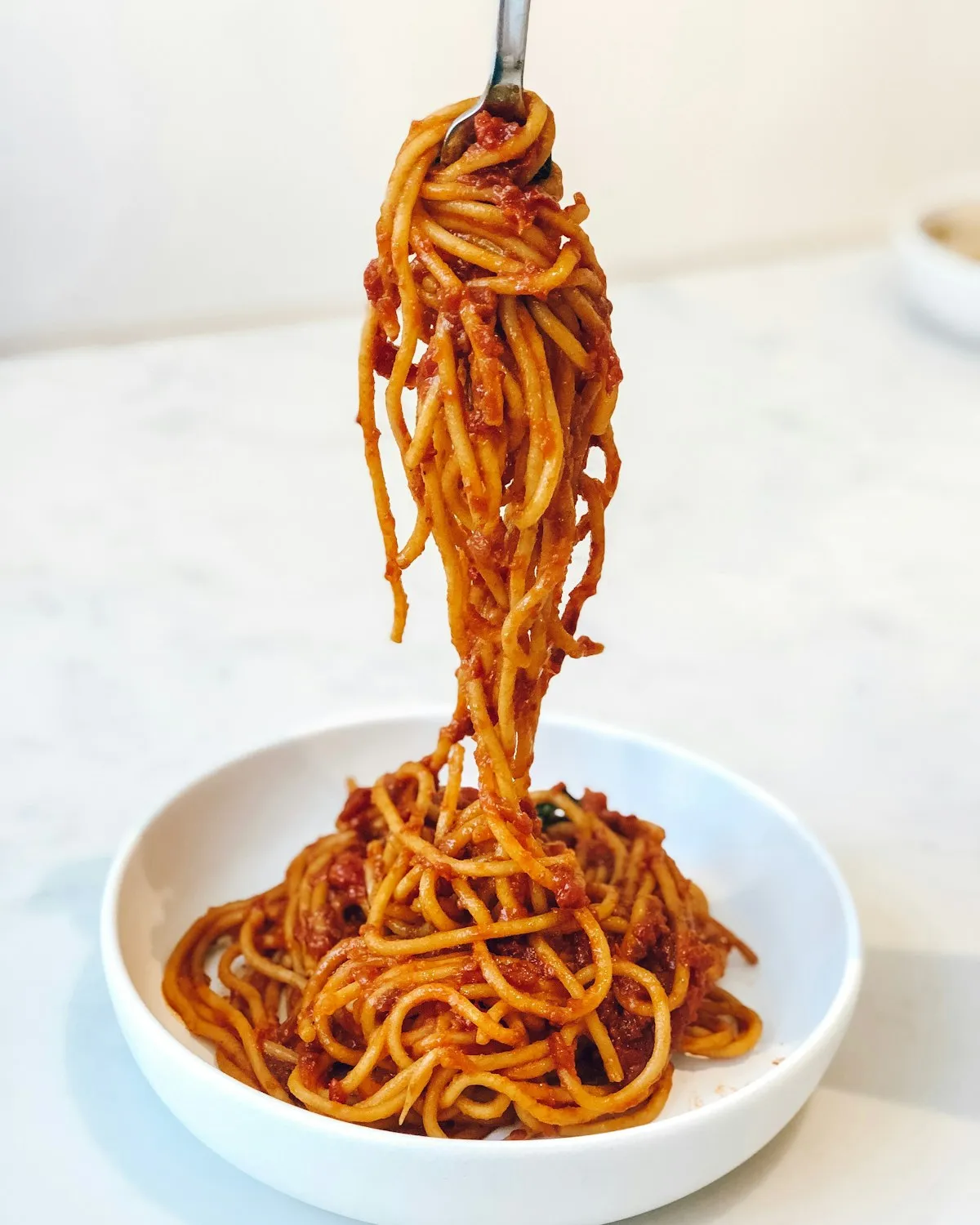
Always prioritize oil-packed sun-dried tomatoes over the dry-shriveled ones in a pouch. The oil in that jar isn't just a preservative; it’s a concentrated infusion of tomato essence. Use that oil to sauté your garlic. This is where you build your first layer of flavor. As the garlic softens, the tomato-infused fat carries those aromatics deep into the heart of the sauce. Avoid burning the garlic at all costs; if it turns dark brown, it turns bitter, and there is no amount of cream in the world that can save you from that acrid aftertaste.
Manage your heat with precision. When you’re ready to add the dairy, turn the burner down to medium-low. High heat is the enemy of a smooth cream sauce. If the liquid boils too vigorously, the proteins in the cream can clump together, leading to a grainy texture. Slow and steady is the move here. Pour the cream in a thin stream, stirring constantly to incorporate it into the tomato base. You want to see that beautiful marbling effect as the white cream meets the deep red tomato oil.
Don't forget the acid-fat balance. A rich, heavy sauce can sometimes feel a bit "one-note" or heavy on the palate. To cut through that richness, we rely on the natural acidity of the tomatoes. If your sauce still feels a bit flat after seasoning, add a tiny squeeze of fresh lemon juice right at the end. This brightness "wakes up" the other flavors without making the dish taste sour. It’s the finishing touch that separates a good home cook from a great one.
Lastly, respect the spinach. Spinach is mostly water, and if you cook it for too long, it turns into a sad, grey mush. Add your greens at the very last second. The residual heat from the pasta and the sauce is more than enough to wilt the leaves while keeping them a vibrant, appetizing green. This keeps the texture of your simple creamy sun-dried tomato pasta with spinach fresh and balanced.
Flavor Variations and Swaps
One of the reasons I love simple pasta recipes is their versatility. While the base of cream, tomatoes, and spinach is classic, you can easily pivot based on what’s in your fridge. If you want a smoky depth, try adding some diced pancetta or bacon. Render the fat from the meat first, then use that smoky grease instead of the tomato oil to start your sauce.
For a protein boost, sliced grilled chicken or seared shrimp are excellent additions. If you’re keeping things healthy and plant-based, consider swapping the heavy cream for a full-fat coconut milk or a cashew cream. Just keep in mind that these swaps will slightly alter the flavor profile, adding a hint of nuttiness that actually pairs quite well with the tang of sun-dried tomatoes.
If you don't have spinach on hand, don't panic. You can substitute it with baby kale or arugula. Baby kale requires an extra minute or two of simmering to soften the fibers, while arugula adds a peppery bite that contrasts beautifully with the sweet tomatoes. If you want some heat, a generous pinch of red pepper flakes added during the garlic sauté will infuse the entire dish with a gentle, warming glow.
Perfect Side Dish Pairings
Since this pasta is rich and savory, you want side dishes that offer a contrasting crunch or a hit of acidity. A simple arugula salad with a lemon-tahini dressing is my go-to. The bitterness of the greens and the sharpness of the lemon help reset your taste buds between bites of the creamy pasta.
If you're looking for more quick meals ideas to serve alongside, a plate of roasted broccoli with toasted almond slivers provides a great textural contrast. The charred edges of the broccoli mimic the concentrated umami of the sun-dried tomatoes. And, of course, no pasta dinner is complete without a piece of crusty bread. A toasted sourdough or a quick garlic baguette is essential for mopping up every last drop of that sauce. You don't want any of that liquid gold going to waste!
Common Questions and Troubleshooting
Why did my sauce separate and look oily?
This usually happens for two reasons: the heat was too high, or you didn't use enough pasta water. If the sauce breaks, remove the pan from the heat immediately. Add a tablespoon of hot pasta water and whisk vigorously. The starch in the water helps pull the fats and liquids back together. It’s like a magic eraser for culinary mistakes.
Can I use fresh tomatoes instead of sun-dried?
You can, but the flavor won't be the same. Sun-dried tomatoes are essentially flavor bombs; the drying process concentrates their sugars and acidity. If you use fresh tomatoes, you’ll end up with a much thinner, more watery sauce. If you must use fresh, roast them in the oven first with some olive oil and salt until they burst and shrivel slightly to mimic that concentrated taste.
How do I reheat leftovers without the pasta getting mushy?
Cream-based pastas can be tricky to reheat. Avoid the microwave if possible; it tends to make the sauce oily. Instead, place the leftovers in a skillet over low heat. Add a splash of milk or water to loosen the sauce back up. Toss it gently until it’s warmed through. This preserves the emulsion and keeps the noodles from becoming overcooked.
Is it okay to use pre-grated Parmesan cheese?
Check the label on your cheese. Many pre-grated versions contain anti-clumping agents like cellulose, which prevent the cheese from melting smoothly into the sauce. This can result in a grainy or "sandy" texture. For the best results, buy a wedge of Parmesan and grate it yourself using a microplane. It takes thirty seconds and makes a massive difference in the quality of your sauce.
What if I don't have heavy cream?
You can use half-and-half, but the sauce won't be quite as thick or stable. If you’re using a lower-fat dairy, be even more careful with the heat, as lower-fat liquids are more prone to curdling. You can also whisk a teaspoon of flour into the aromatics before adding the liquid to help thicken things up if you aren't using heavy cream.
My spinach turned very dark and stringy. What happened?
You likely added it too early. Spinach only needs about 30 to 60 seconds of heat to wilt. If you boil it in the sauce for several minutes, it loses its structure and bright color. Next time, wait until you’ve already tossed the pasta in the sauce before folding in the greens.
{“@type”:”BlogPosting”,”image”:[“https://cdn.marblism.com/lNmu2erMu56.webp”,”https://cdn.marblism.com/f_vU2e_TbnV.webp”,”https://cdn.marblism.com/bqByuZOqbMc.webp”,”https://cdn.marblism.com/AHvupxGc0Du.webp”],”author”:{“url”:”https://cookpedia.com”,”name”:”Cookpedia”,”@type”:”Organization”},”@context”:”https://schema.org”,”headline”:”Simple Creamy Sun-Dried Tomato Pasta”,”publisher”:{“logo”:{“url”:”https://cookpedia.com/logo.png”,”@type”:”ImageObject”},”name”:”Cookpedia”,”@type”:”Organization”},”mainEntity”:[{“name”:”Why did my sauce separate and look oily?”,”@type”:”Question”,”acceptedAnswer”:{“text”:”This usually happens because the heat was too high or there wasn’t enough pasta water. Add a tablespoon of hot pasta water and whisk vigorously off the heat to fix the emulsion.”,”@type”:”Answer”}},{“name”:”Can I use fresh tomatoes instead of sun-dried?”,”@type”:”Question”,”acceptedAnswer”:{“text”:”Sun-dried tomatoes offer a concentrated flavor that fresh tomatoes lack. If using fresh, roast them first to reduce moisture and intensify their taste.”,”@type”:”Answer”}}],”description”:”Learn the science behind making a simple creamy sun-dried tomato pasta with spinach. Master the art of emulsification for a restaurant-quality sauce at home.”,”datePublished”:”2026-07-08″,”mainEntityOfPage”:{“@id”:”https://cookpedia.com/simple-creamy-sun-dried-tomato-pasta”,”@type”:”WebPage”}}