Recipe
Servings
Servings 1×
Ingredients
- Chicken
- Shrimp
- Black beans
- Beans
- Rice
- Asparagus
- Green beans
- Mushrooms
- Greens
- Corn
- Cucumber
- Onion
- Lemon
- Lime
- Cream
- Butter
- Cooking oil
- Black pepper
Method
- Let’s talk about the most important part of this whole operation: the sear.
- Use a heavy-bottomed pot, think cast iron or Dutch oven, and get it hot.
- Pat your chicken dry before it hits the pan.
- Toss it into the hot oil with the vegetables for about 30 to 60 seconds.
- Stir it around for a minute or two until the edges look translucent.
- Use a 1:2 ratio of rice to liquid as a baseline, but remember that your vegetables and chicken will release juices too.
You know those nights when you stare into the fridge, and the fridge stares back with a judgment that feels personal? We’ve all been there. You want something that tastes like it took three hours of intensive labor but actually requires the cleaning effort of a single pot. That is where the magic of Cajun cooking meets the sheer efficiency of one pot meals. This Cajun Chicken and Rice is my go-to when I want a flavor explosion without the mountain of dishes. We’re talking bold spices, juicy chicken, and rice that has soaked up every ounce of savory goodness.
The Science of Searing and the Maillard Magic
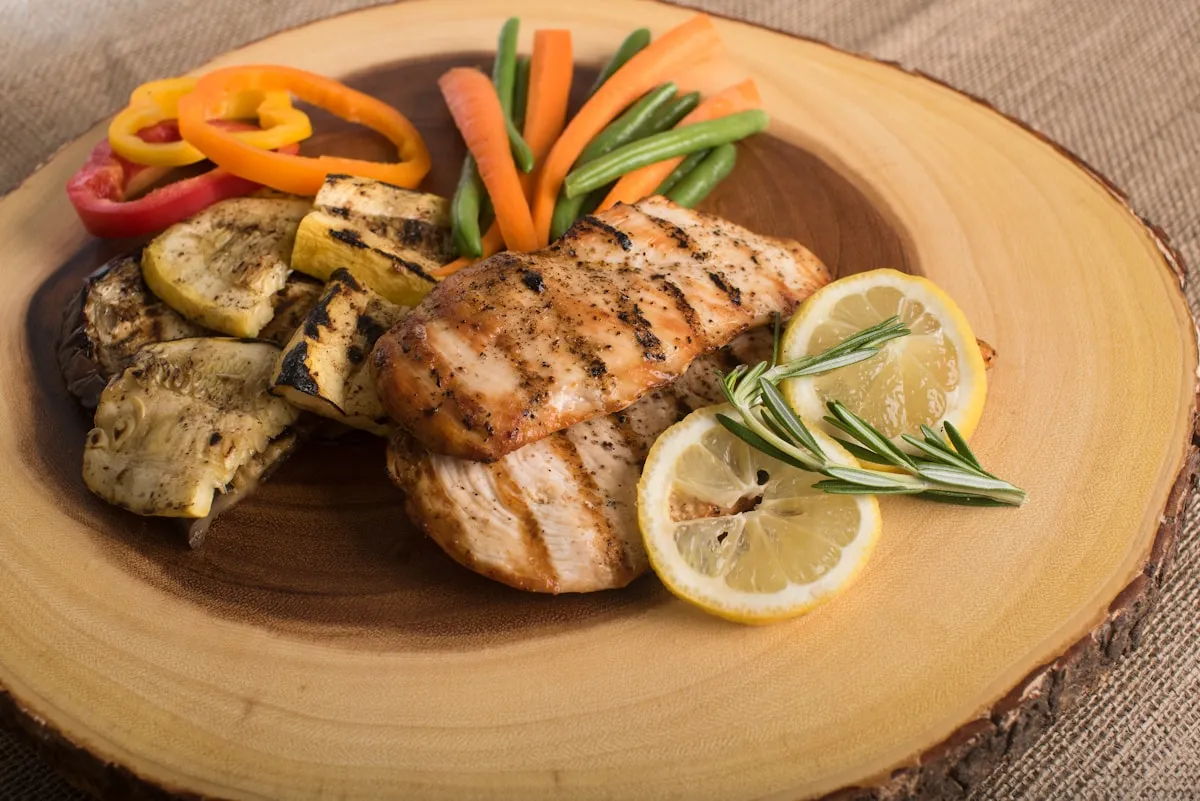
Let’s talk about the most important part of this whole operation: the sear. If you throw raw chicken into a pot of water and rice, you’ll end up with something edible, but you’ll be missing out on a world of flavor. Use a heavy-bottomed pot, think cast iron or Dutch oven, and get it hot. Pat your chicken dry before it hits the pan. If the surface is wet, it will steam rather than sear, and steam is the enemy of a good crust.
When the meat hits that hot oil, a chemical reaction called the Maillard reaction occurs. This is the magic between amino acids and reducing sugars that creates hundreds of different flavor compounds. You aren't just "browning" the meat; you are creating a complex, savory profile that doesn't exist in raw or boiled chicken. Leave the chicken alone for a few minutes; don't poke it or slide it around. Let that crust form.
Once you flip it and get both sides golden, look at the bottom of your pot. See those brown, stuck-on bits? That is "fond," and it is liquid gold. Do not wash it away! That fond is concentrated chicken flavor and toasted spices. When you eventually add your liquid, you’ll deglaze the pan, scraping those bits into the rice. This technique is what elevates easy dinner recipes from "okay" to "I need the recipe right now."
Blooming Spices and the Holy Trinity
In Cajun country, we don't start with just onion. We start with the "Holy Trinity": onion, celery, and green bell pepper. This trio provides the aromatic base for almost every classic dish in the region. Sauté these in the fat leftover from searing your chicken. The vegetables will pick up the color and flavor of the fond while they soften.
Now, here is a pro tip that will change your spice game: bloom your spices. Don't just dump your Cajun seasoning into the liquid at the end. Toss it into the hot oil with the vegetables for about 30 to 60 seconds. Many of the flavor compounds in spices like paprika, cayenne, and thyme are fat-soluble. By heating them in oil, you unlock those flavors and help them distribute evenly throughout the entire pot. If you just boil them, they often taste "dusty" or flat. Bloom them until they smell so good your neighbors start knocking on your door.
Check your heat during this stage. Spices can burn quickly, especially paprika. If things look too dark or start to smell sharp, move fast and splash in a little stock to cool the pan down. Managing heat is a non-negotiable skill for any home cook looking to master high-impact flavors.
Rice Physics: Toasting and Absorption
Rice isn't just a filler; it’s the star of the show. To get grains that are distinct and flavorful rather than a clumpy, mushy mess, you need to understand the physics of the grain. First, rinse your rice. Swish it in cold water until the water runs clear. This removes excess surface starch, which is the primary cause of "gluey" rice.
Once your spices are bloomed and your veggies are soft, add the drained rice to the pot. Stir it around for a minute or two until the edges look translucent. This is called "toasting" the rice. It does two things: it adds a nutty depth of flavor and creates a slight barrier on the outside of each grain, helping them stay separate during the long simmer.
The absorption method is a game of precision. Use a 1:2 ratio of rice to liquid as a baseline, but remember that your vegetables and chicken will release juices too. Bring the liquid to a full boil, give it one good stir to make sure nothing is sticking to the bottom, then turn the heat to the lowest setting and put the lid on.
Avoid the temptation to peek! Every time you lift that lid, you lose the steam and pressure required to cook the grains evenly. You also drop the temperature, which messes with the timing. Set a timer, walk away, and let the steam do the heavy lifting. If you are a fan of one-pot wonders, you might also enjoy my Spicy Tomato Basil One-Pot Linguine for a different take on the "single dish" lifestyle.
Flavor Variations for Every Palate
One of the reasons I love one pot meals is how adaptable they are. If you want to lean into the smoky side of things, add some sliced Andouille sausage or kielbasa right at the beginning with the chicken. The rendered fat from the sausage adds an incredible depth to the rice. If you prefer a lighter profile, swap the chicken thighs for breasts, but be careful, breasts cook faster and can dry out if left in the pot for the full rice-cooking duration.
For a seafood twist, wait until the rice is almost done. About five minutes before the timer goes off, nestle some raw, peeled shrimp into the top of the rice. Close the lid and let them steam in the residual heat. This ensures they stay tender and snappy instead of turning into rubber erasers.
If you want a vegetarian version, mushrooms are your best friend. Sauté them heavily at the start to get that deep umami flavor, then proceed with the Holy Trinity. You can even stir in some black beans at the end for extra protein and texture. The key to any variation is balance, if you add something rich like sausage, consider a squeeze of lemon at the end to cut through the fat.
Perfect Side Dish Pairings
While this dish is a complete meal on its own, the right side dish can make the flavors pop. Because Cajun seasoning can be heavy and spicy, you want something with acidity or crunch to provide a counterpoint. A crisp, vinegary coleslaw is the ultimate partner. The cold, sharp crunch of the cabbage resets your palate between bites of savory, spicy rice.
If you aren't a fan of slaw, try charred corn on the cob or a simple cucumber salad with plenty of lime juice. Anything with a bright, acidic hit will balance the richness of the chicken fat and the warmth of the spices. If you’re in a real hurry and want to keep the theme of easy dinner recipes going, you can even toss some asparagus or green beans into your air fryer while the rice rests. Speaking of air fryers, check out my Kielbasa and Pierogi Air Fryer Roast for another quick weeknight solution.
One-Pot FAQ: Troubleshooting the Basics
Why is my rice mushy?
Usually, this happens for one of two reasons: too much liquid or too much stirring. Rice is delicate once it starts absorbing water. If you stir it constantly, you break the grains and release starch into the liquid, creating a porridge-like texture. Rinse your rice well and leave the lid on!
How do I stop the bottom from burning?
A little bit of a "crust" on the bottom (sometimes called socarrat) is actually considered a delicacy in some cultures, but actual burning is no fun. Make sure your heat is at the absolute lowest setting once you cover the pot. If your stove runs hot, use a heat diffuser or move the pot to a smaller burner.
Can I use brown rice?
Yes, but you’ll need to adjust the liquid and the timing. Brown rice takes significantly longer (usually 40–50 minutes) and requires more liquid. If you use brown rice, I recommend adding the chicken halfway through the cooking time so it doesn't overcook while the rice is still tough.
What if it's too spicy?
If you accidentally went overboard with the cayenne, don't panic. Fat and acid are your fixers. Stir in a little bit of butter or a splash of heavy cream to coat the spice receptors on your tongue. A generous squeeze of lemon or lime can also distract the palate from the heat.
Do I have to use chicken thighs?
You don't have to, but they are much more forgiving. Thighs stay juicy even if the rice takes a few extra minutes. If you use breasts, I suggest searing them, removing them from the pot, and only adding them back on top of the rice for the final 8–10 minutes of steaming. This prevents them from turning into dry, stringy planks.
{“@type”:”BlogPosting”,”image”:”https://cdn.marblism.com/OLbHXG44qcf.webp”,”author”:{“name”:”Penny”,”@type”:”Person”},”@context”:”https://schema.org”,”headline”:”One-Pot Cajun Chicken & Rice”,”publisher”:{“logo”:{“url”:”https://cookpedia.com/logo.png”,”@type”:”ImageObject”},”name”:”Cookpedia”,”@type”:”Organization”},”articleBody”:”You know those nights when you stare into the fridge, and the fridge stares back with a judgment that feels personal? We’ve all been there. You want something that tastes like it took three hours of intensive labor but actually requires the cleaning effort of a single pot. That is where the magic of Cajun cooking meets the sheer efficiency of one pot meals. This Cajun Chicken and Rice is my go-to when I want a flavor explosion without the mountain of dishes. We’re talking bold spices, juicy chicken, and rice that has soaked up every ounce of savory goodness…”,”description”:”Master the art of one-pot Cajun chicken and rice with these professional tips on the Maillard reaction, blooming spices, and the science of rice absorption.”,”datePublished”:”2026-05-22″,”mainEntityOfPage”:{“@id”:”https://cookpedia.com/one-pot-cajun-chicken-rice”,”@type”:”WebPage”}}