Recipe
Servings
Servings 1×
Ingredients
- Chicken
- Quinoa
- Pasta
- Rice
- Broccoli
- Onion
- Lemon
- Cheddar
- Cooking oil
- Black pepper
Method
- Start by browning your chicken.
- Use a high-smoke-point oil and get that pan hot.
- Cover the pan with a tight-fitting lid to create a steam chamber.
- Stir in a tablespoon of fresh lemon juice and some lemon zest right before serving.
- Keep in mind that brown rice requires significantly more liquid (usually an extra half cup) and a longer simmer time (about 40–45 minutes).
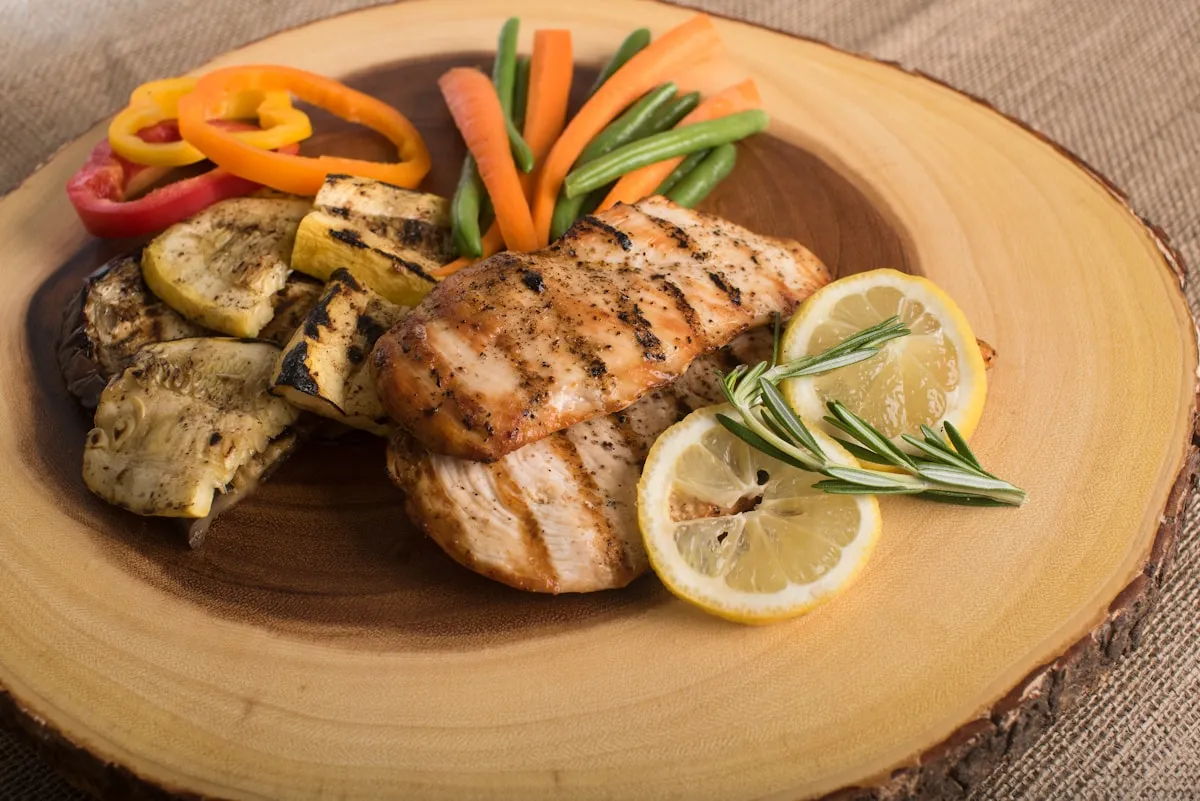
If you have ever stared at a sink full of dirty dishes and felt a piece of your soul slowly wither away, this post is for you. We have all been there, the "three-pot pasta" or the "four-pan roast" that leaves your kitchen looking like a culinary crime scene. My blog is dedicated to the philosophy that high-quality food doesn't require high-effort cleanup. Enter the holy grail of efficiency: the one-pot meal. This Cheesy Chicken and Broccoli Rice is the ultimate solution for those nights when you want the comfort of a home-cooked meal without the physical exhaustion of a deep-clean afterward. It is a complete, balanced dinner that hits all the notes: savory protein, crisp-tender greens, and rice so creamy it feels like a hug in a bowl.
The Science of the Skillet: Tips & Techniques
Creating a perfect one-pot meal isn't just about throwing everything into a pan and hoping for the best. It’s about managing moisture, heat, and timing to ensure every ingredient reaches its peak at the exact same moment. If you’ve ever ended up with crunchy rice and rubbery chicken, or mushy rice and raw broccoli, you know the struggle is real.
Master the Maillard Reaction
Start by browning your chicken. This isn't just about color; it’s about the Maillard reaction, a chemical reaction between amino acids and reducing sugars that gives browned food its distinctive flavor. Use a high-smoke-point oil and get that pan hot. Searing the chicken for about 5 minutes creates a "fond" (those delicious brown bits) on the bottom of the pan. This fond is flavor gold. When you eventually add your liquid, you’ll deglaze the pan, incorporating all that concentrated chicken essence directly into the rice. Avoid overcrowding the pan; if you add too much chicken at once, the temperature drops, and the meat will steam in its own juices rather than sear.
The Secret of Toasted Grains
Before you pour in the broth, sauté your dry rice in the leftover fat from the chicken. This technique is similar to making risotto. Toasting the rice for two to three minutes coats each grain in fat and creates a slight nutty aroma. Scientifically, this process helps the rice maintain its structural integrity. It prevents the grains from blowing out and becoming a soggy mass. You want distinct, tender grains that are suspended in a creamy sauce, not a bowl of porridge. Check that the rice looks slightly translucent around the edges before adding any liquid.
Manage the Steam and the Snap
The biggest mistake people make with broccoli is adding it too early. Broccoli contains sulfur compounds that, when overcooked, turn from bright and peppery to gray and unpleasantly pungent. Its cell walls are delicate. To keep that vibrant green color and a satisfying "snap," add the broccoli florets only during the last five to seven minutes of cooking. Cover the pan with a tight-fitting lid to create a steam chamber. This allows the broccoli to cook through using the residual heat and steam from the bubbling rice, preserving its nutrients and texture.
Emulsify Your Cheese Sauce
When it’s time to add the cheese, take the pan off the heat. If you boil the cheese, the proteins will tighten and separate from the fat, resulting in a grainy, oily mess. By stirring the cheese into the hot rice off the burner, you allow it to emulsify gently. The starches released from the rice during the cooking process act as a natural thickener, binding with the melting cheese to create a luxurious, velvet-like coating that clings to every grain.
Clever Variations for Every Cravings
Once you master the base technique, you can treat this recipe as a canvas. While this is one of my favorite quick family meals, you can easily pivot the flavor profile to keep things interesting.
The Acid Kick
If the richness of the cheese feels a bit heavy, introduce acidity. Stir in a tablespoon of fresh lemon juice and some lemon zest right before serving. The citric acid cuts through the fat of the cheese and highlights the natural sweetness of the broccoli. It transforms a heavy winter meal into something that feels surprisingly light and bright.
The Heat Seeker
For those who prefer a bit of a punch, add some crushed red pepper flakes or a diced jalapeño during the onion-sautéing phase. The heat infuses into the oil and spreads evenly throughout the rice. This version pairs exceptionally well with a sharp, aged cheddar which can stand up to the spice.
The Grain Swap
If you are looking for healthy dinner ideas, you can substitute white rice for brown rice or even quinoa. Keep in mind that brown rice requires significantly more liquid (usually an extra half cup) and a longer simmer time (about 40–45 minutes). If you go this route, wait even longer to add your chicken back into the pan so it doesn't overcook while the rice is doing its thing.
Side Dish Pairings: Balance is Key
Even though this is a complete meal, the right side dish can elevate the entire dining experience. Since the main dish is creamy and savory, you want sides that provide contrast in texture and flavor.
Acidity and Crunch
A bright, acidic salad is the perfect partner. Think of a simple cucumber and red onion salad tossed in a sharp vinaigrette. The cold, crisp cucumbers provide a refreshing break from the warm, soft rice. The vinegar acts as a palate cleanser, making every bite of the cheesy chicken taste as good as the first.
Bitter Greens
If you want something a bit more sophisticated, a radicchio or arugula salad with a honey-mustard dressing works wonders. The slight bitterness of these greens balances the richness of the cheddar. Avoid heavy, creamy dressings; you already have plenty of creaminess in the skillet. Keep it light, zesty, and crunchy.
Frequently Asked Questions
Why did my rice turn out mushy?
Mushy rice is usually the result of one of two things: too much liquid or too much stirring. Unlike risotto, one-pot rice dishes should not be stirred constantly. Stirring releases excess starch into the liquid, which creates a gluey texture. Once you’ve added your broth and brought it to a simmer, put the lid on and leave it alone. Also, ensure you are measuring your liquid accurately; even a quarter-cup too much can turn a fluffy meal into mush.
Can I use frozen broccoli instead of fresh?
Yes, you can, but use caution. Frozen broccoli is often blanched before freezing, meaning it’s partially cooked. It also releases more water as it thaws. If you use frozen florets, do not add them until the very last three minutes of cooking. If you add them at the same time as fresh broccoli, they will likely disintegrate into the rice.
My chicken is dry; what happened?
You likely overcooked it during the initial browning phase or cut the pieces too small. Remember, the goal of the first step is to develop flavor on the outside, not to cook the chicken through. The chicken will finish cooking while it simmers with the rice. Aim for one-inch chunks; anything smaller will dry out before the rice is tender.
What if I don't have a lid that fits my pan?
A tight seal is non-negotiable for rice. If steam escapes, the rice on top will stay hard while the bottom burns. If you don't have a matching lid, use a large piece of aluminum foil and crimp it tightly around the edges of the pan. This creates an effective seal to trap the moisture needed to hydrate the grains.
How do I prevent the rice from burning on the bottom?
Temperature control is everything. Once you add the liquid and bring it to a boil, immediately turn the heat down to the lowest possible setting. You want a very gentle simmer, not a rolling boil. If your stove runs hot, use a heat diffuser or move the pan to a smaller burner. A heavy-bottomed skillet or a cast-iron pan will also help distribute heat more evenly, preventing "hot spots" that cause scorching.
For more inspiration on streamlining your kitchen time, check out our other one pot meals and discover how simple home cooking can truly be. Whether you are looking for air fryer recipes dinner ideas or classic stovetop saves, the key is always in the technique.