Recipe
Servings
Servings 1×
Cook 7 min
Ingredients
- Chicken
- Shrimp
- Steak
- Rice
- Greek yogurt
- Tortillas
- Zucchini
- Mushrooms
- Avocado
- Onion
- Lime
- Cream
- Cooking oil
- Chili seasoning
- Black pepper
Method
- Use a large rimmed baking sheet and make sure every piece of chicken and pepper has its own "personal bubble." If you’re cooking for a crowd and can’t fit it all on one pan, use two.
- Use a sharp knife and slice everything, chicken, peppers, and onions, into uniform strips.
- Use a high-smoke-point oil like avocado or grapeseed oil; olive oil works at 425°F, but extra virgin olive oil might start to smoke and develop a bitter flavor.
- Toss a sliced jalapeño (seeds in for heat, seeds out for flavor) onto the pan.
Dinner time at my house is often a cross between a high-stakes negotiation and a frantic sprint. If you’ve ever found yourself staring at the fridge at 5:30 PM with nothing but a pack of chicken and a dream, you know exactly what I mean. Sheet pan meals are the unsung heroes of the kitchen, and these fajitas are the absolute gold standard for easy dinner recipes. They’re fast, they’re soulful, and they require exactly one pan to clean. No more hovering over a smoking skillet while your smoke alarm serenades the neighborhood.
The Science of the Sizzle: Heat and Space
If you want restaurant-quality results at home, you have to respect the physics of your oven. Most people fail at sheet pan cooking because they treat their oven like a slow cooker. If you set your temperature to 350°F, you aren't roasting; you’re just making your chicken sad and gray. To get that iconic char, you need a high-heat environment, specifically 425°F or higher. This is where the Maillard reaction comes into play. This chemical reaction between amino acids and reducing sugars is what gives browned food its distinctive, savory flavor. Without enough heat, that reaction never triggers, and you’re left with "boiled" chicken on a tray.
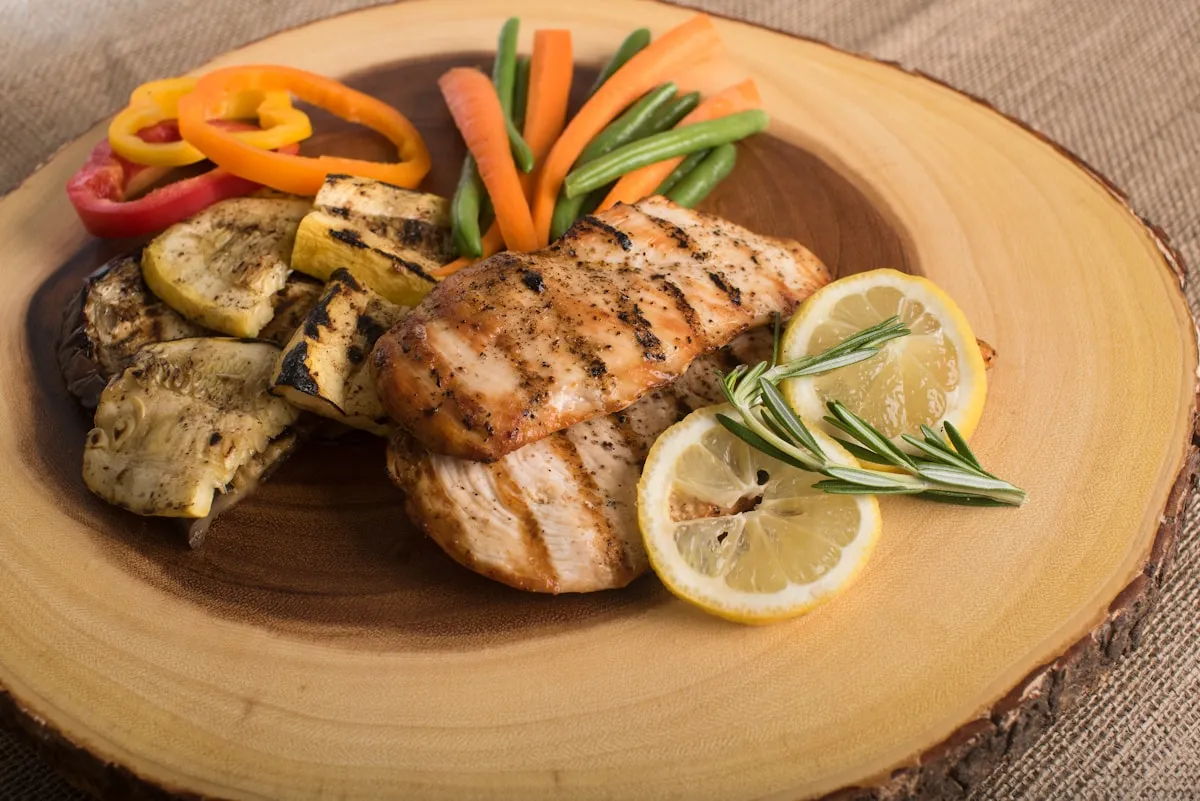
The biggest non-negotiable in my kitchen? Do not crowd the pan. It is tempting to pile everything onto one sheet to save space, but this is a recipe for disaster. When ingredients are packed too tightly, the moisture they release has nowhere to go. It stays trapped under the food, creating a steam bath. Roasting requires air circulation. Use a large rimmed baking sheet and make sure every piece of chicken and pepper has its own "personal bubble." If you’re cooking for a crowd and can’t fit it all on one pan, use two. The extra five seconds it takes to wash a second sheet pan is a small price to pay for crispy, caramelized edges.
Slicing technique is your next secret weapon. Use a sharp knife and slice everything, chicken, peppers, and onions, into uniform strips. Why? Consistency. If your chicken strips are an inch thick but your peppers are paper-thin, your peppers will be charcoal by the time the chicken is safe to eat. Aim for roughly half-inch strips across the board. Also, slice your chicken against the grain. This shortens the muscle fibers, ensuring that even if you accidentally overcook the meat by a minute or two, it will still be tender rather than chewy.
Finally, let’s talk about moisture control. Before you toss your chicken in oil and spices, pat it dry with paper towels. Any surface moisture on the meat has to evaporate before browning can begin. By drying the meat first, you’re giving the Maillard reaction a head start. Use a high-smoke-point oil like avocado or grapeseed oil; olive oil works at 425°F, but extra virgin olive oil might start to smoke and develop a bitter flavor.
Flipping the Script: Flavor Variations
While the classic trio of bell peppers and onions is a staple for quick family meals, don't feel like you have to stay in that lane. The beauty of the sheet pan method is its versatility. If you want to lean into healthy dinner ideas, try swapping half of the bell peppers for sliced zucchini or poblano peppers. Poblanos bring a mild, earthy heat that provides much more depth than a standard green bell pepper.
If chicken isn't on the menu tonight, you can easily pivot to steak or shrimp. Just keep in mind that different proteins have different "cook times." Shrimp, for example, only needs about 6–8 minutes in a hot oven. If you're doing shrimp fajitas, roast your vegetables for about 10 minutes first, then pull the pan out, nestle the shrimp among the peppers, and finish it off. For a plant-based version, large portobello mushroom caps sliced into strips make a meaty, savory substitute that stands up beautifully to the high heat of the oven.
For those who love a bit of a kick, don't just rely on chili powder. Toss a sliced jalapeño (seeds in for heat, seeds out for flavor) onto the pan. The roasting process mellows the sharp sting of the pepper and turns it into something sweet and smoky. You can also experiment with the acidity. While lime is the traditional choice, a splash of orange juice in the marinade adds a subtle sweetness that balances the charred, smoky notes of the cumin and paprika.
Balancing the Plate: Side Dish Pairings
A great sheet pan meal is only half the battle; the pairings are what turn a tray of roasted food into a cohesive experience. Fajitas are naturally rich and smoky, so you need acidity and freshness to cut through that weight. I always recommend a massive squeeze of fresh lime right before serving, the heat of the food will wake up the citrus oils, sending an incredible aroma across the table.
If you're looking for something more substantial than just a stack of tortillas, cilantro lime rice is the classic companion. The starch of the rice acts as a neutral base for the bold spices, while the cilantro adds a bright, herbaceous finish. For those following a low-carb lifestyle, a simple avocado and radish salad with a vinegary dressing provides that necessary crunch and fat without the heaviness of grains.
Acidity is non-negotiable here. Whether it's pickled red onions, a sharp salsa verde, or a dollop of Greek yogurt (a great high-protein swap for sour cream), you need something tangy to balance the savory fats of the chicken and oil. Think of it as a see-saw; on one side you have the deep, roasted earthiness of the cumin and charred peppers, and on the other, you need the sharp, bright lift of citrus or vinegar.
FAQ: Troubleshooting Your Sheet Pan
Why are my fajitas watery?
This is almost always due to overcrowding the pan or using frozen vegetables that weren't properly thawed and dried. When vegetables are packed together, they steam instead of roast. This releases water that pools at the bottom of the pan. Make sure your veggies are dry before they go into the oven, and use a larger pan!
Can I use frozen chicken?
Technically yes, but I don't recommend it for this specific method. Frozen chicken releases significantly more moisture as it thaws in the oven, which will ruin your chances of getting a good sear. If you must use frozen, thaw it completely in the fridge and pat it extremely dry before seasoning.
Is this recipe keto-friendly?
Absolutely. Chicken and peppers are naturally low in carbs. To keep it keto, skip the tortillas and serve the mixture over a bed of greens or cauliflower rice. It’s one of those healthy dinner ideas that doesn't feel like "diet food" because the flavor profile is so robust.
Can I make this in an air fryer?
Yes! If you're looking for air fryer recipes dinner style, you can definitely adapt this. Just work in batches. Because air fryers rely on intense convection, they are even more sensitive to overcrowding. Toss your seasoned chicken and veg into the basket at 400°F for about 10–12 minutes, shaking the basket halfway through.
How do I prevent the spices from burning?
If you find your spices are turning bitter, it might be because your oven's "hot spots" are scorching the dry powder. Ensure everything is well-coated in oil. The oil acts as a heat-transfer medium and protects the spices from direct, dry heat.
What’s the best way to reheat leftovers?
Avoid the microwave if you can; it turns the peppers into mush. Instead, throw the leftovers back onto a sheet pan (or in the air fryer) for 5 minutes at 350°F. This will revive the texture of the chicken and keep the peppers from becoming soggy.
Cooking doesn't have to be complicated to be spectacular. When you focus on simple techniques: like proper heat management and giving your ingredients space to breathe: you can turn basic pantry staples into a meal that feels like a celebration. For more inspiration, check out our other quick family meals and master the art of the weeknight dinner.