Recipe
Servings
Servings 1×
Ingredients
- Mushrooms such as cremini or oyster
- Pasta such as fusilli, penne, or rigatoni
- Butter or oil
- Stock
- Cream
- Finely grated Parmesan
- Optional baby spinach, kale, or lemon juice
Method
- Heat a heavy pot with butter or oil and sear the mushrooms in a single layer until glossy and caramelized.
- Add the pasta and stock to the same pot and keep it at a consistent simmer, stirring often.
- Add a small splash of hot stock if the pasta is still hard before the liquid is gone.
- Remove the pot from the heat before folding in the cream and Parmesan so the sauce stays silky.
- Wilt in optional greens during the final minutes and brighten the finished pasta with a little lemon juice.
You've been there: it’s 6 PM, the kitchen looks like a disaster zone, and you still have to put food on the table. Enter the magic of the one-pot method. This One-Pot Creamy Mushroom Pasta is my secret weapon when I want a meal that feels like a restaurant splurge but requires exactly one vessel to clean. It is a superstar among one pot meals, delivering earthy flavors and a velvet-smooth sauce without the fuss of boiling separate pots of water.
The Science of the Sear and Starch
The first non-negotiable rule of a great mushroom pasta is the sear. Do not crowd the mushrooms. Mushrooms are essentially sponges filled with water. If you dump two pounds of them into a cold pan at once, they won’t brown; they’ll steam. You’ll end up with grey, rubbery bits instead of flavor-packed gold. You want the Maillard reaction: that glorious chemical dance where amino acids and sugars react under high heat to create deep, savory umami notes. Use a heavy pot, get your butter or oil shimmering, and add the mushrooms in a single layer. Leave them alone for a few minutes. Resist the urge to be a helicopter cook; let the heat do the work until they are glossy and caramelized.
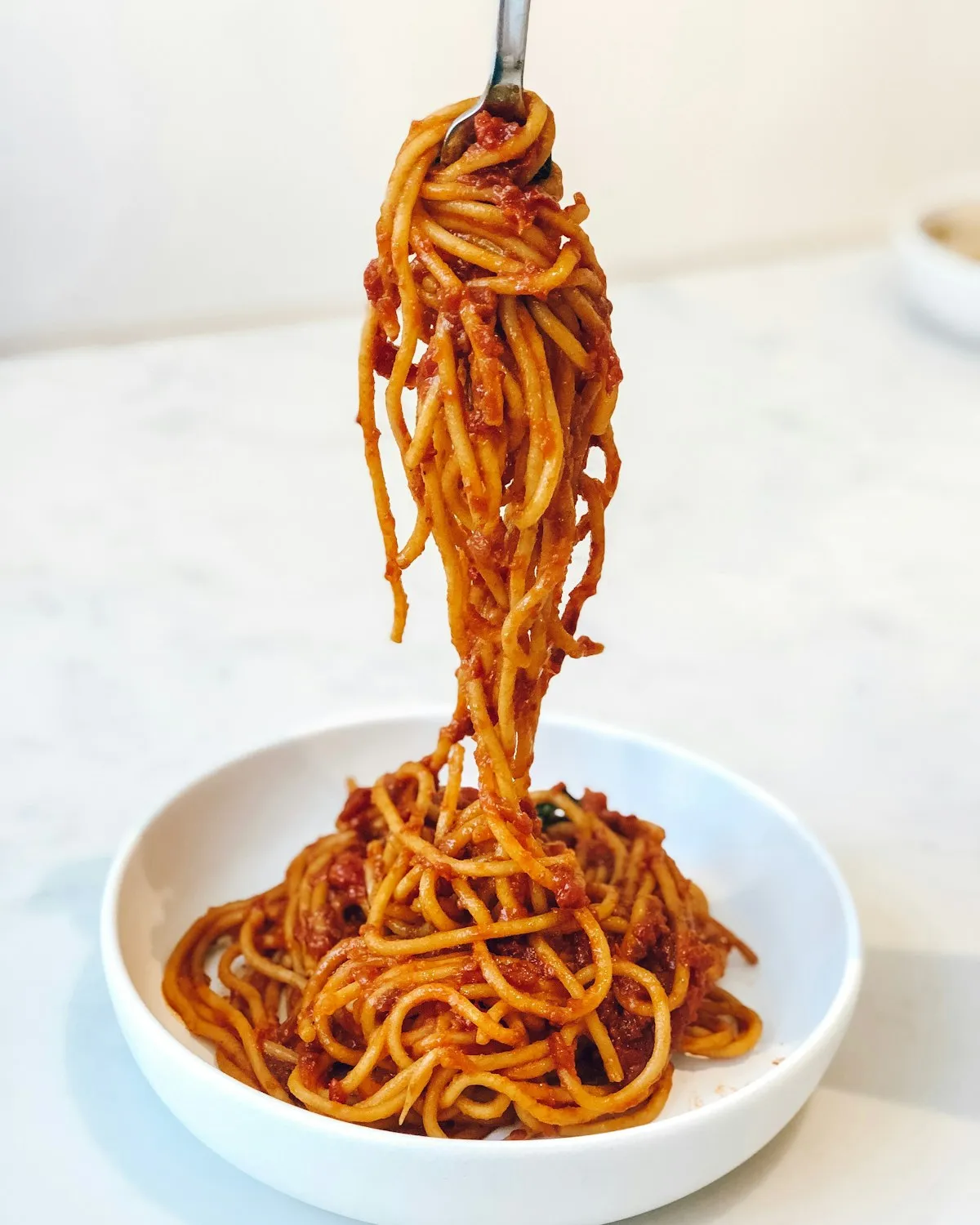
Once your mushrooms are perfected, let’s talk about why this one-pot pasta method actually tastes better than the traditional way. In a standard recipe, you boil noodles in a massive pot of salted water and then dump all that liquid gold down the drain. What a waste! When you cook the pasta directly in the sauce, those starch granules hydrate and shed into the cooking liquid.
This isn't just "wet pasta"; it’s an emulsified masterpiece. The starch acts as a stabilizer, helping the fat from your cream and cheese bond with the stock. This creates a sauce that actually clings to the noodles rather than sliding off to form a watery puddle at the bottom of your bowl. Use a wide, heavy-bottomed pot to ensure the liquid evaporates at a controlled rate, concentrating those starches as the noodles reach al dente perfection.
Maintain a consistent simmer throughout the process. If the liquid isn't bubbling, the pasta won't release its starch properly, and you’ll end up with a gummy mess. Check the pot often and stir. Unlike traditional boiling where you can walk away, one-pot cooking requires your attention to prevent the pasta from sticking to the bottom as the sauce thickens. If it looks too dry before the pasta is tender, add a small splash of hot stock. Adjusting on the fly is part of the craft.
Creative Variations for Every Table
If you want to shake things up, start with the mushroom variety. While cremini are reliable for quick family meals, mixing in oyster mushrooms or even some rehydrated dried porcini can add an incredible depth of flavor. The soaking liquid from the porcini can even be used as part of your cooking broth for an extra hit of earthiness.
For those hunting for healthy dinner ideas, you can easily lighten this dish. Swap the heavy cream for a splash of full-fat coconut milk or even a dollop of Greek yogurt for a tangy twist. If you use yogurt, add it right at the end after removing the pot from the heat to prevent curdling.
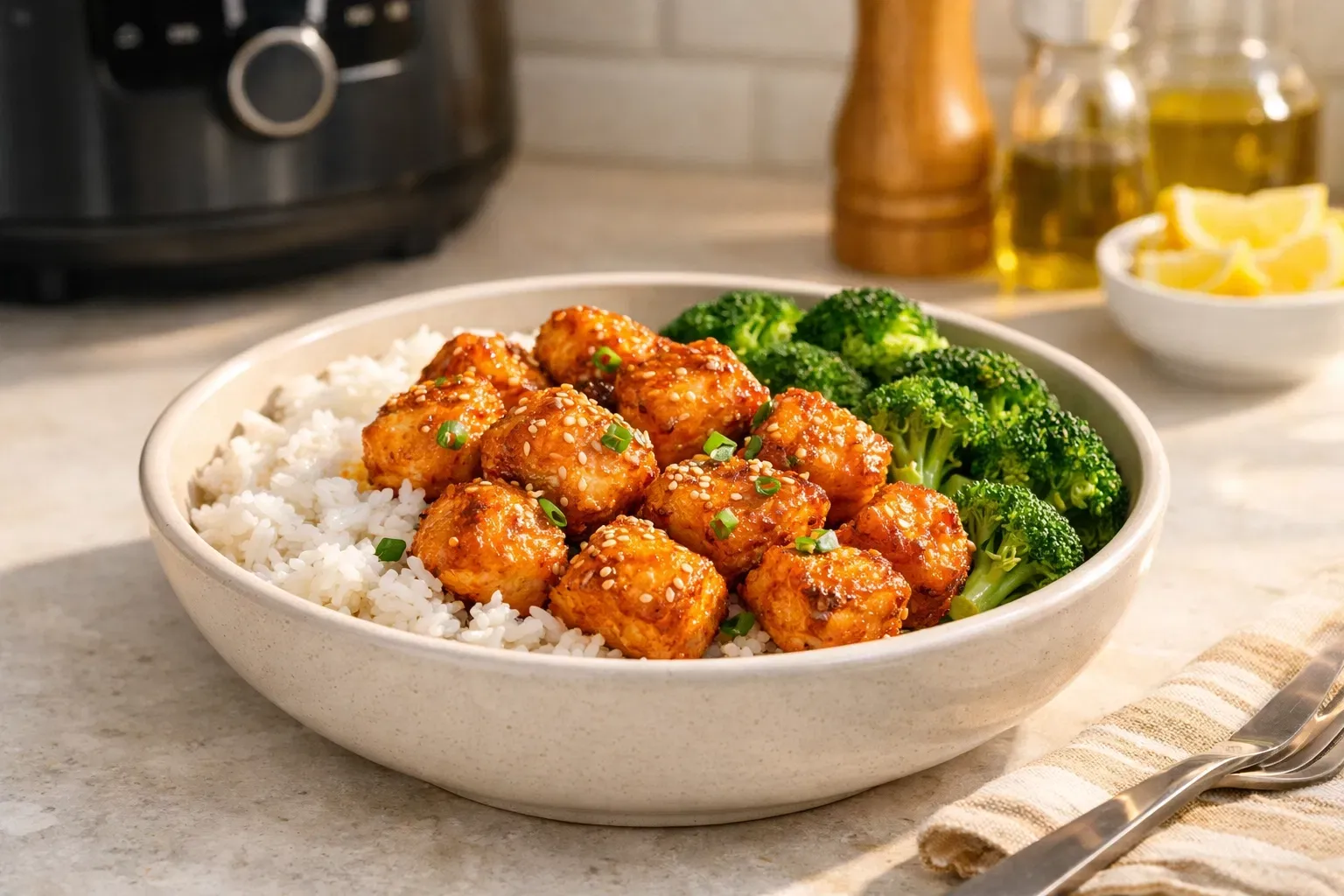
Want to add a pop of color? Toss in a handful of baby spinach or chopped kale during the last two minutes of cooking. The residual heat will wilt the greens perfectly without turning them into mush. If you need a protein boost, sliced grilled chicken or smoked tofu integrates seamlessly. Just remember: whatever you add, keep the balance of salt and acid in mind. A tiny squeeze of lemon juice at the very end can brighten the entire pot and wake up the heavier cream notes.
Perfect Side Dish Pairings
Rich, creamy pasta needs a sharp foil to keep the meal balanced. You want something with high acidity or a bitter edge to cut through the buttery sauce. A simple arugula salad with a sharp lemon and mustard vinaigrette is my top choice. The peppery bite of the greens resets your palate between every forkful of pasta.
Alternatively, lean into roasted vegetables. Broccolini with a heavy dusting of red pepper flakes adds a nice crunch and a bit of heat that complements the earthy mushrooms. If you’re feeling indulgent, a side of crusty garlic bread is never a bad idea, especially for soaking up the starchy sauce left in the pan. Avoid anything too heavy or cream-based on the side; the pasta is already the star of that show.
Frequently Asked Questions
What if my sauce is too thin?
Science says: keep simmering. If your pasta has reached the perfect al dente texture but the sauce still looks like soup, remove the lid and increase the heat slightly. The rapid evaporation will concentrate the starches. If you’re truly in a hurry, stirring in a handful of finely grated Parmesan will help bind the liquid together through further emulsification.
What if the pasta is still hard but the liquid is gone?
Add more liquid, but do it in small increments. Always use hot stock or boiling water. Cold liquid will drop the temperature of the pot instantly, stopping the cooking process and potentially making your pasta gummy.
Why did my cheese clump into a ball?
You likely added the cheese while the liquid was at a rolling boil. High heat causes the proteins in the cheese to tighten and separate from the fat. Always remove the pot from the burner or turn the heat to the lowest setting before folding in your cheese. Stir quickly and constantly. This is a common hurdle with many one pot meals, but once you master the "off-heat stir," you’ll have a silky sauce every time.
Can I use any type of pasta shape?
Short, textured shapes like fusilli, penne, or rigatoni are best for quick family meals. They have more surface area and "nooks" to catch that starchy, creamy sauce. While long noodles like fettuccine work, they require much more frequent stirring to prevent them from tangling into a single giant clump of starch.
Is this really a "healthy" option?
While "creamy" sounds indulgent, you have total control over the ingredients. Mushrooms are nutrient-dense and low in calories, making this one of those healthy dinner ideas that feels like a cheat meal but actually fits into a balanced lifestyle when loaded with veggies and served in sensible portions.
{“@type”:”BlogPosting”,”image”:”https://cdn.marblism.com/wIeq68NHxYK.webp”,”author”:{“name”:”Cookpedia”,”@type”:”Organization”},”@context”:”https://schema.org”,”headline”:”One-Pot Creamy Mushroom Pasta”,”publisher”:{“logo”:{“url”:”https://cdn.marblism.com/KxroJ1kM_KA.webp”,”@type”:”ImageObject”},”name”:”Cookpedia”,”@type”:”Organization”},”description”:”Discover the science behind the perfect one-pot creamy mushroom pasta. Learn how to master mushroom browning and starch emulsification for a quick, healthy dinner.”,”datePublished”:”2026-07-08″,”mainEntityOfPage”:{“@id”:”https://cookpedia.com/one-pot-creamy-mushroom-pasta”,”@type”:”WebPage”}}