Recipe
Servings
Servings 1×
Ingredients
- Chicken
- Chickpeas
- Pasta
- Noodles
- Rolled oats
- Bread
- Cauliflower
- Broccoli
- Asparagus
- Spinach
- Tomatoes
- Garlic
- Lemon
- Coconut milk
- Cream
- Hard cheese
- Cooking oil
- Black pepper
Method
- Use a wide skillet to maximize evaporation.
- Cook the gnocchi only until they float, then give them maybe thirty seconds more.
- Keep the heat at a gentle simmer rather than a violent rolling boil.
- Sautéing Italian sausage or pancetta in the pan before adding your liquids adds a smoky, savory depth that balances the sweetness of the tomatoes.
- Use it as a vessel to swipe up every last drop of that starchy, golden sauce.
There is something inherently soulful about a meal that comes together in a single pot in under twenty minutes. When you are juggling a chaotic schedule, finding quick family meals that don't taste like a compromise is the ultimate win. This one-pot creamy tomato and basil gnocchi is my go-to for those nights when the kitchen feels like a battlefield and the hunger is real. It’s accessible, uses "real food" ingredients, and delivers a level of comfort that usually requires hours of simmering. If you are looking for healthy dinner ideas that satisfy the soul without the sink full of dishes, you have arrived at the right place.
The Science of the Simmer: Starch and Emulsification
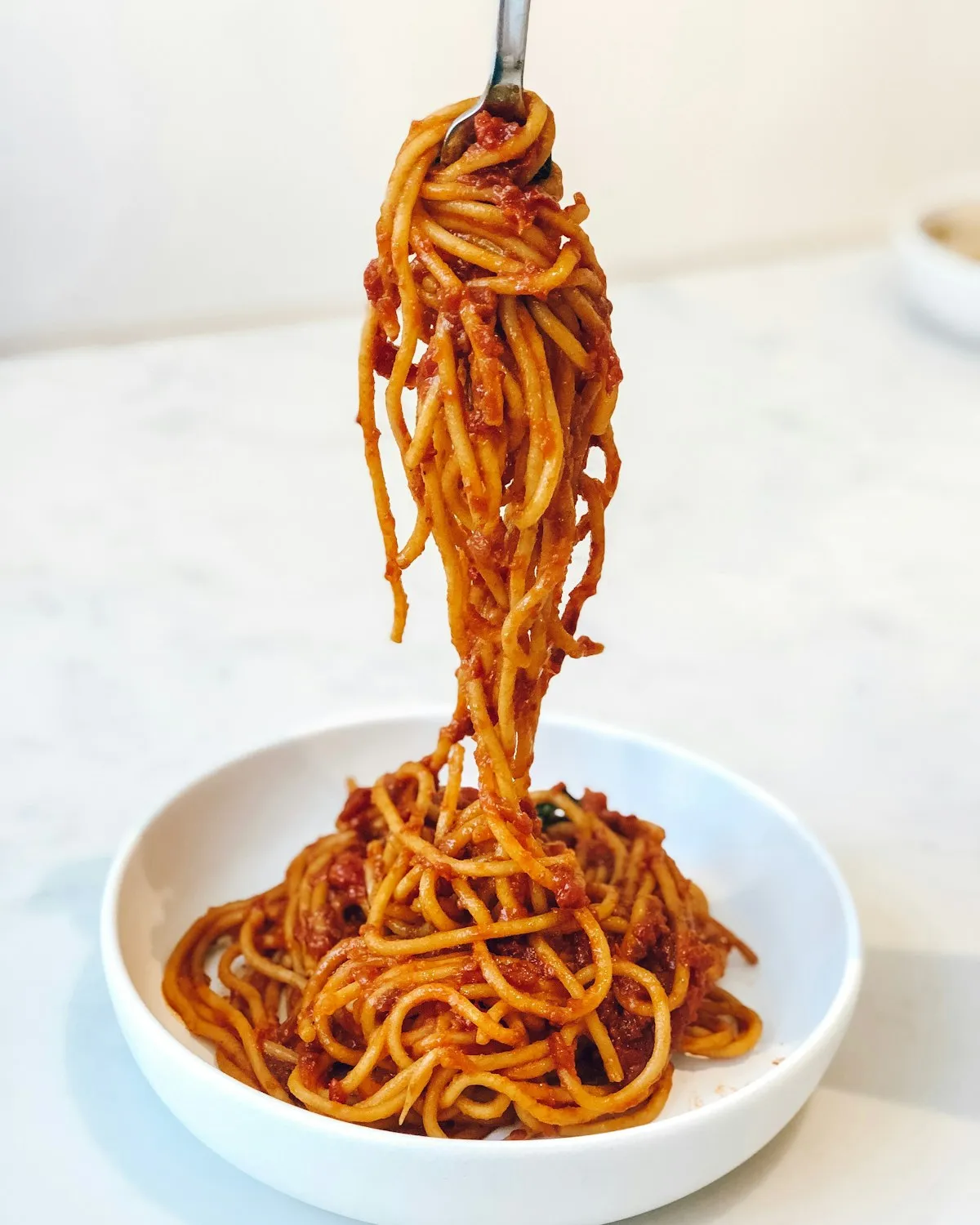
Understanding the "why" behind a recipe transforms you from a follower of instructions into a confident home cook. The magic of this dish lies in the starch. Unlike traditional pasta methods where you boil the noodles in a massive vat of water and toss the liquid away, the one-pot method keeps every molecule of potato starch right where it belongs: in your sauce.
When you heat gnocchi above 140°F (60°C), the starch granules inside the potato and flour undergo a process called gelatinization. They swell up, absorb the surrounding liquid, and eventually burst. In a one-pot scenario, this released starch acts as a natural thickener. It creates a viscous, cloudy base that serves as a bridge between the watery tomato juices and the fats you add later, like heavy cream or parmesan cheese. Without this starch, your sauce might break, leaving you with a greasy layer of oil floating on top of thin tomato water.
Use a wide skillet to maximize evaporation. This concentrates the flavors and ensures the starch-to-liquid ratio is high enough to create that velvety mouthfeel we all crave. Avoid using a deep, narrow pot; the lack of surface area will leave your gnocchi swimming in too much liquid, diluting the very starch you’re trying to harness.
Timing is equally scientific. Cook the gnocchi only until they float, then give them maybe thirty seconds more. Overcooking causes the amylopectin in the starch to degrade completely, which turns your pillowy gnocchi into a gummy, gluey mess. Keep the heat at a gentle simmer rather than a violent rolling boil. A hard boil will knock the gnocchi around too much, causing them to disintegrate and dump an excessive amount of starch into the pan, which can lead to a "pasty" sauce.
Finally, let’s talk about the emulsion. When you stir in your cream and cheese at the end, do it over low heat or even off the heat entirely. The starch-rich liquid acts as a stabilizer, but high heat can still cause dairy to curdle. Stir vigorously. This physical agitation helps the fat droplets disperse evenly throughout the starchy tomato base, resulting in a glossy finish that clings to every ridge of the gnocchi.
Flavor Variations and Kitchen Swaps
While the classic tomato and basil profile is a crowd-pleaser, the beauty of this technique is its versatility. If you want to lean into more robust flavors, consider adding a protein. Sautéing Italian sausage or pancetta in the pan before adding your liquids adds a smoky, savory depth that balances the sweetness of the tomatoes. For a lighter touch, stir in three or four handfuls of baby spinach at the very end; the residual heat will wilt it perfectly without turning it into mush.
If you are following a specific lifestyle, like a plant-based diet, you can still achieve a luscious result. Swap the heavy cream for full-fat coconut milk or a high-quality oat cream. Instead of parmesan, use a tablespoon of nutritional yeast or a squeeze of lemon juice. The acidity of the lemon helps mimic the "tang" of fermented cheese, while the nutritional yeast provides that essential umami backbone.
For those who like a bit of heat, don't be shy with the red pepper flakes. Adding them to the oil at the beginning: a process called "blooming": releases their fat-soluble flavors and ensures the heat is distributed evenly throughout the sauce rather than appearing in random, spicy pockets. You can even experiment with the gnocchi itself. Cauliflower gnocchi or gluten-free chickpea versions work surprisingly well with this one-pot method, though they may release slightly less starch, so you might need to simmer the sauce a minute longer to reach your desired thickness.
Perfect Pairings for a Balanced Plate
Because this dish is rich and carb-forward, you want to pair it with something that offers high acidity or a refreshing crunch. A simple arugula salad with a sharp lemon vinaigrette is my top recommendation. The peppery bite of the arugula cuts right through the creaminess of the tomato sauce, cleansing your palate between every bite of gnocchi.
If you’re feeding a hungry family, garlic bread is a non-negotiable. Use it as a vessel to swipe up every last drop of that starchy, golden sauce. For a more vegetable-centric side, try roasted broccolini or asparagus. The charred, slightly bitter notes of roasted greens provide a sophisticated contrast to the sweet basil and rich dairy.
Interestingly, if you are looking to round out your weekly menu with other air fryer recipes dinner options, you can actually use your air fryer to prep a side of "crispy" chickpeas or even quick-roasted chicken breast to slice and serve on top of the gnocchi. The air fryer provides a textural contrast: crunchy and dry: that pairs beautifully with the soft, saucy nature of the main dish. This combination of a one-pot stovetop main and a hands-off air fryer side is the secret to a high-quality meal with minimal active cooking time.
Frequently Asked Questions (FAQ)
What if my sauce is too thick or "gluey"?
This usually happens if you've used too little liquid or overcooked the gnocchi, causing them to dump too much starch. To fix this, simply add a splash of warm water or vegetable broth, one tablespoon at a time, and stir gently over low heat. The added liquid will loosen the starch bonds and restore the creamy consistency. Never use cold water, as it can shock the emulsion and cause the sauce to separate.
Can I use frozen gnocchi for this one-pot method?
Absolutely. Frozen gnocchi actually hold their shape quite well in a one-pot sauce. You don't even need to thaw them; just add them directly to the simmering liquid. Note that they might take an extra minute or two to float, and they may release slightly more water as they thaw, so keep an eye on your sauce's thickness and let it reduce for an extra thirty seconds if needed.
Why did my cream curdle when I added it to the tomatoes?
Cream curdles when the acid in the tomatoes reacts with the protein in the dairy, especially under high heat. To prevent this, ensure you are using heavy cream (which has a higher fat content and is more stable) rather than milk or half-and-half. Additionally, lower the heat to a minimum before stirring in the dairy. If it does curdle, it’s still safe to eat, though the texture will be slightly grainy rather than smooth.
Can I make this ahead of time for meal prep?
Gnocchi are best enjoyed immediately because the starch continues to absorb liquid as it sits. If you reheat it the next day, the gnocchi may be much softer, and the sauce will likely have vanished into the pasta. If you must meal prep, undercook the gnocchi slightly and store the sauce separately if possible. When reheating, add a splash of water to the pan to bring the sauce back to life.
How do I know when the gnocchi are perfectly cooked?
The "float test" is your best friend. Once the gnocchi rise to the surface of the simmering liquid, they are nearly done. Give them a quick poke; they should feel springy and light, not dense or hard in the center. Because they continue to cook for a moment in the residual heat of the sauce, it is always better to pull them off the heat ten seconds too early than ten seconds too late.
Is it possible to over-stir the pot?
Yes! Gnocchi are delicate potato pillows. If you stir too aggressively or too often, you will physically break the exterior of the gnocchi, leading to a mushy texture and a sauce that is overly thickened by "potato debris." Stir only when necessary to ensure nothing is sticking to the bottom of the pan.
For more simple and effective meal solutions, check out our collection of 30-minute meals or dive into our one-pot pasta category for your next weeknight inspiration. Home cooking doesn't have to be hard; it just has to be smart.
{“@type”:”BlogPosting”,”image”:”https://cdn.marblism.com/A-gNdgTu7ng.webp”,”author”:{“name”:”Penny”,”@type”:”Person”},”faqPage”:{“@type”:”FAQPage”,”@context”:”https://schema.org”,”mainEntity”:[{“name”:”What if my sauce is too thick or ‘gluey’?”,”@type”:”Question”,”acceptedAnswer”:{“text”:”Add a splash of warm water or vegetable broth, one tablespoon at a time, and stir gently over low heat to loosen the starch bonds.”,”@type”:”Answer”}},{“name”:”Can I use frozen gnocchi for this one-pot method?”,”@type”:”Question”,”acceptedAnswer”:{“text”:”Yes, you can add them directly to the simmering liquid without thawing. They may take an extra minute or two to float.”,”@type”:”Answer”}},{“name”:”Why did my cream curdle when I added it to the tomatoes?”,”@type”:”Question”,”acceptedAnswer”:{“text”:”Curdling happens when acid reacts with dairy at high heat. Use heavy cream and lower the heat before stirring it in to prevent this.”,”@type”:”Answer”}}]},”@context”:”https://schema.org”,”headline”:”One-Pot Creamy Tomato and Basil Gnocchi”,”keywords”:”air fryer recipes dinner, quick family meals, healthy dinner ideas, one-pot gnocchi, creamy tomato basil pasta”,”publisher”:{“logo”:{“url”:”https://cookpedia.com/logo.png”,”@type”:”ImageObject”},”name”:”Cookpedia”,”@type”:”Organization”},”description”:”Learn the science behind perfect one-pot creamy tomato and basil gnocchi. Discover tips for starch release, emulsification, and quick family meal variations.”,”datePublished”:”2026-07-11″,”articleSection”:”Recipes”,”mainEntityOfPage”:{“@id”:”https://cookpedia.com/recipe/one-pot-creamy-tomato-basil-gnocchi”,”@type”:”WebPage”}}