Recipe
Servings
Servings 1×
Ingredients
- Pasta
- Noodles
- Lemon
- Hard cheese
- Butter
- Cooking oil
Method
- Finish the pasta in the pan.
- Transfer it directly into your skillet with the lemon and butter base.
- Use the "Splash and Toss" method.
- Add your reserved pasta water a small splash at a time.
- Toss the pasta vigorously.
- Use real lemons, not the stuff in the green plastic bottle.
There is a specific kind of magic that happens when you take three or four humble ingredients and turn them into something that feels like a warm hug from an Italian grandmother. My kitchen is often a chaotic whirlwind of testing new quick family meals, but this simple pasta with lemon and Parmesan is the one I return to when I need maximum soulfulness with minimum effort. It’s bright, it’s zesty, and it’s the ultimate proof that you don’t need a pantry full of exotic spices to create a high-impact flavor profile. If you have twenty minutes and a couple of lemons, you’re already halfway to one of the most satisfying healthy dinner ideas in your repertoire.
The Science of the "Liquid Gold" Emulsion
The secret to a restaurant-quality pasta sauce isn't a secret at all: it’s physics. When you see a sauce that is glossy, clingy, and perfectly smooth, you are looking at a stable oil-in-water emulsion. In this dish, we are essentially marrying the fat (butter and Parmesan) with the liquid (lemon juice and pasta water).
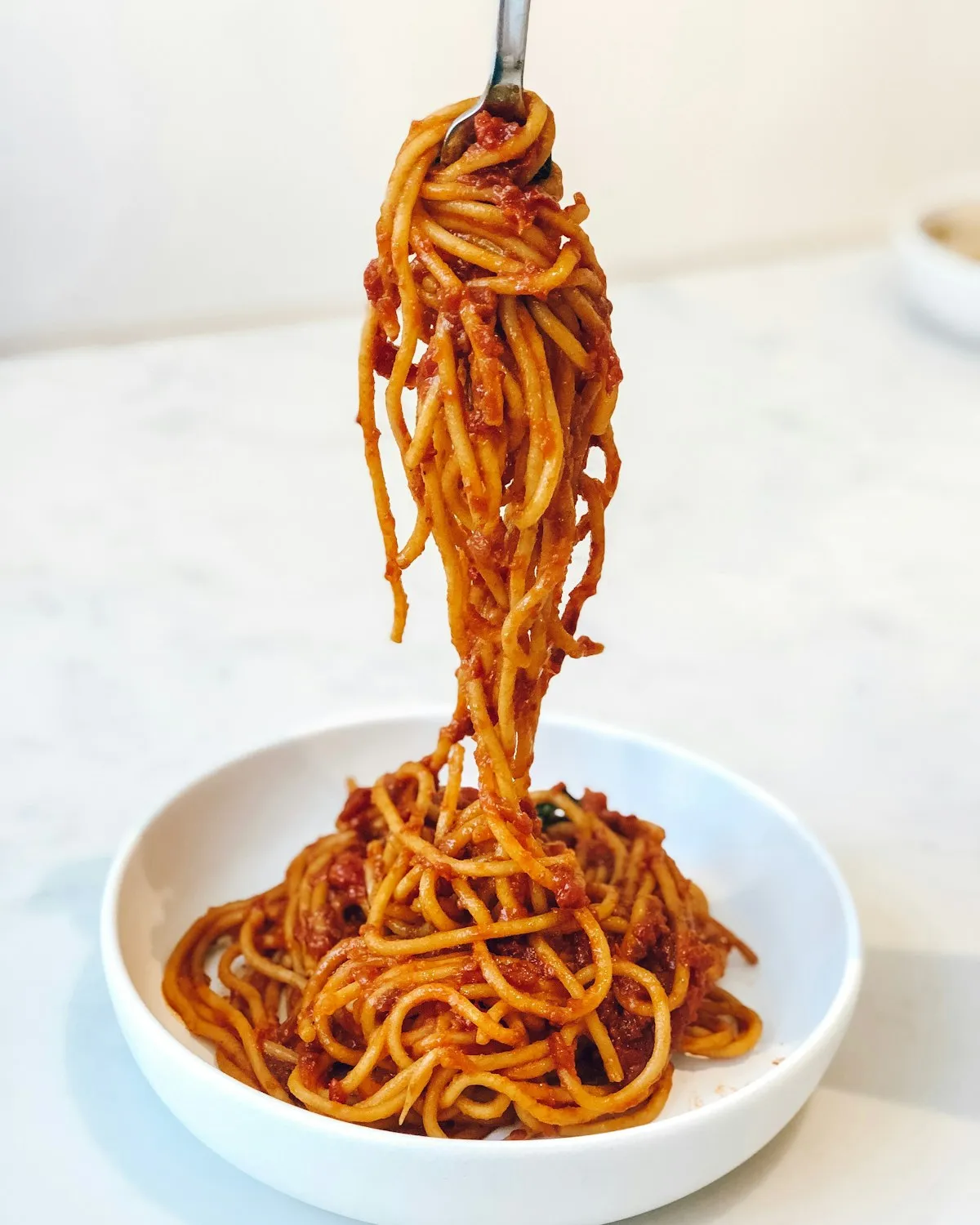
The hero of this story is the starchy pasta water, often referred to by chefs as "liquid gold." When you boil pasta, it releases starch into the water. By using a slightly smaller pot of water than you might think necessary, you concentrate that starch. This starch acts as a natural emulsifier and thickener. It surrounds the fat droplets from your cheese and butter, preventing them from clumping together or separating into a greasy puddle at the bottom of your bowl.
To master this technique, follow these non-negotiables:
1. Finish the pasta in the pan. Never simply dump sauce over a bowl of plain noodles. Instead, pull your pasta out of the boiling water about a minute before it hits the al dente stage. Transfer it directly into your skillet with the lemon and butter base. This allows the pasta to absorb the flavors of the sauce while the surface starches help the sauce bind to every strand.
2. Manage your heat with precision. High heat is the enemy of a smooth cheese sauce. If your pan is screaming hot when you add the Parmesan, the proteins in the cheese will seize and turn into rubbery, grainy clumps. Turn the heat down to low: or even off entirely: before you start incorporating the cheese. The residual heat of the pasta is more than enough to melt finely grated Parmesan into a silky coat.
3. Use the "Splash and Toss" method. Add your reserved pasta water a small splash at a time. Toss the pasta vigorously. As the water evaporates and the starch activates, you’ll see the liquid transform from a thin, watery mess into a thick, glossy lacquer. If it looks too dry, add another splash. If it’s too watery, keep tossing.
4. Freshness is your only flavor source. Because this dish has so few ingredients, there is nowhere for mediocre produce to hide. Use real lemons, not the stuff in the green plastic bottle. The zest contains essential oils that provide a deep, floral aroma that juice alone cannot match. Microplane the zest directly over the pan so those oils land on your pasta rather than your cutting board. Use authentic Parmigiano-Reggiano if you can; pre-shredded cheeses are coated in potato starch to prevent clumping in the bag, but that same starch will ruin the texture of your emulsion.
Variations for Every Mood
While the classic version is a masterpiece of minimalism, this recipe is a fantastic canvas for your own creativity. If you find yourself looking for more healthy dinner ideas, try introducing a handful of baby spinach or frozen peas during the last minute of tossing. The heat from the pasta will wilt the greens perfectly without making them soggy.
For those who crave a bit of heat, a generous pinch of red pepper flakes toasted in the butter before adding the pasta adds a beautiful back-of-the-throat warmth that cuts through the richness of the cheese. If you’re in the mood for something more substantial, seared shrimp or flaked rotisserie chicken make excellent additions.
If you prefer a creamier profile, you can add a tablespoon of heavy cream or mascarpone, but be careful. The acidity of the lemon can cause cream to curdle if the heat is too high. Temper the cream by mixing it with a little warm pasta water before adding it to the pan, and keep the temperature at a gentle simmer. This creates a luxurious, velvety texture that feels incredibly indulgent for such a quick meal.
Mastering the Perfect Side Dish Balance
A rich, buttery pasta dish needs a partner that can provide contrast. Think about acidity and crunch. A simple arugula salad is my go-to choice. The natural peppiness of arugula provides a sharp counterpoint to the creamy Parmesan, while a light lemon vinaigrette echoes the citrus notes in the main dish.
If you want something heartier, roasted vegetables are a great shout. While the pasta is cooking, you can actually utilize other appliances to save time. I often look for air fryer recipes dinner inspiration for my sides. Throwing some trimmed asparagus or broccoli florets into the air fryer with a bit of olive oil and garlic for 8 minutes gives you crispy, charred edges that taste phenomenal alongside the zesty pasta. The char provides a smoky depth that balances the bright lemon beautifully.
Frequently Asked Questions
What if my sauce turns out grainy instead of smooth?
This usually happens because the heat was too high or the cheese was added too quickly. To fix a grainy sauce, remove the pan from the heat immediately. Add a tablespoon of hot pasta water and whisk or toss vigorously. The extra moisture and mechanical action can sometimes "rescue" the emulsion by redistributing the fats. Next time, ensure you use a fine grater and turn the heat to the lowest setting before adding your cheese.
Can I use bottled lemon juice in a pinch?
You can, but I wouldn't recommend it as a first choice. Bottled juice lacks the bright, complex acidity of fresh lemons and, more importantly, you’ll miss out on the zest. The zest is where the true "lemon" flavor lives. If you must use bottled juice, add a little extra black pepper to help wake up the flavors, but try to keep a couple of fresh lemons in your fridge: they stay good for weeks!
How do I prevent the lemon from curdling the sauce?
Curdling happens when the acid in the lemon causes the proteins in dairy to clump together. The starch in your pasta water acts as a stabilizer to prevent this. To be extra safe, always build your butter and pasta water emulsion first, and add the majority of your lemon juice right at the end. This ensures the sauce is already stable before the highest concentration of acid hits it.
Why shouldn't I add oil to my pasta water?
This is a common kitchen myth. Adding oil doesn't stop the pasta from sticking; it just makes the pasta slippery. If your noodles are coated in oil, the sauce will slide right off them and end up in a pool at the bottom of your bowl. To prevent sticking, just use a large enough pot and give the pasta a good stir during the first two minutes of boiling.
Is this a good option for meal prep?
Pasta dishes with emulsified sauces are always best enjoyed immediately. As the pasta cools, it continues to absorb moisture, which can make the sauce thick and gummy. However, if you do have leftovers, reheat them in a pan with a splash of water or milk over low heat. Avoid the microwave if possible, as it tends to break the emulsion and leave you with an oily mess.
{“@type”:”BlogPosting”,”image”:”https://cdn.marblism.com/5QHM3rRcqg4.webp”,”author”:{“name”:”Penny”,”@type”:”Person”},”@context”:”https://schema.org”,”headline”:”Simple Pasta with Lemon and Parmesan”,”keywords”:”air fryer recipes dinner, quick family meals, healthy dinner ideas, lemon pasta technique, pasta water emulsion”,”publisher”:{“logo”:{“url”:”https://cdn.marblism.com/KxroJ1kM_KA.webp”,”@type”:”ImageObject”},”name”:”Cookpedia”,”@type”:”Organization”},”description”:”Learn the science of creating a perfect, glossy lemon and parmesan pasta sauce using the power of starchy pasta water and simple emulsification techniques.”,”datePublished”:”2026-07-10″,”articleSection”:”Cooking Techniques”,”mainEntityOfPage”:{“@id”:”https://cookpedia.com/pasta/lemon-parmesan-pasta”,”@type”:”WebPage”}}