Recipe
Servings
Servings 1×
Ingredients
- Shrimp
- Orzo
- Pasta
- Cauliflower
- Broccoli
- Asparagus
- Spinach
- Tomatoes
- Garlic
- Lemon
- Cream
- Feta
- Butter
- Cooking oil
- Chili seasoning
- Salt
- Black pepper
Method
- Use cold, cubed butter and whisk it in vigorously.
- Use the "sear and pull" technique.
- Sear them quickly in high heat just until they turn opaque, then remove them from the pan.
- Add a spoonful of Calabrian chili paste or red pepper flakes during the initial aromatic sauté.
There is a specific kind of magic in a meal that tastes like a Saturday night at a white-linen bistro but takes the effort of a Tuesday evening in pajamas. We all have those days where the kitchen feels like a battlefield and the last thing you want to do is wash four different pans. That’s where the beauty of minimalist cooking shines. This lemon butter shrimp and orzo dish is the ultimate solution for anyone hunting for easy dinner recipes that don't compromise on soul or flavor. It’s bright, it’s buttery, and it’s about to become your new kitchen obsession.
The Science of Starch and the Art of the Emulsion
To master this dish, you need to understand that orzo isn’t just tiny pasta; it’s a high-surface-area starch bomb. Unlike traditional pasta where you boil it in a massive pot of water and drain the liquid gold down the sink, we are using a "absorption method" similar to risotto.
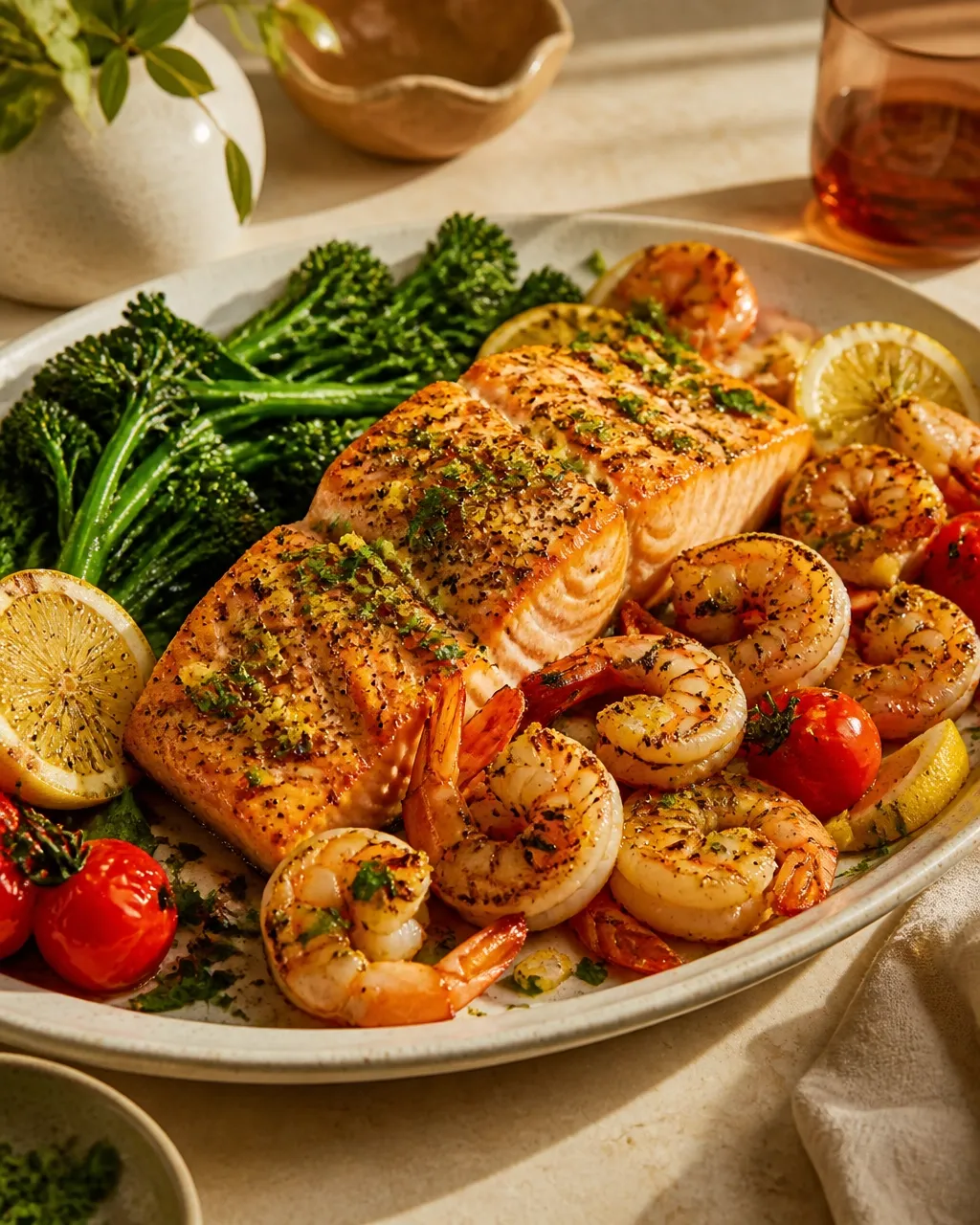
Avoid rinsing your orzo at all costs. That dusty coating on the outside of the dry grains is exactly what creates a velvety, creamy sauce without needing a drop of heavy cream. When you simmer the orzo directly in your stock or wine, the starch granules swell and leak into the liquid, thickening it into a luxurious binder. This is the secret to why one pot meals feel so much more cohesive than their multi-pot counterparts: the pasta and the sauce are literally growing up together.
The real technical hurdle is the "Beurre Monté" or the mounted butter sauce. If you throw a big hunk of butter into boiling liquid, it will melt, separate, and leave you with a greasy puddle. To get that restaurant-quality gloss, you must respect the physics of emulsion. Pull your pan off the direct heat before adding your fat. Use cold, cubed butter and whisk it in vigorously. The cold temperature allows the fat to disperse into tiny droplets before they can fully melt and separate, while the starch in the orzo liquid acts as a stabilizer to keep those droplets suspended.
Check your shrimp timing carefully. Shrimp are notorious overachievers; they go from perfectly tender to rubbery erasers in a matter of seconds. Use the "sear and pull" technique. Sear them quickly in high heat just until they turn opaque, then remove them from the pan. Only return them to the orzo at the very last second. This allows the residual heat of the pasta to finish the shrimp gently, preserving that snap and sweetness.
Soulful Variations for Every Palate
While the lemon-butter-garlic trio is a classic for a reason, the beauty of simple pasta recipes lies in their flexibility. If you want to lean into a more Mediterranean vibe, try stirring in a handful of sun-dried tomatoes and some crumbled feta right at the end. The acidity of the tomatoes cuts through the richness of the butter, providing a sharp contrast that keeps your palate awake.
For those who crave a bit of heat, a "Swicy" (sweet and spicy) version is easily achieved. Add a spoonful of Calabrian chili paste or red pepper flakes during the initial aromatic sauté. The heat marries beautifully with the sweetness of the shrimp and the citrusy zest of the lemon. If you're looking for more healthy weeknight dinners and want to up the fiber, swap half the orzo for riced cauliflower or stir in two large handfuls of baby spinach during the final minute of simmering. The heat from the orzo will wilt the greens perfectly without making them slimy.
The Perfect Side Dish Pairings
Even the most soulful bowl of pasta benefits from a little company. Since this dish is inherently rich and buttery, you want to pair it with sides that offer high acidity or a crisp crunch to reset your taste buds.
A simple arugula salad is my non-negotiable partner for this orzo. Dress it with nothing more than a squeeze of fresh lemon, a drizzle of high-quality olive oil, and a pinch of flaky sea salt. The peppery bite of the arugula and the extra hit of lemon juice slice through the butter like a hot knife. If you want something warm, opt for quick-charred asparagus or broccolini. The slight bitterness of charred greens balances the savory "fond" (the brown bits at the bottom of the pan) that we’ve incorporated into the orzo liquid.
For more inspiration on building a complete menu, check out our quick meals category where we break down how to balance flavors in under twenty minutes.
Frequently Asked Questions
What if my sauce breaks and looks greasy?
Don't panic; science can fix this. A broken sauce usually means the heat was too high or the emulsion lacked enough water-based liquid. Remove the pan from the heat entirely, add a single tablespoon of hot water or stock, and whisk like your life depends on it. The extra moisture and the drop in temperature will often help the fat re-emulsify into the starchy base.
Can I use frozen shrimp for this?
Absolutely. In fact, unless you live next to a dock, "fresh" shrimp are often just frozen shrimp that have been thawed behind the counter. Just ensure they are completely defrosted and patted dry with a paper towel before searing. If they are wet, they will steam instead of sear, and you’ll miss out on that crucial maillard reaction that builds flavor.
Why did my orzo turn out mushy?
You likely used too much liquid or simmered it for too long. Orzo is small and cooks much faster than chunky shapes like penne. Start with less liquid than you think you need: you can always add a splash more at the end, but you can't take it away once the grains have over-hydrated. Treat it like a 15 minute meals challenge: stay focused and test the texture frequently.
Can I substitute the butter for olive oil?
You can, but you will lose that creamy, "mounted" finish. Olive oil is a liquid fat and won't create the same thick, opaque emulsion that cold butter provides. If you must go dairy-free, use a high-quality vegan butter substitute that contains lecithins, which help stabilize the sauce in a similar way.
Is it possible to make this ahead of time?
Orzo is a thirsty pasta. If you let it sit, it will continue to absorb every drop of sauce in the pan, leaving you with a solid block of pasta the next day. If you are prepping ahead, undercook the orzo slightly and keep some extra stock on hand to loosen the sauce when you reheat it.
For more techniques on mastering the art of the skillet, explore our one-pot pasta guides and level up your weeknight game.
{“@type”:”FAQPage”,”@context”:”https://schema.org”,”mainEntity”:[{“name”:”What if my sauce breaks and looks greasy?”,”@type”:”Question”,”acceptedAnswer”:{“text”:”A broken sauce usually means the heat was too high. Remove the pan from the heat, add a tablespoon of hot water or stock, and whisk vigorously to re-emulsify the fat into the starchy base.”,”@type”:”Answer”}},{“name”:”Can I use frozen shrimp for this?”,”@type”:”Question”,”acceptedAnswer”:{“text”:”Yes, but ensure they are completely defrosted and patted dry with a paper towel. This prevents them from steaming and ensures a proper sear.”,”@type”:”Answer”}},{“name”:”Why did my orzo turn out mushy?”,”@type”:”Question”,”acceptedAnswer”:{“text”:”Mushy orzo is usually the result of too much cooking liquid or over-simmering. Start with a conservative amount of liquid and test the texture frequently to ensure an al dente finish.”,”@type”:”Answer”}},{“name”:”Can I substitute the butter for olive oil?”,”@type”:”Question”,”acceptedAnswer”:{“text”:”While you can use olive oil, it won’t create the same creamy, glossy emulsion as cold butter. For a dairy-free option, a vegan butter substitute is recommended.”,”@type”:”Answer”}}]}