Recipe
Servings
Servings 1×
Ingredients
- Chicken
- Tofu
- Quinoa
- Rice
- Broccoli
- Greens
- Peas
- Corn
- Cucumber
- Garlic
- Honey
- Butter
- Cooking oil
- Soy sauce or tamari
- Sesame
- Chili seasoning
- Salt
- Black pepper
Method
- Use arrowroot if you want a grain-free option, but ensure you don't overdo it.
- Toss your starch-coated chicken into the air fryer basket at 400°F for about 8-10 minutes.
- Use low-sodium soy sauce or coconut aminos to control the salt levels from the start.
- Add red pepper flakes or a dollop of chili garlic paste to the sauce mixture.
We have all been there: it is Tuesday night, the fridge is staring back at you with a judging silence, and the siren call of the takeout menu is getting louder by the second. But before you reach for your phone to order that sodium-heavy, deep-fried chicken, let me stop you right there. You can create a version that tastes like a soulful hug from Cookpedia in less time than it takes for a delivery driver to find your house. This recipe is one of my favorite healthy dinner ideas because it hits that perfect sweet-savory spot without the heavy breading or the post-meal energy crash.
The Science of Silk: Master the Velvetting Technique
The secret to that tender, melt-in-your-mouth texture you find in high-end stir-fries isn't magic, it is a Chinese cooking technique called velvetting. Most home cooks skip this and end up with chicken that feels more like a pencil eraser than a protein. To avoid this, coat your sliced chicken in a light mixture of cornstarch or arrowroot powder along with a splash of soy sauce and sesame oil.
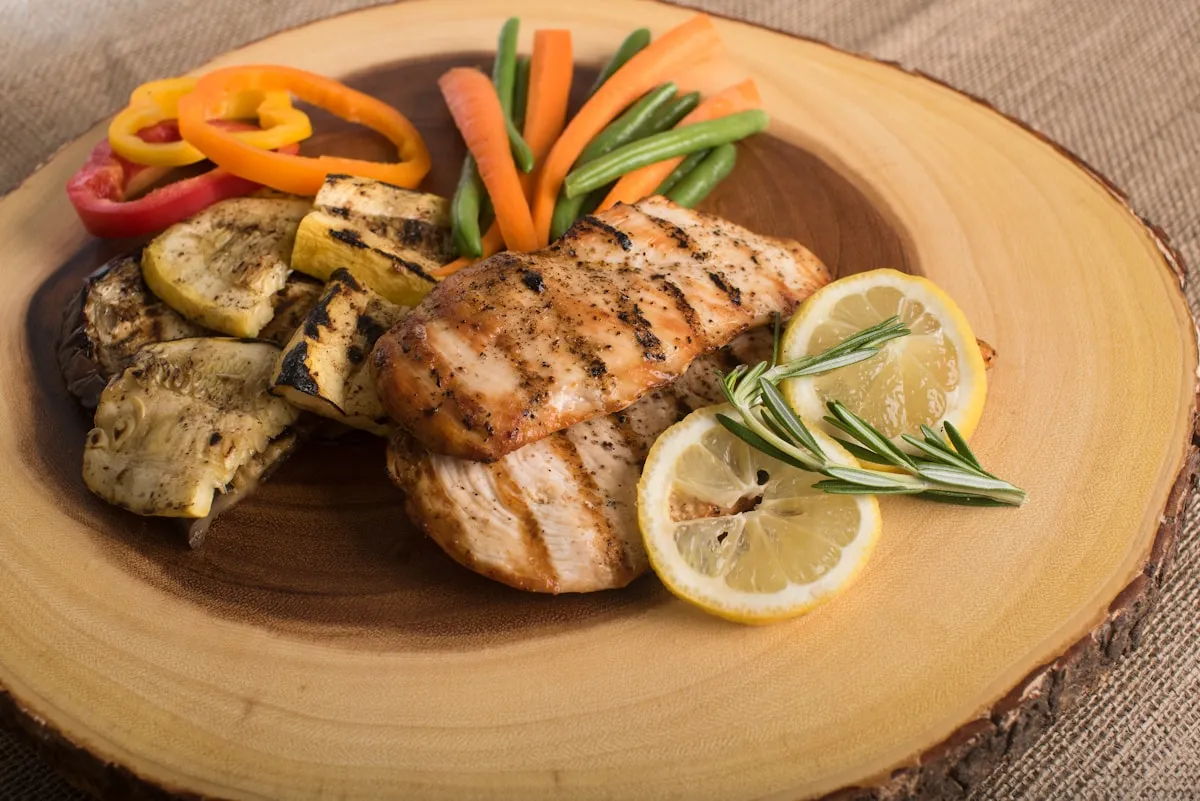
When the starch meets the heat of your pan, it creates a microscopic gelatinous barrier. This barrier does two things: it locks the natural juices inside the meat and provides a smooth surface for your sauce to cling to later. Use arrowroot if you want a grain-free option, but ensure you don't overdo it. A light dusting is all you need. If the chicken looks like it’s wearing a thick winter coat of starch, you’ve gone too far. Aim for a sheer, slightly tacky glaze.
While traditional recipes often deep-fry the meat, we are keeping things light by searing in a hot skillet with minimal oil. Achieve a better sear by cooking in batches. If you crowd the pan, the temperature drops, and the chicken will steam in its own juices instead of developing that beautiful brown crust. This browning, known as the Maillard reaction, is where the deep, savory flavor lives. Treat each piece of chicken like it needs its own personal space in the pan.
For those who love their gadgets, this dish is a fantastic candidate for air fryer recipes dinner rotations. Toss your starch-coated chicken into the air fryer basket at 400°F for about 8-10 minutes. It gives you that crispy exterior with even less oil than the stovetop method, making it a staple for anyone building a library of quick meals.
Balancing the Sauce: Sweet, Salty, and Tangy
A great sesame sauce is a balancing act. If it is too sweet, it feels like dessert; too salty, and you will be chugging water all night. Use low-sodium soy sauce or coconut aminos to control the salt levels from the start. Coconut aminos are naturally sweeter and less salty, so adjust your honey or sugar accordingly if you make the swap.
Acid is the unsung hero of this dish. Rice vinegar provides a sharp brightness that cuts through the richness of the sesame oil. If your sauce tastes "flat," add an extra teaspoon of vinegar. It acts like a volume knob for all the other flavors. For a hidden layer of complexity, whisk in a tiny bit of tomato paste. It adds body and a subtle umami depth that makes people ask, "What is in this?" without being able to point to a single ingredient.
Always mix your thickening agent (cornstarch or arrowroot) with a cold liquid before adding it to the pan. If you toss dry powder into a hot sauce, you will end up with unappetizing clumps. Think of the slurry as the glue that holds the whole operation together. Once the sauce hits the pan, stir constantly and watch it transform from a watery liquid into a glossy, translucent glaze that hugs the chicken and broccoli.
Vibrant Variations for Every Palate
Cooking should never be a rigid set of rules; it is a conversation between you and your ingredients. If you are looking for more healthy dinner ideas, try swapping the chicken for firm tofu. To get the best texture, press the tofu for at least 20 minutes to remove excess water before cubing and velvetting. It absorbs the sesame sauce like a sponge, making it a fantastic plant-based alternative.
For the heat-seekers, do not be afraid to lean into the spice. Add red pepper flakes or a dollop of chili garlic paste to the sauce mixture. The heat balances the sweetness of the honey beautifully. If you are watching your carb intake, swap the honey for a monk fruit sweetener and use arrowroot instead of cornstarch. These small tweaks keep the dish accessible for keto or paleo lifestyles without sacrificing that "soulful" flavor we crave at Cookpedia.
Don't feel restricted to just broccoli, either. While broccoli is the classic partner because its florets are essentially "sauce traps," you can throw in snap peas, sliced bell peppers, or baby corn. The goal is to maintain a high vegetable-to-protein ratio. This keeps the meal light and ensures you are getting a variety of micronutrients in your chicken recipes.
Perfect Pairings for a Complete Meal
When you are putting together quick family meals, the side dish is just as important as the main event. A bowl of fluffy jasmine rice is the traditional choice, as it soaks up any extra sauce. If you want a nuttier profile, try brown rice or quinoa. The extra fiber will keep you full longer, which is a win for busy weeknights.
To balance the richness of the sesame oil and the sweetness of the glaze, serve this alongside something crisp and acidic. A quick smashed cucumber salad with a splash of rice vinegar and a pinch of salt provides a cooling contrast to the warm, savory chicken. This balance of temperatures and textures is what elevates a simple stir-fry into a restaurant-quality experience. If you are looking for something even lighter, serve the sesame chicken and broccoli inside large butter lettuce leaves for "Asian-style" tacos.
Frequently Asked Questions
Can I use frozen broccoli instead of fresh?
Yes, you absolutely can, but follow this rule: do not thaw it first. Toss the frozen florets directly into the hot pan or steamer. If you thaw them, they become mushy and lose that structural integrity needed to hold the sauce. Cook them just until they are bright green and tender-crisp. Overcooked broccoli is the enemy of a good stir-fry.
What if my sauce gets too thick?
This happens to the best of us. If the sauce turns into a thick paste rather than a glossy glaze, simply whisk in a tablespoon of water or low-sodium chicken broth at a time until you reach your desired consistency. The starch continues to thicken as it sits, so if you are preparing this for meal prep, keep the sauce a little thinner than you think you need.
Is velvetting really necessary for a quick weeknight meal?
Think of velvetting as a non-negotiable for quality. It takes exactly two minutes to toss the chicken in the starch and oil, and those two minutes completely change the texture of the dish. Avoid skipping this step if you want that professional finish. It is the difference between a "home-cooked attempt" and a masterpiece.
How do I reheat leftovers without the chicken getting tough?
Microwaves are notoriously bad for chicken. They tend to vibrate the water molecules so fast that the proteins tighten up and become rubbery. If you have the time, reheat your sesame chicken in a skillet over medium-low heat with a splash of water to loosen the sauce. If you must use a microwave, use a lower power setting and cover the bowl to trap the steam.
Can I use chicken thighs instead of breasts?
Absolutely. Chicken thighs are more forgiving because they have a higher fat content, which keeps them moist even if you overcook them slightly. Just ensure you trim any excess fat so the dish stays within the "healthy" realm. Cut them into uniform pieces to ensure everything cooks at the same rate.
Why is my sauce not thickening?
Your sauce needs to reach a simmer for the starch to "activate" and begin thickening. If you just stir it into warm liquid, it will stay watery. Crank the heat up slightly until you see bubbles, and you will see the magic happen almost instantly. If it still won't thicken, your slurry ratio might have been too weak; mix another teaspoon of starch with cold water and try again.
{“@type”:”BlogPosting”,”image”:”https://cdn.marblism.com/dRLRvAPTW77.webp”,”author”:{“name”:”Cookpedia”,”@type”:”Organization”},”@context”:”https://schema.org”,”headline”:”Healthy Weeknight Sesame Chicken with Broccoli”,”keywords”:”air fryer recipes dinner, quick family meals, healthy dinner ideas”,”publisher”:{“logo”:{“url”:”https://cookpedia.com/logo.png”,”@type”:”ImageObject”},”name”:”Cookpedia”,”@type”:”Organization”},”description”:”Learn the secrets to making a healthy, soulful sesame chicken with broccoli at home. Discover the science of velvetting and how to balance the perfect stir-fry sauce.”,”datePublished”:”2026-07-11″,”mainEntityOfPage”:{“@id”:”https://cookpedia.com/healthy-sesame-chicken-broccoli”,”@type”:”WebPage”}}