Recipe
Servings
Servings 1×
Cook 20 min
Ingredients
- Chicken
- Potatoes
- Carrots
- Apple
- Tomatoes
- Lemon
- Honey
- Feta
- Butter
- Cooking oil
- Salt
Method
- Prepare the ingredients described in the article and heat the cooking surface or oven as directed.
- Cook the main ingredients using the heat and timing guidance in the article.
- Finish with the seasonings and garnishes named in the article, then serve.
There is a specific kind of magic that happens when you toss a handful of humble ingredients into a single pan and let the oven do the heavy lifting. I call it the "Wednesday Night Savior." You’re tired, the kids are asking what’s for dinner for the nineteenth time, and the last thing you want to do is scrub four different pots. That is where my One-Pot Lemon Herb Roasted Chicken and Potatoes comes into play. It is the ultimate solution for anyone searching for quick family meals that don't taste like they came out of a cardboard box. This dish is bright, zesty, and carries that deep, comforting "Sunday Roast" flavor without the Sunday-sized effort.
The Science of the Perfect Roast: Tips & Technique
To transform a basic chicken dinner into something truly spectacular, you have to understand a little bit about what is happening inside that hot oven. We aren't just heating food; we are engineering texture and flavor. The goal is a delicate dance between juicy meat and glass-shattering crispy skin, all while the potatoes soak up every drop of liquid gold: also known as chicken fat: that renders out during the process.
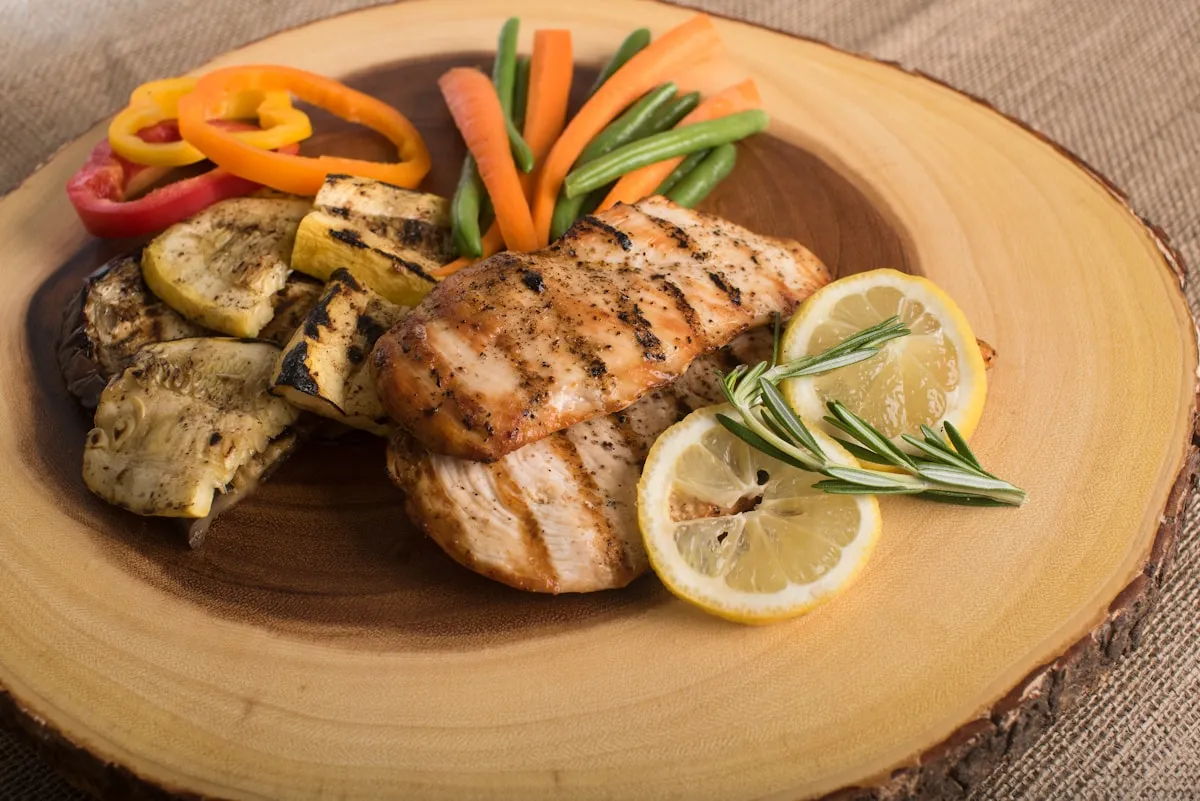
Master the Maillard Reaction
First, let’s talk about that beautiful brown color. That is the Maillard reaction at work. For this to happen effectively, moisture is your absolute enemy. Before you even think about seasoning, take a paper towel and pat that chicken dry until it feels like parchment paper. If the skin is wet, it will steam rather than sear, leaving you with rubbery skin that no one wants to eat. Once it is dry, use a high-heat fat like olive oil or softened butter to coat the surface. This fat acts as a heat conductor, ensuring the temperature on the surface of the skin rises fast enough to create that golden crust.
The "Under the Skin" Secret
If you want to cook like a pro, stop putting all your seasoning on top of the skin. Most of it just slides off into the pan anyway. Instead, use your fingers to gently loosen the skin from the breast or thighs, creating a small pocket. Shove your herb butter or zest right in there. This places the aromatics in direct contact with the meat, protecting them from burning while infusing the chicken from the inside out. It’s a foundational technique for many healthy dinner ideas because it allows you to use less salt while maximizing flavor.
Potato Engineering
Not all potatoes are created equal. For a one-pot roast, I always reach for Yukon Golds. They have a naturally buttery texture and a medium starch content that holds its shape while still getting those crispy, craggy edges. To ensure they finish at the exact same time as the chicken, cut them into uniform one-inch chunks. If they are too large, you’ll be biting into a hard center; too small, and they’ll turn into mush.
Heat Management and Airflow
Set your oven to at least 425°F (220°C). Anything lower and you’re basically just braising the meat. You need that aggressive heat to render the fat quickly. Also, avoid the temptation to crowd the pan. If your potatoes are piled on top of each other, they will release steam and lose their chance at crispiness. Spread them out in a single layer, mostly cut-side down. This maximizes the contact with the hot metal pan, giving you those coveted caramelized flat edges. If you find yourself short on time or oven space, you might even look into air fryer recipes dinner adaptations, which use high-velocity air to achieve similar results in a fraction of the time.
Flavor Variations to Keep it Fresh
While the lemon-herb combo is a timeless classic, you don't have to stop there. Once you master the one-pot technique, you can swap the flavor profile to suit whatever is lingering in your pantry.
- The Mediterranean Twist: Swap the rosemary for dried oregano and add a handful of kalamata olives and halved cherry tomatoes to the pan during the last 15 minutes of roasting. Finish the whole thing with a generous crumble of salty feta cheese. The acidity of the olives cuts through the richness of the chicken fat beautifully.
- The Smoky Orchard: Use sage and thyme instead of rosemary, and toss in some thick wedges of Pink Lady apples along with the potatoes. The apples caramelize into sweet, soft pockets that pair perfectly with the savory chicken. Add a pinch of smoked paprika to your oil rub for a deep, campfire-inspired undertone.
- The Spicy Root: Replace half of the potatoes with chunks of carrots and parsnips. Use a rub made of honey, harissa paste, and lemon juice. The honey helps the root vegetables caramelize faster, while the harissa provides a slow, warming heat that balances the natural sweetness of the carrots.
Side Dish Pairings for Perfect Balance
Since your protein and starch are already hanging out in one pan, your side dishes should focus on adding freshness, acidity, and a bit of crunch to the meal. You want something that acts as a "palate cleanser" between bites of rich, herb-crusted chicken.
A simple arugula salad tossed with a very sharp lemon vinaigrette is my go-to. The peppery bite of the greens and the high acidity of the dressing are essential for cutting through the fat. Alternatively, consider a quick plate of blanched green beans or broccolini. If you toss them with a little bit of garlic and red pepper flakes, they provide a vibrant green contrast to the golden hues of the roast. For those looking for more quick family meals, a cold cucumber and radish salad offers a refreshing temperature contrast that makes the hot chicken feel even more indulgent.
FAQ: Solving Your Roasting Riddles
Why are my potatoes always soggy instead of crispy?
This usually happens for two reasons: overcrowding or too much liquid. If you pour a cup of chicken broth or a half-cup of lemon juice into the pan at the start, you are boiling your potatoes, not roasting them. Keep the pan dry at the beginning. Use oil to coat the potatoes, and save the extra lemon juice for a final squeeze right before serving. Also, make sure your oven is truly preheated; putting food into a cold oven is a recipe for limp vegetables.
Can I use boneless, skinless chicken breasts for this?
You can, but I wouldn't recommend it for a long roast. Breasts lean and cook very quickly, meaning they will likely be dry and stringy by the time your potatoes are tender. If you must use breasts, cut your potatoes into much smaller half-inch pieces so they cook faster, or start the potatoes in the oven for 15 minutes before adding the chicken to the pan. For the best healthy dinner ideas, stick with bone-in, skin-on thighs; they are much more forgiving and stay juicy even at high temperatures.
Should I cover the pan with foil?
Never. Covering the pan traps steam, which is the absolute enemy of crispy skin and roasted textures. We want the dry, hot air of the oven to circulate freely around the chicken and potatoes. If you notice the herbs or garlic starting to burn before the chicken is done, you can loosely tent a small piece of foil over just the chicken, but keep the potatoes exposed.
Can I make this using an air fryer instead?
Absolutely. Many people find that air fryer recipes dinner are actually more consistent for small batches because the fan moves the heat so efficiently. You will likely need to cook in batches or use a large oven-style air fryer to ensure you don't crowd the basket. The cooking time will usually be about 20-25% faster than a conventional oven.
How do I know for sure when the chicken is safe to eat?
Don't guess. Use a digital meat thermometer. You are looking for an internal temperature of 165°F (74°C) in the thickest part of the meat, making sure not to hit the bone. I actually prefer taking my chicken thighs up to 175°F; the dark meat has more connective tissue that breaks down at higher temperatures, making it even more tender.
What is the best way to reheat leftovers?
Avoid the microwave if you can; it will turn your crispy skin into a soggy mess. Instead, pop the leftovers back into a 350°F oven or an air fryer for about 5-8 minutes. This will recrisp the skin and the potatoes while heating the meat through gently. It makes for a fantastic lunch the next day!
{“@type”:”BlogPosting”,”image”:”https://cdn.marblism.com/2AgzTRDxmRA.webp”,”author”:{“name”:”Penny”,”@type”:”Person”},”@context”:”https://schema.org”,”headline”:”One-Pot Lemon Herb Roasted Chicken and Potatoes”,”publisher”:{“logo”:{“url”:”https://cdn.marblism.com/KxroJ1kM_KA.webp”,”@type”:”ImageObject”},”name”:”Cookpedia”,”@type”:”Organization”},”mainEntity”:[{“name”:”Why are my potatoes always soggy instead of crispy?”,”@type”:”Question”,”acceptedAnswer”:{“text”:”This usually happens due to overcrowding or too much liquid in the pan. Ensure potatoes are in a single layer and avoid adding watery liquids like broth or excess lemon juice until the end of the roasting process.”,”@type”:”Answer”}},{“name”:”Can I use boneless, skinless chicken breasts?”,”@type”:”Question”,”acceptedAnswer”:{“text”:”Yes, but they cook much faster than bone-in thighs. You should cut the potatoes smaller or start them in the oven earlier to ensure both components finish at the same time without drying out the breast meat.”,”@type”:”Answer”}},{“name”:”What is the internal temperature for roasted chicken?”,”@type”:”Question”,”acceptedAnswer”:{“text”:”Chicken is safe to eat at 165°F (74°C). For chicken thighs, many cooks prefer 175°F for a more tender texture as the connective tissue breaks down better at higher temperatures.”,”@type”:”Answer”}}],”description”:”Learn the science behind the perfect one-pot lemon herb roasted chicken and potatoes. Discover tips for crispy skin, tender potatoes, and flavor variations for a quick family meal.”,”datePublished”:”2026-07-09″,”mainEntityOfPage”:{“@id”:”https://cookpedia.com/one-pot-lemon-herb-roasted-chicken-potatoes”,”@type”:”WebPage”}}