Recipe
Servings
Servings 1×
Ingredients
- Chicken
- Chickpeas
- Quinoa
- Greek yogurt
- Bread
- Potatoes
- Cucumber
- Onion
- Lemon
- Mustard
- Feta
- Cooking oil
- Salt
- Black pepper
Method
- Use a heavy skillet: preferably cast iron: and get it screaming hot before adding the meat.
- Pat your chicken dry before it hits the oil; moisture is the enemy of browning.
- Use salt to trigger osmosis.
- Use a bit of mustard or plenty of whisking to help the olive oil and lemon juice play nice.
- Use a high-temperature roast to get the edges crispy, then douse them in lemon juice the second they come out of the oven.
If you have ever stared blankly into your fridge at 6:00 PM wondering how to feed yourself without calling for pizza, welcome to the club. My blog is dedicated to solving that exact panic with quick healthy meals that actually taste like you put in effort. These Greek chicken pitas are the ultimate weeknight MVP. They are bright, punchy, and lean, giving you all those Mediterranean vacation vibes without the expensive airfare or the three-hour kitchen marathon. Grab your apron; we are making something spectacular in record time.
The Science of Flavor and Texture
When you are aiming for high-impact flavor in a short window, you have to lean on science, not just luck. The secret to these pitas isn't just the ingredients; it’s how you treat them. We are balancing acidity, heat, and moisture to transform basic chicken into something worth writing home about.
Master the Maillard Reaction
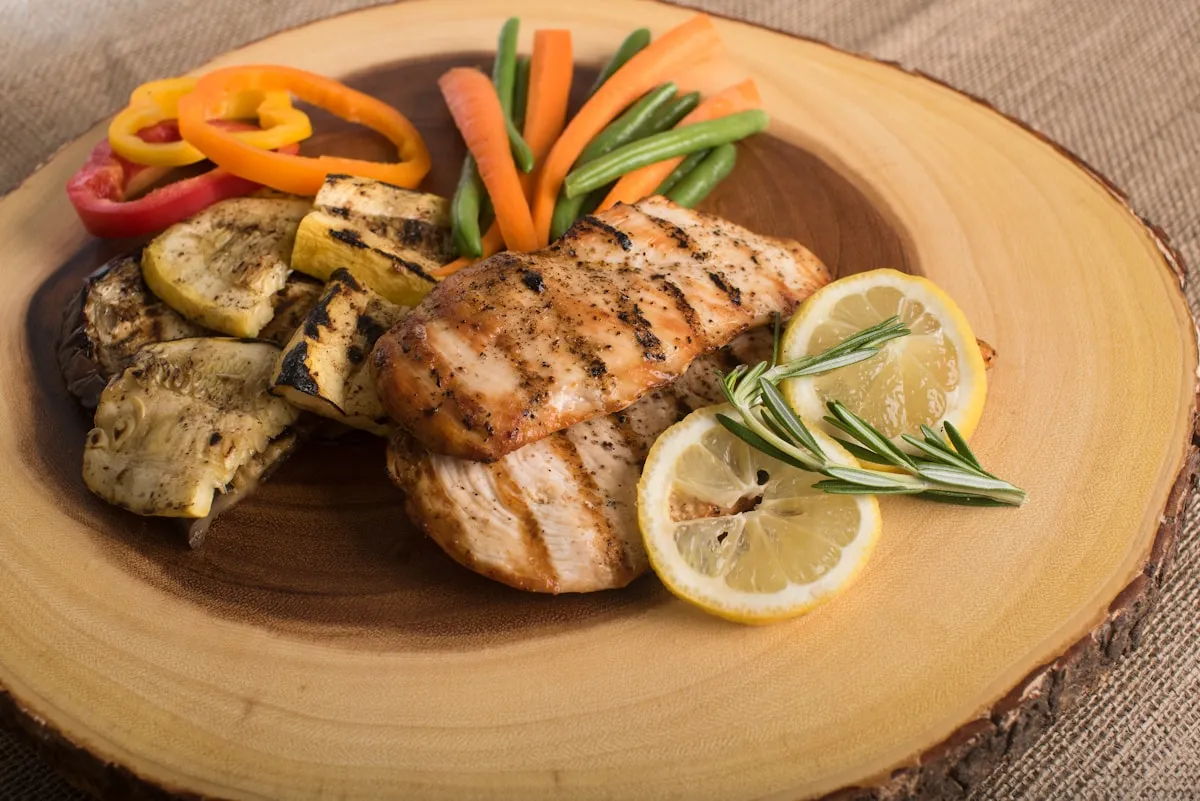
To get that deep, savory crust on your chicken, you need to understand the Maillard reaction. This is the chemical dance between amino acids and reducing sugars that happens when meat hits a hot surface. Avoid overcrowding your pan at all costs. If you pile all the chicken in at once, the temperature drops, and the meat starts steaming in its own juices instead of searing. Use a heavy skillet: preferably cast iron: and get it screaming hot before adding the meat. Pat your chicken dry before it hits the oil; moisture is the enemy of browning.
Acid as a Tool, Not Just a Seasoning
Greek marinades rely heavily on lemon juice. This acid does more than just add a zing; it begins to denature the proteins on the surface of the chicken, essentially "pre-cooking" it and making it more tender. However, be firm with your timing. If you leave lean chicken breast in a high-acid marinade for more than a few hours, the texture turns from tender to mealy and mushy. Aim for a thirty-minute window to hit that sweet spot of flavor infusion without ruining the structural integrity of the meat.
The Great Cucumber Osmosis
The biggest mistake people make with homemade tzatziki is skipping the "sweat." Cucumbers are roughly 95% water. If you grate them directly into your yogurt, that water will leak out, turning your beautiful sauce into a sad, runny soup within ten minutes. Use salt to trigger osmosis. Salt pulls the water out of the cucumber cells, allowing you to squeeze it dry before mixing. This results in a thick, spreadable sauce that stays creamy for days.
Emulsification and Balance
When mixing your sauce and marinade, remember that oil and water don’t like to mingle. Use a bit of mustard or plenty of whisking to help the olive oil and lemon juice play nice. This emulsification ensures that every bite of your quick healthy meals has a balanced ratio of fat (flavor carrier) and acid (flavor enhancer).
Customizing Your Pita Game
One of the reasons I love these pitas is how easily they adapt to whatever is happening in your life. If you are leaning into a low-carb lifestyle, ditch the bread entirely and turn this into a "Greek Bowl" over a bed of shredded romaine or quinoa. The high-protein chicken and healthy fats from the yogurt sauce keep you full without the starch.
For a vegetarian twist, swap the chicken for roasted chickpeas. Treat them exactly like the chicken: toss them in the lemon-herb marinade and roast them at high heat until they are crispy. The fiber-rich chickpeas provide a satisfying crunch that pairs perfectly with the cooling tzatziki. If you like heat, whisk some crushed red pepper flakes or a dash of harissa into your yogurt. The fat in the Greek yogurt will temper the spice, creating a slow, pleasant burn rather than an overwhelming fire.
Balancing the Plate: Side Dish Pairings
A great meal is all about contrast. Since the pitas are creamy and savory, you want sides that provide acidity and crunch to cleanse the palate between bites.
A classic Greek salad is the obvious choice for a reason. The sharp bite of raw red onion and the salty punch of feta cheese cut right through the richness of the chicken. If you need something heartier, roasted lemon potatoes are non-negotiable. Use a high-temperature roast to get the edges crispy, then douse them in lemon juice the second they come out of the oven. The potatoes will soak up the acid like a sponge, creating a side dish that feels indulgent but stays light. Avoid heavy, buttery sides; you want to keep the "quick healthy meals" theme alive by focusing on fresh produce and heart-healthy fats.
Frequently Asked Questions
Why is my chicken always dry when I cook it fast?
This usually happens because of uneven thickness or overcooking. Use a meat mallet or a heavy pan to pound your chicken breast to an even thickness before marinating. This ensures the thin ends don't turn into cardboard while the center is still cooking. Also, use a thermometer! Pull the chicken at 160°F and let it rest; carry-over cooking will bring it to the safe 165°F while keeping the juices inside.
Can I use fat-free yogurt for the tzatziki?
You can, but I wouldn't recommend it if you want the best experience. Fat-free yogurt lacks the creamy mouthfeel and structural stability of whole-milk or 2% Greek yogurt. The fat also helps carry the flavors of the garlic and herbs. If you are watching calories, stick to 2%: it’s the best middle ground for flavor and health.
How do I stop the pita from tearing when I fold it?
Cold pitas are brittle. Give your pita bread about 15 seconds in a dry pan or a few seconds in the microwave covered with a damp paper towel. The heat and slight moisture make the bread pliable and soft, allowing you to stuff it full of chicken and toppings without it shattering in your hands.
Can I meal prep this for the whole week?
Absolutely. Store the grilled chicken and the tzatziki in separate airtight containers. The chicken actually holds its flavor quite well when cold, making it great for lunches. Just wait to assemble the pitas until right before you eat to prevent the bread from getting soggy.
What if I don't have fresh herbs?
While fresh oregano and dill are gold standards here, dried herbs work in a pinch. Just remember the rule of thumb: dried herbs are more concentrated than fresh. Use about one-third of the amount of dried herbs compared to what you would use for fresh. Rub the dried herbs between your palms before adding them to the marinade to "wake up" the essential oils.
Is Greek yogurt the same as plain yogurt?
No. Greek yogurt is strained to remove the whey, which makes it much thicker and higher in protein. If you use regular plain yogurt for your sauce, it will be very runny. If you only have regular yogurt, you can strain it yourself through a coffee filter or cheesecloth for a few hours to thicken it up.
{“@type”:”BlogPosting”,”image”:[“https://cdn.marblism.com/YEUdO_YE4X7.webp”,”https://cdn.marblism.com/-BAuDsvyGPM.webp”,”https://cdn.marblism.com/a9z3eIBryF6.webp”,”https://cdn.marblism.com/M4AEx9AQVkK.webp”],”author”:{“name”:”Cookpedia”,”@type”:”Organization”},”@context”:”https://schema.org”,”headline”:”Quick Healthy Greek Chicken Pitas”,”publisher”:{“logo”:{“url”:”https://cookpedia.com/logo.png”,”@type”:”ImageObject”},”name”:”Cookpedia”,”@type”:”Organization”},”description”:”Learn the science behind perfect Greek chicken pitas. Master the Maillard reaction, cucumber osmosis, and the perfect tzatziki for quick healthy meals.”,”datePublished”:”2026-07-08″,”mainEntityOfPage”:{“@id”:”https://cookpedia.com/quick-healthy-greek-chicken-pitas”,”@type”:”WebPage”}}