Recipe
Servings
Servings 1×
Ingredients
- Beans
- Broccoli
- Asparagus
- Green beans
- Tomatoes
- Garlic
- Lemon
- Hard cheese
- Butter
- Black pepper
Method
- Use a heavy-bottomed skillet: cast iron or a high-quality non-stick: to ensure even heat distribution.
- Start by achieving a proper sear on the tilapia fillets.
- Pat your fish bone-dry before it touches the pan.
- Toss in a handful of halved cherry tomatoes and some salty Kalamata olives during the last three minutes of steaming.
- Finish with a sprinkle of fresh parsley or oregano for an earthy finish.
- Cover the pan for sixty seconds to let the cheese melt into a savory, umami-rich coating.
You know those Tuesday nights when the kitchen feels like a high-stakes obstacle course and the clock is ticking faster than a pressure cooker? I’ve been there. You want something fresh and vibrant, but your patience for washing four different pans is exactly zero. That’s where the magic of one pot meals saves the day. This Lemon Pepper Tilapia and Green Beans combo is my go-to when I want to feel like a culinary genius without actually doing the heavy lifting. It’s light, it’s zesty, and it cleans up in a flash.
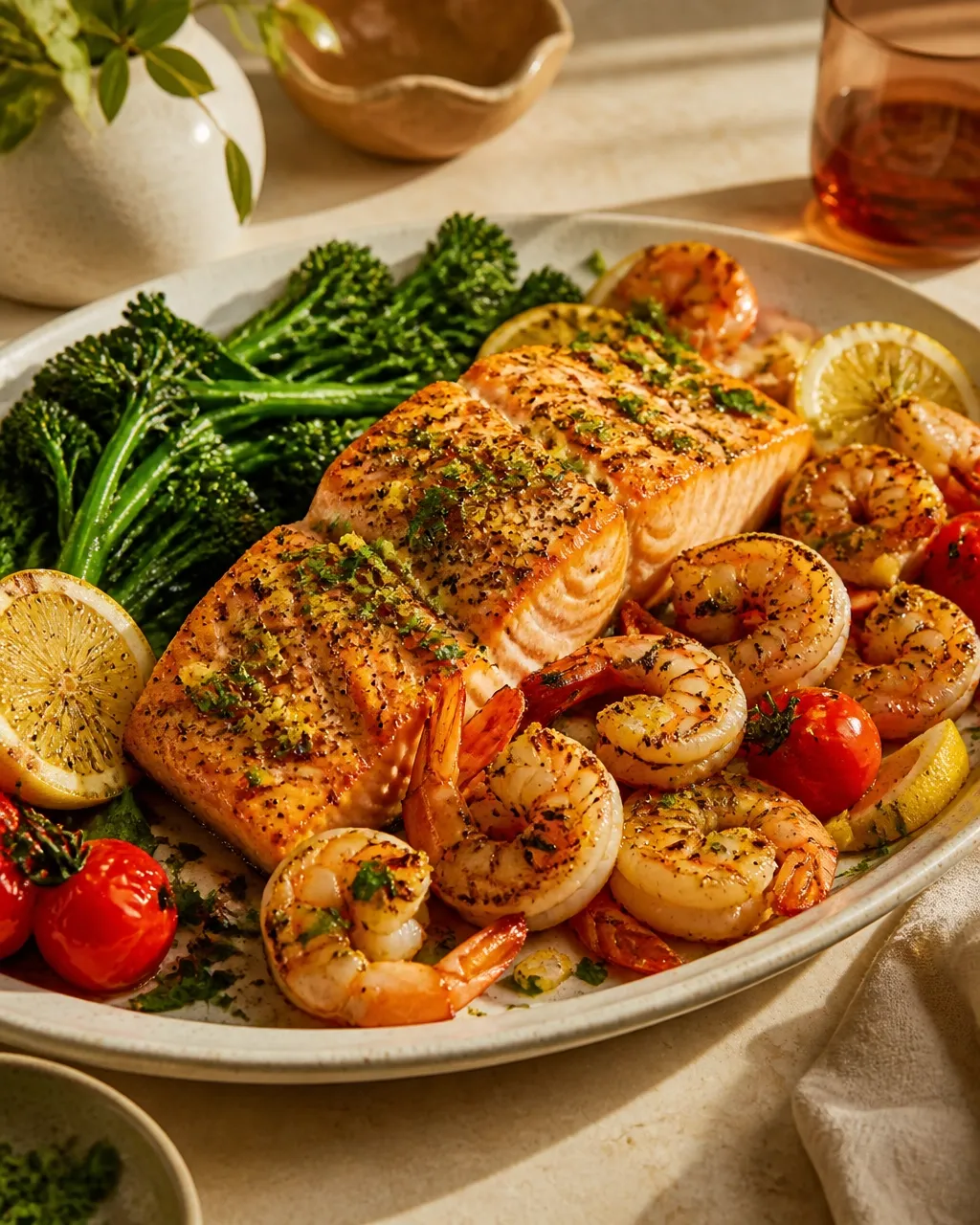
The Science of the "Sear-and-Steam" Method
Cooking fish and vegetables in the same pan requires a bit of tactical maneuvering. Tilapia is a lean, delicate protein that can go from "perfectly flaky" to "pencil eraser" in about thirty seconds. To avoid this, you must master the sear-and-steam technique. Use a heavy-bottomed skillet: cast iron or a high-quality non-stick: to ensure even heat distribution.
Start by achieving a proper sear on the tilapia fillets. The science here is the Maillard reaction. When the proteins and sugars on the surface of the fish hit high heat, they transform into that beautiful golden-brown crust we all crave. This isn't just for looks; it builds a complex, savory flavor profile that contrasts perfectly with the bright citrus. Pat your fish bone-dry before it touches the pan. Moisture is the enemy of a good sear; if your fish is wet, it will steam instead of browning, leaving you with a pale, sad dinner.
Once you’ve achieved that golden crust, flip the fish and introduce your green beans. Now, here is where the "steam" portion of the program begins. By adding a splash of liquid: broth, water, or a dry white wine: and covering the pan, you create a controlled, moist environment. This heat transfer is far more efficient than dry air. The steam gently finishes the interior of the tilapia, keeping the delicate white flakes moist, while simultaneously softening the fibrous green beans.
Check the internal temperature of the fish regularly. You are aiming for approximately 135°F to 140°F. Pull the pan off the heat just before it reaches the peak; carryover heat will finish the job while you’re setting the table. If you're looking for more inspiration for your weeknight rotation, check out our spicy tomato basil one-pot linguine for another masterclass in pan-sauce science.
Essential Flavor Dynamics: Acidity and Aromatics
Lemon is the undisputed protagonist of this dish, but timing its entrance is critical. Citrus juice is highly acidic. If you douse the fish in lemon juice too early in the cooking process, the acid will begin to "cook" or denature the proteins (think ceviche), which can lead to a tougher texture.
Instead, focus on the zest during the active cooking phase. The zest contains the essential oils: limonene and citral: which provide a deep, aromatic citrus punch without the protein-tightening acidity. Save the juice for the very end. Squeezing fresh lemon over the hot pan right before serving creates a "brightening" effect. This hit of acid cuts through the richness of the fish and any butter you might have added, waking up your taste buds and making the flavors pop.
Avoid using pre-packaged lemon juice in a plastic bottle. The flavor is often muted and lacks the volatile aromatic compounds found in fresh fruit. Always use fresh lemons. If you want to elevate the aromatics even further, toss in a few smashed garlic cloves during the steaming phase. The garlic will soften and mellow in the steam, infusing the green beans with a subtle, buttery sweetness that rounds out the sharp pepper notes. These tiny details are what transform easy dinner recipes from basic to "can I have seconds?"
Creative Variations for Every Palate
While the classic lemon-pepper-garlic trio is hard to beat, you can easily pivot this dish to suit your mood. If you’re feeling a bit more adventurous, try a Mediterranean variation. Toss in a handful of halved cherry tomatoes and some salty Kalamata olives during the last three minutes of steaming. The tomatoes will burst, releasing their juices to create a natural, light sauce that coats the green beans beautifully. Finish with a sprinkle of fresh parsley or oregano for an earthy finish.
For those who crave a bit of richness, consider a Garlic-Parmesan twist. Once the fish is done and the heat is off, sprinkle a tablespoon or two of finely grated Parmesan over the tilapia and beans. Cover the pan for sixty seconds to let the cheese melt into a savory, umami-rich coating. The saltiness of the cheese balances the acidity of the lemon perfectly.
If you want a bit of heat, introduce a pinch of red pepper flakes or a dash of cayenne pepper when you’re seasoning the fish. This "Spicy Citrus" profile is incredibly refreshing and works particularly well if you swap the green beans for thinner asparagus spears or even broccolini. Just remember: if you switch vegetables, adjust your steaming time. Thicker stalks take longer to reach that tender-crisp sweet spot.
Side Dish Pairings for a Balanced Plate
This one-pot wonder is a fantastic low-carb option on its own, but sometimes you need a little starch to soak up those delicious lemon-garlic pan juices. To keep things within the "minimal effort" realm, I recommend a quick-cooking grain like orzo or couscous. You can even stir the orzo directly into the pan juices after removing the fish to let it absorb every drop of flavor.
If you have a bit more time, roasted baby potatoes are a stellar companion. The earthiness of the potatoes provides a solid base for the light, citrusy fish. Alternatively, if you want to keep the kitchen cool, a simple arugula salad with a balsamic glaze provides a peppery, fresh contrast to the warm tilapia. For more heavy-hitting comfort pairings, take a look at our kielbasa and pierogi air fryer roast for those nights when you want something a bit heartier.
Troubleshooting Your One-Pot Dinner
What if my tilapia is falling apart in the pan?
This usually happens for two reasons: the fish is overcooked, or you’re flipping it too early. Tilapia is fragile. Give it a full two to three minutes on the first side without touching it. Once a proper crust forms, the fish will naturally "release" from the pan. If it’s sticking, it’s not ready to flip. Use a wide, thin spatula (like a fish spatula) to get under the fillet cleanly.
Can I use frozen tilapia fillets?
Absolutely. In fact, many "fresh" fish options at the grocery store were previously frozen anyway. However, you must thaw them completely and pat them extremely dry. Frozen fish often releases more water during cooking, which can ruin your sear and turn your one pot meals into a soggy mess. Thaw them in the fridge overnight for the best texture.
Why are my green beans tough or "squeaky"?
Green beans need a bit of heat and moisture to break down their tough cell walls. If they are too firm, you likely didn't add enough liquid during the steaming phase or didn't leave the lid on long enough. Aim for a "tender-crisp" texture: they should have a bit of a snap but shouldn't feel like you’re chewing on a twig. If the pan goes dry before the beans are done, add another tablespoon of water and cover it back up for two more minutes.
Is there a substitute for tilapia?
If tilapia isn't your thing, any mild white fish will work. Cod, haddock, or flounder are all great candidates. Just keep in mind that thicker fillets (like cod) will require a few extra minutes in the steaming phase compared to thinner tilapia. Use the same "sear-and-steam" logic and you’ll find that these easy dinner recipes are remarkably adaptable to whatever is on sale at the fish counter.
{“@type”:”BlogPosting”,”image”:[“https://cdn.marblism.com/U9RToAl3TvX.webp”,”https://cdn.marblism.com/oTx2FQzi4RO.webp”,”https://cdn.marblism.com/16I3jBAWGm7.webp”,”https://cdn.marblism.com/J9NpYoJnsVQ.webp”],”author”:{“name”:”Penny”,”@type”:”Person”},”@context”:”https://schema.org”,”headline”:”One-Pot Lemon Pepper Tilapia & Green Beans”,”publisher”:{“logo”:{“url”:”https://cdn.marblism.com/KxroJ1kM_KA.webp”,”@type”:”ImageObject”},”name”:”Cookpedia”,”@type”:”Organization”},”description”:”Learn the science behind the perfect one-pot lemon pepper tilapia and green beans. Master the sear-and-steam technique for a quick, healthy weeknight dinner.”,”datePublished”:”2026-05-22″,”mainEntityOfPage”:{“@id”:”https://cookpedia.com/one-pot-lemon-pepper-tilapia-green-beans”,”@type”:”WebPage”}}
{“@type”:”FAQPage”,”@context”:”https://schema.org”,”mainEntity”:[{“name”:”What if my tilapia is falling apart in the pan?”,”@type”:”Question”,”acceptedAnswer”:{“text”:”This usually happens if the fish is overcooked or flipped too early. Let the fish sear for 2-3 minutes until a crust forms; it will release naturally when ready. Use a thin fish spatula for a clean flip.”,”@type”:”Answer”}},{“name”:”Can I use frozen tilapia fillets?”,”@type”:”Question”,”acceptedAnswer”:{“text”:”Yes, but they must be completely thawed and patted extremely dry. Excess moisture from frozen fish can prevent a good sear and make the dish soggy.”,”@type”:”Answer”}},{“name”:”Why are my green beans tough or squeaky?”,”@type”:”Question”,”acceptedAnswer”:{“text”:”Green beans need enough steam to break down their cell walls. If they are too tough, add a splash more liquid to the pan and cover with a lid for an additional 2-3 minutes.”,”@type”:”Answer”}}]}