Recipe
Servings
Servings 1×
Ingredients
- Salmon
- Cod
- Tofu
- Chickpeas
- Rice
- Cauliflower
- Mushrooms
- Kale
- Cucumber
- Garlic
- Fresh ginger
- Lime
- Coconut milk
- Curry spices
- Salt
Method
- Let’s talk about why poaching is the ultimate move for salmon.
- Use a gentle simmer to keep the liquid between 160°F and 170°F.
- Add your lime juice only at the very end, once the heat is off.
- Keep a close eye on the flakiness; as soon as it yields to a fork, get it out of the heat.
If you are like me, the "what’s for dinner?" panic usually hits around 5:30 PM. You want something that tastes like you spent an hour over the stove but only actually takes twenty minutes. This one-pot coconut lime salmon is exactly that. It is one of those quick family meals that feels slightly sophisticated thanks to the creamy Thai-inspired base, but it is actually one of the most forgiving easy dinner recipes in my rotation. We are talking about tender, buttery salmon and crisp-tender greens all hanging out in one single pan.
The Science of the Perfect Poach
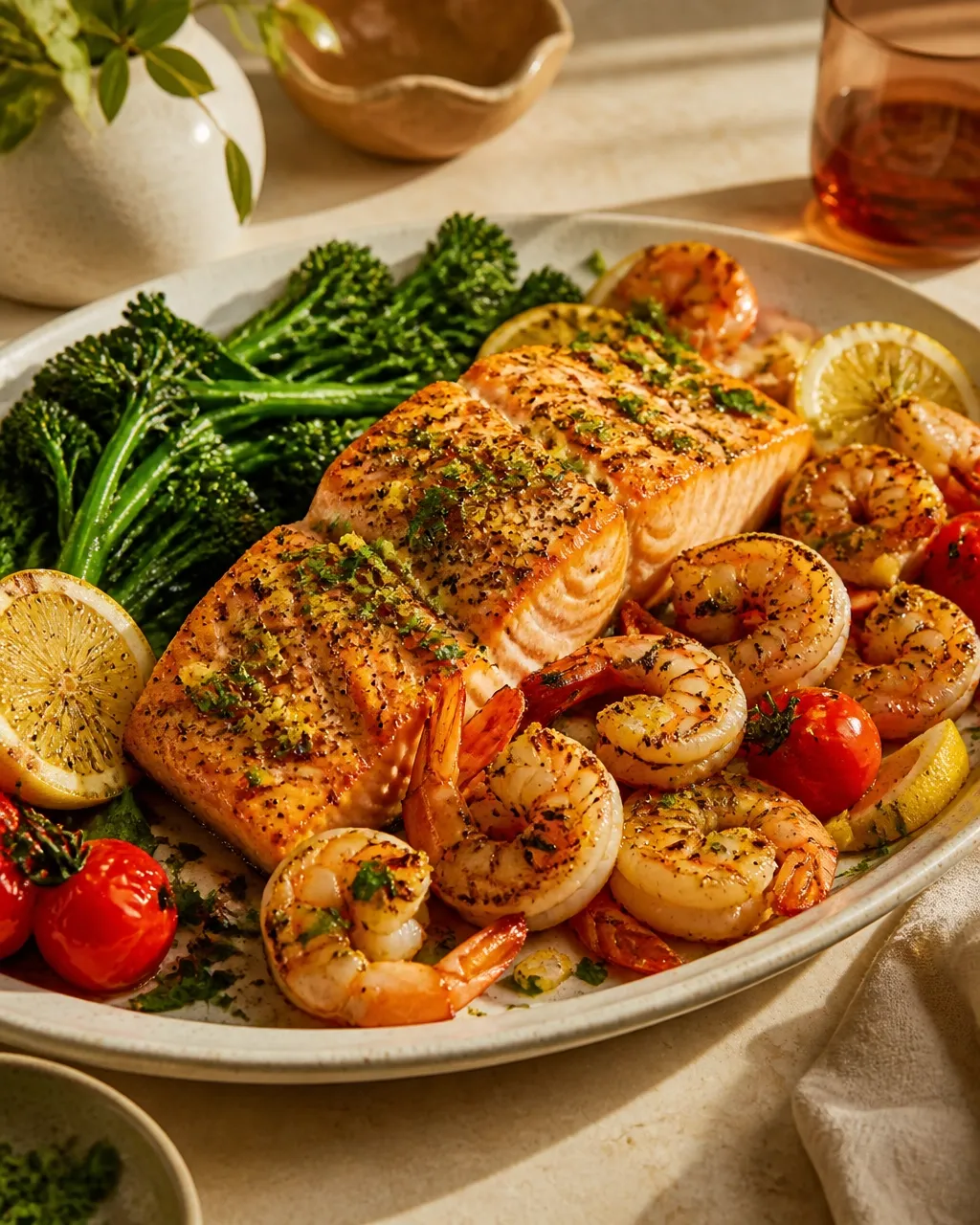
Let’s talk about why poaching is the ultimate move for salmon. Most people overcook their fish because they are terrified of undercooking it. When you sear salmon in a pan or roast it at high heat, the window between "perfectly translucent" and "dry chalk" is about thirty seconds. Poaching in coconut milk changes the game by using gentle, conductive heat.
The protein in salmon, primarily myosin and actin, reacts differently to temperature. Myosin starts to firm up around 104°F, which gives the fish its structure. However, once you hit 140°F, the actin proteins tighten like a fist, squeezing out all the moisture (that’s the white stuff, or albumin, you sometimes see leaking out of the fish). Use a gentle simmer to keep the liquid between 160°F and 170°F. This allows the fish to reach an internal temperature of about 125°F slowly. Avoid a hard boil at all costs. If the liquid is dancing violently, your fish will end up tough and mealy.
The coconut milk itself is a scientific marvel for one pot meals. It is an emulsion of fat and water. The fat serves two purposes: it carries flavor compounds from your aromatics (like ginger and garlic) and it coats the fish fibers, providing a luxurious mouthfeel even if you lean toward a leaner cut of salmon. However, emulsions are fragile. If you add high heat and high acidity simultaneously, the sauce will break, leaving you with a greasy, curdled mess. Add your lime juice only at the very end, once the heat is off. The residual heat is enough to incorporate the flavor without destabilizing the coconut fats.
Don’t forget the power of a "quick brine." Sprinkle salt on your salmon fillets about 15 minutes before they hit the pan. This dissolved salt works its way into the muscle fibers, helping the proteins hold onto water during the cooking process. It’s the difference between a fillet that flakes beautifully and one that feels like a sponge. When picking out your healthy dinner ideas, remember that fat is not the enemy here, it’s the vehicle for all that lime and ginger goodness.
Creative Variations for Every Palate
While salmon is the star here, the beauty of this technique is its adaptability. If you aren't a fan of salmon, swap it for a thick white fish like halibut or cod. Just be aware that white fish has less fat and less connective tissue, so it will cook even faster than salmon. Keep a close eye on the flakiness; as soon as it yields to a fork, get it out of the heat.
For a plant-based twist, use extra-firm tofu or even a can of chickpeas. If you go the tofu route, press the blocks well first to remove excess water so they can soak up that coconut broth like a sponge. If you’re looking to bulk up the vegetable content, try adding sliced mushrooms or bamboo shoots. These add an earthy "umami" that balances the brightness of the lime.
If you like a bit of heat, whisk in a tablespoon of red curry paste to the coconut milk before you add the fish. The capsaicin in the chilies thrives in the fatty environment of the coconut milk, spreading a gentle, consistent warmth throughout the dish. This makes it one of the most versatile and easy dinner recipes for those who like to customize their spice levels.
Perfect Side Dish Pairings
Since this dish is so rich and creamy, you want side dishes that provide a counterpoint in texture or acidity. A bowl of fluffy jasmine rice is the classic choice. The rice acts as a neutral canvas that soaks up every drop of that lime-scented broth. If you’re keeping things low-carb, cauliflower rice works surprisingly well here, as its slightly nutty flavor complements the coconut.
For a bit of crunch, you can actually utilize other appliances. Sometimes I look for air fryer recipes dinner ideas just to find a crispy topping. Try air-frying some thinly sliced shallots or kale chips for three minutes and crumbling them over the top right before serving. The "snap" of the crispy topping against the "silk" of the poached salmon is a texture lover’s dream. Check out our guide on air fryer sausage and peppers if you want to see how we maximize that air-fried crunch for other meals.
A simple cucumber salad with rice vinegar and a pinch of sugar is another winner. The cold, crisp cucumbers and the sharp vinegar cut through the richness of the coconut milk, hitting those "high notes" that keep your palate excited throughout the meal. It turns a simple bowl into one of those quick family meals that feels like a full-spread experience.
Frequently Asked "What If" Questions
Can I use light coconut milk instead of full-fat?
Technically, yes, but you shouldn't. Light coconut milk is essentially full-fat coconut milk that has been watered down. From a science perspective, the lower fat content makes the emulsion much less stable, meaning it is far more likely to curdle when you add the lime juice. Stick to the full-fat cans for that signature velvety texture that defines the best healthy dinner ideas.
What if my sauce separates or looks grainy?
Don't panic! It usually happens because the heat was too high or the lime juice went in too early. While it might not look like a Michelin-star sauce, it will still taste delicious. To fix it next time, ensure the liquid is at a "lazy" simmer, just a few bubbles breaking the surface occasionally. You can also whisk a teaspoon of cornstarch into a tablespoon of cold water (a slurry) and stir it into the simmering broth to help bind everything back together.
Can I make this with frozen salmon?
Yes, but thaw it completely first. If you drop a frozen block of fish into the broth, the outside will overcook and become tough before the inside even starts to warm up. Thaw your fish in the fridge overnight or in a sealed bag under cold running water for 20 minutes. Pat it bone-dry with paper towels before salting; excess water on the surface of the fish will dilute your poaching liquid.
What if I don't have lime?
Lemon is a decent substitute, but it lacks the floral notes of lime. If you’re totally out of citrus, a splash of rice vinegar can provide the necessary acidity to balance the fat, though you'll miss that "zesty" punch. Always prioritize the zest: that’s where the aromatic oils live. For more tips on achieving the perfect sauce balance, you might enjoy our look at achieving glossy sauces in other one-pot dishes.
How do I know the salmon is actually done?
Use the "flake test." Take a fork and gently press down on the thickest part of the fillet. If the layers of muscle separate easily, it’s ready. If it resists or feels "rubbery," give it another two minutes. If you want to be precise, aim for 125°F for medium or 135°F for fully opaque.
{“@type”:”BlogPosting”,”image”:”https://cdn.marblism.com/HDikhppkipd.webp”,”author”:{“name”:”Penny”,”@type”:”Person”},”@context”:”https://schema.org”,”headline”:”One-Pot Coconut Lime Salmon & Veggies”,”publisher”:{“logo”:{“url”:”https://cdn.marblism.com/KxroJ1kM_KA.webp”,”@type”:”ImageObject”},”name”:”Cookpedia”,”@type”:”Organization”},”description”:”Discover the science behind perfectly poached salmon in this one-pot coconut lime recipe. Quick, healthy, and full of flavor for busy weeknights.”,”datePublished”:”2026-05-22″,”mainEntityOfPage”:{“@id”:”https://cookpedia.com/one-pot-coconut-lime-salmon”,”@type”:”WebPage”}}