Recipe
Servings
Servings 1×
Ingredients
- Penne
- Pasta
- Cream
- Black pepper
Method
- Use a heavy-bottomed skillet or Dutch oven and get it hot.
- Give it one good stir at the start to ensure the penne isn't clumping, then let the heat do its job.
- Use the "toss" technique at the very end.
If you have ever stared at a pile of dirty dishes after cooking a "simple" meal and felt like your kitchen just staged a coup, you are my people. I love a gourmet flavor profile as much as anyone, but I draw the line at scrubbing three pans for one dinner. That is exactly why this one-pot smokey sausage and pepper penne has become a staple in my rotation of quick family meals. It is the ultimate kitchen hack: we are using the pasta’s own starch to build a silk-smooth sauce while leveraging high-heat chemistry to get that "cooked all day" depth in under twenty minutes. It is efficient, it is smart, and it is a total game-changer for your weeknight sanity.
The Science of the Simmer: Why One-Pot Works
Most people think one-pot pasta is just about saving time on cleanup. While that is a massive perk, the real magic is happening at the molecular level. When you boil pasta in a giant vat of water and drain it, you are literally pouring your best sauce-thickening agent down the sink. In a one-pot environment, we are keeping every single starch molecule right where it belongs: in your dinner.
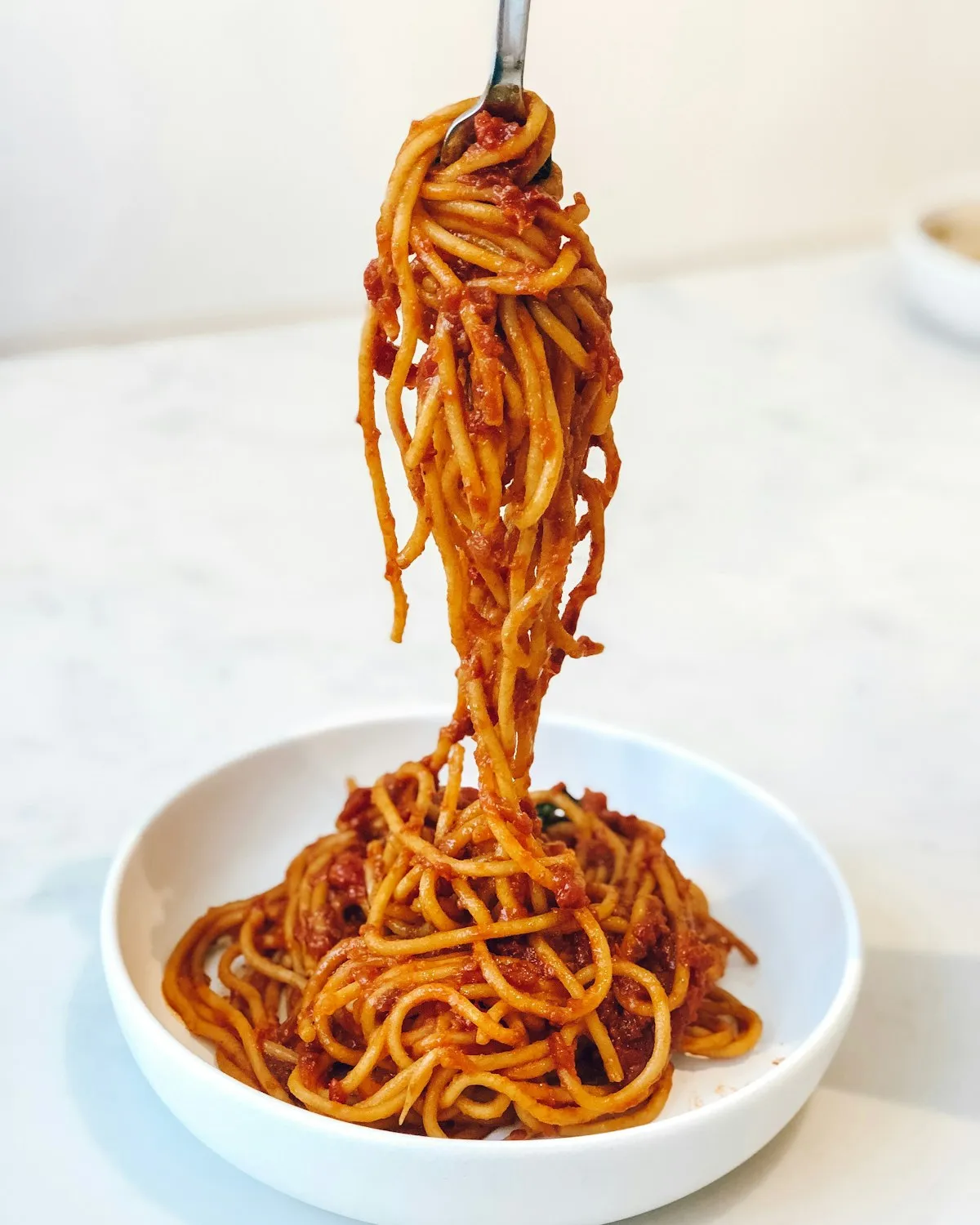
Mastering the Maillard Reaction
Before you even think about adding liquid, you have to talk about browning. The deep, savory "smokey" profile of this dish comes from the Maillard reaction. This is a chemical reaction between amino acids and reducing sugars that occurs when meat hits a hot pan.
Use a heavy-bottomed skillet or Dutch oven and get it hot. When you sear your sliced sausage, you are creating hundreds of new flavor compounds that simply don't exist in un-browned meat. Look for that deep golden-brown crust and those little browned bits: known as "fond": sticking to the bottom of the pan. This fond is a concentrated flavor bomb. If you skip this and just boil everything together, your dinner will taste "grey" instead of "bold." This same principle of high-heat browning is why people love air fryer recipes dinner options; it’s all about that concentrated surface heat.
Starch Gelatinization and Emulsification
Once your sausage and peppers are seared, you introduce the liquid and the dry penne. As the water heats up, the starch granules in the pasta begin to swell and eventually "leak" into the liquid. This process, called gelatinization, turns your cooking broth into a natural thickener.
Check your liquid-to-pasta ratio carefully. You want just enough liquid to submerge the pasta, roughly 1.75 times the weight of the pasta. As the water evaporates and the pasta absorbs what remains, the starch concentration skyrockets. This starchy liquid acts as an emulsifier, bridging the gap between the rendered sausage fat and the cooking broth. The result? A glossy, clingy sauce that coats every tube of penne without the need for heavy cream or complicated roux. For more on the physics of the perfect sauce, check out my guide on achieving the perfect glossy sauce.
Technical Mastery: Tips for the Perfect Texture
Avoid the temptation to stir the pot constantly. I know it's hard to look away, but aggressive stirring can actually rupture the delicate starch granules, leading to a gummy, pasty texture rather than a silky one. Give it one good stir at the start to ensure the penne isn't clumping, then let the heat do its job.
Check the "doneness" of your pasta about two minutes before the package directions suggest. In a one-pot setup, the pasta continues to cook as it sits in the residual heat of the thickened sauce. If you wait until it is perfectly soft to turn off the heat, it will be overcooked by the time it hits the table. Use the "toss" technique at the very end. Once you remove the pot from the heat, give it a vigorous few shakes and stirs. This final bit of agitation helps the emulsification process cross the finish line, leaving you with a professional-grade sheen on your healthy dinner ideas.
Variations for the Modern Kitchen
The beauty of this technical foundation is that you can swap the components once you understand the "why" behind the process.
- The Protein Swap: If you want a leaner profile, use turkey or chicken sausage. Because these have lower fat content, you might need a teaspoon of olive oil to kickstart the Maillard reaction and prevent sticking.
- Vegetarian Innovation: Swap the sausage for smoked tofu or thick-cut mushrooms. To mimic the depth of meat, add a pinch of smoked paprika or a drop of liquid smoke. This keeps the "smokey" profile intact while catering to plant-based needs.
- The Heat Factor: If you want to lean into the "pepper" side of things, introduce pickled jalapeños or red chili flakes during the browning phase. The heat from capsaicin is fat-soluble, so it will infuse beautifully into the rendered sausage oils before the water is ever added.
Balancing the Plate: Side Dish Pairings
Since this penne is rich, smokey, and starch-heavy, your side dishes should focus on acidity and crunch to provide a necessary counterpoint.
- Arugula with Lemon Vinaigrette: The peppery bite of arugula and the sharp acidity of lemon juice cut right through the richness of the sausage fat. It’s a classic "chemical balance" for the palate.
- Charred Broccolini: For a more substantial side, quick-char some broccolini with a dash of vinegar. The bitterness of the greens resets your taste buds between bites of savory pasta.
- Lightened Up Comfort: If you are a fan of hearty pairings, consider something like kielbasa and pierogi for a separate meal, but for this specific penne, keep it light and green.
Troubleshooting & FAQ: The Science of "What If?"
Why is my sauce watery instead of glossy?
This usually happens if the liquid-to-pasta ratio was too high or if the heat wasn't high enough to facilitate evaporation. If you find yourself with excess liquid at the end, remove the lid and turn the heat up to medium-high for the last 60 seconds. The rapid boiling will help reduce the liquid while the agitation of the bubbles helps the starch emulsify the remaining fats.
Can I use gluten-free pasta for this?
Technically yes, but proceed with caution. Gluten-free pastas (made from rice, corn, or chickpeas) release starch differently than wheat pasta. They often have a narrower window between "hard" and "mushy." Check the pot frequently and expect a slightly different sauce viscosity, as the protein-to-starch ratio in GF flour doesn't always provide the same "cling."
My sausage didn't brown, it just steamed. What happened?
Crowding is the enemy of the Maillard reaction. If you put too much sausage in the pan at once, the moisture they release has nowhere to go. It turns into steam, which caps the temperature at 212°F (100°C): far below what you need for browning. Cook the sausage in batches if necessary to ensure every piece has direct contact with the hot metal.
Is this actually one of those healthy dinner ideas?
Absolutely. By using the pasta's own starch to create the sauce, you are skipping heavy creams and excessive butter. You're getting high-quality protein, complex carbs, and a massive dose of vitamin C from the bell peppers. It's a balanced, "real food" approach to quick family meals that doesn't sacrifice flavor for speed.
Can I do this in an air fryer?
While the pasta itself needs to be submerged in liquid to hydrate, you can certainly use air fryer recipes dinner techniques to "pre-roast" your peppers and sausages for an even deeper charred flavor before tossing them into the pot with the pasta and water. It’s an extra step, but if you love that charred skin on a bell pepper, it’s a pro move.