Recipe
Servings
Servings 1×
Ingredients
- Chicken
- Tofu
- Chickpeas
- Quinoa
- Rice
- Bread
- Potatoes
- Sweet potatoes
- Spinach
- Kale
- Cucumber
- Onion
- Garlic
- Fresh ginger
- Lemon
- Lime
- Tahini
- Coconut milk
Method
- Use this technique every single time; it is a non-negotiable for high-impact cooking.
- Keep a gentle simmer to maintain that perfect, velvet-like consistency.
- Use the science of starch!
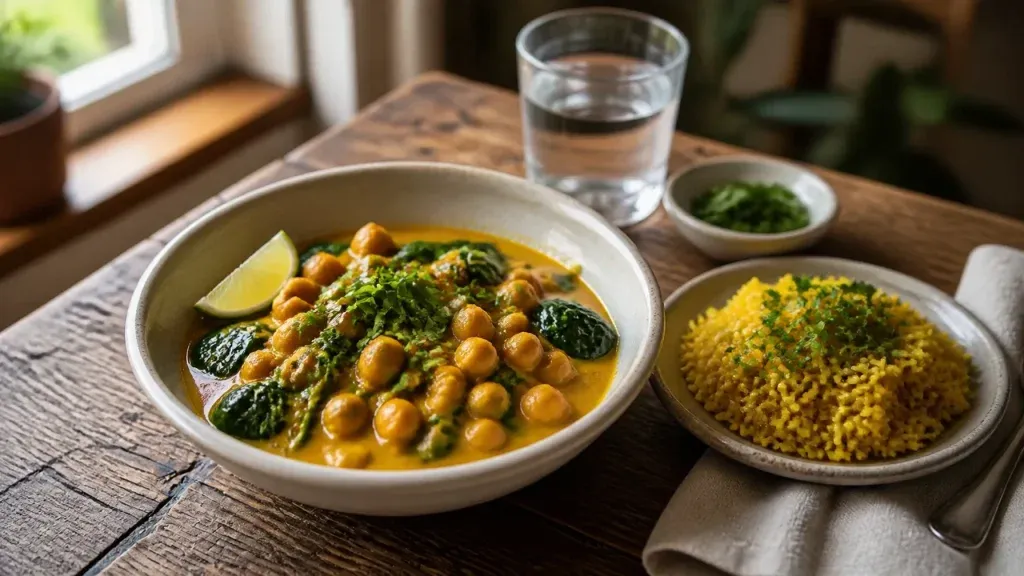
If you’re staring at a half-empty pantry on a Tuesday night wondering how to turn a few humble vegetables into a meal that actually feels like a hug, you’re in the right place. My One-Pot Sweet Potato and Chickpea Curry is the ultimate solution for those nights when you want something spectacular without the mountain of dishes. This isn't just another vegetable stew; it’s a masterclass in building deep, complex flavors using simple science and a single pot. It’s one of those healthy dinner ideas that tastes like you’ve been simmering it for hours, even though it comes together in a flash.
The Chemistry of Flavor: Blooming and Gelatinization
To move from a "flat" tasting curry to a restaurant-quality masterpiece, you have to understand the science of the "bloom." Most home cooks make the mistake of adding dry spices directly into a liquid base. Don't do that. Spices like cumin, turmeric, and coriander contain fat-soluble volatile compounds. When you toss them into hot oil: a process called blooming: you trigger a multi-step chemical transformation. First, the heat ruptures the cellular walls of the spices, releasing trapped oils. Second, these oils act as a carrier, extracting flavors that simply won't dissolve in water. Finally, the Maillard reaction kicks in, where the sugars and proteins in the spices undergo a chemical change that creates a much deeper, earthier profile. Use this technique every single time; it is a non-negotiable for high-impact cooking.
Once your flavor base is built, we turn our attention to the texture. This curry relies on the starch gelatinization of the sweet potatoes to achieve its signature creaminess. As the sweet potatoes simmer, their starch granules: specifically the amylopectin: begin to absorb the surrounding moisture and swell. Eventually, these granules burst, releasing starch into the coconut milk. This doesn't just thicken the sauce; it creates a structural network that stabilizes the oil-in-water emulsion of the coconut milk. This science is why your curry remains thick and luxurious rather than separating into a watery mess.
Avoid over-boiling, though. While we want gelatinization, extended high heat can eventually cause those starch chains to degrade, leading to a loss of viscosity. Keep a gentle simmer to maintain that perfect, velvet-like consistency. This focus on efficiency and texture is what makes our cooking guides so effective for busy home cooks. We aren't just giving you steps; we're giving you the "why" so you can cook with confidence every night.
Smart Prep for Seamless Cooking
Efficiency is the name of the game when you're looking for quick family meals. Before you even turn on the stove, get your "mise en place" (everything in its place) ready. Cube your sweet potatoes into uniform half-inch pieces. This isn't just for aesthetics; uniform surface area ensures that every piece reaches the point of starch gelatinization at exactly the same time. If some pieces are huge and others are tiny, you’ll end up with a mix of crunchy centers and mushy exteriors.
Check your chickpeas as well. If you're using canned chickpeas, rinse them thoroughly to remove excess sodium and aquafaba (the canning liquid), which can interfere with the salt balance of your curry. By having these prepped and ready to go, you reduce the stress of the cooking process and ensure that the "blooming" phase doesn't result in burnt spices while you're busy chopping. Remember, once those spices hit the oil, the clock is ticking, and you need to be ready to add your aromatics like ginger and garlic within seconds to prevent scorching.
Flavor Variations and Balancing Act
While the sweet potato and chickpea base is a powerhouse of nutrition and flavor, you can easily pivot this recipe to suit whatever is lurking in your fridge. The key is maintaining the balance of richness and acidity. Coconut milk is incredibly rich in fats, which can sometimes feel heavy on the palate. To cut through that richness, always finish your dish with a bright hit of acidity: think lime juice or a splash of rice vinegar.
If you’re craving a bit more green, toss in a few handfuls of spinach or kale at the very end. The residual heat of the curry will wilt the greens in seconds without overcooking them. For those who want more protein, seared tofu or even leftover roasted chicken can be stirred in during the final five minutes of simmering. If you're a fan of our kielbasa pierogi air fryer roast, you know we love a good shortcut; you can even use pre-roasted vegetables from earlier in the week to shave even more time off your prep.
For a spicy kick, don't just add more chili flakes at the end. Instead, bloom a sliced red chili or a teaspoon of red curry paste in the oil with your dry spices. This ensures the heat is integrated into the fat of the dish, providing a consistent, warming glow rather than a sharp, localized burn on your tongue.
The Perfect Side Dish Pairings
A great curry deserves a companion that respects its complexity. Traditionally, fluffy basmati rice is the gold standard because its long grains stay separate, providing a wonderful textural contrast to the creamy curry. If you want to boost the nutritional profile, quinoa or brown rice are excellent healthy dinner ideas that offer a nutty flavor and extra fiber.
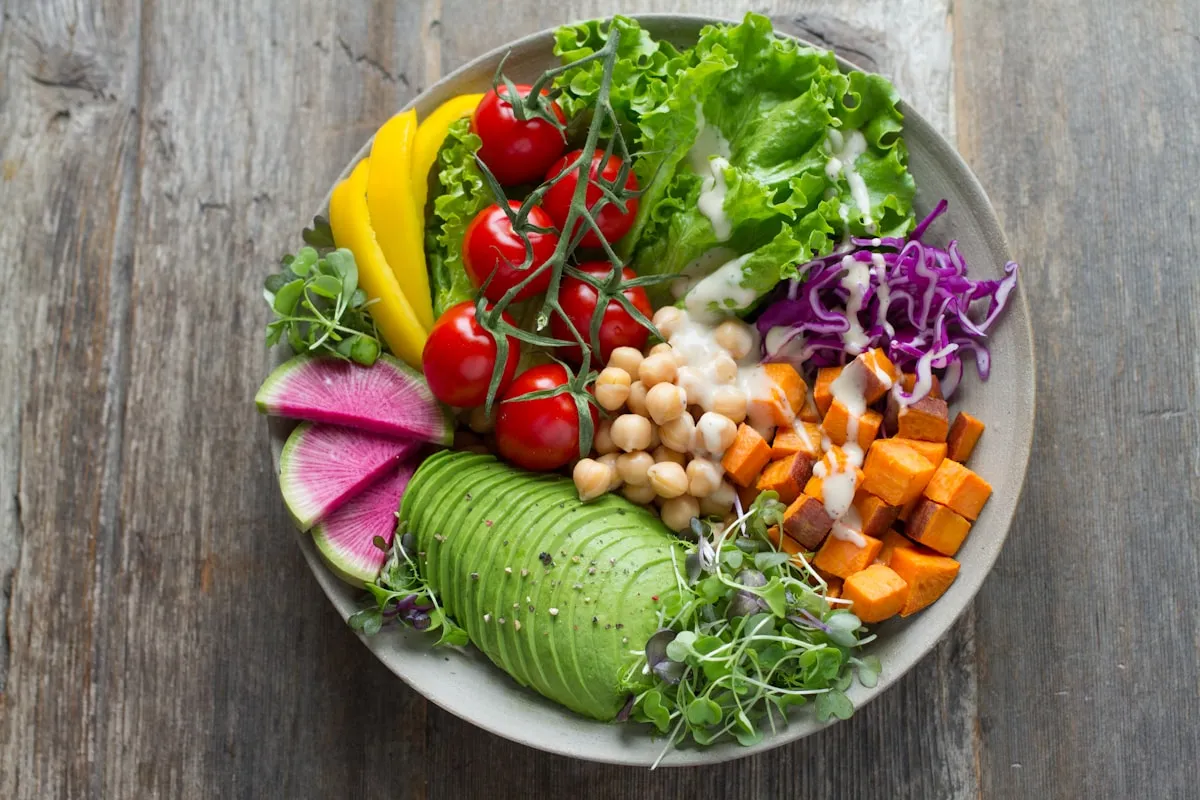
Don't overlook the power of bread. A warm piece of naan or even a simple toasted sourdough can act as the perfect vessel for scooping up every last drop of that starch-stabilized sauce. If you’re looking to keep things light, a crisp cucumber and red onion salad with a simple lemon-tahini dressing provides a cooling counterpoint to the warm spices of the curry. The crunch of the raw vegetables breaks up the soft texture of the sweet potatoes and chickpeas, making every bite feel fresh and exciting.
Curry Science FAQ
Why did my coconut milk separate and look curdled?
This usually happens due to "breaking" the emulsion. High heat (a vigorous boil) or high acidity added too early can cause the proteins in the coconut milk to denature and clump together, releasing the fat. To prevent this, keep the curry at a gentle simmer and always add your lime juice at the very end, once the pot is off the heat.
Can I make this in an air fryer?
While you can't cook the liquid curry in an air fryer, you can certainly use it to prep! If you're looking for air fryer recipes dinner inspiration, try roasting your sweet potato cubes in the air fryer first at 400°F for 10 minutes. This creates a Maillard-rich crust on the outside of the potatoes before they ever hit the curry pot, adding an extra layer of caramelized flavor.
My curry is too thin. How do I fix it without adding more cream?
Use the science of starch! Take a ladle of the curry (including some sweet potatoes and chickpeas) and blend it or mash it with a fork, then stir it back into the pot. This releases a concentrated burst of gelatinized starch and fiber, thickening the sauce instantly without changing the flavor profile.
Are the chickpeas supposed to be soft or firm?
In a one-pot curry, you want the chickpeas to be "tender-to-the-tooth." Because they are already cooked (if canned), they only need to simmer long enough to absorb the spices and for the outer skin to soften slightly. If they are mushy, you’ve likely overcooked the dish; if they are grainy, they need a few more minutes of heat to allow the water to penetrate the starch in the center of the legume.
How do I store and reheat this without it getting gummy?
The starch gelatinization that thickens the curry can continue as it cools, making it appear thicker the next day. When reheating, add a small splash of water or vegetable broth to loosen the "gel" back into a sauce. Reheat gently on the stove rather than the microwave to avoid breaking the coconut milk emulsion.
Home cooking doesn't have to be a chore, and it certainly shouldn't be bland. By understanding how heat interacts with fat and starch, you can turn a few basic ingredients into a restaurant-quality meal that satisfies the soul. Happy cooking!