Recipe
Servings
Servings 1×
Ingredients
- Chicken
- Rice
- Garlic
- Fresh ginger
- Honey
Method
- Let’s be honest: the only thing better than a delicious, soul-warming dinner is a delicious, soul-warming dinner that doesn't leave you with a mountain of crusty pans to scrub.
- Use a high-quality skillet or pot and get that skin or surface deeply browned.
- Add your aromatics: freshly grated ginger and garlic: only after the chicken is browned.
Let’s be honest: the only thing better than a delicious, soul-warming dinner is a delicious, soul-warming dinner that doesn't leave you with a mountain of crusty pans to scrub. If you’re like me, your kitchen philosophy probably leans heavily toward "flavorful but efficient." That’s where the magic of the one-pot bowl comes in. Today, we’re diving into a dish that hits all the right notes: sweet, salty, savory, and surprisingly scientific. It’s the ultimate solution for those looking for quick family meals that don't taste like they came out of a box.
The Chemistry of the Perfect One-Pot Grain
Cooking chicken and rice in the same vessel isn't just a convenience; it’s a calculated move to maximize flavor. When you sear your chicken first, you’re initiating the Maillard reaction: that glorious chemical dance where amino acids and sugars react under heat to create hundreds of complex flavor compounds. Don't skip the sear! Use a high-quality skillet or pot and get that skin or surface deeply browned. This "fond" (the brown bits stuck to the bottom) is the foundation of your entire bowl.
Now, let's talk about the jasmine rice. Jasmine is a long-grain variety known for its delicate floral aroma and slightly sticky texture. The science here is all about amylopectin. Unlike basmati, which is high in amylose (keeping the grains separate and firm), jasmine has a higher ratio of amylopectin, which makes it softer and more prone to clumping if handled incorrectly. To master this, you must rinse your rice until the water runs crystal clear. You are literally washing away the surface starch that would otherwise turn your beautiful dinner into a gummy mess.
Check your liquid-to-rice ratio carefully. Because we are cooking in a closed environment where the chicken also releases moisture, a 3:4 ratio of rice to liquid is usually the sweet spot. If you use too much water, the rice over-gelatinizes; too little, and the starch granules won’t fully hydrate, leaving you with crunchy bits. Once the lid goes on, stop peeking! You need that steam trap to finish the job. Resting the pot for ten minutes after the heat is off is a non-negotiable step. It allows the moisture to redistribute evenly throughout the grains, ensuring every bite is as fluffy as the last.
Mastering the Teriyaki Balance
Teriyaki is more than just a sauce; it’s a technique. The word itself comes from "teri" (luster) and "yaki" (grill/broil). To get that signature shine, you need to manage your sugars. Most teriyaki bases rely on honey, maple syrup, or brown sugar. If you add the sauce too early in the searing process, those sugars will undergo pyrolysis: they’ll burn and turn bitter before the chicken is even cooked.
Add your aromatics: freshly grated ginger and garlic: only after the chicken is browned. Ginger contains an enzyme called zingibain, which can actually help tenderize the meat, while garlic provides the pungent baseline that balances the sweetness of the glaze. When the sauce hits the pan, the water content evaporates, concentrating the flavors and allowing the sugars to reach a stage of "soft ball" caramelization, which creates that beautiful, glossy coating. This is one of those healthy dinner ideas that proves you don't need heavy creams to achieve a rich mouthfeel.
Variations for Every Lifestyle
While jasmine rice is the classic choice, I know many of you are looking for grain-free alternatives or different protein profiles. If you’re following a keto or paleo path, you can easily swap the rice for cauliflower rice. However, the science changes here: cauliflower rice doesn't absorb liquid like grains do; it releases it. Avoid adding the same amount of broth, or you’ll end up with soup. Instead, steam the cauliflower rice right on top of the chicken during the last five minutes of cooking.
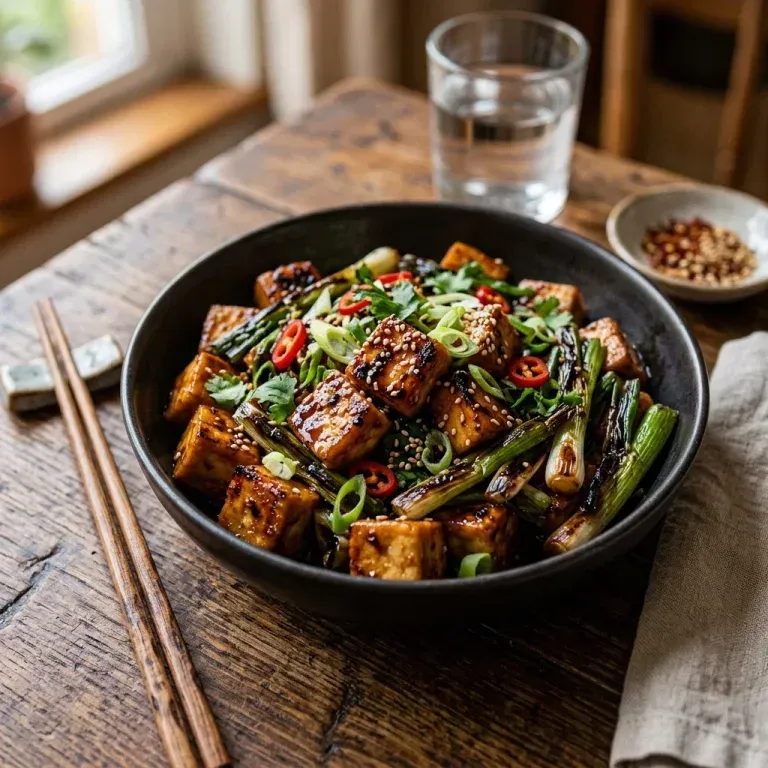
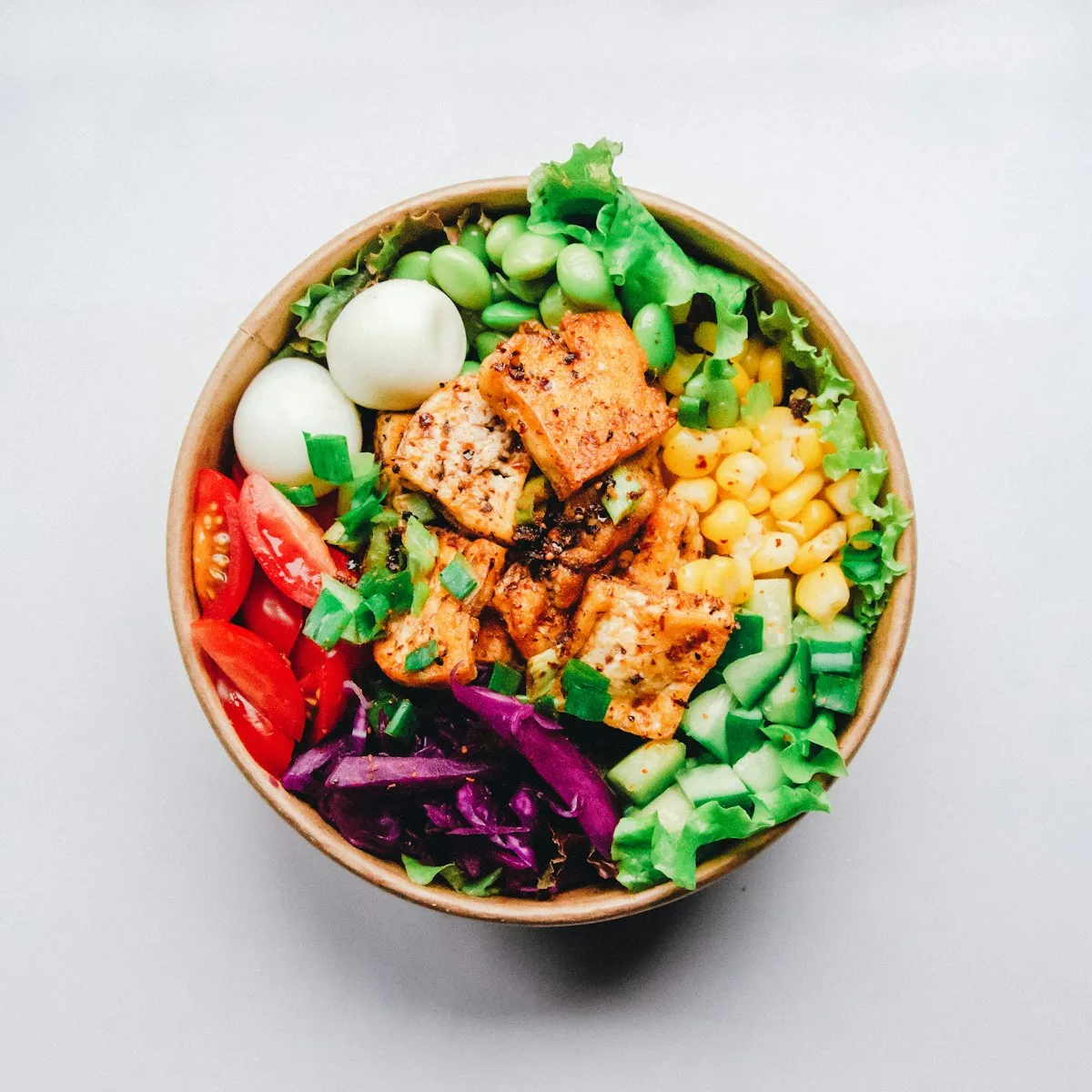
For my plant-based friends, tofu is a stellar substitute. Much like our air-fryer sesame tofu bowl, you want to press the tofu to remove excess moisture before searing. This ensures the Maillard reaction can happen effectively. If you want to keep the "fryer" vibe alive, check out our other air fryer recipes dinner enthusiasts love: you can crisp up the tofu separately and toss it in the glaze at the end.
Side Dish Pairings: The Power of Acidity
A teriyaki bowl is inherently rich and sweet. To make this a truly balanced meal, you need to introduce acidity to cut through that weight. A simple cucumber salad dressed in rice vinegar and a splash of toasted sesame oil is the perfect companion. The acetic acid in the vinegar cleanses the palate, making each bite of the chicken feel fresh rather than cloying.
Alternatively, consider a quick slaw. Cabbage provides a much-needed crunch that contrasts with the soft, fluffy jasmine rice. If you’re feeling bold, a side of kimchi brings fermentation into the mix, adding a probiotic punch and a spicy fermented tang that elevates the entire experience. If you’re looking for more inspiration on how to build these types of "power bowls," our arugula power salad guide offers great tips on layering textures and flavors.
Frequently Asked Questions
Why is my rice still hard even though the liquid is gone?
This usually happens because the heat was too high, causing the liquid to evaporate before the rice grains could fully absorb it. To fix this, add two tablespoons of boiling water, put the lid back on tightly, and let it sit off the heat for another 10 minutes. Avoid stirring, as this will break the grains and release more starch.
Can I use brown rice in a one-pot dish?
You can, but the timing is completely different. Brown rice still has the bran and germ attached, which means it requires significantly more water and about triple the cooking time of jasmine rice. If you go this route, you’ll need to add the chicken much later in the process, or it will be overcooked and rubbery by the time the rice is tender.
My sauce didn't thicken. What did I do wrong?
Thickness in a one-pot teriyaki comes from the reduction of sugars and the slight release of starch from the rice. If it’s too runny, you likely had too much residual liquid. Next time, ensure your rice-to-water ratio is precise. For a quick fix, you can remove the lid and simmer on medium-high for 2-3 minutes at the very end to drive off excess moisture, but watch closely to prevent burning.
Is this recipe suitable for meal prep?
Absolutely. The structure of jasmine rice holds up well to reheating, provided you don't overcook it initially. To reheat, add a tiny splash of water to the bowl before microwaving; this creates a mini-steam chamber that revives the rice's soft texture. This is a staple in my rotation of quick family meals specifically because it tastes just as good on Wednesday as it did on Monday.
How do I prevent the chicken from sticking to the pot?
Use a heavy-bottomed pot and make sure the oil is shimmering before adding the meat. Most importantly: do not touch the chicken until it naturally releases from the pan. If it’s sticking, the Maillard reaction isn't finished yet. Patience is the most important ingredient here!