Recipe
Servings
Servings 1×
Ingredients
- Chicken
- Garlic
- Cooking oil
Method
- Prepare the ingredients described in the article and heat the cooking surface or oven as directed.
- Cook the main ingredients using the heat and timing guidance in the article.
- Finish with the seasonings and garnishes named in the article, then serve.
If you have ten minutes and a high-heat craving, you’re in the right place. Thai Basil Chicken, or Gai Pad Krapow, is the undisputed heavyweight champion of the weeknight kitchen. It’s salty, spicy, and carries an aromatic punch that’ll wake up your senses faster than a double espresso. This isn’t just a meal; it’s a high-speed collision of flavor that fits perfectly into your rotation of quick family meals. Forget the takeout menus; we’re making something faster, fresher, and significantly more impressive right in your own skillet.
The Science of the Sear and the Scent
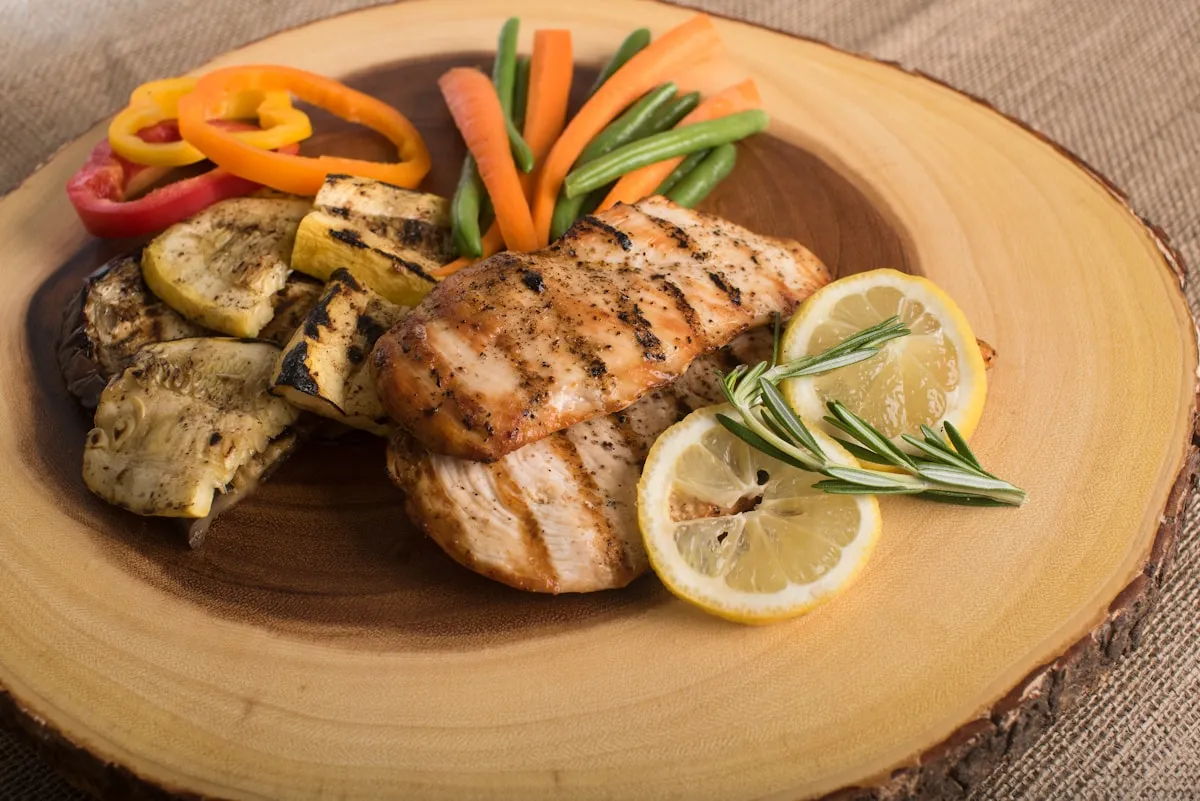
To master this dish, you have to understand the physics of a hot pan. We aren’t simmering here; we are stir-frying. This means heat management is your absolute priority. When you throw ground chicken into a screaming-hot skillet, you are triggering the Maillard reaction. This isn’t just "browning"; it’s a complex chemical dance where amino acids and reducing sugars create hundreds of new flavor compounds.
Avoid the "Steam Trap."
One of the most common mistakes is crowding the pan. If you put too much meat in at once, the temperature drops, the chicken releases moisture, and suddenly you’re boiling your dinner in its own juices. Use a wide skillet or a wok to ensure moisture evaporates instantly. You want those crispy, caramelized edges that provide the savory backbone for the sauce.
Aromatics and Surface Area
The foundation of the flavor comes from a "holy trinity" of garlic and bird’s eye chilies. Smash them into a rough paste rather than slicing them into neat little rings. By breaking the cell walls of the garlic and chilies, you increase the surface area and release the essential oils. When these hit the hot oil, the capsaicin (the heat) and the allicin (the garlic punch) infuse the fat, which then coats every single morsel of chicken.
The Volatility of Basil
The namesake of this dish, Thai holy basil, is temperamental. Its signature peppery, clove-like aroma comes from volatile compounds like eugenol. These compounds are extremely heat-sensitive. If you cook the basil for more than thirty seconds, those flavors vanish into the air, leaving you with nothing but wilted green bits. Toss the leaves in at the very last second, kill the heat, and let the residual energy of the pan do the work. This ensures your healthy dinner ideas actually taste like the fresh ingredients you started with.
Variations for Every Palate
While the classic version is hard to beat, the beauty of a one-pot stir-fry is its adaptability. If you are looking for healthy dinner ideas that lean into plant-based territory, firm tofu is an exceptional substitute. Press the tofu well to remove moisture, then crumble it into the pan to mimic the texture of minced meat. The goal remains the same: high heat and high-impact browning.
For those who prefer a different protein profile, ground pork or turkey works beautifully. Pork offers a richer, fattier mouthfeel that stands up well to the intense heat of the chilies. If you’re feeling adventurous, try using finely chopped shrimp. The key is to adjust your cooking times; shrimp only needs about ninety seconds before it turns rubbery, so keep your eyes on the pan.
If you can't find holy basil (the "Krapow" in the name), don't panic. Thai sweet basil, which has a distinct anise or licorice note, is a widely accepted alternative. In a pinch, even Italian basil can step in. While the flavor profile will shift slightly, the fundamental balance of salty fish sauce and sweet palm sugar will still carry the day.
Perfect Pairings: Balancing the Burn
Thai Basil Chicken is an intense dish, so your side pairings should focus on contrast and balance.
- The Non-Negotiable Fried Egg: In Thailand, this dish is almost always served with a Kai Dao (a crispy fried egg). Use plenty of oil and high heat to get those lacy, browned edges while keeping the yolk runny. The richness of the yolk acts as a natural sauce that tempers the spice of the chilies.
- Jasmine Rice: The floral, slightly sweet aroma of steamed jasmine rice is the perfect neutral canvas for the salty-umami sauce. It absorbs the juices without becoming mushy.
- Cucumber Salad: Acidity is the best tool for cutting through richness. A simple side of sliced cucumbers with a splash of rice vinegar and a pinch of sugar provides a cooling, crunchy relief from the heat. It’s an essential part of making these quick family meals feel like a complete, restaurant-quality experience.
Stir-Fry Success FAQ
What if I can't find bird's eye chilies?
Use serrano or jalapeño peppers. They are milder, so you might need to use more of them to achieve a similar kick. If you want the flavor without the fire, remove the seeds and the white pith before mashing them with the garlic.
Why is my chicken grey and watery instead of brown?
Your pan wasn't hot enough, or you moved the meat too much. Get the oil shimmering before the chicken goes in. Spread the meat out and leave it alone for at least a minute to let that crust form. Also, check that you aren't using "enhanced" chicken that has been injected with brine, as this will release too much water.
Can I use dried basil?
No. This is a non-negotiable. Dried basil has a completely different flavor profile that will ruin the dish. If you can’t get fresh basil, you’re better off making a different stir-fry entirely. Freshness is the soul of this recipe.
How do I adjust the saltiness?
The salt comes from the fish sauce and soy sauce. If the dish is too salty, add a squeeze of lime juice at the end. The acidity will mask the saltiness and brighten the whole dish. For a deeper dive into sauce balance, check out my guide on achieving the perfect glossy sauce.
Can I make this in an air fryer?
While this is traditionally a wok dish, you can use an air fryer to prep some of the components. For example, check out our kielbasa and pierogi air fryer roast or the sausage and pepper medley for inspiration on high-heat "roasting" that mimics stir-frying. However, for Thai Basil Chicken, the skillet is still king for that immediate caramelization.
Is this dish gluten-free?
Only if you use tamari instead of soy sauce and ensure your oyster and fish sauces are certified gluten-free. Always check labels, as many brands use wheat as a thickener in oyster sauce.
{“@type”:”FAQPage”,”@context”:”https://schema.org”,”mainEntity”:[{“name”:”What if I can’t find bird’s eye chilies?”,”@type”:”Question”,”acceptedAnswer”:{“text”:”You can use serrano or jalapeño peppers as a substitute. They are milder, so you may need to use more. To reduce heat further, remove the seeds and pith before cooking.”,”@type”:”Answer”}},{“name”:”Why is my chicken grey and watery instead of brown?”,”@type”:”Question”,”acceptedAnswer”:{“text”:”This usually happens if the pan isn’t hot enough or if you crowd the pan with too much meat at once. Ensure the oil is shimmering and brown the chicken in batches if necessary to allow moisture to evaporate quickly.”,”@type”:”Answer”}},{“name”:”Can I use dried basil?”,”@type”:”Question”,”acceptedAnswer”:{“text”:”No. Dried basil does not have the same aromatic profile as fresh basil and will not work in this dish. Always use fresh Thai holy basil, Thai sweet basil, or Italian basil.”,”@type”:”Answer”}},{“name”:”How do I fix a dish that is too salty?”,”@type”:”Question”,”acceptedAnswer”:{“text”:”Add a squeeze of fresh lime juice at the end. The acidity helps balance the saltiness and brings a brightness to the savory flavors.”,”@type”:”Answer”}}]}