Recipe
Servings
Servings 1×
Ingredients
- Shrimp
- Tofu
- Chickpeas
- Rice
- Peas
- Cucumber
- Onion
- Garlic
- Lime
- Coconut milk
- Cream
- Cooking oil
- Curry spices
- Chili seasoning
- Salt
Method
- Prepare the ingredients described in the article and heat the cooking surface or oven as directed.
- Cook the main ingredients using the heat and timing guidance in the article.
- Finish with the seasonings and garnishes named in the article, then serve.
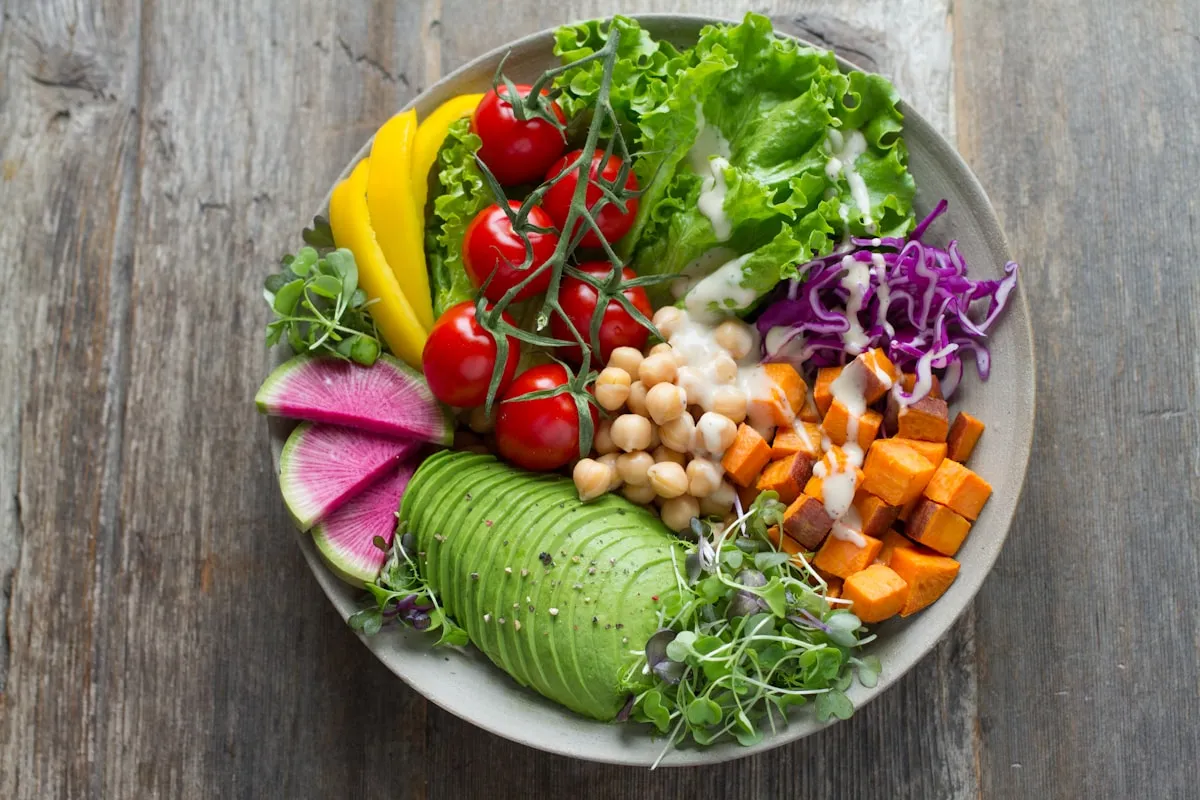
There is something deeply soulful about a curry that comes together in a single pot in less time than it takes to decide what to watch on TV. I’m always on the hunt for quick healthy meals that don't taste like a compromise, and this vegan Thai green curry is exactly that. It’s aromatic, creamy, and packed with that specific kind of heat that wakes up your palate without overwhelming it. Whether you are a seasoned pro or just looking for new plant-based dinner ideas, this dish is a non-negotiable for your weeknight rotation.
The Chemistry of Flavor: Blooming and Cracking
When you’re making a curry, the most important step happens in the first three minutes. Most people make the mistake of just dumping curry paste into a pot of cold coconut milk. Don't do that. If you want a restaurant-quality finish, you have to understand the science of "blooming" your paste and "cracking" your cream.
Thai green curry paste is a concentrated mixture of aromatics: lemongrass, galangal, shrimp paste (which we replace with miso or vegan alternatives), and, of course, green chilies. These ingredients contain volatile aromatic compounds that are fat-soluble. This means their flavor is locked away until they meet heat and fat. By "blooming" the paste: frying it in a small amount of oil or coconut fat: you rupture the cell walls of these aromatics. This process integrates the flavors and removes the "raw" edge from the garlic and shallots.
If you have high-quality coconut milk (the kind without stabilizers like guar gum), you can perform a technique called "cracking." Coconut milk is an emulsion of oil and water. When you simmer the thick cream from the top of the can, the water evaporates. Eventually, the emulsion breaks, and the coconut oil separates. This is the "crack." Frying your paste directly in this separated coconut oil creates a depth of flavor that a simple stir-in cannot match. Look for brands that are high in fat and avoid anything labeled "light" for this specific technique.
Once the paste is fragrant and small beads of oil start to rise to the surface, you’ve successfully extracted the fat-soluble flavor compounds. Only then should you add the rest of your coconut milk and your vegetables. This ensures the sauce is rich and cohesive rather than watery.
Master the Texture of Eggplant and Tofu
Eggplant is a sponge. If you toss it into a thin sauce, it will soak up the liquid and become mushy. To avoid this, cut your Thai or Japanese eggplant into uniform bite-sized pieces so they cook evenly. The goal is to have the eggplant tender enough to melt in your mouth but structured enough to hold its shape.
For the tofu, always use extra-firm. Give it a quick press to remove excess moisture before adding it to the pot. This allows the tofu to absorb the spicy, coconutty broth without falling apart. If you’re a fan of air fryer recipes dinner enthusiasts usually rave about, you can actually air-fry the tofu cubes for 10 minutes before adding them to the curry to give them a resilient, chewy skin that stands up beautifully to the sauce.
Creative Variations for Every Palate
While eggplant and tofu are the classic stars here, the beauty of a one-pot curry is its versatility. You can easily pivot based on what is lingering in your crisper drawer.
- The Protein Swap: If tofu isn't your thing, chickpeas make an excellent high-protein substitute. They add a nutty texture that pairs perfectly with the creamy coconut base. For those who aren't strictly vegan but still want healthy dinner ideas, seared scallops or shrimp can be dropped in during the final two minutes of simmering.
- The Vegetable Medley: If you find eggplant polarizing, try using bamboo shoots or snap peas. Snap peas add a much-needed crunch that contrasts with the creaminess of the sauce. Red bell peppers are also a great addition for a pop of color and a touch of natural sweetness to balance the green chili heat.
- Spice Adjustments: Store-bought green curry paste varies wildly in heat. If you find your curry is too spicy, whisk in an extra tablespoon of coconut cream or a teaspoon of brown sugar. The sugar doesn't just make it sweet; it chemically balances the capsaicin, making the heat feel more rounded.
Perfect Pairings for a Balanced Meal
A great curry needs a wingman. To truly enjoy this as one of your quick family meals, you need a side dish that can soak up every last drop of that green gold.
- Jasmine Rice: This is the gold standard. The floral aroma of jasmine rice complements the lemongrass in the curry perfectly. If you want to level up, cook your rice with a bruised stalk of lemongrass or a kaffir lime leaf in the pot.
- Crispy Tofu Bites: If you didn't put the tofu in the curry, serve some crispy air-fried tofu on the side. The crunch provides a fantastic textural contrast to the soft eggplant.
- Cooling Slaw: A simple cucumber and red onion salad with a splash of rice vinegar and a pinch of sugar provides a hit of acidity and coolness. This "cuts" through the richness of the coconut milk, preventing the meal from feeling too heavy.
Troubleshooting Your Curry: The FAQ
What if my curry sauce is too thin?
If your curry looks more like a soup than a sauce, don't panic. This usually happens if the vegetables release too much water or if the coconut milk was low in fat. To fix this, let the curry simmer uncovered for an extra 5-7 minutes. This allows the excess water to evaporate, concentrating the flavors and thickening the liquid. Avoid using a cornstarch slurry if you can; it changes the mouthfeel of traditional Thai curries.
Can I make this with light coconut milk?
You can, but I don't recommend it. Light coconut milk is essentially full-fat coconut milk that has been diluted with water. It lacks the richness required to carry the intense spices of the green curry paste. If you are watching calories, it’s better to use full-fat milk but use slightly less of it, topping up with a splash of vegetable broth if needed.
Why is my curry bitter?
Bitterness usually comes from two places: burnt curry paste or overcooked herbs. If you fry your paste on too high a heat, the garlic and chilies can scorch. Always bloom your paste over medium heat. Secondly, only add your fresh Thai basil at the very end. If basil boils for too long, it loses its sweet, anise-like flavor and turns bitter and dark.
How do I store leftovers?
This curry actually tastes better the next day because the flavors have more time to meld. Store it in an airtight container in the fridge for up to three days. When reheating, do it gently on the stove over low heat. If the sauce has thickened too much in the fridge, add a tablespoon of water or coconut milk to loosen it up. Avoid the microwave if possible, as it can make the tofu rubbery.
Is green curry paste always vegan?
Not necessarily. Traditional Thai green curry paste often contains shrimp paste. If you are strictly plant-based, always check the label for "shrimp paste" or "belacan." Many modern brands offer a vegan version that uses fermented soybean or extra salt to mimic that savory umami.
For more soulful and accessible cooking guides, check out our full library of recipes at Cookpedia.com. Happy cooking!