Recipe
Servings
Servings 1×
Ingredients
- Shrimp
- Pasta
- Noodles
- Rice
- Bread
- Asparagus
- Corn
- Garlic
- Lemon
- Balsamic vinegar
- Cream
- Hard cheese
- Butter
- Cooking oil
Method
- Add them to the pan only when your pasta is about three or four minutes away from being done.
- Use the residual heat of the pan to do the heavy lifting.
- Stir in the zest for aroma, then squeeze the juice over the finished dish once the heat is off.
- Keep it light, keep it fresh, and let the main dish shine.
- Use slightly less water than you would for wheat pasta and stay vigilant: the window between "perfectly cooked" and "falling apart" is much smaller.
You know those Tuesday nights where your brain feels like a browser with forty tabs open, and three of them are playing music you can’t find? I’ve been there. You want something that tastes like a spring morning in Tuscany but you have exactly fifteen minutes before you need to collapse on the sofa. Enter the lemon asparagus pasta. It’s light, it’s zingy, and it’s a masterclass in efficiency. We’re ditching the massive pot of boiling water and the colander drama. Instead, we’re using a little bit of kitchen science to make the pasta cook its own sauce. It’s soulful, it’s fast, and it’s going to change how you look at a box of noodles forever.
The Science of the "One-Pot Gloss"
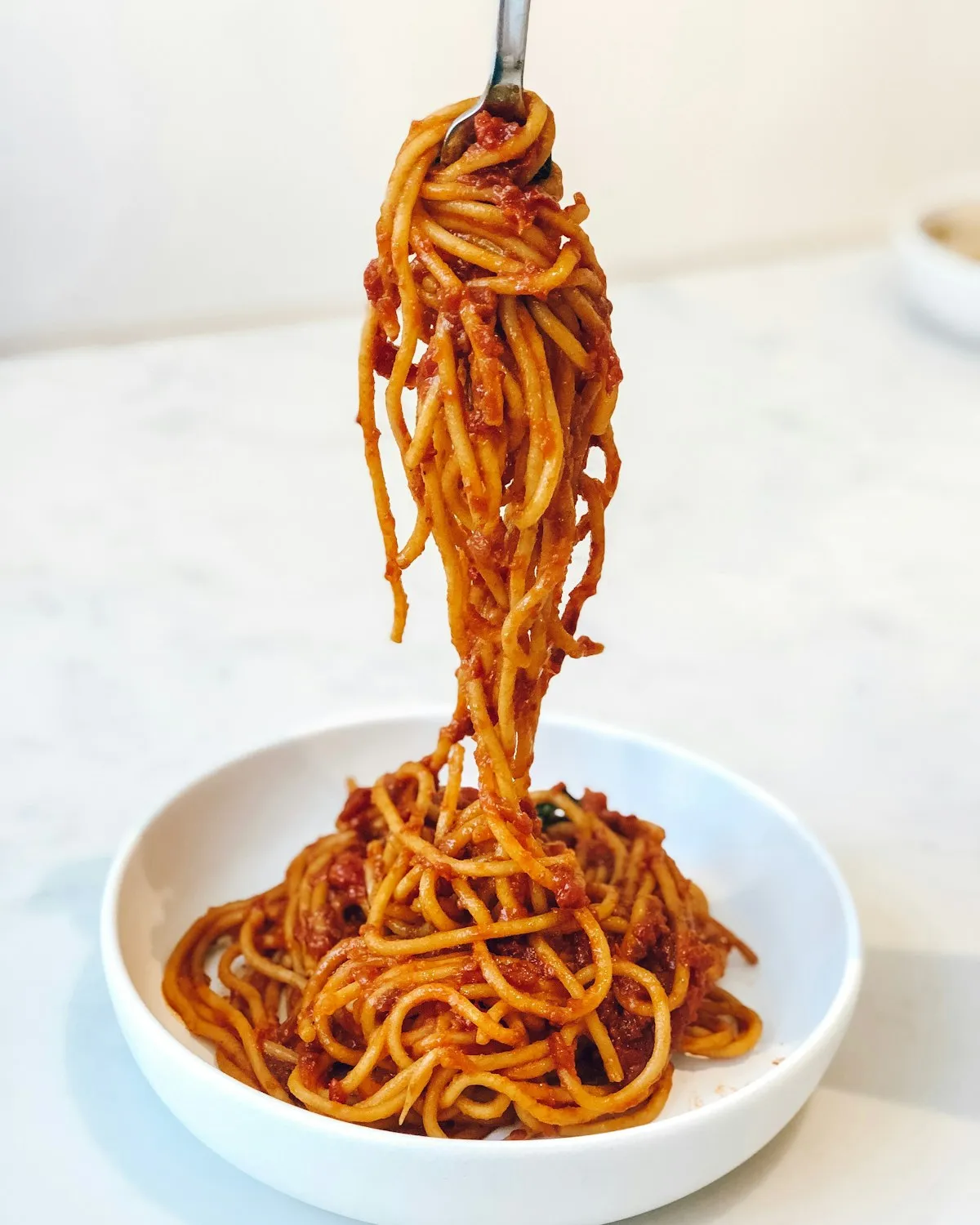
Most people think of pasta water as something to be tossed down the drain, but in the world of one pot meals, that water is liquid gold. When you boil pasta in a traditional giant pot, you’re diluting and then discarding the starch. In this method, we use just enough liquid to submerge the dry pasta. As the noodles heat up, they release starch molecules: specifically amylose and amylopectin. Because there’s so little water, that starch becomes highly concentrated. This creates a natural thickener that allows fats (like your olive oil or a knob of butter) to emulsify into a silky, glossy sauce that clings to every strand.
To get this right, start your pasta in cold or lukewarm water rather than dropping it into a rolling boil. This sounds like heresy to traditionalists, but starting cold allows the pasta to hydrate evenly and release its starch in a controlled way. Avoid adding oil to the water at the beginning. If you coat the pasta in oil too early, you’ll create a barrier that prevents the starch from leaching out, and your sauce will end up oily and thin instead of creamy. Check out my guide on achieving the perfect glossy sauce if you want to dive deeper into the chemistry of emulsification.
Timing is your best friend when dealing with asparagus. These green spears are delicate; they don't need a ten-minute soak. Add them to the pan only when your pasta is about three or four minutes away from being done. This keeps them "crisp-tender": bright green with a slight snap. If you add them too early, they’ll turn into a grey, mushy mess that saps the vitality right out of the dish. Use the residual heat of the pan to do the heavy lifting.
The final, non-negotiable rule: the lemon goes in last. Acid is a double-edged sword in the kitchen. If you add high-acid liquids like lemon juice or vinegar at the start of the cooking process, the low pH can actually inhibit the starch from gelatinizing properly. This means your water won't thicken, and your sauce won't emulsify. Save that bright citrus kick for the very end. Stir in the zest for aroma, then squeeze the juice over the finished dish once the heat is off. This preserves the "vitality" of the flavor and ensures your sauce remains stable.
Elevating Your Simple Pasta Recipes
While this dish is a superstar on its own, you can easily adapt it based on what’s lingering in your fridge. The key to successful simple pasta recipes is maintaining the balance between acidity, fat, and texture. If you’re craving more protein, consider searing some shrimp in the pan before you start the pasta, then setting them aside and tossing them back in at the end. The charred bits left in the pan (the "fond") will dissolve into your pasta water and add an incredible depth of flavor.
For a nutty crunch, toast some pine nuts or walnut halves and sprinkle them on top just before serving. The earthiness of the nuts plays beautifully against the high notes of the lemon. If you want a more "soulful" comfort feel, stir in a spoonful of ricotta or mascarpone at the very end. The starch in the water will help the cheese melt into a velvety coating without clumping.
Don't be afraid to experiment with herbs, but stick to the soft ones. Fresh mint or basil can completely transform the profile from "bright and zesty" to "refreshing and aromatic." Just remember the golden rule of minimalist cooking: if it doesn't add a specific flavor or texture, leave it out. We’re going for high-impact simplicity here.
Balancing the Plate: Pairings
A dish this zingy needs a partner that won't compete for attention. Think about contrast. Since the pasta is rich with starch and bright with citrus, look for a side that offers a peppery or bitter note. A simple arugula (rocket) salad with a very light balsamic vinaigrette is perfect. The bitterness of the greens cuts through the buttery sauce of the pasta, resetting your palate for the next bite.
If you’re feeling extra hungry, a thick slice of toasted sourdough is the only way to go. You’ll want something sturdy to mop up every last drop of that emulsified lemon-butter sauce left at the bottom of the bowl. Avoid anything too heavy or garlic-heavy, as it can overwhelm the delicate grassy notes of the fresh asparagus. Keep it light, keep it fresh, and let the main dish shine.
Vitality FAQ: Troubleshooting Your One-Pot Wonders
What if I’m using gluten-free pasta?
You can absolutely use gluten-free noodles, but proceed with caution. Gluten-free pasta often releases a different type of starch (usually corn or rice-based) that can become gummy if overcooked. Use slightly less water than you would for wheat pasta and stay vigilant: the window between "perfectly cooked" and "falling apart" is much smaller. Check the texture frequently starting at the five-minute mark.
Why is my sauce watery instead of creamy?
This usually happens if you used too much water or didn't let the liquid reduce enough. If you find yourself with too much liquid as the pasta hits al dente, don't panic. Simply crank the heat for the last sixty seconds and stir vigorously. The mechanical action of stirring helps the fat and starchy water bond together. If all else fails, a sprinkle of finely grated Parmesan can act as a "glue" to help the sauce tighten up.
Can I use frozen asparagus?
You can, but expect a softer texture. Frozen vegetables are blanched before freezing, which means they’re already partially cooked. If you’re using frozen, don't add them three minutes early. Instead, toss them in at the very last minute just to heat through. Avoid over-stirring them, as they tend to be more fragile than fresh stalks.
My sauce separated and looks oily. What happened?
This is often caused by adding the cheese or lemon juice to a boiling pan. Extreme heat or sudden pH changes can cause the emulsion to "break," resulting in pools of oil. To fix it, remove the pan from the heat entirely and add a tablespoon of hot starchy water (if you have any left) or a tiny splash of cream, then whisk like your life depends on it. The goal is to re-incorporate the fat into the liquid.
Can I reheat this the next day?
One-pot pastas are best eaten immediately because the starch continues to absorb liquid even after you stop cooking. If you must reheat it, add a splash of water or broth to the pan first. This helps loosen the "tight" starch and restores that glossy sheen. Avoid the microwave if possible; a quick toss in a pan over medium heat will give you a much better result.
{“@type”:”BlogPosting”,”image”:”https://cdn.marblism.com/lRMQ3cMpCii.webp”,”author”:{“name”:”Penny”,”@type”:”Person”},”@context”:”https://schema.org”,”headline”:”One-Pot Vitality: 15-Minute Lemon Asparagus Pasta”,”keywords”:”one pot meals, simple pasta recipes, healthy dinner ideas”,”publisher”:{“logo”:{“url”:”https://cdn.marblism.com/r31hCYxu5lk.webp”,”@type”:”ImageObject”},”name”:”Cookpedia”,”@type”:”Organization”},”description”:”Discover the science of the one-pot method with this 15-minute lemon asparagus pasta. Learn how to create a glossy, emulsified sauce using pasta starch and fresh ingredients.”,”datePublished”:”2026-06-09T05:00:00″,”mainEntityOfPage”:{“@id”:”https://cookpedia.com/one-pot-vitality-15-minute-lemon-asparagus-pasta”,”@type”:”WebPage”}}