Recipe
Servings
Servings 1×
Ingredients
- Potatoes
- Sweet potatoes
- Apple
- Tomatoes
- Onion
- Garlic
- Fresh ginger
- Lime
- Peanut butter
- Cream
- Butter
- Salt
Method
- Prepare the ingredients described in the article and heat the cooking surface or oven as directed.
- Cook the main ingredients using the heat and timing guidance in the article.
- Finish with the seasonings and garnishes named in the article, then serve.
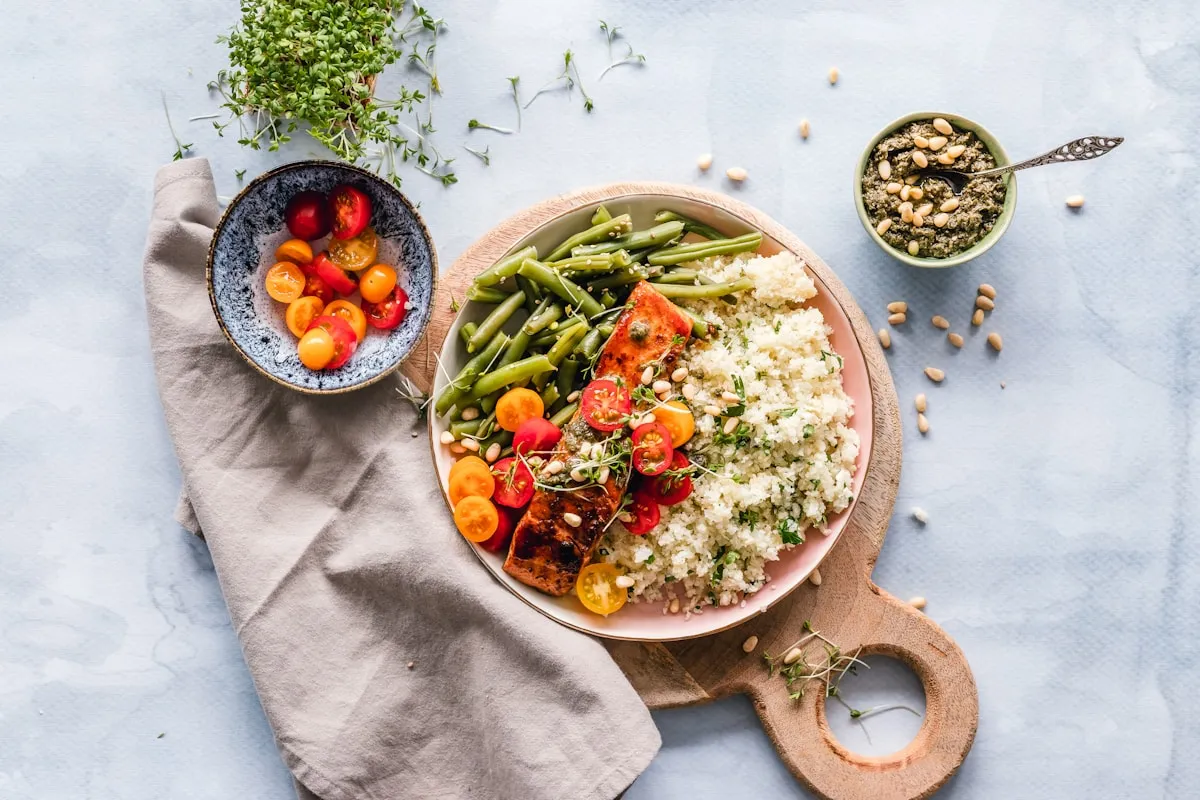
If you’ve ever found yourself staring into the depths of your pantry on a Tuesday night, wondering how a jar of peanut butter and a lonely sweet potato could possibly transform into a gourmet meal, welcome to my world. This West African-inspired stew, often referred to as Maafe, is my absolute secret weapon for quick family meals that feel like a warm hug for your soul. It’s thick, it’s velvety, and it has that magical ability to make you feel like a kitchen genius with about ten minutes of actual effort. Forget complicated techniques; we’re leaning into bold, earthy flavors that do the heavy lifting for you.
The Science of the Simmer: Why This Works
The magic of this stew doesn't happen by accident; it’s a beautiful marriage of chemistry and tradition. Traditionally originating from the Mandinka people of Mali and spreading through Senegal and the rest of West Africa, this dish relies on a foundational technique: the emulsification of fats. When you whisk peanut butter into a simmering tomato and aromatics base, you aren't just making it "nutty." You are creating a stable emulsion. The proteins and fats in the peanut butter bind with the water-based broth and the acidic tomato paste, resulting in a sauce that is naturally thick and luxuriously creamy without a drop of heavy cream in sight.
Mastering the Base
Before you even think about the sweet potatoes, focus on your aromatics. Sauté your onions until they are translucent, not browned. If you brown them, you introduce bitter, charred notes that clash with the delicate sweetness of the legumes. Use a generous amount of fresh ginger and garlic. The "why" here is simple: heat volatile compounds in ginger, like gingerol, transform into zingerone when cooked, which provides a milder, woodier spice that rounds out the heavy fat of the peanut butter.
The Maillard Reaction vs. Soft Simmering
While we love a good Maillard reaction (that browning of proteins) for air fryer recipes dinner enthusiasts, this stew is all about the "low and slow" within a single pot. You want your sweet potatoes to reach a state of "structural collapse" where the edges begin to soften into the broth. This naturally releases starches into the liquid, acting as a secondary thickener. Check your heat frequently; a rolling boil will break the emulsion of the peanut butter, leading to an oily film on top. Maintain a gentle simmer to keep the sauce silky and integrated.
Balancing the pH
Peanuts and sweet potatoes are inherently sweet and heavy. Without acidity, the dish can feel "one-note." This is why the tomato paste is a non-negotiable ingredient. The citric and malic acids in the tomatoes cut through the richness of the fat. If you find the stew tastes a bit flat halfway through cooking, don't just add salt. Add a splash of apple cider vinegar or a squeeze of lime. This shifts the pH level of the dish, brightening the flavors and making the earthy notes of the cumin and coriander pop.
Variations: Making it Your Own
While I’m a purist when it comes to the peanut-tomato base, the beauty of healthy dinner ideas is their versatility. You can easily pivot this dish to suit what’s in your fridge without ruining the scientific integrity of the sauce.
- The Protein Pivot: If you want to move away from a strictly plant-based version, browned chicken thighs are a classic addition. The fats from the chicken skin integrate beautifully with the peanut sauce. If you’re sticking to plants, chickpeas offer a fantastic structural contrast to the soft sweet potatoes.
- The Green Shift: Traditional Maafe often uses collard greens, which are sturdy and can withstand a long simmer. If you only have spinach or kale, add them at the very end. The residual heat is enough to wilt them without turning them into a slimy mess. Remember, kale has tougher cell walls (cellulose), so it can handle about five minutes of simmering, whereas spinach should be stirred in just before serving.
- The Heat Map: For those who like a kick, Scotch Bonnet peppers are the traditional choice. They offer a fruity, floral heat that pairs perfectly with the sweetness of the potatoes. If you can’t find them, a tablespoon of Harissa paste or a pinch of cayenne will suffice. Just be careful, the fat in the peanut butter will carry that heat across your palate, making it feel more intense than in a water-based soup.
Side Dish Pairings: Texture and Contrast
Because this stew is so rich and creamy, your side dishes need to provide a "palate cleanser" effect or a neutral base to soak up the sauce.
- Aromatic Grains: Serve this over a bed of fluffy white jasmine rice or fonio (a West African ancient grain). The grains act as a neutral canvas that doesn't compete with the complexity of the stew.
- Acidic Slaw: A quick cabbage slaw dressed only with lime juice and a pinch of salt provides the crunch and high-acid contrast needed to break up the "soft" texture of the meal.
- Roasted Plantains: If you want to lean into the sweetness, caramelized plantains offer a different type of sugar profile, more floral and intense, that complements the earthy peanut butter.
FAQ: The Science of "What If?"
What if my sauce is too thin?
Don't reach for flour or cornstarch. Instead, use a fork to mash a few of the cooked sweet potato chunks against the side of the pot. Stir them back in. The released starches will thicken the broth instantly without altering the flavor profile.
Can I use crunchy peanut butter?
Technically, yes, but you will lose that signature velvety Maafe texture. If you use crunchy, the bits of peanut will soften during the simmer and become slightly chewy, which some people find distracting. If you want crunch, add toasted peanuts as a garnish at the very end instead.
Why did my peanut butter separate into an oily layer?
This usually happens if the heat was too high or if you used a "natural" peanut butter that hadn't been stirred well before adding. If this happens, take the pot off the heat and whisk in a tablespoon of warm water or broth very vigorously. The mechanical action can help re-emulsify the fats.
Is this a good option for meal prep?
Absolutely. In fact, like most stews, it tastes better the next day. As the stew cools, the spices have more time to undergo "flavor marriage," where the volatile aromatic compounds distribute more evenly through the fats of the peanut butter. It’s one of those quick family meals that keeps on giving.
Can I substitute the peanut butter if there's an allergy?
You can use sunflower seed butter or almond butter. However, keep in mind that almond butter has a much grittier texture and a more "toasty" flavor, which will change the traditional profile. Sunflower butter is closer in consistency but has a distinct floral bitterness that might require an extra pinch of sugar or honey to balance.
At the end of the day, cooking is just delicious chemistry. This West African-inspired stew is proof that you don't need a pantry full of exotic ingredients to create something that feels profoundly special. It's about understanding how fat, acid, and starch work together to create comfort in a bowl. So, grab your heaviest pot, trust the process, and let the peanut butter do its thing. Your Tuesday night just got a whole lot better.