Recipe
Servings
Servings 1×
Ingredients
- Chicken
- Shrimp
- Chickpeas
- Fettuccine
- Pasta
- Noodles
- Broccoli
- Asparagus
- Spinach
- Garlic
- Lemon
- Cream
- Hard cheese
- Butter
- Cooking oil
- Salt
- Black pepper
Method
- Let’s be real: some nights, the thought of scrubbing three different pans is enough to make you reach for the takeout menu.
- Start by "blooming" your garlic in a little butter or olive oil.
- Use a wide, shallow skillet rather than a deep pot to encourage even evaporation.
- Use real, block Parmesan.
Let’s be real: some nights, the thought of scrubbing three different pans is enough to make you reach for the takeout menu. But I’m here to tell you that soulful, restaurant-quality comfort doesn’t require a mountain of dishes. This one-pot creamy garlic parmesan pasta is my ultimate secret weapon for those hectic weeknights. It’s rich, garlicky, and comes together in just 15 minutes. If you’re looking for quick family meals that don’t sacrifice flavor for speed, this is the one. No boiling water in a separate pot, no colanders, just pure, minimalist magic.
The Science of the One-Pot Silky Sauce
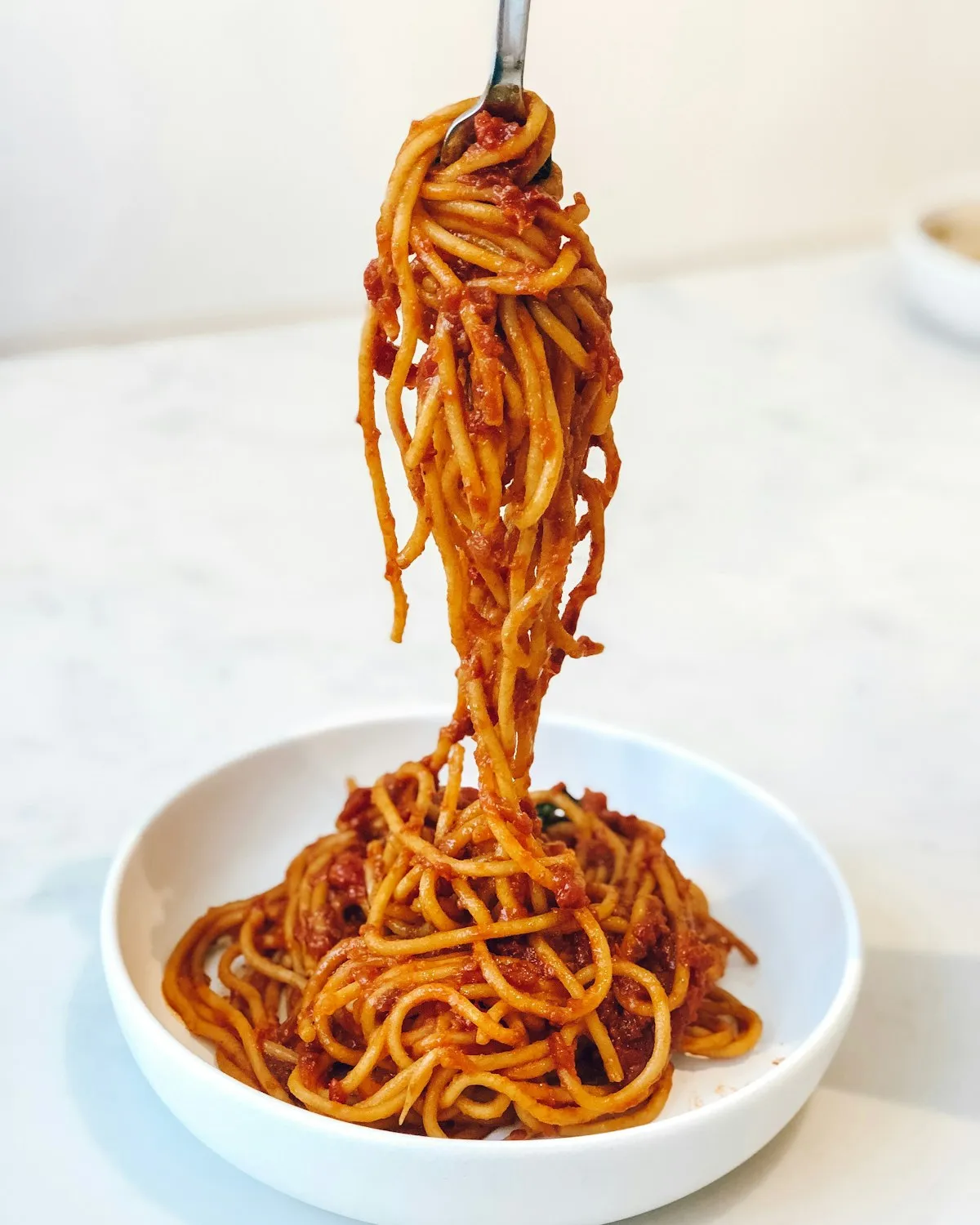
Why does cooking everything in one pot actually result in a better sauce? It all comes down to starch. When you boil pasta in a giant vat of salted water and dump it down the drain, you’re throwing away liquid gold. In this one-pot method, that starch stays right where it belongs: in your pan. As the pasta simmers, it releases starches that act as a natural thickener. This creates a built-in emulsifier that helps the dairy and cheese bind together into a glossy, velvet-like coating that clings to every strand of noodle.
Bloom Your Aromatics
Don't just toss everything in at once. Start by "blooming" your garlic in a little butter or olive oil. Garlic contains sulfur compounds that are fat-soluble. By gently sautéing the minced cloves first, you’re infusing the fat with that punchy, savory aroma before the liquid even hits the pan. Avoid browning the garlic; you want it fragrant and translucent. If it turns bitter and brown, you’ll lose that sweet, mellow garlic profile we’re after.
Master the Liquid Ratio
The biggest fear with one-pot pasta is ending up with a gummy mess or a soupy bowl of noodles. The trick is to use just enough liquid: usually a blend of chicken broth and milk or cream: to barely submerge the dry pasta. Use a wide, shallow skillet rather than a deep pot to encourage even evaporation. Check the pasta frequently. If the liquid is gone but the pasta still has a "crunch," add a splash more broth. If it’s nearly done but looks too liquidy, turn up the heat for the last 60 seconds to reduce the sauce.
The Parmesan Factor
Use real, block Parmesan. This is a non-negotiable. Pre-shredded cheese is coated in potato starch or cellulose to prevent clumping in the bag, but those same additives will prevent it from melting smoothly into your sauce, leaving you with a grainy, separated mess. Grate it yourself on a microplane for the fluffiest texture that melts instantly. Much like our approach to achieving the perfect glossy sauce in other recipes, the quality of your cheese dictates the silkiness of your finish.
Soulful Variations for Every Palate
While the garlic-parm base is a minimalist masterpiece, it’s also a blank canvas. If you’re trying to build a rotation of healthy dinner ideas, you can easily tweak this to fit your nutritional goals. Swap the standard fettuccine for a high-protein chickpea pasta or a whole-wheat variety. Just keep in mind that alternative pastas often release more or less starch, so you’ll need to keep a close eye on your liquid levels.
For a boost of greens, stir in two handfuls of fresh baby spinach during the last minute of cooking. The residual heat will wilt the leaves perfectly without turning them into a soggy mess. If you’re craving a bit of heat, a pinch of red pepper flakes bloomed with the garlic adds a lovely back-of-the-throat warmth that cuts through the richness of the cream.
If you have a bit of leftover protein in the fridge, like grilled chicken or sautéed shrimp, toss it in at the very end just to warm through. It transforms this from a simple side into a hearty centerpiece for those quick family meals that everyone will actually finish.
Balancing Richness: Side Dish Pairings
Because this pasta is unapologetically rich and creamy, your side dish needs to do some heavy lifting in the acidity and crunch department. A heavy starch paired with another heavy side is a recipe for a food coma. Instead, aim for balance.
A simple arugula salad with a sharp lemon vinaigrette is my go-to. The peppery bite of the arugula and the citric acid from the lemon juice act as a palate cleanser, cutting through the dairy and making every bite of pasta feel as fresh as the first. Think of it as a flavor reset button.
Alternatively, roasted broccoli or asparagus: perhaps tossed in the oven while your pasta simmers: adds a necessary charred bitterness. If you’re a fan of using your kitchen gadgets, these veggies are perfect for air fryer recipes dinner prep. A quick 8-minute blast in the air fryer with some lemon zest and salt provides the perfect textural contrast to the soft, supple noodles.
Frequently Asked Questions
Why did my sauce turn out grainy?
Grainy sauce is usually caused by two things: pre-shredded cheese or overheating the dairy. If you used "shaker" parm or the pre-bagged stuff, the anti-caking agents are the culprit. If you used fresh cheese and it still seized, your heat was likely too high when you added it. Stir in your cheese after taking the pan off the high heat. The residual warmth is more than enough to melt it without breaking the emulsion.
Can I use milk instead of heavy cream?
You can, but the sauce will be thinner and more prone to curdling. If you use milk, keep the simmer very gentle and avoid a rolling boil. To compensate for the lower fat content, you might need an extra tablespoon of butter or a little more parmesan to help the sauce "tighten" up. It’s one of those healthy dinner ideas that works well if you’re mindful of the temperature.
Can I make this in an air fryer?
While we love air fryer recipes dinner options for things like kielbasa and pierogies or a sausage and pepper medley, pasta really needs to be submerged in liquid to cook properly. Stick to the stovetop for this one. Use your air fryer for the side dish instead!
What if my pasta is stuck together?
Stir, stir, and stir again. Because you’re working with a small amount of liquid, the pasta is more likely to clump than in a large pot of water. Use a pair of tongs to move the noodles around frequently during the first five minutes of simmering. This ensures that every strand is coated in liquid and starch is released evenly.
How do I store and reheat leftovers?
Creamy pastas are notorious for drying out in the fridge because the pasta continues to absorb the sauce. To reheat, add the pasta to a small skillet with a splash of milk or water over medium-low heat. Stir constantly until the sauce loosens and becomes glossy again. Avoid the microwave if you can, as it tends to break the emulsion and leave you with oily noodles.
{“@type”:”BlogPosting”,”image”:”https://cdn.marblism.com/lRDgcSyzGau.webp”,”author”:{“name”:”Penny”,”@type”:”Person”},”@context”:”https://schema.org”,”headline”:”One Pot, Zero Stress: Creamy Garlic Parmesan Pasta”,”publisher”:{“logo”:{“url”:”https://cookpedia.com/logo.png”,”@type”:”ImageObject”},”name”:”Cookpedia”,”@type”:”Organization”},”description”:”Discover the science of the perfect one-pot creamy garlic parmesan pasta. A minimalist 15-minute meal designed for busy home cooks who value flavor and zero cleanup.”,”datePublished”:”2026-06-05″,”mainEntityOfPage”:{“@id”:”https://cookpedia.com/one-pot-creamy-garlic-parmesan-pasta”,”@type”:”WebPage”}}