Recipe
Servings
Servings 1×
Ingredients
- Chicken
- Tofu
- Pasta
- Noodles
- Rice
- Spinach
- Peas
- Lime
- Honey
- Coconut milk
- Cooking oil
- Soy sauce or tamari
- Sesame
- Curry spices
Method
- Cook the noodles directly in the curry broth.
- Keep extra hot water or broth nearby so you can loosen things as needed without shocking the pan temperature.
- Use chopped peanuts/cashews, toasted sesame seeds, or crispy fried shallots, anything that breaks up the softness.
One-pot meals are the weeknight cheat code: fewer dishes, fewer steps, and way fewer chances to lose your will to cook halfway through. These one-pot coconut curry noodles are my favorite kind of “fast but feels fancy” dinner, creamy coconut milk, punchy curry paste, and noodles that cook right in the sauce so everything turns glossy and rich without extra work. If you’re chasing healthy dinner ideas that still taste like comfort food, you’re in the right kitchen.
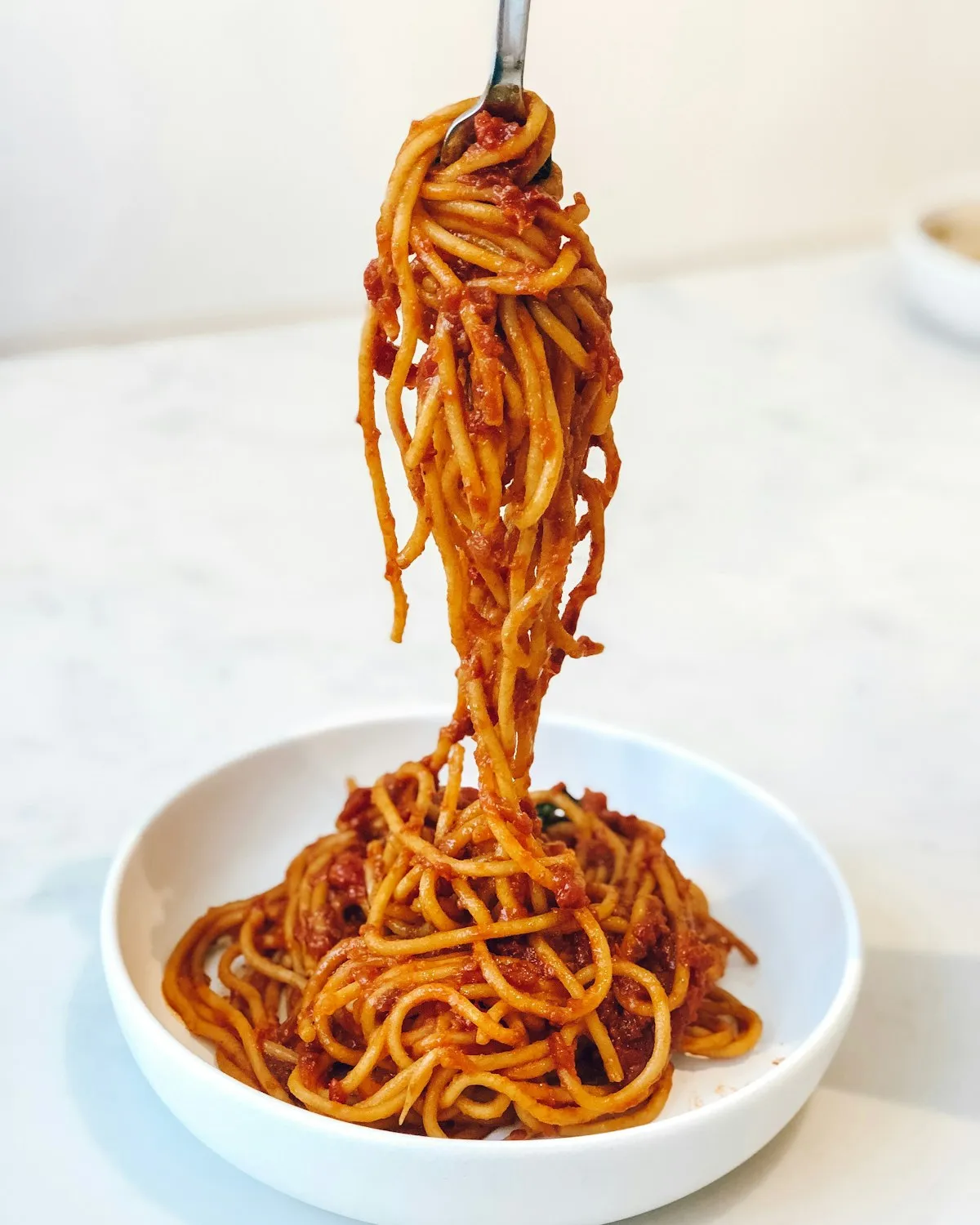
Tips & Technique: Starch + Fat + Heat = Creamy One-Pot Magic
Use the one-pot “starch thickener” on purpose
Cook the noodles directly in the curry broth. Don’t boil them separately “like normal.” When noodles simmer in the sauce, they release a bit of surface starch while also absorbing liquid. That combo naturally thickens the coconut curry into a silky coat that clings to every strand.
Do this: start with a looser sauce than you think you need, because noodles drink liquid like they’re getting paid for it. Keep extra hot water or broth nearby so you can loosen things as needed without shocking the pan temperature.
Bloom curry paste for deeper flavor (don’t just stir it into coconut milk)
Curry paste is concentrated flavor suspended in oils and aromatics. If you dump it straight into liquid, it can taste flat or raw.
Do this: cook the curry paste briefly in oil with your aromatics. That short “bloom” step wakes up fat-soluble flavor compounds and spreads them through the whole pot.
Avoid this: letting it scorch. Burnt curry paste tastes bitter fast, and no amount of lime will fully save it.
Control heat so coconut milk stays creamy, not greasy
Coconut milk is an emulsion (fat + water). Boil it hard and it can split, meaning the fat separates and floats, and your sauce looks oily instead of creamy.
Do this: aim for a gentle simmer, especially after adding coconut milk. If your pan is raging hot, pull it off the heat for a beat, then continue at a calmer bubble. This is a non-negotiable if you want that smooth, velvety texture.
Pick the right pot: wide beats tall
A wide skillet or sauté pan is your friend. Noodles need room to spread, hydrate evenly, and get turned without snapping into sad little fragments.
Do this: use the widest pan you’ve got that can still hold enough liquid. A tall narrow pot encourages clumping (aka “noodle brick”), especially with rice noodles.
Stir like you mean it (but at the right time)
Once noodles go in, frequent stirring prevents clumps and promotes even cooking. But don’t stir aggressively from minute one if your noodles are delicate, some types break if you treat them like spaghetti.
Do this: separate noodles gently with tongs and lift/turn every minute or so.
Avoid this: walking away. One-pot meals reward attention, not vibes.
Season in layers: salty + sweet + acid
Coconut milk is rich, curry paste can be salty/spicy, and noodles are bland sponges. Balanced seasoning is the difference between “nice” and “why can’t I stop eating this?”
Do this:
- Add soy sauce/tamari early for savory depth.
- Add a touch of sweetness (sugar, honey, maple) to round the curry heat and coconut richness.
- Add lime juice at the end (off heat) so it stays bright and doesn’t turn dull.
Acid is the closer here. Without it, coconut curry can taste heavy by the halfway point.
Timing add-ins: don’t punish your vegetables
Different add-ins have different heat tolerance. Treat them accordingly.
Do this:
- Add quick greens (spinach, baby bok choy) near the end so they stay bright.
- Add crunchy veg (snap peas, bell peppers) late if you want bite, earlier if you want them softer.
- If you’re using tofu or chicken, keep in mind: long simmering is fine, but overcooking can dry things out even in sauce.
Texture matters: finish with crunch
Creamy noodles love a crunchy topping. It’s not optional if you want the dish to feel complete. Use chopped peanuts/cashews, toasted sesame seeds, or crispy fried shallots, anything that breaks up the softness.
Variations: Make It Yours Without Breaking the One-Pot Rules
Choose your curry vibe (red, yellow, green)
- Red curry paste: bold, slightly sweet heat; the classic crowd-pleaser.
- Yellow curry paste: milder, warmer spice profile; great for kids or sensitive palates.
- Green curry paste: fresher, sharper heat; amazing with basil and lots of lime.
Non-negotiable: bloom the paste before liquids, no matter which one you pick.
Swap noodle styles (with one key adjustment)
- Ramen-style wheat noodles: sturdy, forgiving, great for one-pot cooking.
- Rice noodles: fast and delicious, but they can go from perfect to mushy quickly.
- Udon: thick and chewy; gives you serious comfort-food energy.
Do this: adjust liquid and attention. Thin noodles cook fast and over-soften fast; thick noodles need more simmer time and more broth.
Protein add-ins that stay tender
- Tofu: pan-brown first if you want texture, or simmer gently for simplicity.
- Shrimp: add at the end; they cook in minutes and turn rubbery if you overshoot.
- Shredded rotisserie chicken: stir in near the end to warm through without drying out.
If you’re chasing quick family meals, rotisserie chicken is the “I still cooked” shortcut that nobody needs to know about.
Make it lighter (without making it sad)
For more healthy dinner ideas, keep the creamy feel but dial back heaviness:
- Use half coconut milk, half broth, then finish with lime and herbs.
- Add extra vegetables for volume and fiber.
- Keep sugar minimal and rely on lime for brightness.
Avoid: “fat-free” coconut milk. It tends to go thin and doesn’t give you that luxurious sauce you’re here for.
Turn it into a pantry one-pot meal
Keep curry paste, coconut milk, and noodles on standby. Then use whatever vegetables you have: frozen peas, shredded carrots, leftover roasted broccoli, this recipe is built for “use what’s in the fridge” nights.
Side Dish Pairings: Add Crunch, Acid, and a Cool Down
Creamy curry noodles are rich, so pair them with sides that cut and refresh.
- Quick cucumber salad: crisp cucumbers + rice vinegar + a pinch of salt = instant balance. Keep it cold and punchy so it cools the curry heat and wakes up your palate.
- Simple steamed greens (broccoli, green beans, bok choy): keep seasoning light, just salt, a squeeze of lime, maybe sesame, so the noodles remain the star.
- Edamame with flaky salt: high-protein, no drama, great for turning this into a more filling dinner without complicating the pot.
- Fruit on the side (mango, pineapple, or even orange slices): sweet + juicy plays surprisingly well with curry spice, especially if you went heavy on chili.
If you’re building a lineup of air fryer recipes dinner ideas for the week, pair these noodles with air-fried broccoli or crisped tofu on the side, same flavor family, zero stovetop chaos.
FAQ: Troubleshooting One-Pot Coconut Curry Noodles
Why did my coconut curry sauce split and look oily?
You likely boiled it too hard after adding coconut milk. Coconut milk is an emulsion; aggressive heat can cause separation.
Do this: keep it at a gentle simmer. If it starts to split, lower heat immediately and stir steadily. Sometimes adding a splash of water and letting it calm down helps bring it back together.
What if my noodles soaked up all the liquid and the pot looks dry?
That’s normal, noodles absorb a lot.
Do this: add hot water or broth a little at a time and stir until you get a glossy, saucy texture again. Don’t dump in cold liquid; it can stall cooking and mess with consistency.
What if my sauce is too thin?
Two common causes: too much liquid at the start or noodles that don’t release much starch.
Do this: simmer for a minute or two uncovered to reduce. If you’re using very low-starch noodles, give it a little extra time to tighten naturally. Avoid cranking the heat, reduce gently so coconut milk stays creamy.
Why are my rice noodles mushy?
Rice noodles overcook quickly, especially in a hot, thick sauce.
Do this: add them later than you think, stir gently, and stop cooking when they’re just tender, they’ll keep softening off heat. If you want extra control, briefly soak rice noodles first, then finish them in the sauce.
What if my curry tastes flat even though I used curry paste?
You probably skipped blooming the paste or didn’t balance the flavors.
Do this: bloom paste in oil next time. For this batch, fix it at the end: add a bit more soy/tamari for depth, a pinch of sugar for roundness, and lime for brightness. Add fresh herbs if you have them, instant upgrade.
How do I keep this from being “too heavy”?
Creamy coconut curry can feel rich fast.
Do this: finish with lime juice, add plenty of crisp vegetables, and consider using a coconut milk + broth split. Also keep portion size honest and serve a crunchy, acidic side (cucumber salad is the MVP).
Can I make it ahead?
You can, but noodles keep absorbing sauce and will soften.
Do this: if meal-prepping, store noodles and sauce separately when possible. If not, reheat gently with a splash of water or broth to loosen, and refresh with lime and herbs right before eating.
Is this good for weeknights when I’m out of energy?
Yes: this is the whole point. One pot, fast cooking, big flavor. It’s exactly the kind of dinner that keeps your “I can’t be bothered” nights from turning into cereal nights, and it belongs in your rotation of quick family meals.
Cookpedia notes + internal links
If you’re on a one-pot kick, keep browsing Cookpedia for more weeknight-friendly comfort food. Start here:
- Spicy Tomato Basil One-Pot Linguine (perfect glossy sauce technique): https://cookpedia.com/spicy-tomato-basil-one-pot-linguine-achieving-the-perfect-glossy-sauce
- Air Fryer Sausage, Pepper & Onion Medley (easy dinner companion): https://cookpedia.com/air-fryer-sausage-pepper-onion-medley-the-ultimate-one-basket-crowd-pleaser
- Kielbasa + Pierogi Air Fryer Roast (comfort-food energy): https://cookpedia.com/kielbasa-pierogi-air-fryer-roast-the-ultimate-comfort-food-cheat-code
{“@type”:”Article”,”image”:[“https://cdn.marblism.com/SdO_gQzu2S8.webp”,”https://cdn.marblism.com/z1OBJ7jUH6I.webp”,”https://cdn.marblism.com/wp3yC6q9ksh.webp”,”https://cdn.marblism.com/gCuu4nQIQVz.webp”,”https://cdn.marblism.com/2NRfVUWjXcm.webp”],”author”:{“url”:”https://cookpedia.com”,”name”:”Cookpedia”,”@type”:”Organization”},”@context”:”https://schema.org”,”headline”:”One-Pot Coconut Curry Noodles”,”keywords”:[“one pot meals”,”coconut curry noodles”,”creamy curry noodles”,”weeknight dinner”],”publisher”:{“url”:”https://cookpedia.com”,”name”:”Cookpedia”,”@type”:”Organization”},”inLanguage”:”en”,”mainEntity”:{“@type”:”FAQPage”,”mainEntity”:[{“name”:”Why did my coconut curry sauce split and look oily?”,”@type”:”Question”,”acceptedAnswer”:{“text”:”Coconut milk can split if boiled hard. Keep the sauce at a gentle simmer after adding coconut milk; if it starts to separate, lower heat and stir, adding a small splash of water if needed.”,”@type”:”Answer”}},{“name”:”What if my noodles soaked up all the liquid and the pot looks dry?”,”@type”:”Question”,”acceptedAnswer”:{“text”:”Noodles absorb a lot of liquid in one-pot cooking. Add hot water or broth gradually while stirring until the sauce turns glossy and loosens again.”,”@type”:”Answer”}},{“name”:”What if my sauce is too thin?”,”@type”:”Question”,”acceptedAnswer”:{“text”:”Simmer uncovered for 1–2 minutes to reduce gently. Avoid high heat so coconut milk stays creamy.”,”@type”:”Answer”}},{“name”:”Why are my rice noodles mushy?”,”@type”:”Question”,”acceptedAnswer”:{“text”:”Rice noodles overcook quickly and keep softening off heat. Add them later, stir gently, and stop cooking when just tender; reheat gently with extra liquid if needed.”,”@type”:”Answer”}},{“name”:”What if my curry tastes flat even though I used curry paste?”,”@type”:”Question”,”acceptedAnswer”:{“text”:”Bloom curry paste briefly in oil next time. For a quick fix, add a bit more soy/tamari, a pinch of sugar, and finish with lime juice and fresh herbs.”,”@type”:”Answer”}},{“name”:”Can I make it ahead?”,”@type”:”Question”,”acceptedAnswer”:{“text”:”You can, but noodles will keep absorbing sauce. Store sauce and noodles separately when possible; otherwise reheat gently with a splash of water or broth and refresh with lime and herbs.”,”@type”:”Answer”}}]},”description”:”Creamy one-pot coconut curry noodles with tips and technique for building flavor, preventing coconut milk from splitting, and getting a silky sauce from noodle starch—plus variations, side pairings, and troubleshooting FAQ.”,”dateModified”:”2026-06-01″,”datePublished”:”2026-06-01″,”mainEntityOfPage”:{“@id”:”https://cookpedia.com”,”@type”:”WebPage”}}