Recipe
Servings
Servings 1×
Ingredients
- Chicken
- Salmon
- Shrimp
- Tofu
- White beans
- Beans
- Pasta
- Noodles
- Zucchini
- Mushrooms
- Tomatoes
- Lemon
- Pesto
- Hard cheese
- Cooking oil
- Salt
- Black pepper
Method
- Use that to your advantage.
- Use a broad skillet because surface area helps water evaporate faster.
- Keep the heat around medium-high and toss briefly.
- Heat can intensify aroma at first, but too much heat destabilizes the sauce and pushes the oil to separate.
- Let the zucchini shed and evaporate as much moisture as possible first.
- Cook them separately and fold them in at the end.
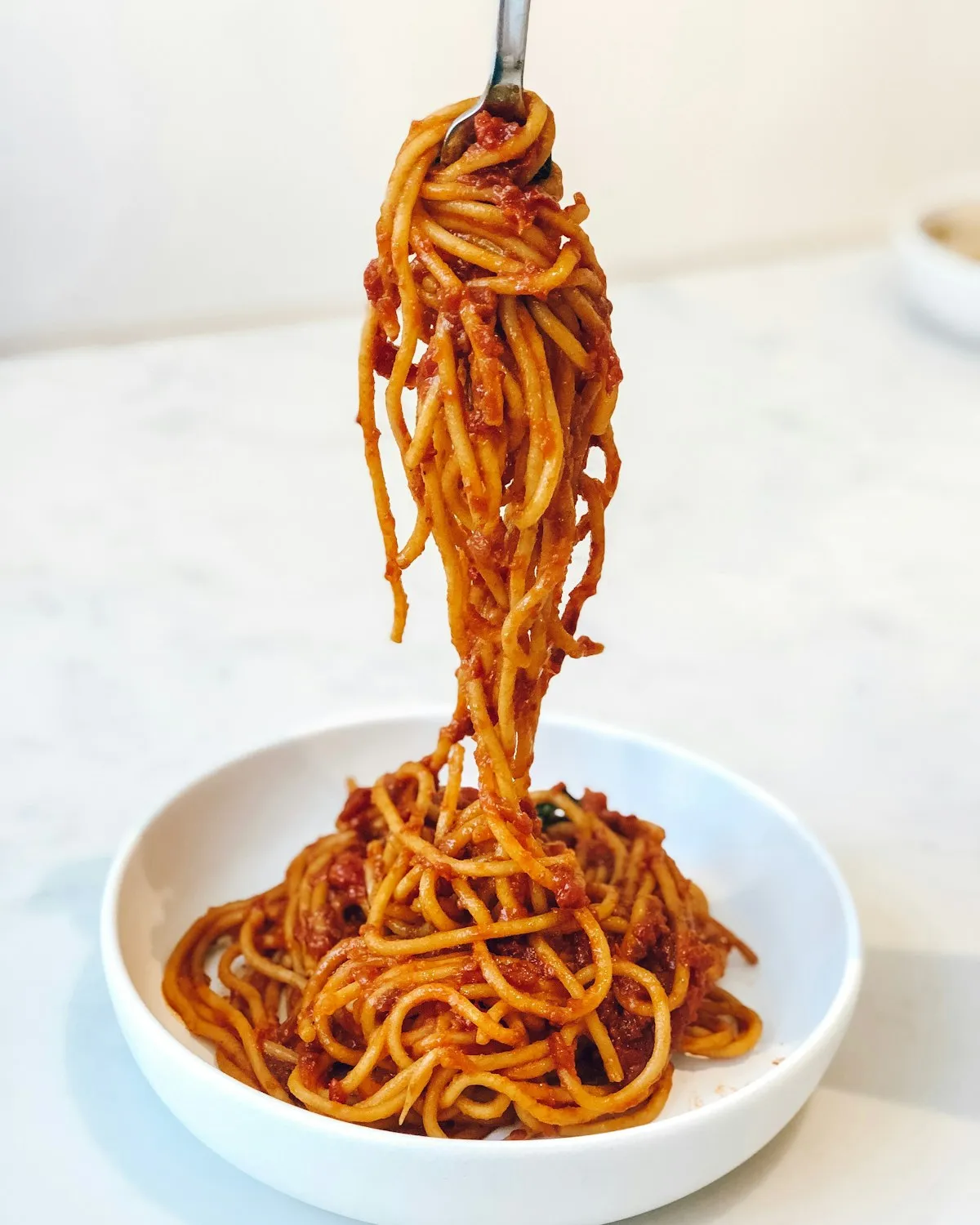
If you’ve ever tried to swap your linguine for zucchini and ended up with a sad, watery puddle on your plate, you’re not alone. We’ve all been there, staring down a bowl of "soup" that was supposed to be dinner. But don’t give up on zucchini noodles just yet. When you handle them with a little respect and a little kitchen science, they turn into something bright, slurpable, and honestly pretty impressive. This tomato pesto version lands squarely in the camp of healthy dinner ideas that taste far less virtuous than they sound.
Water Management Is the Whole Game
The biggest hurdle with zucchini is not flavor. It’s water. Glorious, relentless, dinner-wrecking water. Zucchini is around 94 to 95 percent moisture, which means the minute it hits heat, it starts giving up liquid like it’s spilling gossip. If you don’t manage that moisture before and during cooking, your noodles go from twirly and bright to something closer to warm salad soup.
This is where osmosis stops being a dusty school word and starts becoming your best kitchen trick. When you salt spiralized zucchini, you create a concentration difference between the surface of the vegetable and the water trapped inside its cells. Water naturally moves outward to balance things out. That means the salt helps pull moisture from the interior to the surface, where you can actually get rid of it instead of letting it leak into the pan later. Use this step. Respect this step. Do not shrug and skip this step because you’re hungry.
After salting, let the zucchini sit long enough to visibly release liquid. Then squeeze it. Not gently. Not emotionally. Firmly. You want to remove free water that would otherwise steam the noodles from the inside out. A towel helps because it grabs and holds liquid better than a quick press in a colander. If you’ve ever wondered why your zucchini still flooded the skillet after salting, the answer is usually simple: you drew the water out, but you never fully removed it.
Thickness matters more than people think. If your strands are ultra-thin, they lose structure fast because there’s less intact cell material left to support them. Slightly thicker noodles hold up better under heat and tossing. You want surface area for sauce, yes, but you also want enough structure that the zucchini doesn’t collapse the second it warms through. Think sturdy spaghetti, not sad green shoelaces.
Another useful detail: fresh zucchini varies in water content depending on size and age. Oversized zucchini often carry more seeds and a looser interior, which means more moisture and a mushier result. Smaller, firmer zucchini usually give you tighter strands with better texture. Use that to your advantage. You’re not being fussy. You’re doing quality control.
Use Heat Like a Bouncer, Not a Blanket
Once the zucchini is drained, the next battle is evaporation. Your goal is not to cook zucchini for a long time. Your goal is to drive off any remaining surface moisture before the vegetable softens too much. That means using a wide pan, enough heat, and just enough cooking time to get in and get out.
Crowding is the classic mistake. When the pan is overloaded, the moisture released from the zucchini has nowhere to go. It collects, steams, and turns your skillet into a tiny sauna. That’s bad news because steam cooks gently and evenly, which sounds nice until you remember you are trying to preserve bite, not make baby food. Give the noodles room. If needed, cook in batches. Annoying? Slightly. Worth it? Completely.
Use a broad skillet because surface area helps water evaporate faster. The wider the pan, the more steam can escape instead of condensing back onto the food. Keep the heat around medium-high and toss briefly. You are not simmering a sauce here. You are managing a vegetable that wants to betray you.
Avoid the lid. I mean it. A lid traps steam, and trapped steam reverses all your hard work. The same goes for walking away. Zucchini doesn’t need much time to go from pleasantly tender to limp. Once the pectin in the cell walls softens too much, the strands lose their little bit of backbone and start collapsing into themselves. Unlike regular pasta, zucchini has almost no starch to help create that forgiving, springy chew. There’s no safety net here.
This is also why “one-pot” in the title should not fool you into a lazy approach. The method is simple, but it isn’t casual in the pan. It’s fast, controlled, and slightly bossy. Dry first. Heat second. Sauce last. Break that order and the zucchini will absolutely humble you.
That’s also why this recipe fits beautifully into quick family meals. The cooking is fast because it has to be. Once your prep is done, dinner moves in a flash. It’s not about doing less. It’s about doing the right things in the right order so the final bowl feels effortless instead of watery.
Why Tomato Pesto Works Better Than You Think
Now for the sauce, which is doing more heavy lifting than it gets credit for. Tomato pesto is not just here to make zucchini taste less like zucchini. It also solves a texture problem. A good pesto behaves like a stable emulsion, or at least an emulsion-adjacent sauce, where oil, water-containing ingredients, and fine particles stay dispersed long enough to coat the noodles instead of separating into an oily puddle with chunky bits.
Oil is the continuous phase, while the basil, parmesan, nuts, and sun-dried tomatoes provide solids and tiny droplets of water. Cheese proteins help stabilize the mixture. Nuts contribute fat and body. Fibers from herbs and tomatoes help thicken the sauce so it clings instead of sliding off. In short: pesto sticks because it has structure, not because it has good intentions.
Sun-dried tomatoes are especially useful here because they are concentrated. They bring less free water than fresh tomatoes, more sweetness, more acidity, and a deeper savory profile. That concentration helps the pesto stay thick and flavorful, which matters because zucchini brings almost no starch to the party. Traditional pasta sauces often lean on pasta water and starch to emulsify and turn glossy. Zucchini gives you water, sure, but it gives you the wrong kind of water: too much of it, and none of the starch that would help the sauce bind.
That means pesto stability depends on a few smart moves. First, blend it well enough that the particles are fine and evenly distributed. Large chunks are more likely to separate from the oil. Second, don’t overheat it. Heat can intensify aroma at first, but too much heat destabilizes the sauce and pushes the oil to separate. Third, keep extra zucchini moisture out of it. If too much water enters the pesto at the last second, the emulsion loosens and the coating power fades.
This is why adding pesto at the end matters so much. Let the zucchini shed and evaporate as much moisture as possible first. Then add the sauce just long enough to coat. If you add pesto early, you force the sauce to sit through all that water release, and it gets diluted and broken. The result is not glossy. It’s patchy, slippery, and mildly irritating.
Acidity is another quiet hero here. Rich sauces need contrast, and sun-dried tomatoes bring that naturally. Their acidity cuts through the oil and cheese so the dish tastes lively instead of heavy. The tomatoes also bring glutamates, which boost savory flavor and make the bowl feel more substantial than a pile of zucchini has any business feeling. A well-balanced pesto should taste rich, sharp, nutty, and fresh all at once.
If your pesto ever looks greasy, don’t panic. That usually means the droplets and solids are no longer suspended evenly. A little extra grated cheese, a finer blend, or gentler heat can help restore order. This is less “culinary wizardry” and more “tiny edible engineering.”
Smart Variations That Still Respect the Science
The good news is this dish is flexible. The bad news is it is only flexible if you keep respecting the moisture rules. You can improvise, but you cannot get cocky.
For protein, grilled chicken, shrimp, tofu, or even crisp white beans all work well. Cook them separately and fold them in at the end. That keeps the zucchini from steaming in a crowded pan and prevents extra liquid from sneaking into the mix. Raw mushrooms are delicious, but they release a lot of water, so cook them off first if you want them here. Same with shrimp. They are quick, but they still shed moisture.
For the pesto, you can swap pine nuts for walnuts, almonds, or sunflower seeds. Each changes the fat profile and texture slightly. Walnuts make the pesto earthier and a bit more assertive. Almonds give it a firmer body. Sunflower seeds are handy if you want a budget-friendly option that still creates decent thickness. Just keep the sauce thick enough to coat the noodles. If it pours like dressing, it’s too loose for zucchini.
If you want extra brightness, use lemon. Acid sharpens flavor and helps cut richness. If you want heat, bloom red pepper flakes briefly in the oil component so the spice disperses evenly. If you want creaminess, fold in ricotta or mascarpone at the end, but do it off the heat or over very low heat so the sauce stays smooth instead of turning greasy.
This is also one of those healthy dinner ideas that can lean more indulgent or more light depending on what you pair with it. Add salmon, chicken, or tofu for a fuller plate. Keep it as-is for a lighter dinner. It also fits next to some air fryer recipes dinner favorites if you want a crisp protein on the side. Just keep the contrast in mind. Zucchini noodles are tender and saucy, so pair them with things that bring crunch, char, or acidity, not more softness.
Side Dish Pairings That Balance the Bowl
Because zucchini noodles are tender and pesto is rich, the best side dishes bring crunch, acid, or both. Don’t serve this with something heavy and creamy unless your goal is a very expensive nap.
A peppery arugula salad with a sharp lemon vinaigrette is the obvious winner. The acidity resets your palate between bites, and the greens add that fresh snap the noodles don’t naturally have. A cucumber salad also works well because its cool crunch contrasts with the warm pesto-coated strands, even though yes, technically it is another watery vegetable. The difference is that cucumber is served crisp and raw, not softened in a skillet.
Roasted broccoli is another strong move. Its charred edges bring bitterness and crunch, which keep the tomato pesto from tasting too sweet or too rich. If you want a heartier plate, pair the zucchini with one of your favorite air fryer recipes dinner proteins like salmon or chicken cutlets. The crispy exterior gives you the textural contrast zucchini always needs.
Garlicky green beans are another smart side because they stay snappy if you cook them properly and they don’t compete with the pesto. A shaved fennel salad works too if you want something especially fresh and bright. The faint sweetness and crunch of fennel play nicely against the concentrated tomato flavor. Keep the dressings sharp, not creamy. This dish already has enough richness built in. Your sides should wake it up, not tuck it in for a nap.
Zoodle Mastery FAQ
Why are my zucchini noodles still watery even after salting?
You probably have a moisture bottleneck somewhere. Salt pulls water out, but it doesn’t magically teleport it off the zucchini. Let the noodles sit long enough, then squeeze aggressively in a clean towel. After that, use a hot, roomy pan. If the skillet is crowded or lukewarm, the noodles steam instead of evaporating. Translation: the water you worked so hard to remove comes right back to ruin your evening.
What if I salted them and now they taste too salty?
That usually means too much salt stayed on the surface rather than leaving with the liquid. Use enough salt to draw out water, but don’t leave the zucchini swimming in it forever. Once moisture appears, squeeze well and balance with unsalted components in the final dish. Remember, pesto already brings salt from cheese and preserved tomatoes, so the whole dish catches up fast.
Can I make these ahead for meal prep?
Yes, but prep components, not the finished bowl. Store spiralized zucchini separately from the pesto. Better yet, salt and squeeze the noodles first, then keep them chilled with a paper towel to absorb any extra moisture. Toss everything together only when you’re ready to eat. That keeps this firmly in the realm of quick family meals instead of next-day vegetable mush.
Can I use frozen zucchini noodles?
You can, but manage your expectations. Freezing forms ice crystals that puncture the vegetable’s cell structure. Once thawed, the zucchini releases even more water than fresh because those damaged cells can’t hold moisture properly anymore. If frozen is your only option, thaw completely, drain thoroughly, squeeze hard, and cook very briefly over high heat. Don’t boil them. That would be like trying to dry your phone by dropping it in a bathtub.
What if my pesto turns oily or separates?
That means the emulsion loosened up. Too much heat, too much extra water from the zucchini, overly large pesto particles, or not enough solid ingredients can all cause separation. Toss the pesto in at the end over gentle heat. If it still looks split, add a small amount of finely grated cheese or a bit more blended nut mixture to help bring it back together. You need body in the sauce, not just oil and hope.
What if I don’t have a spiralizer?
Use a vegetable peeler or mandoline and make ribbons instead. Wider ribbons actually give you a small advantage because they’re easier to dry and can hold a thick pesto beautifully. Just keep the same rules: salt, drain, squeeze, and cook fast.
Is this dish actually filling enough for dinner?
On its own, zucchini is light. The staying power comes from the fats and proteins in the pesto, plus any protein you serve with it. If you want more substance, pair it with chicken, shrimp, tofu, or salmon. You can absolutely make this one of those satisfying healthy dinner ideas that doesn’t leave you rummaging through the pantry an hour later.
How do I reheat leftovers without turning them to mush?
Use a skillet, not the microwave. Microwaves create steam, and steam is exactly what zucchini does not need. Reheat quickly over medium heat just until warmed through. The goal is to wake the pesto back up, not recook the noodles into surrender.