Recipe
Servings
Servings 1×
Ingredients
- Chicken
- Salmon
- Tofu
- Pasta
- Rice
- Cucumber
- Onion
- Cooking oil
- Sesame
- Salt
- Black pepper
Method
- Prepare the ingredients described in the article and heat the cooking surface or oven as directed.
- Cook the main ingredients using the heat and timing guidance in the article.
- Finish with the seasonings and garnishes named in the article, then serve.
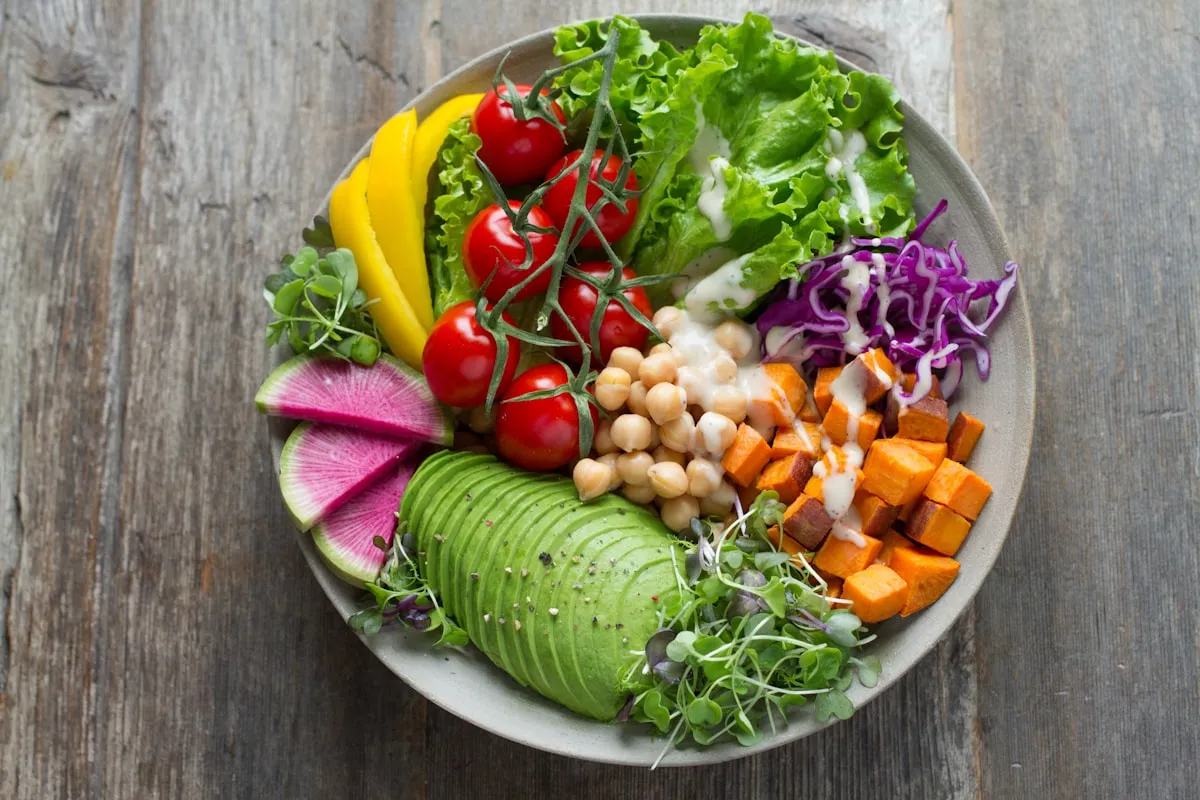
When you slice into a cucumber, you aren’t just preparing a snack; you are performing a surgical strike on a complex biological structure. Cucumbers are roughly 95% water, held captive within a network of thin-walled parenchyma cells. To transform this watery, often bland vegetable into a crunchy, flavor-dense masterpiece, you must master the physics of osmosis. By manipulating the osmotic gradient, you can fundamentally alter the cucumber's cellular integrity, creating one of the most efficient 15 minute meals in your repertoire.
The Molecular Mechanics of the Crunch
The secret to a superior salad lies in controlled plasmolysis: the process where cells lose water in a hypertonic environment. When you apply salt to the surface of a cucumber slice, you create a high concentration of solutes outside the cell walls. Nature abhors an imbalance; therefore, water molecules migrate through the semi-permeable cell membranes to equalize the concentration. This isn't just "sweating"; it is a precise extraction of intracellular fluid that leaves the cell walls intact but more flexible and less prone to weeping.
To achieve the perfect texture, use coarse kosher salt or sea salt. The larger grains provide a more controlled release of sodium, preventing the cells from collapsing too rapidly. Aim for a curing time of exactly ten minutes. During this window, you’ll notice a pool of liquid forming: this is the diluted "cucumber juice" that would otherwise turn your salad into a soggy mess. Once the time is up, do not simply drain them. Use a clean kitchen towel to firmly pat the slices dry. This mechanical action removes the surface moisture and excess salt without rehydrating the cells, ensuring your quick healthy meals maintain their structural "snap."
Science also dictates how you dress the salad. Because you’ve removed the excess water, the flavor compounds: specifically (E,Z)-2,6-nonadienal, which gives cucumbers their signature aroma: are now highly concentrated. When you introduce a dressing based on toasted sesame oil and rice vinegar, the lipids in the oil trap these volatile aromatics, delivering a more intense sensory experience.
Avoid over-salting, as exceeding a 1.2% salt-to-weight ratio can lead to the leaching of essential nutrients like potassium and vitamin C. If you're looking for more ways to master high-heat or high-speed cooking, check out our guide on achieving the perfect glossy sauce to see how emulsification plays a similar role in pasta science.
Dynamic Variations for Every Palate
While the classic sesame and rice vinegar combination relies on the balance of acidity and fat, you can experiment with the chemical profile of your salad to suit different simple healthy weeknight dinners.
For a heat-centric variation, introduce capsaicin via crushed red pepper or gochugaru. Capsaicin is fat-soluble, so ensure it is thoroughly whisked into the sesame oil before tossing. This allows the heat to evenly coat the cucumber slices rather than hitting the palate in isolated bursts. If you prefer an umami-heavy profile, add a teaspoon of white miso paste. The fermented proteins in the miso act as a natural emulsifier, binding the vinegar and oil into a creamy, stable dressing that clings to the treated cell walls of the cucumber.
Another excellent variation involves the addition of thinly sliced radishes or red onions. These vegetables contain sulfur compounds that provide a sharp, pungent contrast to the cool, hydrated nature of the cucumber. Because radishes have a denser cellular structure, they require the same salt-curing process to soften their bite and integrate seamlessly into the salad.
Scientific Side Dish Pairings
Pairing this salad requires an understanding of contrast. Because the cured cucumbers are acidic, salty, and crunchy, they serve as the perfect foil for rich, fatty proteins.
- Pan-Seared Salmon: The high Omega-3 fatty acid content of salmon provides a luxurious mouthfeel that is cut beautifully by the acetic acid in the salad's rice vinegar.
- Air-Fried Tofu: For a plant-based option, the porous structure of air-fried tofu absorbs the excess dressing, creating a symphony of textures.
- Grilled Chicken Thighs: The Maillard reaction products (those savory, browned bits) on grilled chicken pair exceptionally well with the toasted notes of the sesame oil.
If you're using an air fryer for your protein, consider how the circulating hot air interacts with different ingredients by reading about our one-basket crowd pleaser. The speed of air frying perfectly complements the 15-minute preparation time of this salad.
FAQ: Troubleshooting Your Cellular Transformation
What if I leave the salt on for too long?
Exceeding the 15-minute mark leads to excessive dehydration. The cucumbers will lose too much turgor pressure, becoming limp and leathery rather than crisp. If you accidentally over-cure them, a very brief (30-second) soak in ice water can partially rehydrate the cells, though you will lose some of the concentrated flavor.
Can I use table salt instead of kosher salt?
You can, but proceed with caution. Table salt has much smaller crystals and usually contains anti-caking agents. Because the grains are smaller, they pack more tightly into a spoon, meaning you could easily double the intended sodium content. Use half the volume if table salt is your only option.
Why does my salad get watery the next day?
Even after curing, cucumbers are dynamic biological systems. Residual salt will continue to pull moisture from the deepest layers of the tissue over time. For the best results, consume this dish within 4 hours. If you must prep ahead, store the cured, dried cucumbers and the dressing in separate containers and combine them just before serving.
Do I need to peel the cucumbers?
The skin contains cellulose and lignin, which provide structural support. For English or Persian cucumbers, the skin is thin enough to eat and helps maintain the "snap" after salting. For thicker-skinned slicing cucumbers, peeling is recommended as the skin can become unpleasantly tough once the flesh inside has been softened by osmosis.
Is there a way to make this work with frozen cucumbers?
Absolutely not. Freezing creates ice crystals that pierce the cell walls. When thawed, the cellular structure collapses entirely, resulting in a mushy texture that salt cannot fix. Always start with fresh, firm produce for these quick healthy meals.
If you're interested in more ways to combine speed and science in the kitchen, don't miss our take on ultimate comfort food hacks.