Recipe
Servings
Servings 1×
Ingredients
- Chicken
- Salmon
- Shrimp
- Chickpeas
- Spinach
- Greens
- Cucumber
- Onion
- Garlic
- Lemon
- Mustard
- Feta
- Cooking oil
Method
- Prepare the ingredients described in the article and heat the cooking surface or oven as directed.
- Cook the main ingredients using the heat and timing guidance in the article.
- Finish with the seasonings and garnishes named in the article, then serve.
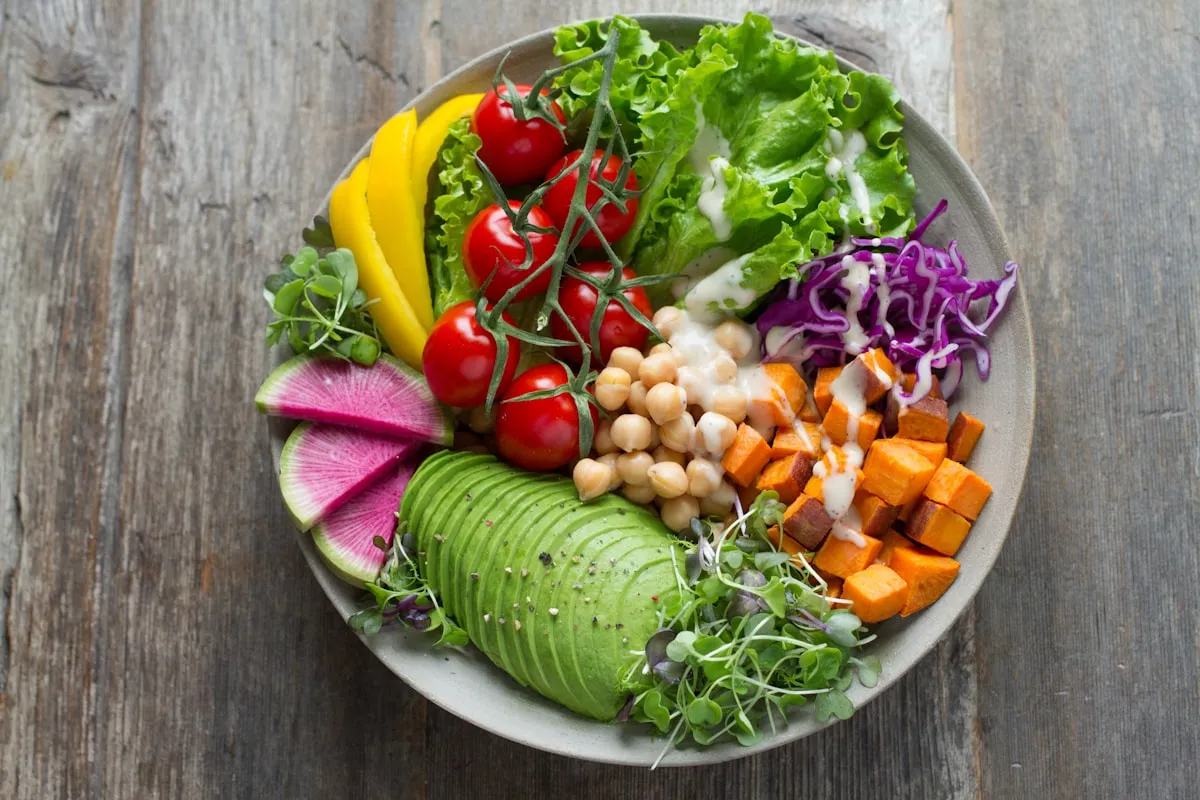
If you’ve ever stared into a half-empty fridge at 6:00 PM wondering how to feed a hungry household without surrendering to the siren call of takeout, you’re in the right place. My Simple Greek Salad with Grilled Chicken is the ultimate solution for anyone hunting for healthy dinner ideas that actually taste like a vacation in Santorini. It’s vibrant, crunchy, and packed with enough protein to keep you satisfied until breakfast. We’re stripping away the fluff and focusing on the science of flavor to ensure every bite is a winner.
The Science of the Sear and the Shaker
Making a salad seems straightforward, but making a great salad requires a little understanding of food chemistry. Let's talk about the two main players: the chicken and the dressing.
Mastering Protein Denaturation
When you marinate chicken in lemon juice or vinegar, you aren’t just adding flavor; you are performing a chemical experiment. The acid in the marinade works by lowering the pH of the meat. This process, called protein denaturation, disrupts the hydrogen bonds in the chicken's collagen fibrils. Essentially, the proteins unfold from their tight coils.
However, don't let it sit too long! If you marinate for more than 30–60 minutes, the denaturation reverses its benefits. The proteins begin to tighten back up, squeezing out moisture and leaving you with "rubbery" chicken. Aim for that sweet spot of 30 minutes to get the tenderizing effect without the moisture loss.
The Magic of the Maillard Reaction
Once your chicken hits the pan, we’re looking for the Maillard reaction. This is the chemical reaction between amino acids and reducing sugars that gives browned food its distinctive, savory flavor. To maximize this, pat your chicken dry before it hits the heat. Moisture is the enemy of the Maillard reaction; if there’s water on the surface, the energy from your pan will go into evaporating that water (boiling the meat) rather than browning it. Use a high-smoke-point oil and leave the chicken alone for at least 3-4 minutes to develop that crust.
Emulsification: The Secret to a Silky Dressing
A traditional Greek dressing is a temporary emulsion. Oil and vinegar are like that couple that always breaks up: they don't want to stay together. Oil is hydrophobic (water-fearing), and vinegar is polar. To get them to play nice, we use an emulsifier like Dijon mustard or minced garlic.
These ingredients contain molecules with both hydrophobic and hydrophilic ends. They act as "hand-holders," bridging the gap between the oil and vinegar. Whisking or shaking the jar vigorously breaks the oil into micro-droplets, which the emulsifier then coats to prevent them from regrouping. This results in a creamy, cohesive dressing that clings to your vegetables instead of puddling at the bottom of the bowl. This attention to detail is what separates mediocre meals from the quick family meals that everyone actually asks for again.
Swaps, Subs, and Savvy Variations
The beauty of a Greek salad is its modularity. While the classic version uses cucumber, tomato, onion, olives, and feta, you can easily pivot based on what's in your pantry.
- The Protein Pivot: Not a fan of chicken? Swap it for grilled shrimp or even a seared salmon fillet. If you’re looking for plant-based healthy dinner ideas, roasted chickpeas provide a fantastic crunch and plenty of fiber.
- The Cheese Choice: If feta is too salty for your palate, try goat cheese for a creamier texture or Halloumi if you want something you can actually grill alongside the chicken.
- The Veggie Volume: If you need to stretch this meal to feed more people, add a base of chopped Romaine lettuce or baby spinach. While not strictly traditional (Horiatiki salads usually skip the greens), it’s a practical way to add bulk without a ton of calories.
For those nights when you don't want to stand over a stove, you can even adapt the chicken portion of this recipe for the air fryer. If you're building a collection of air fryer recipes dinner enthusiasts will love, simply air fry the seasoned breasts at 375°F for 12–15 minutes until they reach an internal temp of 165°F.
Side Dish Pairings: Balancing the Plate
When pairing sides with a Greek salad, you want to focus on balancing the high acidity and saltiness of the feta and olives.
- Warm Pita Bread: There is nothing better than a warm, fluffy pita to scoop up the remaining dressing and feta crumbles. It provides a soft, neutral contrast to the crisp vegetables.
- Lemon-Herb Rice: A side of basmati rice cooked with a little lemon zest and fresh dill helps soak up the juices and turns the salad into a much heartier feast.
- Roasted Potatoes: If you have an extra 20 minutes, some crispy Greek potatoes seasoned with lemon and oregano are the ultimate companion. They provide a starchy richness that cuts through the sharp tang of the red wine vinegar.
If you’re looking for more inspiration for balanced plates, check out our Kielbasa and Pierogi Air Fryer Roast: it's another one of our favorite quick family meals that hits that perfect comfort-food note.
FAQ: Troubleshooting Your Salad Science
Why is my chicken dry even though I marinated it?
You likely marinated it too long or overcooked it. As mentioned earlier, acid eventually tightens protein fibers. Additionally, chicken breast is very lean. Use a meat thermometer and pull the chicken at 160°F; the carry-over cooking will bring it to the safe 165°F while keeping it juicy.
Can I make the dressing in advance?
Absolutely. In fact, the flavors of the garlic and oregano will meld and intensify if left for a few hours. Just remember that the oil may solidify in the fridge. Leave it on the counter for 10 minutes and give it a good shake before serving to re-emulsify.
How do I stop my cucumbers from making the salad watery?
Cucumbers are about 95% water. If you're making the salad ahead of time, slice the cucumbers, toss them with a pinch of salt, and let them sit in a colander for 15 minutes. Pat them dry before adding them to the bowl. This "degorges" the excess water so your salad stays crisp.
What's the best way to slice the red onion?
To avoid that overwhelming raw onion "bite," slice them paper-thin (a mandoline is your best friend here). If you find raw onions too sharp, soak the slices in ice water for 10 minutes before adding them to the salad. This leaches out some of the sulfurous compounds that cause that pungent aftertaste.
Can I use bottled dressing?
You can, but you shouldn't. Most bottled dressings use cheap seed oils and stabilizers that dull the vibrant flavors of the Mediterranean. Plus, making your own takes 60 seconds and is a cornerstone of healthy dinner ideas. Stick to the whisk!
For more kitchen hacks and simple recipes like our garlic butter ramen, keep exploring the Cookpedia blog. Cooking doesn't have to be complicated to be spectacular; it just takes a little bit of science and a lot of fresh ingredients. Now, get that pan hot and start grilling!