Recipe
Servings
Servings 1×
Ingredients
- Tofu
- Chickpeas
- Bread
- Potatoes
- Cauliflower
- Mushrooms
- Lemon
- Tahini
- Cooking oil
- Sesame
- Salt
Method
- Let the oven do the dramatic work.
- Pat the chickpeas thoroughly dry, and give the cauliflower a chance to lose any excess water after washing.
- Cut the cauliflower into pieces that are similar enough to finish together, but do not chase perfection.
- Use a light coating of oil rather than drowning everything.
- Season with restraint before roasting, then adjust after.
- Add delicate herbs and fresh citrus later so their brighter aromas do not disappear under prolonged heat.
When I want dinner to feel nourishing without becoming a kitchen project, I make roasted cauliflower and chickpea tahini bowls. They bring together crisp edges, creamy sauce, earthy legumes, and enough brightness to keep every bite lively. This is one of those plant-based dinner ideas that works for a quiet evening, a packed lunch, or a table full of hungry people. Best of all, the bowl depends more on smart technique than complicated preparation. Let the oven do the dramatic work.
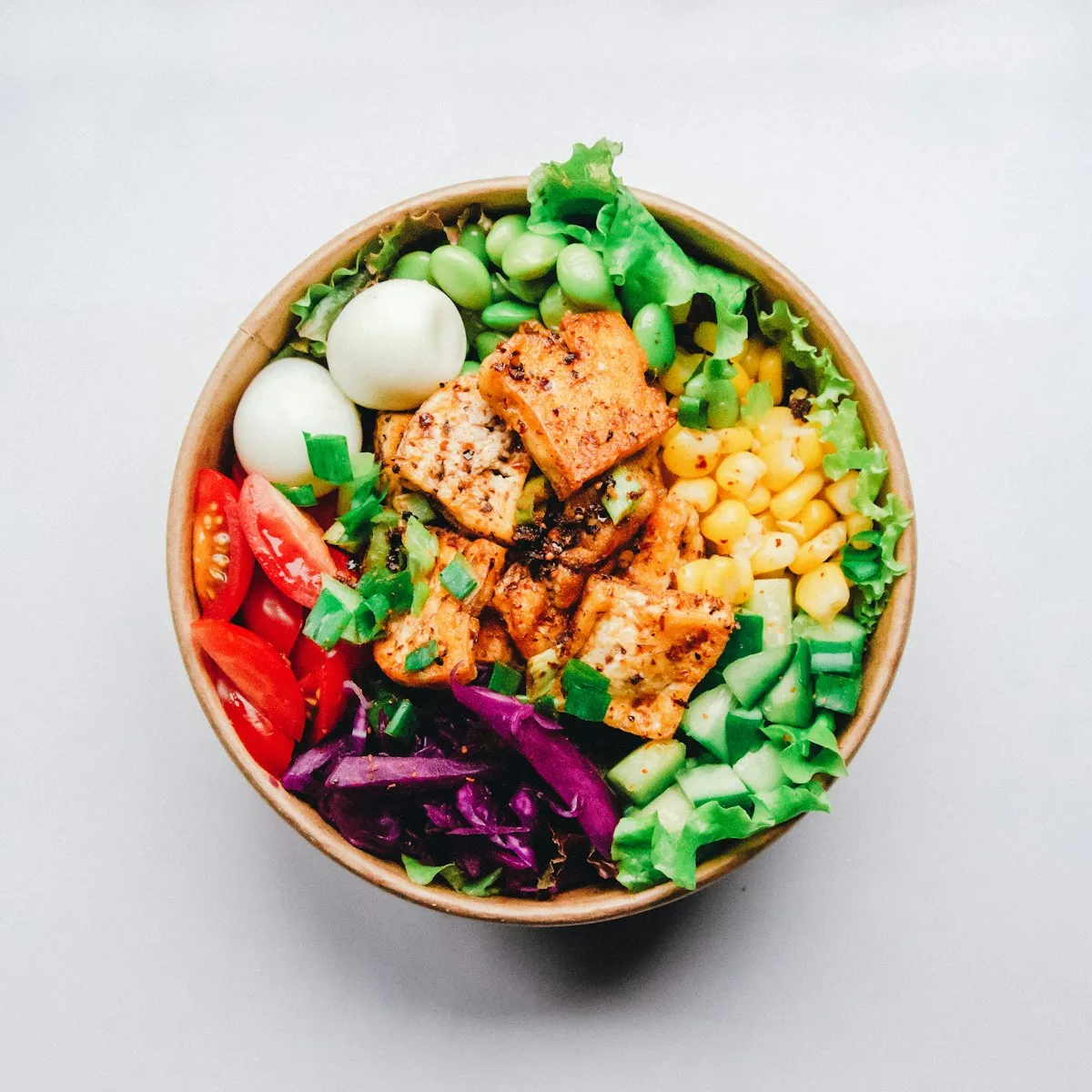
Tips & Technique: Let Dry Heat Build the Flavor
The non-negotiable is simple: keep the cauliflower and chickpeas dry before roasting. Surface moisture has to evaporate before the food can brown properly. If the vegetables are damp or packed too tightly, the oven spends its energy creating steam instead of developing those deeply toasted edges.
That browning comes from the Maillard reaction, a group of chemical reactions between amino acids and sugars. It is responsible for the savory crust on toast, the color on roasted potatoes, and the nutty aroma of well-seared food. Cauliflower has enough natural sugars and proteins to brown beautifully, while chickpeas develop a firmer, toasted exterior as their surface moisture disappears.
Pat the chickpeas thoroughly dry, and give the cauliflower a chance to lose any excess water after washing. Do not treat this as fussy housekeeping. It is the difference between roasted food and vegetables that taste as though they have been waiting in a sauna.
Create space on the tray. A single, uncrowded layer allows hot air to move around each piece and gives moisture somewhere to escape. Crowding traps steam, lowers the surface temperature, and leaves you with soft chickpeas and pale cauliflower. You do not need a giant roasting pan, but you do need enough room for the pieces to sit without touching shoulder to shoulder.
Cut the cauliflower into pieces that are similar enough to finish together, but do not chase perfection. Uneven edges are welcome here. More edges mean more exposed surface area, and more surface area means more opportunities for browning. Flat sides become golden; small ridges catch spices; thin tips turn crisp. This is why rustic chopping often tastes better than showroom chopping.
Use a light coating of oil rather than drowning everything. Oil improves contact between the hot tray and the food, helps the spices adhere, and carries aromatic compounds across the surface. Too much oil can make chickpeas feel heavy instead of crisp, while too little may leave the edges dry before the centers are tender. Aim for a thin, even film.
Season with restraint before roasting, then adjust after. Salt draws out some surface moisture, but it also sharpens the roasted flavors once the food is hot. Deep spices become more aromatic in the oven, especially when they cling to an oiled surface. Add delicate herbs and fresh citrus later so their brighter aromas do not disappear under prolonged heat.
Keep the chickpeas and cauliflower on separate sections of the tray if your oven or batch size makes that practical. They do not always reach their ideal texture at the same pace. Cauliflower wants tenderness inside and dark edges outside; chickpeas need enough time to become firm and crisp. Separate zones give you control without turning dinner into a scheduling exercise.
Now consider the tahini. It may look like a simple sauce, but it has a slightly theatrical personality. Tahini contains sesame oil along with finely ground sesame solids. When acid and water meet those solids, the mixture can suddenly thicken into a stiff paste. Do not panic and do not throw it away. That temporary thickening is part of the process.
Whisk gradually as you add water, and the paste will loosen into a creamy emulsion. Sesame particles help suspend tiny droplets of oil through the liquid, creating a smooth sauce that coats the roasted vegetables instead of sliding straight to the bottom of the bowl. Add water slowly so you can control the texture. Stop when the sauce is thick enough to cling but loose enough to drizzle.
Balance richness with acidity. Tahini brings nutty depth and healthy fats, so lemon or another bright acidic note keeps it from feeling dense. If the sauce tastes flat, check the acid and salt before adding more seasoning. If it tastes too sharp, soften it with a little sweetness or more tahini. Think of the sauce as the bowl’s referee: it should bring the roasted components together without shouting over them.
Assemble with contrast. Add a soft base if you want more staying power, then layer on the warm roasted vegetables, fresh greens, herbs, or crunchy toppings. Drizzle the tahini just before serving. Sauce softens crisp chickpeas over time, so keep a few chickpeas on top and apply the dressing lightly if texture matters to you.
For more ideas built around browning and bold sauces, visit Cookpedia’s vegetarian dinner recipes and healthy recipe collection. The same dry-heat principles will improve everything from mushrooms to tofu.
Variations: Keep the Formula, Change the Mood
Use the bowl as a template rather than a strict rulebook. The core formula is roasted vegetable plus plant protein plus creamy sauce plus something fresh. Once that balance is in place, the flavor can travel in several directions.
For a warm, spiced version, lean into cumin, coriander, smoked paprika, or a shawarma-style seasoning blend. Add a little heat if you like, then finish with herbs and lemon to keep the spices lively. This variation is especially good over a nutty grain because the grain absorbs the tahini and catches all those roasted juices.
Build a green version by folding chopped herbs into the tahini. Parsley gives freshness, cilantro adds a grassy note, and mint brings a cool lift. Serve the bowl over leafy greens instead of grains when you want something lighter but still substantial.
Make it sweeter and more comforting with roasted squash or sweet potato alongside the cauliflower. Their natural sweetness balances the earthy chickpeas and slightly bitter sesame. Add something crisp or acidic to prevent the bowl from becoming too soft and mellow.
For a lunch-friendly option, store the components separately. Keep the sauce in a small container, refrigerate the roasted vegetables, and refresh the chickpeas in a hot oven or skillet before serving. This turns one cooking session into several quick healthy meals without asking you to eat the exact same bowl every day.
If you are feeding different appetites, serve the parts separately and let everyone build their own. Keep the tahini on the side, offer grains and greens, and let the spice level remain adjustable. That is not culinary compromise. It is good bowl engineering.
Side Dish Pairings: Add Contrast, Not Clutter
Pair these bowls with sides that bring a different texture or flavor. A crisp cucumber salad works beautifully because its cool, watery crunch cuts through the warm roasted vegetables and creamy tahini. Add fresh herbs and a sharp dressing, but keep the seasoning clean.
Serve warm flatbread when you want a more generous meal. Use it to scoop up the chickpeas and sauce, or tear it into the bowl for a rustic finish. A simple lentil salad can add even more plant protein, although the chickpeas already make the bowl satisfying.
For a greener plate, choose lightly dressed greens, steamed broccoli, or wilted kale. Keep the vegetables bright rather than heavily seasoned. The tahini already provides richness, while the roasted cauliflower contributes depth.
A tangy cabbage slaw is another strong pairing. Its crunch and acidity prevent the bowl from feeling too soft, and its sturdy texture holds up well for packed lunches. Browse Cookpedia’s quick meals for more pairings that suit busy weeknights.
FAQ: Troubleshooting the Bowl
Why did my cauliflower turn soft instead of golden?
Usually, the tray was crowded or the cauliflower went into the oven wet. Steam prevents the surface from becoming hot enough to brown. Dry the florets well, leave space between them, and avoid piling them into a deep layer. Use a dark metal tray if you have one; it often promotes stronger browning than a pale ceramic dish.
Why are my chickpeas not crisp?
Canned chickpeas hold a surprising amount of water. Pat them dry thoroughly, and give them enough room on the tray. If they still seem soft, continue roasting until the outside feels firm. Remember that chickpeas lose some crispness once they meet tahini, so add the sauce immediately before eating and keep leftovers separate.
Can I roast the cauliflower and chickpeas together?
Yes, provided they have enough space and your pieces are reasonably similar in size. For the most control, keep them in separate areas of the tray. Cauliflower may need extra time to become tender and deeply browned, while chickpeas can move from crisp to overly dry more quickly.
Why did my tahini sauce become thick and lumpy?
That is normal when tahini meets lemon juice or another acidic liquid. The sesame solids hydrate and tighten before enough water is incorporated to loosen the mixture. Keep whisking and add water gradually. Do not pour in a large amount all at once, or you may swing from stiff paste to watery dressing before the emulsion has a chance to come together.
How can I fix tahini sauce that tastes bitter?
Tahini naturally has a slightly bitter, nutty character, especially if the jar has been stored for a while. Balance it with more acid, a pinch of salt, or a small amount of sweetness. Add adjustments gradually. If the bitterness is harsh or the oil smells stale, replace the tahini; no amount of lemon can rescue rancid sesame.
Can I make these bowls ahead?
Prepare the roasted vegetables, grain, and sauce separately. Refrigerate them in airtight containers, then reheat the cauliflower and chickpeas before assembling. Warm them in an oven or skillet rather than a microwave if you want to preserve texture. Stir the tahini before serving and thin it with a little water if it has thickened in the refrigerator.
Are these bowls nutritionally balanced?
They provide a useful combination of fiber-rich chickpeas, vegetables, plant-based protein, and unsaturated fat from tahini. Add a whole grain if you need more energy or a heartier meal. Include fresh greens or another colorful vegetable for extra variety. Nutrition will depend on portions and toppings, but the structure makes this a reliable choice among healthy dinner ideas.
What if I do not like tahini?
Use the same balance principle with another creamy sauce. Unsweetened yogurt works for a vegetarian version, while blended white beans, hummus, or a lemony cashew sauce can keep the bowl plant-based. Choose something creamy, then sharpen it with acid so the roasted vegetables do not taste heavy.
This bowl belongs in the regular rotation because it is flexible, filling, and deeply flavorful without requiring a crowded pantry. Add it to your list of plant-based dinner ideas, keep the roasting tray uncrowded, and let the tahini do its silky little magic.