Recipe
Servings
Servings 1×
Ingredients
- Chickpeas
- Beans
- Quinoa
- Rice
- Greek yogurt
- Cucumber
- Avocado
- Tomatoes
- Lemon
- Mustard
- Tahini
- Feta
- Cooking oil
- Salt
Method
- Keep the method simple, respect the texture, and you have one of my favorite quick healthy meals for busy days.
- Rinse canned chickpeas thoroughly, then let them drain while you prepare the vegetables.
- Pat them gently if they still look wet.
- Add acid gradually and taste as you go.
- Use olive oil to soften an overly sharp dressing, or add a spoonful of yogurt or tahini for a rounder finish.
- Give the dressed bowl a short rest, about five minutes is enough.
When I need dinner to feel fresh but cannot spare an hour, I make this Mediterranean chickpea and cucumber bowl. It is bright, crunchy, creamy, and filling without feeling heavy, the sort of meal that makes a desk sandwich look personally offensive. Best of all, it comes together in about 15 minutes with pantry staples and fresh vegetables. Keep the method simple, respect the texture, and you have one of my favorite quick healthy meals for busy days.
Tips & Technique: Build Contrast, Not Just a Bowl
Start with a dry foundation
Do not underestimate the importance of drying your chickpeas and cucumber before dressing the bowl. Excess water is the enemy of flavor. It dilutes the lemon, olive oil, herbs, and seasoning before they have a chance to coat anything properly.
Rinse canned chickpeas thoroughly, then let them drain while you prepare the vegetables. Pat them gently if they still look wet. Do the same with cucumber after chopping, especially if it is particularly juicy. You are not trying to make the vegetables desert-dry; you are simply removing the water that would turn your dressing into a puddle.
This is the same principle behind Cookpedia’s Quick Mediterranean Quinoa Bowl, where a well-balanced vinaigrette is designed to cling to the bowl instead of sliding sadly to the bottom.
Understand why acidity makes the bowl taste alive
Lemon juice is not just there to make the recipe look Mediterranean. Acidity changes how you perceive every other flavor. It cuts through the richness of olive oil and feta, sharpens the sweetness of tomatoes, and gives mild chickpeas a much-needed lift.
Add acid gradually and taste as you go. Too little, and the bowl tastes flat. Too much, and the cucumber becomes the star of a very sour soup. Use olive oil to soften an overly sharp dressing, or add a spoonful of yogurt or tahini for a rounder finish.
Give the dressed bowl a short rest, about five minutes is enough. This allows the chickpeas and vegetables to absorb some flavor while keeping the cucumber crisp. Avoid leaving everything dressed for hours if crunch matters to you. Salt and acid draw water from vegetables over time, so the longer the bowl sits, the softer and wetter it becomes.
Keep the textures working together
A good bowl needs contrast in every bite. Chickpeas provide a soft, slightly creamy center. Cucumber delivers snap. Tomatoes add juiciness. Herbs bring a fresh, almost grassy note, while feta or olives contribute salty intensity.
Cut the vegetables into pieces that are easy to scoop with a chickpea. Giant cucumber chunks look rustic but create an awkward fork situation. Tiny pieces disappear into the dressing. Aim for a comfortable middle ground and do not worry if every piece is not identical. This is lunch, not a geometry exam.
Add delicate herbs near the end. Parsley can handle a little mixing, but mint and dill lose their fresh aroma if aggressively crushed. Fold them through gently so they stay fragrant.
Use temperature as another layer of contrast
The bowl works beautifully at room temperature, but you can also warm the chickpeas briefly before assembling. Warm chickpeas absorb dressing more readily because heat loosens their surface starch and makes them more receptive to oil and acid.
For extra texture, sauté or air-fry a portion until lightly browned. Do not cook every chickpea until it becomes a tiny bean-shaped crouton; keep some tender ones in the bowl. The combination of crisp edges, creamy centers, and cool cucumber is far more interesting.
If you are searching for air fryer recipes dinner ideas, this is a useful direction: use the air fryer for one component, then pair it with fresh, no-cook ingredients. You get that satisfying roasted texture without turning the whole meal into a hot, heavy plate.
Make the dressing cling
Oil and lemon juice naturally separate because they are different types of liquids. Whisking helps, but a small amount of mustard, tahini, or yogurt gives the dressing extra body. These ingredients help suspend the oil and acid for longer, so each bite gets a little of both.
Pour the dressing around the bowl rather than dumping it into one spot. Toss gently from the bottom, lifting the chickpeas and vegetables instead of stirring them into submission. Check the seasoning after tossing because chickpeas tend to absorb salt and acid quickly.
For a deeper savory flavor, bloom dry spices briefly in warm olive oil before adding them to the dressing. Gentle warmth releases fat-soluble aromatic compounds from spices such as cumin, paprika, and oregano. You do not need a complicated spice blend. A small amount, properly awakened, can do more than a cupboard full of random seasonings.
Treat the bowl as a balanced meal
Chickpeas bring plant protein, fiber, and satisfying complex carbohydrates. Fresh vegetables add volume, hydration, color, and crunch. Olive oil, tahini, feta, or avocado contribute richness that helps the meal feel complete.
Serve the bowl over leafy greens for a lighter option, or add cooked quinoa, brown rice, or whole-grain pita when you need more staying power. This flexibility is why it belongs in any collection of healthy dinner ideas: the same flavor profile can suit a light lunch or a more substantial evening meal.
Variations: Keep the Formula, Change the Mood
Use the same basic balance, creamy, crunchy, salty, fresh, and acidic, but adjust the ingredients to suit your kitchen.
For a dairy-free bowl, replace feta with avocado or a spoonful of lemony tahini. Avocado adds softness, while tahini gives the dressing a nutty depth. Add toasted seeds for crunch if the bowl needs more texture.
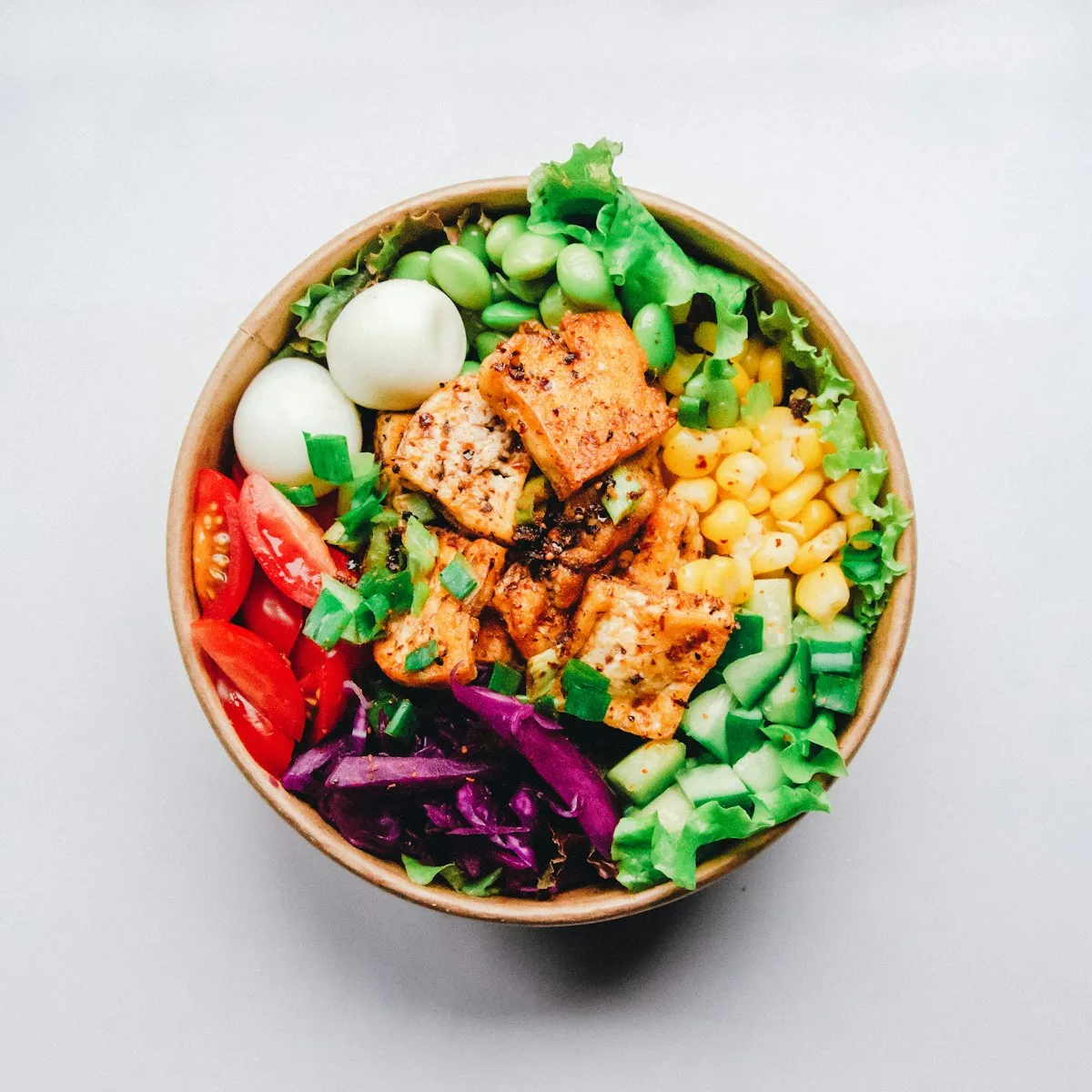
For a higher-protein version, add hard-boiled eggs, grilled chicken, tuna, or baked tofu. Keep the cucumber and lemon dressing in place so the added protein does not make the bowl feel dry.
For a grain-free option, use chopped romaine, arugula, or shredded cabbage as the base. Cabbage is especially useful for meal prep because it stays crisp longer than tender greens.
Make it spicy with crushed red pepper, harissa, or a few sliced chilies. Balance the heat with extra yogurt, cucumber, or a touch of honey. Remember: heat should add excitement, not make you sweat through dinner.
Turn it into a warm bowl by crisping the chickpeas and serving them over roasted vegetables. Or keep everything cool and fresh for a no-cook lunch. These small changes make the recipe flexible enough for busy households looking for reliable quick family meals.
Side Dish Pairings: Add Contrast, Not Competition
Pair this bowl with something that supports its fresh, lemony character. Warm whole-grain pita is an easy choice, especially when you want something sturdy for scooping. Toast it lightly so it adds a little crunch without becoming the main event.
A simple lentil soup makes the meal more filling on a cool evening. For inspiration, try Cookpedia’s Quick Chickpea and Spinach Stew, which uses lemon to brighten earthy legumes and greens.
Add grilled flatbread if you are feeding a group, or serve a small bowl of olives and pickled vegetables for extra salty and acidic contrast. Avoid pairing the bowl with several creamy sides at once. Too much richness dulls the crisp vegetables and makes the meal feel heavier than it needs to be.
For a lighter plate, serve it alongside a simple green salad from Cookpedia’s salad collection. Keep the second salad lightly dressed so the chickpea bowl remains the flavor anchor.
FAQ: What If the Bowl Goes Wrong?
What if my bowl tastes bland?
Check salt first, then acid. Chickpeas are mild and absorb seasoning, so an under-salted bowl can taste dull even when the vegetables are fresh. Add a pinch of salt, toss, and taste again. If it still feels flat, add a small squeeze of lemon rather than piling on more spices.
What if the dressing tastes too sour?
Add olive oil gradually, or soften the acidity with yogurt or tahini. A tiny amount of honey can also round out an aggressively sharp dressing. Do not add lots of salt to fix sourness; salt changes overall intensity but does not remove acid.
What if the cucumber makes everything watery?
Drain the chopped cucumber briefly before assembling, and avoid salting it too early. Salt pulls water from cucumber cells through osmosis. Dress the bowl just before serving if you want maximum crunch. For meal prep, keep the dressing separate and combine it when you are ready to eat.
Can I make this bowl ahead?
Yes, but separate the components for the best texture. Store the chickpeas, vegetables, grains, and dressing in airtight containers in the refrigerator. Add herbs, feta, and dressing shortly before eating. If the bowl is already dressed, enjoy it within three to four days and expect the cucumber to soften gradually.
Keep the prepared bowl chilled and avoid leaving it at room temperature for more than about two hours. If it smells unusual, looks slimy, or develops an odd texture, discard it. A bargain lunch is never worth a suspicious cucumber.
Why are my chickpeas mushy?
Canned chickpeas vary in firmness, and vigorous tossing can break them apart. Drain them well, handle them gently, and add them after the vegetables if you tend to stir enthusiastically. For a firmer bite, use chickpeas that are intact and crisp a portion in a skillet or air fryer.
Can I use dried chickpeas?
You can, but they will not fit the 15-minute promise unless they are already cooked. Dried chickpeas require soaking and simmering because their starches need time to hydrate and soften. Use canned chickpeas for speed, or cook a large batch ahead and refrigerate or freeze them in portions.
Is this enough for dinner?
For many people, yes: especially when served over greens, quinoa, or another whole grain. The chickpeas provide fiber and plant protein, while the vegetables add volume and freshness. If you need a larger meal, add eggs, tofu, chicken, tuna, pita, or a warm soup. Build the portion around your appetite rather than treating the bowl as a fixed rule.
How do I stop the bowl from feeling too heavy?
Use less dressing, increase the cucumber and herbs, and choose greens instead of a large grain base. Keep salty additions such as feta and olives modest because they can make the bowl feel richer quickly. A final squeeze of lemon often restores balance without adding more oil.
This is exactly what I want from healthy dinner ideas: simple food, strong contrast, and enough flexibility to fit a real weeknight. Start with crisp vegetables, season the chickpeas properly, and let acidity do the heavy lifting. You will have a bright, satisfying bowl before anyone has time to ask, “What’s for dinner?”