Recipe
Servings
Servings 1×
Ingredients
- Tofu
- Chickpeas
- Quinoa
- Bread
- Potatoes
- Sweet potatoes
- Broccoli
- Asparagus
- Carrots
- Avocado
- Lemon
- Honey
- Mustard
- Tahini
- Cooking oil
- Sesame
- Salt
Method
- Start by preheating your oven to at least 400°F (204°C).
- Pat your vegetables bone-dry after washing.
- Use a thin coat of oil to improve heat transfer.
- Give them room to breathe so the dry air can do its job.
- Rinse it thoroughly to remove saponins: the natural coating that tastes like soap: and toast the dry grains in a pan for two minutes before adding liquid.
- Use a 1.75:1 water-to-grain ratio for a firmer, fluffier texture rather than the mushy 2:1 standard.
If you have thirty minutes and a sheet pan, you have a gourmet meal. I am a firm believer that plant-based eating shouldn't feel like a compromise or a chore. These roasted veggie bowls are the ultimate solution for anyone looking for healthy dinner ideas that don't taste like "health food." By focusing on the science of high-heat roasting and the brightness of a citrus emulsion, you can transform humble pantry staples into a vibrant, texturally diverse meal that satisfies even the most dedicated carnivores.
Master the Maillard: The Science of Superior Roasting
To elevate a simple bowl of vegetables, you must understand the Maillard reaction. This chemical dance between amino acids and reducing sugars is what gives roasted carrots their candy-like sweetness and charred broccoli its savory, nutty depth. Without it, you are just eating hot, soggy produce. To achieve that perfect golden-brown crust, you need heat, dryness, and space.
Start by preheating your oven to at least 400°F (204°C). If you want to take a shortcut, you can also look into air fryer recipes dinner enthusiasts swear by; the rapid air circulation in an air fryer mimics a professional convection oven, accelerating the browning process. Regardless of the heat source, the enemy of the Maillard reaction is moisture.
Pat your vegetables bone-dry after washing. Any residual water will turn into steam, keeping the surface temperature at a boring 212°F (100°C) and preventing the browning that occurs above 285°F. Use a thin coat of oil to improve heat transfer. Avoid overcrowding the pan; if your vegetables are touching, they are steaming each other. Give them room to breathe so the dry air can do its job.
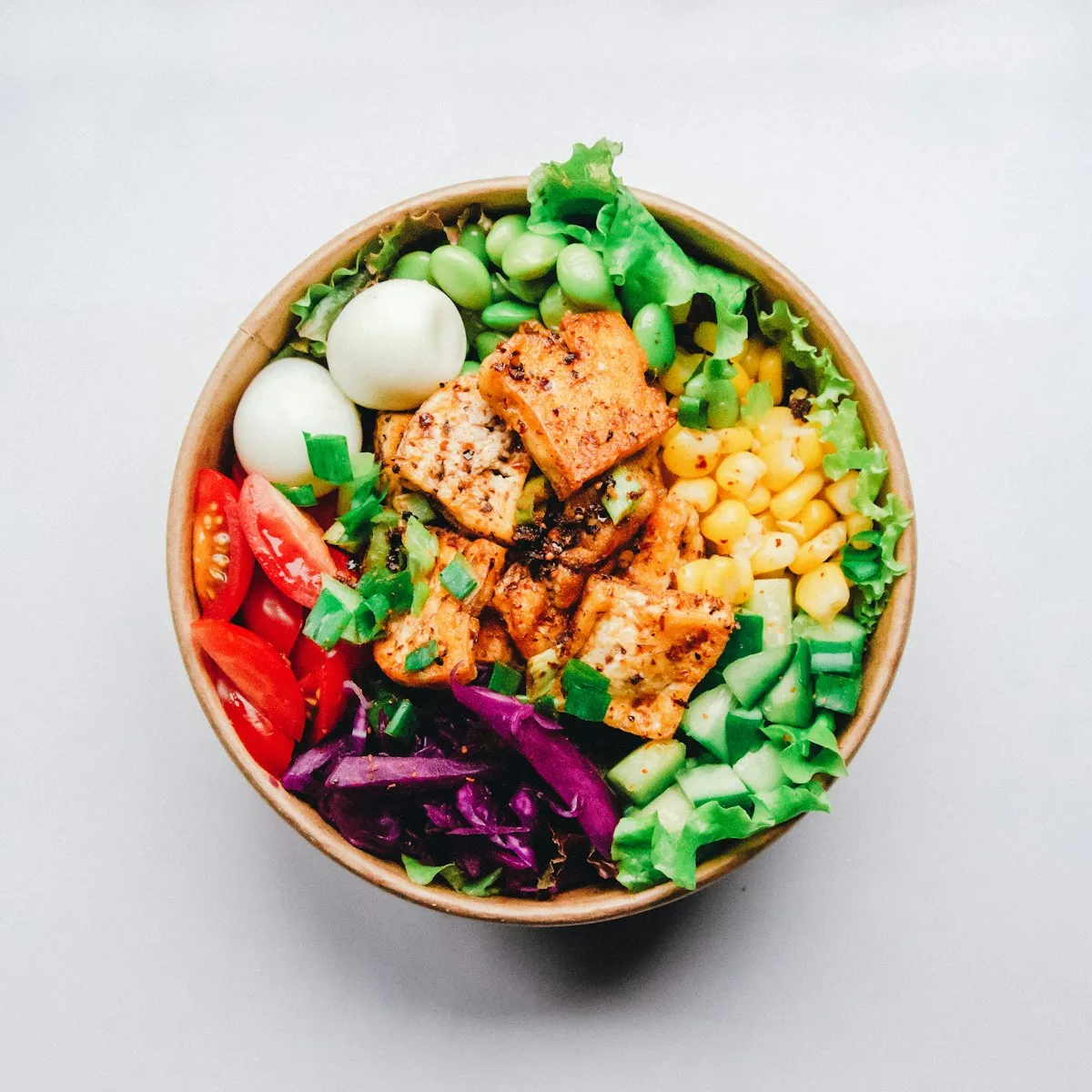
For the quinoa, treat it with the respect a protein-packed grain deserves. Rinse it thoroughly to remove saponins: the natural coating that tastes like soap: and toast the dry grains in a pan for two minutes before adding liquid. This extra step adds a popcorn-like aroma that ties the whole bowl together. Use a 1.75:1 water-to-grain ratio for a firmer, fluffier texture rather than the mushy 2:1 standard. Once cooked, let it rest, covered, for ten minutes. This allows the moisture to redistribute, ensuring every grain is separate and light. Check out our 30-minute meals for more efficiency hacks like these.
Seasonal Variations and Protein Boosts
The beauty of a grain bowl is its versatility. While sweet potatoes and broccoli are reliable staples, you should pivot your produce based on the season to ensure the highest nutrient density. In the autumn, lean into honey-nut squash and Brussels sprouts. In the spring, swap the heavy roots for asparagus and radishes, which roast in half the time.
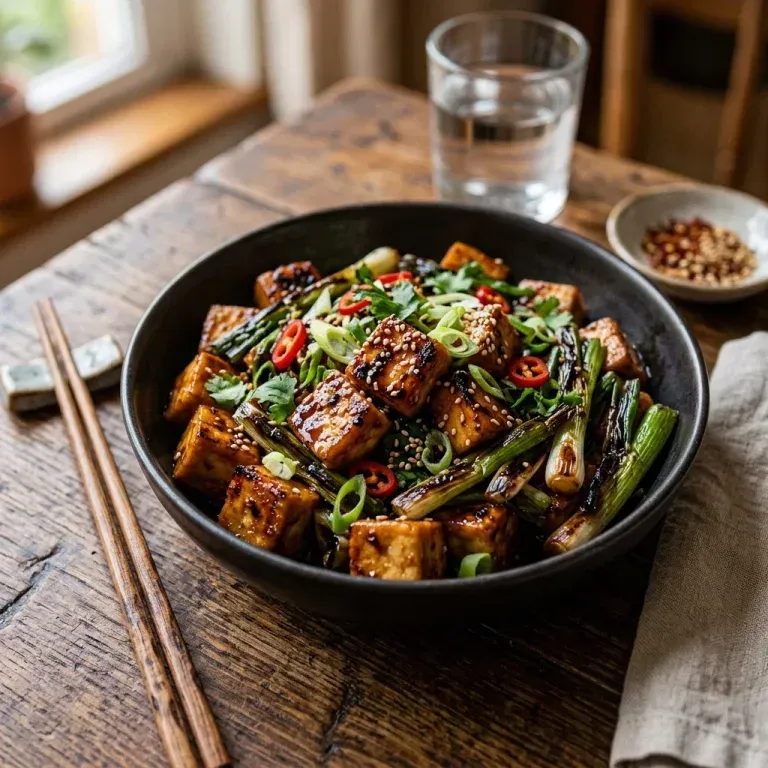
If you need more staying power, look for vegetarian dinner recipes that incorporate hearty proteins. Crispy tofu is a natural partner here. You can press the tofu to remove excess water, toss it in a bit of cornstarch, and roast it right alongside the vegetables. If you are short on time, using pre-cooked chickpeas or edamame can turn these into quick family meals that still feel intentional. For a more intense flavor profile, try an air-fried sesame tofu addition, which provides a satisfying crunch that contrasts beautifully with the tender quinoa.
Balancing the Bowl: Pairings and Acidity
A bowl of roasted vegetables can quickly become "one-note" if you don't balance the richness with acidity and crunch. The lemon-herb dressing isn't just a garnish; it is the structural component that cuts through the oil and the starch. To create a stable emulsion, whisk your lemon juice with a teaspoon of Dijon mustard before slowly drizzling in your olive oil. The mustard acts as an emulsifier, binding the oil and water into a creamy, cohesive sauce that clings to the quinoa.
Always add fresh herbs: like parsley, cilantro, or mint: at the very end. The heat of the roasted veggies will release their volatile oils, filling your kitchen with fragrance. For texture, consider a "topping strategy." A handful of toasted pumpkin seeds, sliced almonds, or a sprinkle of hemp hearts adds the necessary "snap" that makes the meal feel complete. If you want a bit of creaminess without dairy, a dollop of hummus or a drizzle of tahini sauce provides a luxurious mouthfeel that rounds out the sharp lemon notes.
Common Questions and Troubleshooting
Why are my roasted vegetables always mushy?
The most likely culprit is overcrowding or low heat. When you pack a baking sheet too tightly, the moisture released by the vegetables has nowhere to go, so it creates a steam tent. This boils the veggies instead of roasting them. Increase your temperature and use two pans if necessary. Also, ensure you are using a high-smoke-point oil like avocado or grapeseed oil; olive oil is fine for 400°F, but don't go much higher or it will break down and taste bitter.
How do I stop quinoa from being bitter?
That bitterness comes from saponins, a natural defense mechanism of the plant. Even "pre-washed" quinoa often has residue. Rinse it in a fine-mesh sieve under cold water until the water runs clear and no longer bubbles like soap. If the bitterness persists, add a pinch of salt and a squeeze of lemon juice after cooking; acidity is the natural enemy of bitter flavors and will help neutralize the profile.
Can I make this as part of my meal prep?
Absolutely. Roasted root vegetables hold up incredibly well in the fridge for up to four days. However, avoid dressing the entire batch at once. Acid can break down the cell walls of the vegetables over time, making them limp. Keep the lemon herb dressing in a separate jar and drizzle it on just before serving. This is a staple strategy for those searching for healthy dinner ideas that work for a busy work week.
What if I don't have an oven?
You can achieve similar results in a heavy cast-iron skillet on the stovetop. Use medium-high heat and don't stir too often: you want the vegetables to sit in contact with the hot surface to develop that char. Alternatively, many air fryer dinners use the same principles of convection to get that "roasted" finish in half the time.
{“@type”:”BlogPosting”,”image”:”https://cdn.marblism.com/huEcrTPjhAR.webp”,”author”:{“name”:”Cookpedia”,”@type”:”Organization”},”@context”:”https://schema.org”,”headline”:”Plant-Based Dinner Ideas: Roasted Veggie Bowls with Lemon Herb Quinoa”,”keywords”:”air fryer recipes dinner, quick family meals, healthy dinner ideas, plant-based dinner, quinoa bowl, roasted vegetables”,”publisher”:{“logo”:{“url”:”https://cdn.marblism.com/r31hCYxu5lk.webp”,”@type”:”ImageObject”},”name”:”Cookpedia”,”@type”:”Organization”},”description”:”Discover the science of the perfect plant-based grain bowl. Learn how the Maillard reaction transforms roasted vegetables and how to create a stable lemon-herb emulsion for a healthy, quick dinner.”,”datePublished”:”2026-07-27″,”articleSection”:”Plant-Based / Dinner”,”mainEntityOfPage”:{“@id”:”https://cookpedia.com/plant-based-dinner-ideas-roasted-veggie-bowls”,”@type”:”WebPage”}}