Recipe
Servings
Servings 1×
Ingredients
- Black beans
- Beans
- Rice
- Tortillas
- Bread
- Greens
- Corn
- Avocado
- Apple
- Onion
- Lime
- Butter
- Cooking oil
- Black pepper
Method
- Let’s face it: your wallet is feeling a bit thin, but your stomach hasn't gotten the memo.
- Let’s get you cooking something that actually satisfies without breaking the bank.
- Use a clean kitchen towel or paper towels to pat those beans and corn until they are bone-dry.
- Start with a layer of cheese, add your filling, and then top with more cheese.
- Heat your pan to a medium-high temperature.
- Toss shredded cabbage with lime juice, a hint of oil, and plenty of cilantro.
Let’s face it: your wallet is feeling a bit thin, but your stomach hasn't gotten the memo. You need a meal that tastes like a luxury but costs less than your morning latte. Enter the black bean and corn quesadilla, the undisputed heavyweight champion of budget friendly recipes. It’s crunchy, cheesy, and packed with plant-based protein. Best of all, it utilizes pantry staples you likely already have buried behind that jar of pickles you bought in 2023. Let’s get you cooking something that actually satisfies without breaking the bank.
The Science of the Perfect Crunch
When you’re whipping up easy dinner recipes, it’s tempting to just throw everything in a pan and hope for the best. Don't do that. A truly great quesadilla is a feat of engineering, specifically focusing on moisture management and structural integrity.
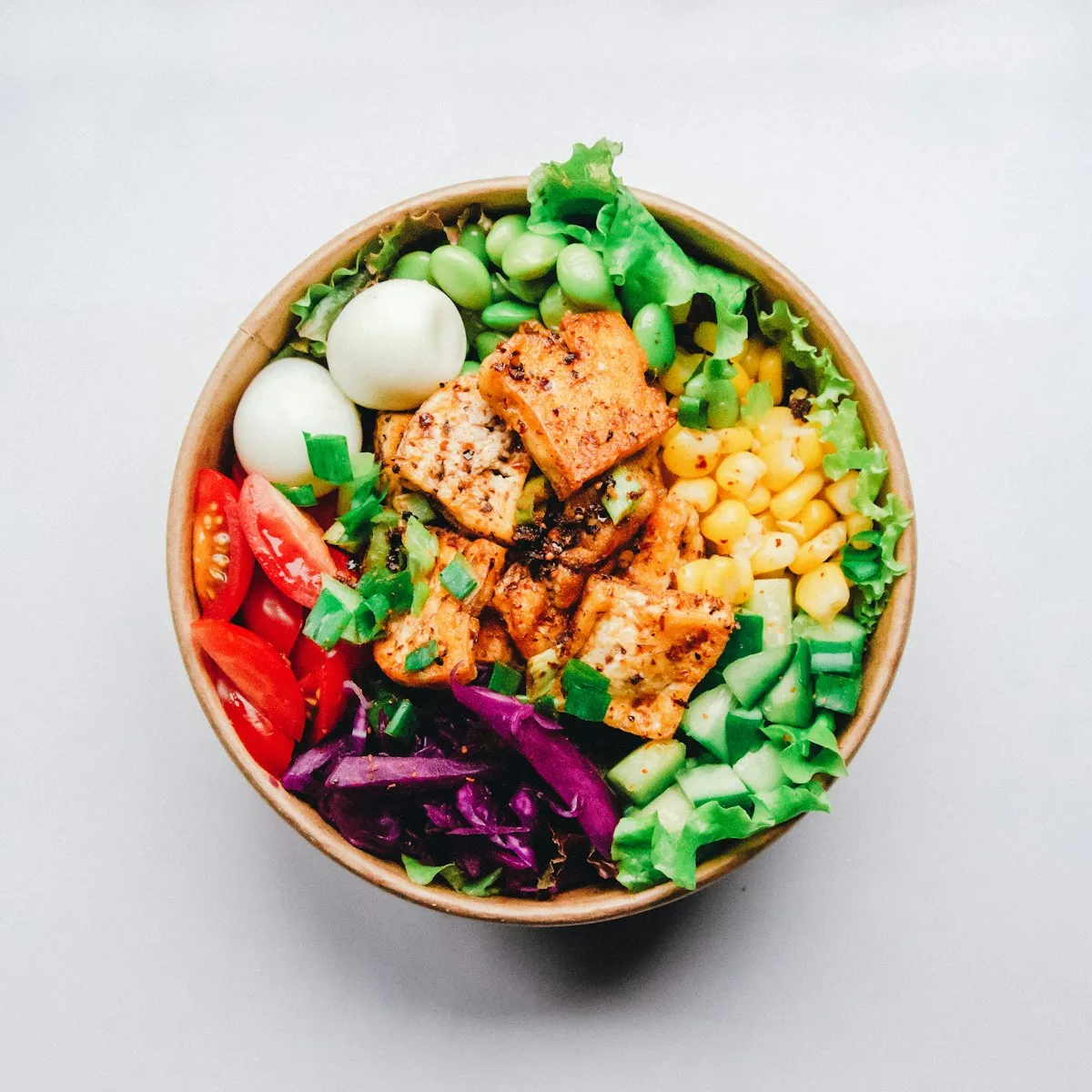
First, let's talk about the "Soggy Tortilla Syndrome." Beans and corn, especially the canned variety, are notorious water-carriers. If you dump them straight from the can onto your tortilla, you’re essentially steaming your bread from the inside out. This leads to a sad, floppy mess. To prevent this, you must dry your ingredients. Use a clean kitchen towel or paper towels to pat those beans and corn until they are bone-dry. If you want to go the extra mile, toss them in a dry skillet for two minutes to evaporate any lingering surface moisture. This ensures that when the heat hits the tortilla, it creates a crisp, golden crust through the Maillard reaction, the chemical reaction between amino acids and reducing sugars that gives browned food its distinctive flavor.
Next up: the "Cheese Glue" theory. Cheese isn't just for flavor; it’s the mortar holding your bean-and-corn bricks together. If you only put cheese on the bottom, the top tortilla will slide off like a skater on an oil slick the moment you try to flip it. You need a "dual-layer" approach. Start with a layer of cheese, add your filling, and then top with more cheese. As the proteins in the cheese denature and melt, they create a sticky bond that fuses the tortillas into a single, cohesive unit. This is non-negotiable for anyone who wants a clean slice later on.
Finally, let’s discuss the fat. While butter tastes great, it has a lower smoke point and contains water. For the ultimate crunch, a neutral oil with a high smoke point, like avocado or grapeseed oil, is often superior. If you insist on butter for the flavor, use a 50/50 mix. Heat your pan to a medium-high temperature. You want the "sizzle" the moment the tortilla touches the surface, but you don't want it to smoke. Slow and steady wins the race here; give the cheese enough time to melt completely before the outside becomes too dark.
Flavor Variations and Upgrades
One of the reasons this dish ranks so high among quick healthy meals is its sheer versatility. If you find the basic bean-and-corn combo a bit too "Wednesday night," you can easily pivot based on what’s in your fridge.
If you want more depth, look toward your spice cabinet. Smoked paprika can give your beans a "meaty" charred flavor without the cost of actual meat. Cumin provides that classic earthy base, while a pinch of chipotle powder adds a smoky heat that lingers. For those who enjoy a bit of acidity to cut through the richness of the cheese, try stirring a teaspoon of lime juice or even a splash of apple cider vinegar into your bean mixture before assembling.
Texture is another area where you can play. Try mashing about a third of your beans into a rough paste. This "bean mash" acts as a secondary adhesive and provides a creamy contrast to the whole beans and the pop of the corn kernels. If you have a stray bell pepper or a lonely red onion in the crisper drawer, dice them finely and sauté them before adding them to the mix. Just remember the moisture rule: if you add veggies, cook them until their water has evaporated, or you’ll end up back in Soggy Town. For more inspiration on rapid cooking, check out our 15-minute meals section.
Strategic Side Dish Pairings
A quesadilla is rich, salty, and fatty. To make this a balanced meal, you need sides that provide contrast, specifically acidity and crunch. A heavy dish needs a "lifter."
A simple cabbage slaw is the gold standard here. Cabbage is incredibly cheap and stays crunchy much longer than lettuce. Toss shredded cabbage with lime juice, a hint of oil, and plenty of cilantro. The high acidity of the lime cuts through the "heaviness" of the melted cheese, refreshing your palate between every bite.
If you’re looking for something heartier, a side of cilantro-lime rice is a budget-friendly way to bulk out the meal for a larger family. It follows the same principle: the brightness of the citrus balances the earthy beans. If you happen to have an air fryer, you can even make some quick "tortilla chips" from leftover scraps of your tortillas to serve with a basic salsa. You can find more tips on using your gadgets in our air fryer dinners guide. For more plant-based inspiration, see our vegetarian dinner recipes.
Frequently Asked Questions
Why do my quesadillas always fall apart when I flip them?
This is almost always a "cheese glue" failure. Ensure you are using shredded cheese both below and above your black bean and corn filling. Additionally, don't overstuff! It’s tempting to pile the beans high, but a thinner, more even layer allows the cheese to make contact with both tortillas. Also, wait until the bottom cheese is fully melted and "bubbling" at the edges before you attempt the flip.
Can I make these ahead of time or freeze them?
Yes, but with a caveat. You can assemble the quesadillas and freeze them un-cooked with pieces of parchment paper between them. To cook from frozen, go low and slow so the center thaws before the outside burns. If you reheat a pre-cooked quesadilla, avoid the microwave; it will turn the tortilla into a rubbery disc. Instead, use a dry skillet or a toaster oven to bring back that essential crunch.
Should I use flour or corn tortillas?
Flour tortillas are generally preferred for quesadillas because they are more elastic and hold together better when folded. They also brown more evenly thanks to their higher sugar and fat content. Corn tortillas can be used, but they are more prone to cracking and tearing. If you use corn, I recommend the "stack" method (two tortillas with filling in between) rather than folding a single one in half.
Is it better to use butter or oil for the pan?
Scientifically, oil is better for crispness due to its lack of water content. However, butter provides a rich, nutty flavor (the Maillard reaction at work again). The "pro" move is to brush the outside of the tortilla with a very light coating of oil for the crunch, then add a tiny pat of butter to the pan right at the end of cooking for that final flavor punch.
My beans are bland, how do I fix the flavor without buying more stuff?
Salt and acid are your best friends. Most "bland" food simply lacks enough salt to make the flavors pop. If it’s still dull after salting, add a splash of vinegar or lime juice. The acid acts as a flavor enhancer, much like salt, and will wake up the earthy notes of the beans and the sweetness of the corn.
{“@type”:”BlogPosting”,”image”:”https://cdn.marblism.com/ENWdju_QfqE.webp”,”author”:{“name”:”Penny”,”@type”:”Person”},”@context”:”https://schema.org”,”headline”:”Budget-Friendly Recipes: Black Bean and Corn Quesadillas”,”publisher”:{“logo”:{“url”:”https://cookpedia.com/logo.png”,”@type”:”ImageObject”},”name”:”Cookpedia”,”@type”:”Organization”},”mainEntity”:{“@type”:”FAQPage”,”mainEntity”:[{“name”:”Why do my quesadillas always fall apart when I flip them?”,”@type”:”Question”,”acceptedAnswer”:{“text”:”This is usually a lack of ‘cheese glue.’ Use shredded cheese both above and below the filling to act as an adhesive.”,”@type”:”Answer”}},{“name”:”Can I make these ahead of time or freeze them?”,”@type”:”Question”,”acceptedAnswer”:{“text”:”Yes, assemble them and freeze uncooked between layers of parchment paper. Reheat in a skillet or toaster oven to maintain crispness.”,”@type”:”Answer”}},{“name”:”Should I use flour or corn tortillas?”,”@type”:”Question”,”acceptedAnswer”:{“text”:”Flour tortillas are more elastic and less prone to cracking, making them ideal for the folding required in quesadillas.”,”@type”:”Answer”}}]},”description”:”Learn the science behind making the perfect crispy black bean and corn quesadillas on a budget. Tips on moisture control, cheese structure, and flavor pairings.”,”datePublished”:”2026-07-23″,”mainEntityOfPage”:{“@id”:”https://cookpedia.com/budget-friendly-black-bean-corn-quesadillas”,”@type”:”WebPage”}}