Recipe
Servings
Servings 1×
Ingredients
- Chickpeas
- Quinoa
- Noodles
- Rice
- Potatoes
- Sweet potatoes
- Spinach
- Kale
- Cucumber
- Onion
- Lemon
- Tahini
- Cooking oil
- Sesame
- Salt
Method
- Give them space to breathe!
- Use a whisk and add your liquid slowly, one tablespoon at a time.
- Toss them in the oven (or air fryer) alongside your potatoes.
If you have ever felt like your weeknight dinners are stuck in a repetitive cycle of "just okay," it is time to embrace the Buddha bowl. My blog has always been about transforming simple ingredients into something soulful, and there is nothing quite like a bowl that balances the earthy sweetness of roasted tubers with a zingy, velvety dressing. You do not need to be a professional chef to master this; you just need to understand a little bit of the magic happening in your oven.
The Chemistry of Caramelization and Creamy Emulsions
When you toss a tray of cubed sweet potatoes into the heat, you aren't just cooking them; you are conducting a flavor symphony. Sweet potatoes are fascinating because they contain an enzyme called amylase. As the temperature of the potato rises, specifically between 135°F and 170°F, this enzyme goes to work, breaking down complex, tasteless starches into maltose. This is why a slow-roasted or high-heat sweet potato tastes significantly sweeter than a raw one.
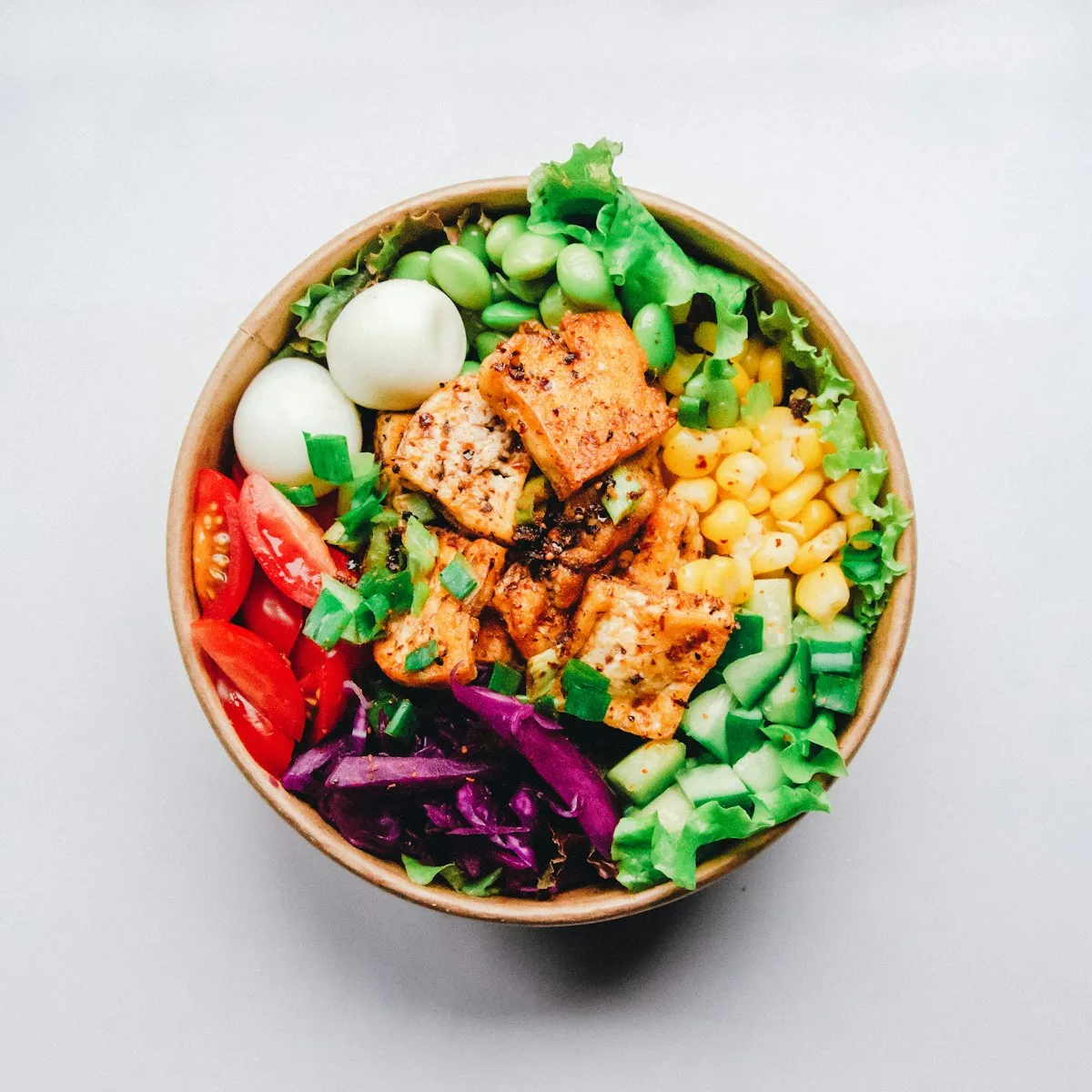
To achieve that legendary contrast of a custardy interior and a crisp exterior, use high heat. Aim for 425°F. This temperature is the sweet spot where the Maillard reaction occurs, the chemical reaction between amino acids and reducing sugars that gives browned food its distinctive, savory-sweet flavor. Avoid overcrowding your pan. If the cubes are too close, they release steam that gets trapped, leaving you with mushy potatoes instead of caramelized gems. Give them space to breathe!
If you are looking for even faster results, I often turn to air fryer recipes dinner enthusiasts rave about. The concentrated convection heat in an air fryer accelerates the Maillard reaction, giving you those crispy edges in nearly half the time of a conventional oven. Just ensure you toss them halfway through to keep the browning even.
While your potatoes roast, you must focus on the tahini dressing. This is where many home cooks stumble, but it is actually a beautiful lesson in emulsification. Tahini is essentially sesame fat. When you add water or lemon juice, the mixture often "seizes" or thickens into a paste. Don't panic! This is a natural phase of creating an oil-in-water emulsion. Use a whisk and add your liquid slowly, one tablespoon at a time. As the water disperses into the tiny fat droplets of the sesame paste, it will eventually smooth out into a creamy, pourable sauce. Check the consistency frequently; you want it thick enough to coat a spoon but thin enough to drizzle elegantly over your greens.
Mastering the Mix: Textures and Variations
The beauty of a Buddha bowl lies in its versatility, making it one of the best quick family meals for a busy Tuesday. Once you have your base of sweet potato and tahini, you can pivot the flavor profile based on what is in your pantry. Consider the grain: quinoa offers a nutty, protein-rich fluffiness, but farro provides a chewy, satisfying bite that stands up well to heavy dressings.
If you want to add more protein, roasted chickpeas are a non-negotiable for me. Toss them in the oven (or air fryer) alongside your potatoes. The science is the same, removing moisture creates a crunch that contrasts beautifully with the soft sweet potato. For those who prefer a bit of heat, whisk a teaspoon of harissa or sriracha into your tahini dressing. The acidity of the lemon in the dressing already cuts through the richness of the sesame fat, but adding a spicy element creates a "flavor triangle" that keeps your palate engaged with every bite.
For more inspiration on plant-based eating, check out our vegetarian dinner recipes. You can swap out the kale for massaged spinach or even a cold noodle base if you want to move away from traditional grains. The goal is balance: something roasted, something raw, something crunchy, and something creamy.
Perfect Pairings for a Balanced Plate
While a Buddha bowl is often a complete meal on its own, pairing it with the right side dish can elevate the entire experience. You should aim for sides that provide a sharp contrast to the starchy, sweet nature of the bowl.
A simple cucumber and radish salad with a light rice vinegar dressing is a stellar choice. The high acidity and high water content of the cucumbers act as a palate cleanser, cutting through the dense creaminess of the tahini. Alternatively, a quick batch of pickled red onions is a game-changer. The pickling process, a quick soak in vinegar, salt, and sugar, transforms the sharp bite of raw onion into a bright, tangy condiment that makes the roasted flavors pop.
If you’re looking for more healthy dinner ideas that fit into a tight schedule, explore our 30-minute meals section. Sometimes a simple side of steamed edamame with sea salt is all you need to round out the protein profile and add a pop of vibrant green to your table.
FAQ: Solving Your Bowl Blunders
Why did my tahini dressing turn into a thick, clumpy mess?
This is the "seizing" I mentioned earlier. It happens because there isn't enough water to fully encapsulate the oil droplets in the tahini. Use a whisk and keep adding room-temperature water a little at a time. It will look worse before it looks better, but it will eventually turn smooth and creamy.
Can I make this in advance for meal prep?
Absolutely, but you must be strategic. Store the roasted sweet potatoes, grains, and dressing in separate containers. If you store them together, the potatoes will absorb moisture from the greens and become soggy. Reheat the potatoes in a toaster oven or use your air fryer to bring back that crunch before assembling.
My sweet potatoes are soft but not browned. What happened?
You likely overcrowded the pan or your oven temperature wasn't high enough. When potatoes are packed too tightly, the water they release turns into steam. Use a larger baking sheet or two separate ones to ensure the hot air can circulate around every single cube.
How do I make the kale less bitter?
Use the "massage" technique. Sprinkle a little salt and a tiny bit of olive oil over the kale and literally squeeze the leaves with your hands for 2–3 minutes. This breaks down the tough cellulose structure and reduces the bitterness, making it far more palatable in a raw bowl.
Is there a substitute for tahini if I have an allergy?
Sunflower seed butter (SunButter) is the closest scientific match in terms of fat content and texture. It has a slightly more earthy, "toasted" flavor, but it emulsifies in almost the exact same way. Avoid using peanut butter as a direct sub, as the flavor is too dominant for this specific flavor profile.
Can I use frozen sweet potatoes?
Yes, and there is a cool scientific perk to this! Freezing ruptures the cell walls of the potato. When you roast them directly from frozen at a high temperature, the interior often becomes even fluffier than fresh potatoes. Just be sure to increase your roasting time by about 5–10 minutes.
{“@type”:”BlogPosting”,”image”:”https://cdn.marblism.com/7OM1hfGqGYY.webp”,”author”:{“name”:”Penny”,”@type”:”Person”},”@context”:”https://schema.org”,”headline”:”Plant-Based Dinner Ideas: Vegan Buddha Bowl with Roasted Sweet Potato and Tahini”,”publisher”:{“logo”:{“url”:”https://cdn.marblism.com/KxroJ1kM_KA.webp”,”@type”:”ImageObject”},”name”:”Cookpedia”,”@type”:”Organization”},”description”:”Learn the science behind the perfect Vegan Buddha Bowl, featuring roasted sweet potatoes and creamy tahini dressing. Expert tips on caramelization and emulsification for the ultimate healthy dinner.”,”datePublished”:”2026-07-22″}