Recipe
Servings
Servings 1×
Ingredients
- Tofu
- Chickpeas
- Black beans
- Beans
- Pasta
- Rice
- Bread
- Potatoes
- Cauliflower
- Broccoli
- Spinach
- Kale
- Greens
- Avocado
- Apple
- Berries
- Onion
- Garlic
Method
- Use sea salt liberally on your avocados and stay hydrated.
- Keep a jar of them on your counter.
- Use nut butters that have zero added sugar, read every single label because sugar hides everywhere, even in "healthy" almond butter.
- Use roasted cauliflower to replace rice or potatoes.
- Use hardy greens like kale and Swiss chard, which can stand up to heavy, fatty dressings.
- Add another tablespoon of olive oil or half an avocado.
So, you’ve decided to take the plunge into the world of plant-based keto. Welcome to the intersection of "I want to save the planet" and "I want to burn fat like a furnace." Most people think keto is just a ticket to an all-you-can-eat bacon buffet, but I’m here to tell you that you can ditch the dairy and the meat without losing the metabolic magic. It’s a bit of a balancing act, but once you find your rhythm, these healthy dinner ideas will become second nature.
The Science of the Switch: Fat, Carbs, and Ketosis
If you're going to master plant-based keto, you need to understand the "why" behind the macros. Normally, your body is a sugar-burner. It takes the carbs from that pasta or bread and turns them into glucose for quick energy. Ketosis is the physiological state where your body flips the switch. When you deprive the system of glucose (by keeping net carbs under 20–50 grams a day), your liver starts turning fat into ketones. This is where the magic happens, but since you aren't getting your fats from lard or butter, you have to be intentional about your plant-based fuel.
Focus heavily on "net carbs", that’s total carbs minus fiber. Because plants are naturally high in fiber, this is your secret weapon. You can eat a massive bowl of spinach and barely dent your carb limit because most of it is fiber that your body doesn't digest. This allows you to stay full while keeping your insulin levels low enough to stay in the fat-burning zone.
Don't ignore the importance of electrolytes. When you cut carbs, your body flushes out water and salt. This is why many beginners feel like they’ve been hit by a bus (the "keto flu"). Use sea salt liberally on your avocados and stay hydrated. Your brain needs those electrolytes to keep the brain fog at bay while it adjusts to using ketones instead of glucose.
Techniques for High-Fat Success
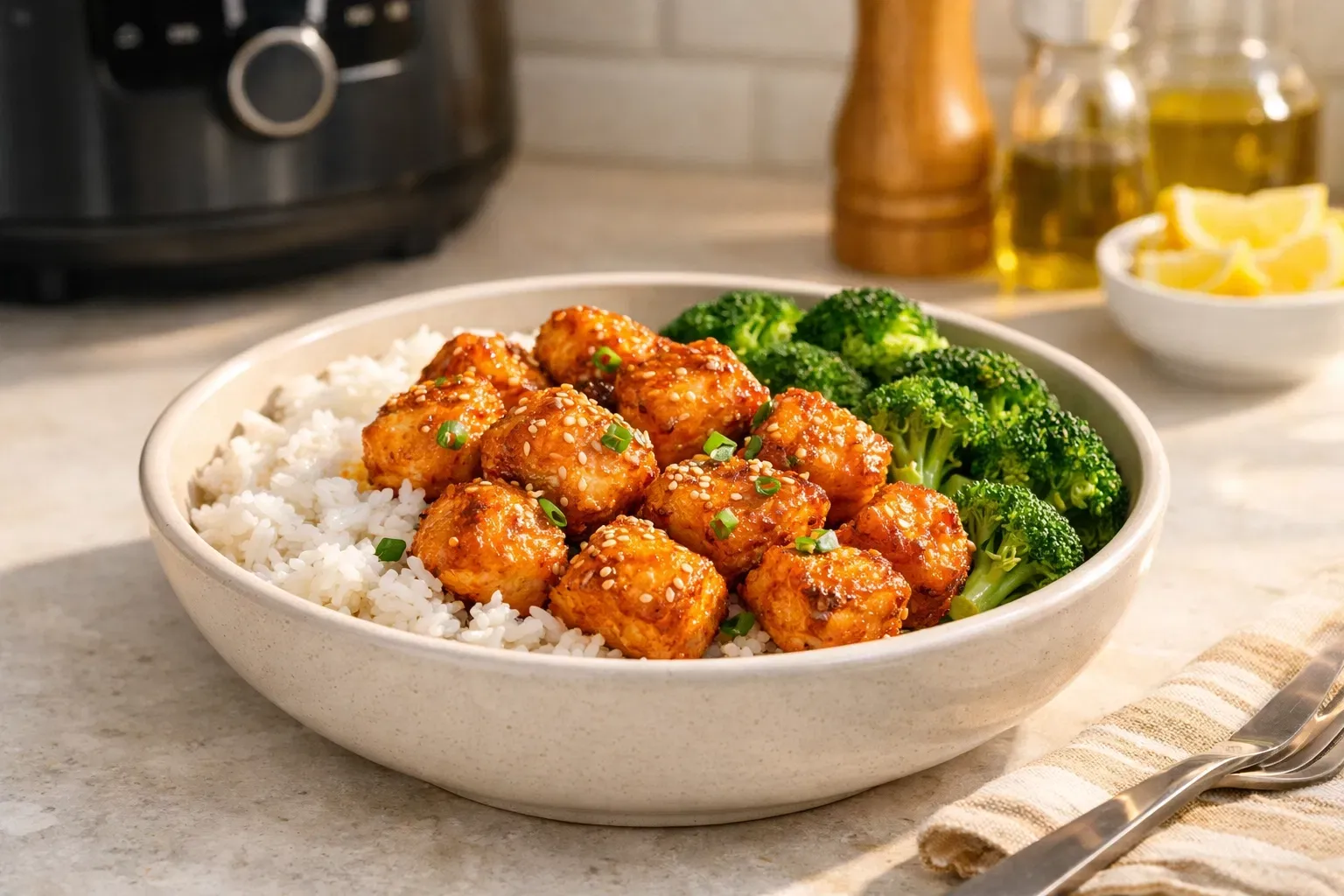
When you're looking for air fryer recipes dinner prep, the air fryer is actually your best friend for plant-based keto. Why? Because keto proteins like tofu and tempeh can sometimes be a bit… soggy. The high-velocity heat of an air fryer crisps them up without needing a mountain of breading. Just toss your tofu in some avocado oil and salt before air frying. The oil doesn't just add flavor; it’s essential for hitting your fat macros.
Choose your fats wisely. Not all plant fats are created equal. Focus on monounsaturated fats like those found in extra virgin olive oil and avocados. These are stable and heart-healthy. Avoid highly processed seed oils like soybean or canola, which can be pro-inflammatory. For high-heat cooking, reach for avocado oil or coconut oil, as they have higher smoke points and won't oxidize as easily as delicate olive oils.
Check your protein sources constantly. Since you aren't eating steaks, you need to lean on hemp seeds, pumpkin seeds, and high-quality soy like tempeh. Tempeh is fermented, which makes it easier on the gut and adds a nutty depth to your meals. Aim for moderate protein, too much can actually kick you out of ketosis through a process called gluconeogenesis (where the body turns excess protein into sugar), though this is less of a concern on a plant-based diet than it is for meat-eaters.
Embrace the "fat bomb" mentality, but keep it savory. Think of macadamia nuts as nature’s keto pills. They are nearly 75% fat and incredibly low in carbs. Keep a jar of them on your counter. Use nut butters that have zero added sugar, read every single label because sugar hides everywhere, even in "healthy" almond butter.
Mastering the Plant-Based Pivot
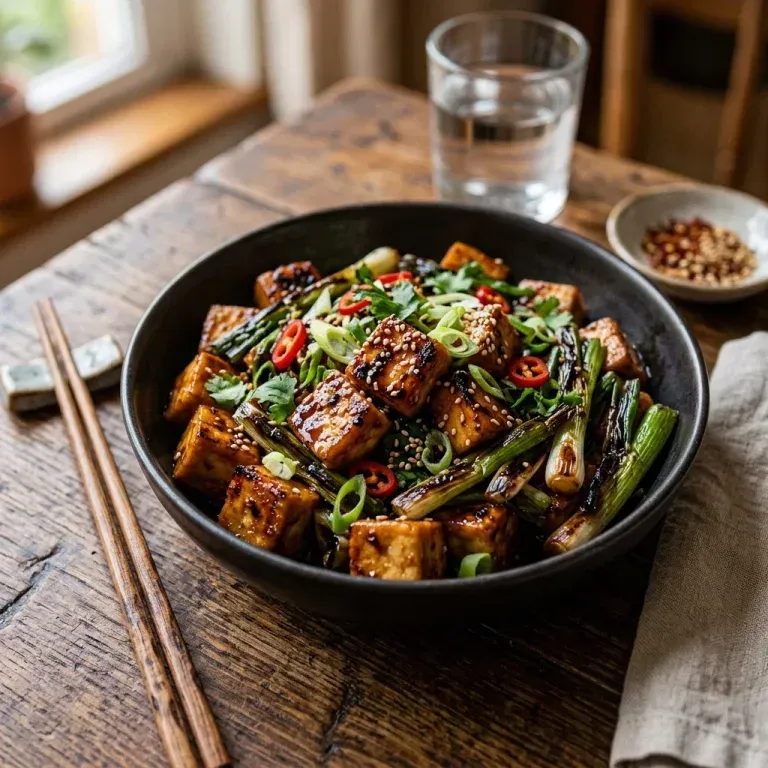
The beauty of this lifestyle is the variety you can create once you stop trying to mimic meat and start celebrating plants. If you're coming from a standard diet, the biggest hurdle is the texture. Use roasted cauliflower to replace rice or potatoes. When roasted at high heat, cauliflower develops a sweetness and a bite that pairs perfectly with spicy keto sauces.
Switch up your greens. Don't just stick to iceberg lettuce. Use hardy greens like kale and Swiss chard, which can stand up to heavy, fatty dressings. Massage your kale with a little olive oil and lemon juice to break down the tough fibers before you eat it. This makes it much more palatable and helps with digestion.
If you are struggling to hit your fat goals, start making your own sauces. A quick tahini dressing (tahini, lemon, garlic, and water) can add 15–20 grams of healthy fat to a meal in seconds. Always keep a bottle of MCT oil in the pantry. It’s tasteless and provides an immediate energy boost because the body processes it differently than other fats, sending it straight to the liver to be converted into ketones.
Balancing the Plate: Pairings and Acidity
Because plant-based keto meals are naturally very rich and fatty, you need acidity to cut through that heaviness. Think of it as a culinary "reset button" for your palate. If you’re eating a bowl of creamy avocado and macadamia nuts, a zesty side salad with a sharp apple cider vinegar dressing will keep the meal from feeling sluggish.
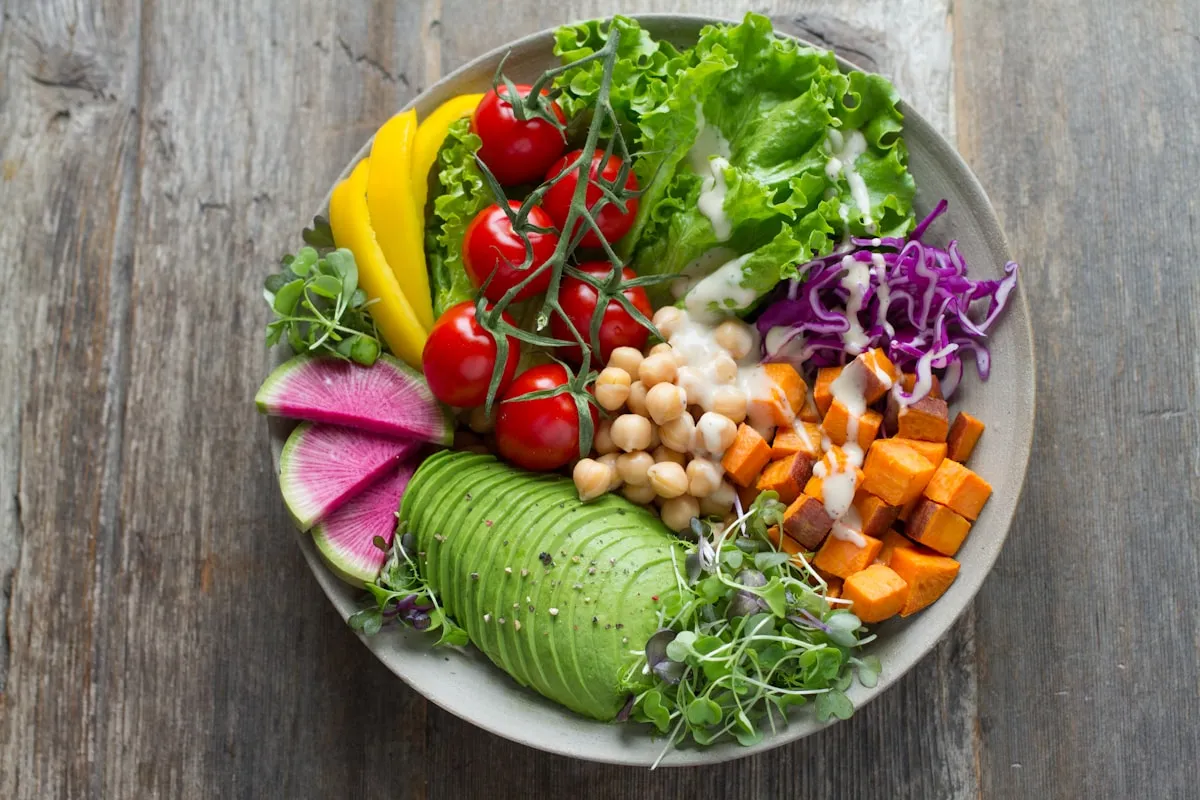
Avoid sweet pairings, obviously, but don't be afraid of spice. Hot sauce, red pepper flakes, and fresh ginger can elevate a simple plate of steamed broccoli and tofu into something restaurant-quality. These additions provide "flavor impact" without adding carbs. If you're planning quick family meals, keep a batch of pickled red onions in the fridge. They add a bright pink pop of color and a sharp tang that makes any keto bowl feel intentional and gourmet.
For a balanced meal, always aim for three components: a high-fat element (avocado/oils), a moderate-protein element (tofu/seeds), and a high-fiber element (leafy greens/crucifers). This trio ensures you stay in ketosis, keep your muscle mass, and, most importantly, keep your digestion moving.
Common Questions and Troubleshooting
What if I’m still hungry after a big meal?
Check your fat intake. In the keto world, fat is your lever for satiety. If you're still hungry, you likely didn't eat enough fat. Add another tablespoon of olive oil or half an avocado. Also, check your hydration. Sometimes your brain confuses thirst for hunger, especially when you’re in the early stages of ketosis.
Can I eat beans on a plant-based keto diet?
Usually, no. Most beans like chickpeas and black beans are too high in starch. However, you can use black soybeans, which are much lower in net carbs and can satisfy that "bean" craving in chili or salads. Use them sparingly and always track the macros.
Will I lose muscle if I don't eat meat?
Not if you’re smart about it. Ensure you are hitting your protein targets through tofu, tempeh, seitan (if you aren't gluten-sensitive), and seeds. Resistance training also helps signal to your body that it needs to keep that muscle while it burns the fat.
What about the "Keto Flu"?
Avoid it by staying ahead of your electrolytes. Use high-quality salt and consider a sugar-free magnesium supplement. Drink plenty of water, but make sure you’re replacing the salts you’re flushing out.
Can I ever eat fruit?
Berries are your best friend here. Raspberries and blackberries are high in fiber and relatively low in sugar. A small handful (about a quarter cup) can usually fit into your daily carb budget. Avoid tropical fruits like bananas and mangoes, as they are essentially sugar bombs that will knock you out of ketosis instantly.
Mastering this way of eating takes patience, but the payoff in energy and mental clarity is worth the learning curve. If you're looking for more inspiration, check out our healthy recipes or browse our dinner collection for more ideas on how to keep things fresh.
{“@type”:”BlogPosting”,”image”:”https://cdn.marblism.com/zhyuyclU4ju.webp”,”author”:{“name”:”Cookpedia”,”@type”:”Organization”},”@context”:”https://schema.org”,”headline”:”Plant-Based Keto 101: A Beginner’s Guide to Mastering the Basics”,”publisher”:{“logo”:{“url”:”https://cookpedia.com/logo.png”,”@type”:”ImageObject”},”name”:”Cookpedia”,”@type”:”Organization”},”mainEntity”:{“@type”:”FAQPage”,”mainEntity”:[{“name”:”What if I’m still hungry after a big meal?”,”@type”:”Question”,”acceptedAnswer”:{“text”:”Check your fat intake. Fat is the lever for satiety in keto. If you are hungry, add more avocado or olive oil. Also, ensure you are staying hydrated with proper electrolytes.”,”@type”:”Answer”}},{“name”:”Can I eat beans on a plant-based keto diet?”,”@type”:”Question”,”acceptedAnswer”:{“text”:”Most beans are too high in carbs, but black soybeans are a low-carb alternative that can be used sparingly.”,”@type”:”Answer”}},{“name”:”How do I avoid the keto flu?”,”@type”:”Question”,”acceptedAnswer”:{“text”:”Stay ahead of your electrolytes by using sea salt liberally and taking a magnesium supplement. Stay hydrated to help your body adjust to the metabolic shift.”,”@type”:”Answer”}}]},”description”:”Learn the essentials of starting a plant-based keto diet. From macronutrient science to air fryer techniques and healthy fats, master the basics for long-term success.”,”datePublished”:”2026-07-03″}