Recipe
Servings
Servings 1×
Ingredients
- Tofu
- Chickpeas
- Black beans
- White beans
- Beans
- Quinoa
- Orzo
- Rolled oats
- Zucchini
- Corn
- Tomatoes
- Onion
- Lemon
- Honey
- Mustard
- Coconut milk
- Cooking oil
- Salt
Method
- Use a heavy skillet: cast iron is king here: and get it hot before any food touches the surface.
- Pat the surface bone-dry with a paper towel.
- Whisk the acid and emulsifier first, then slowly drizzle in your oil while whisking constantly.
- Cook your vegetables in batches to get a good sear, then combine them and simmer uncovered.
July is the month when your kitchen should feel more like a garden and less like a workspace. When the heat hits, I find myself craving meals that are vibrant, light, and require minimal time hovering over a hot stove. It’s the peak season for heirloom tomatoes, sweet corn, and zucchini that actually tastes like something. This month, I’m leaning into plant-based dinner ideas that celebrate that abundance without weighing you down. You don’t need a culinary degree to master these; you just need to know how to let the ingredients do the heavy lifting.
Master the Science of Summer Searing
If you want your plant-based meals to satisfy like a traditional roast, you have to understand the Maillard reaction. This is the chemical reaction between amino acids and reducing sugars that gives browned food its distinctive flavor. When you’re working with tofu or hearty summer vegetables like zucchini, this is your best friend.
Use a heavy skillet: cast iron is king here: and get it hot before any food touches the surface. If you’re making a skillet tofu and zucchini dish, press your tofu first. Even ten minutes of pressing makes a difference. Pat the surface bone-dry with a paper towel. Moisture is the enemy of a good sear; if your tofu is wet, it will steam rather than brown. Avoid crowding the pan. If you pile everything in at once, the temperature drops, and you’ll end up with a soggy mess. Work in batches to ensure every piece has enough space to develop that golden-brown crust that provides both texture and deep, savory notes.
When it comes to corn, stop boiling it. You’re washing away the sugar and the soul of the vegetable. Instead, char it. Whether you’re making corn fritters or a street corn-inspired salad, high-heat contact is essential. The high temperature caramelizes the natural sugars in the kernels, creating a smoky sweetness that pairs beautifully with acid.
Speaking of acid, let’s talk about emulsification. Most of these healthy dinner ideas rely on a stellar dressing to tie the room together. When you mix oil and vinegar, they naturally want to stay apart. To create a stable, creamy vinaigrette for your peach quinoa salad or panzanella, you need an emulsifier like Dijon mustard or a bit of honey. Whisk the acid and emulsifier first, then slowly drizzle in your oil while whisking constantly. This creates a thick, uniform sauce that clings to your vegetables instead of pooling at the bottom of the bowl.
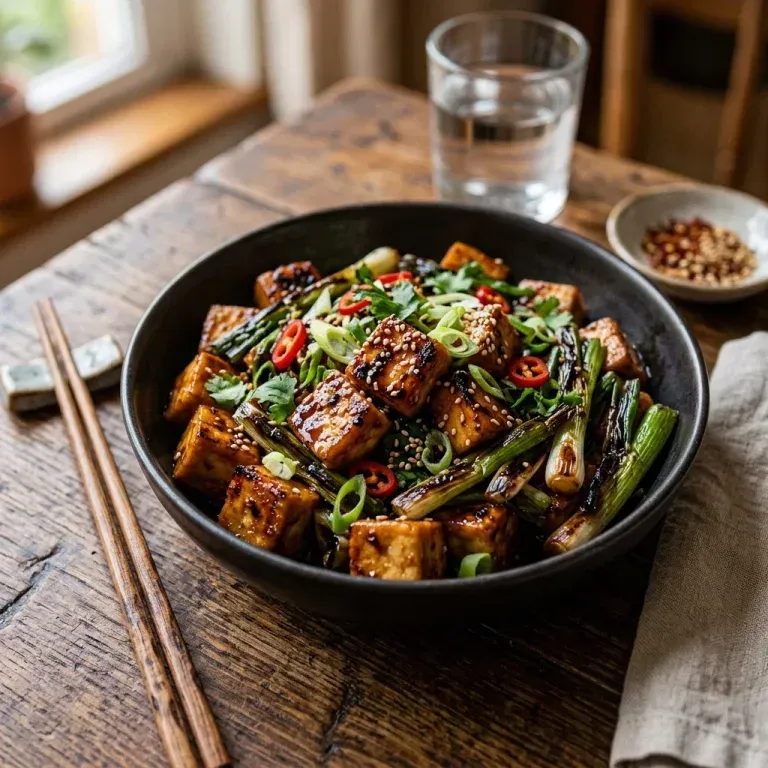
For those using a modern shortcut, some of these concepts translate perfectly to air fryer recipes dinner enthusiasts love. If you’re making crispy tofu bites or roasting chickpeas for a salad, the air fryer uses convection to pull moisture away from the surface of the food even faster than an oven. Check your food halfway through and give the basket a good shake. This ensures even airflow and prevents the bottom pieces from staying soft.
Finally, respect the osmosis. When working with watery vegetables like zucchini or tomatoes for a ratatouille or a tart, salt them ahead of time. Sprinkle salt over sliced zucchini and let it sit in a colander for 15 minutes. The salt draws out excess moisture, which you can then pat away. This ensures your final dish has a concentrated flavor and a firm texture rather than becoming a watery soup.
Flavor Pivots and Ingredient Swaps
One of the best things about plant-based cooking is how easily you can pivot based on what’s in your pantry. If you’re making quick family meals like sweet potato veggie burgers, don’t feel married to a specific bean. While black beans offer a classic texture, chickpeas provide a nuttier flavor, and white beans create a creamier interior. If you find the mixture too wet to hold its shape, add a handful of oats or breadcrumbs. Always chill your patties for at least 30 minutes before cooking; this allows the starches to hydrate and bind the ingredients together, preventing the dreaded "burger crumble" on the grill.
For grain-based bowls, quinoa is a protein powerhouse, but don't overlook farro or orzo. Farro offers a chewy, satisfying bite that stands up well to heavy dressings, while orzo provides a silky texture that children often prefer. If you’re leaning into the stone fruit season with a peach panzanella, try swapping the basil for mint or cilantro if you want to shift the flavor profile toward something more "Cal-Mex" or Southeast Asian.
If you’re out of fresh corn for your chowder, frozen corn is a perfectly acceptable substitute because it’s usually flash-frozen at peak ripeness. However, avoid canned corn if possible, as the canning process can leave the kernels mushy and overly salty. If you need to add richness to a dish without dairy, look to coconut milk for soups or a blended silken tofu for dressings.
Balancing the Plate: Side Dish Pairings
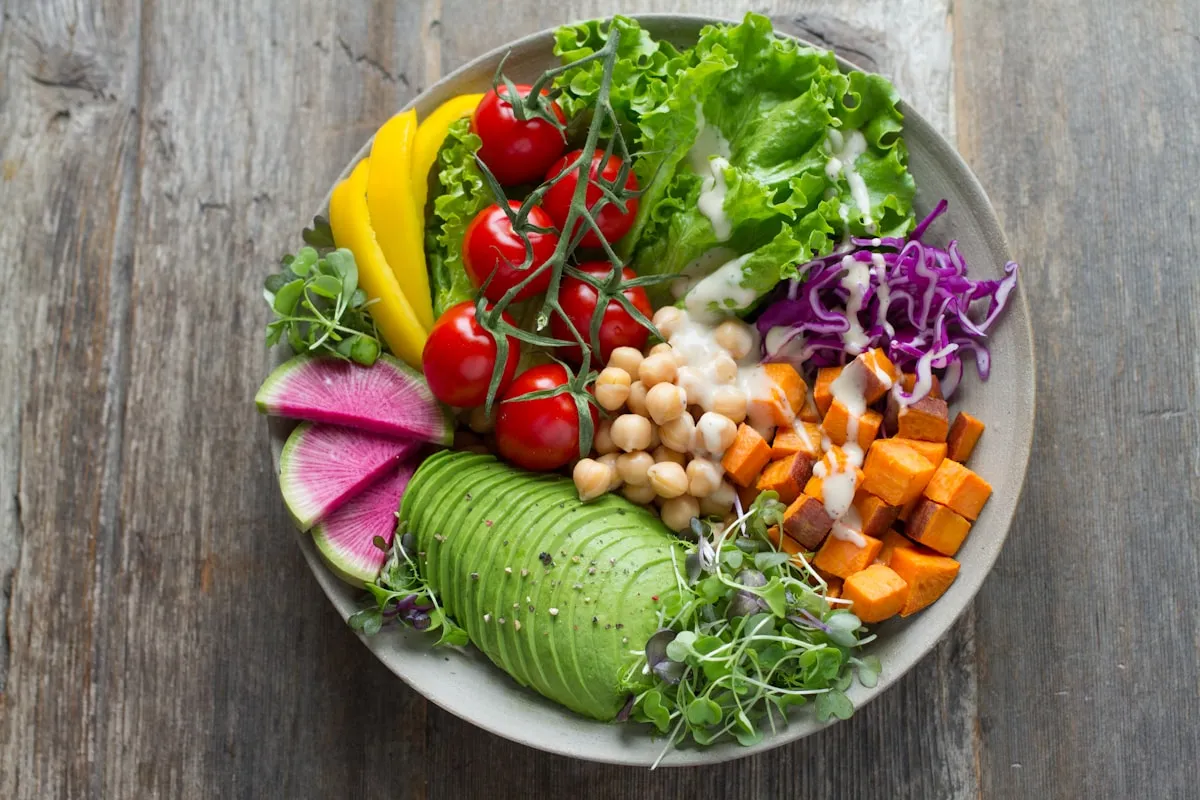
When you’re serving a plant-based main, the goal for your side dishes should be balance. Most summer produce is naturally sweet (corn, peaches, tomatoes) or earthy (beans, grains). To make the meal feel complete, you need to introduce acidity and bitterness to cut through that richness.
A simple arugula salad with a lemon-shallot vinaigrette is the perfect companion for a creamy corn chowder or a heavy ratatouille. The peppery bite of the arugula provides a much-needed contrast to the sweetness of the corn. If you’re serving grilled tofu with chimichurri, consider a side of quick-pickled red onions. The sharp, vinegary punch of the onions resets your palate between bites of savory protein.
For texture, think about crunch. If your main dish is a soft, baked orzo or a stewed ratatouille, serve it with crusty, toasted sourdough. The crunch provides sensory variety that makes the meal feel more substantial. If you're looking for more inspiration on how to balance your plate, check out our healthy recipes section for more healthy dinner ideas.
July Cooking FAQ: Science and Solutions
Why does my tofu always stick to the pan?
This usually happens for two reasons: the pan wasn't hot enough, or you tried to flip it too soon. When protein hits a hot surface, it initially bonds to the metal. As it cooks and the Maillard reaction occurs, the protein "releases" naturally. If you feel resistance when you try to flip a piece of tofu, leave it alone for another minute. Also, ensure you’re using enough fat; plant-based proteins are lean and need a bit of oil to act as a heat-transfer medium.
How do I prevent my veggie burgers from being mushy in the middle?
Mushiness is often caused by too much moisture in your base ingredients. If you’re using canned beans, rinse them and then dry them thoroughly: some cooks even roast them in the oven for 10 minutes to remove excess water. Additionally, don't over-process your mixture. You want some chunks of beans and vegetables for texture; if you blend it into a paste, it will stay soft even after cooking.
Can I use my air fryer for these recipes?
Absolutely. Using air fryer recipes dinner style is a great way to keep the kitchen cool in July. You can use it to "grill" corn on the cob, crisp up tofu, or even roast a batch of chickpeas. Set it to 400°F (200°C) for most vegetable-focused tasks. It's especially good for making quick family meals because it cuts down on preheat time compared to a traditional oven.
What is the best way to store leftover summer corn?
If you have leftover charred corn, cut the kernels off the cob immediately. Store them in an airtight container in the fridge for up to three days. Keeping them on the cob can cause the kernels to turn starchy and lose their sweetness. These leftovers are a gold mine for throwing into a quick salad the next day.
My ratatouille turned into a watery stew. What happened?
You likely skipped the browning step or put a lid on the pan. Ratatouille relies on evaporation to concentrate the flavors. Cook your vegetables in batches to get a good sear, then combine them and simmer uncovered. If you trap the steam with a lid, the vegetables will release their water and boil rather than caramelize. For more tips on one-pan cooking, visit our one-pot meals guide.
{“@type”:”BlogPosting”,”image”:[“https://cdn.marblism.com/pvQDIPf6LgB.webp”,”https://cdn.marblism.com/ZJvaRqN_x-v.webp”,”https://cdn.marblism.com/HXgr9RYND-z.webp”],”author”:{“name”:”Cookpedia”,”@type”:”Organization”},”@context”:”https://schema.org”,”headline”:”Top 10 Plant-Based Dinner Ideas for a Fresh July Menu”,”publisher”:{“logo”:{“url”:”https://cdn.marblism.com/r31hCYxu5lk.webp”,”@type”:”ImageObject”},”name”:”Cookpedia”,”@type”:”Organization”},”description”:”Discover the top 10 plant-based dinner ideas for July, focusing on seasonal produce like tomatoes, corn, and zucchini. Learn the science of searing, emulsification, and how to create quick family meals.”,”datePublished”:”2026-07-03″}