Recipe
Servings
Servings 1×
Ingredients
- Tofu
- Beans
- Pasta
- Noodles
- Rice
- Eggs
- Broccoli
- Green beans
- Carrots
- Peas
- Cucumber
- Garlic
- Fresh ginger
- Mustard
- Cooking oil
- Soy sauce or tamari
- Sesame
- Chili seasoning
Method
- Let’s talk about the "why" before we get into the "how." When you mix soy sauce and sesame oil, you’re trying to force two substances that fundamentally hate each other to get married.
- Whisk your sauce vigorously.
- Keep them steaming, toss them fast, and watch that sauce become one with the wheat.
- Use fresh ginger, always.
- Keep them bright green and crunchy.
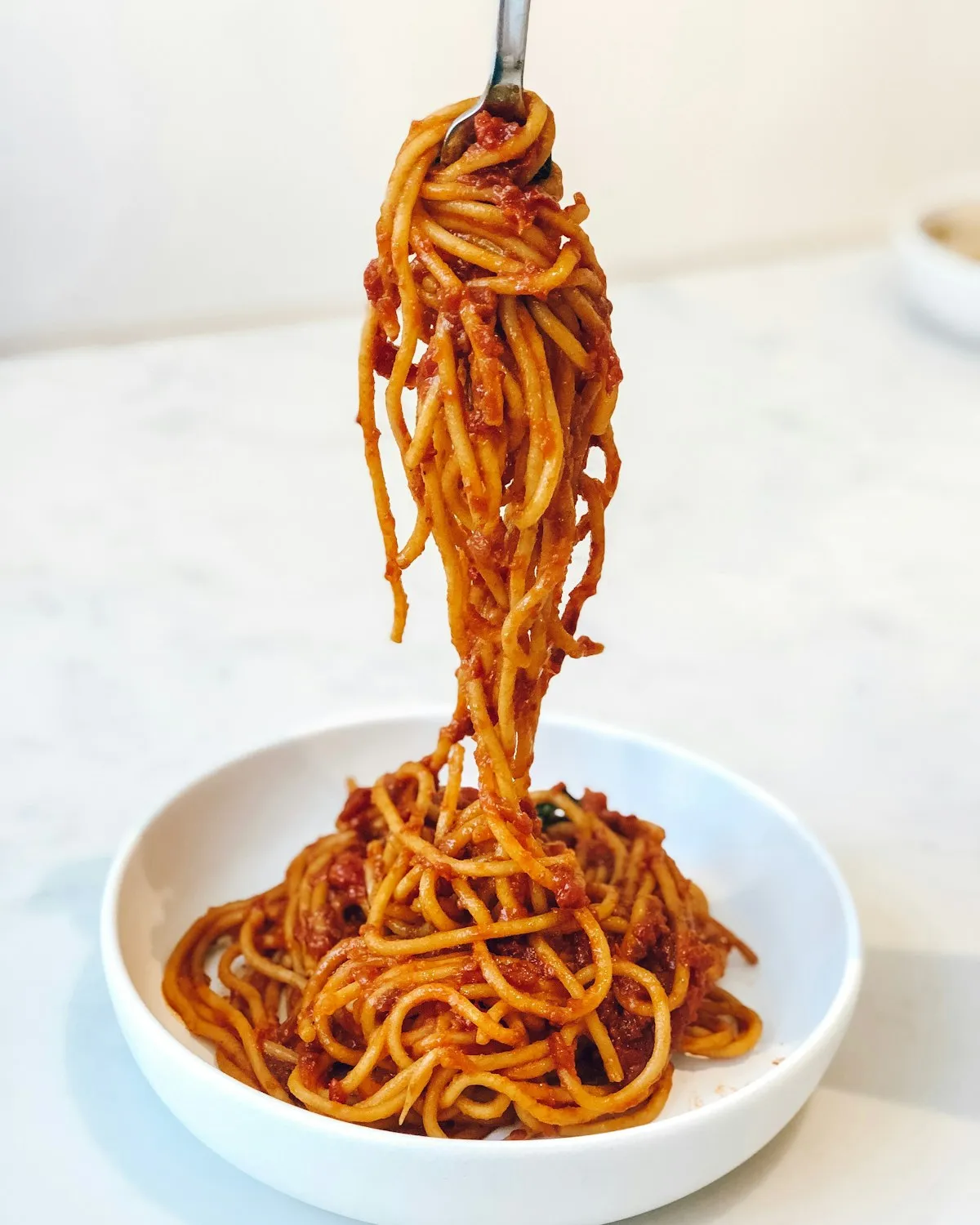
You know that specific type of hunger that hits at 6:00 PM on a Tuesday? It’s not just "I could eat"; it’s a full-blown existential crisis where your kitchen looks like a mountain you’re too tired to climb. I call it the "delivery app itch," and I’m here to tell you to put the phone down. My blog is built on the belief that you can beat the system with a bowl of noodles that takes less time to make than it does for a driver to find your house. These Quick 15-Minute Sesame Ginger Noodles are my absolute secret weapon for quick family meals when the world feels like a bit much.
The beauty of this dish isn't just in the speed, it’s in the chemistry. We aren't just tossing stuff in a bowl and hoping for the best. We are building a high-performance emulsion that coats every single strand of pasta in a glossy, savory hug. It’s simple, it’s soulful, and it’s about to become your new favorite way to survive the weeknight grind.
The Chemistry of the Coating: Mastering the Emulsion
Let’s talk about the "why" before we get into the "how." When you mix soy sauce and sesame oil, you’re trying to force two substances that fundamentally hate each other to get married. Soy sauce is water-based; sesame oil is, well, oil. Left to their own devices, the oil will just sit on top like a slick, greasy puddle, leaving your noodles salty in some spots and bland in others. To fix this, you need to understand emulsification.
An emulsion is a mixture of two liquids that would ordinarily not mix. To achieve this in my kitchen, you need two things: an emulsifier and mechanical force. While we aren't using eggs or mustard (the heavy hitters of the emulsion world), the fermented proteins in soy sauce and the natural lecithin in sesame oil actually provide a tiny bit of molecular "bridge-building." But the real magic happens with the ginger and garlic. When you grate fresh ginger into a paste, you're releasing plant starches and fibers that help stabilize the mixture.
Whisk your sauce vigorously. I’m talking about a real, meaningful whisk that turns the liquid into a uniform, slightly thickened slurry. If you just stir it lazily with a fork, the sauce will break the moment it hits the heat of the noodles. You want that sauce to be "tight." When the noodles go into the bowl, they should be immediately coated in a shimmering film that doesn't drip to the bottom. This is the difference between a "sad pantry meal" and a professional-grade bowl of noodles.
Also, pay attention to the temperature of your noodles. You want them hot when they meet the sauce. The residual heat helps the emulsion "set" onto the surface of the starch. If the noodles are cold, the fat in the sesame oil will tighten up and feel greasy on the tongue. Keep them steaming, toss them fast, and watch that sauce become one with the wheat. It's one of those healthy dinner ideas that feels like a cheat code because it uses basic physics to deliver maximum flavor.
Texture and Timing: Choosing Your Vehicle
Not all noodles are created equal, and for this 15-minute miracle, the type of pasta you choose dictates the final mouthfeel. If you want that classic slippery, slurpable experience, go for a thin wheat noodle or even a high-quality ramen. These have a high surface-area-to-volume ratio, meaning there is more "skin" for our emulsified sauce to cling to.
Avoid overcooking. This is a non-negotiable in my kitchen. You want the noodles al dente, with a bit of toothsome resistance. Since we are tossing them in a warm sauce, they will continue to soften for a minute after they leave the water. If you boil them to death, you’ll end up with a soggy mass that collapses under the weight of the sesame oil. Pull them out thirty seconds early, and let the sauce do the final work.
Don't forget the power of the aromatics. Ginger shouldn't just be a suggestion; it should be a statement. Use fresh ginger, always. The powdered stuff has its place (mostly in cookies), but here you need the zingy, spicy, almost citrusy bite that only comes from the fresh root. It cuts through the richness of the toasted sesame oil, providing a necessary counterpoint to the salt of the soy. If your sauce feels flat, you probably didn't use enough ginger.
Levelling Up: Variations for Every Craving
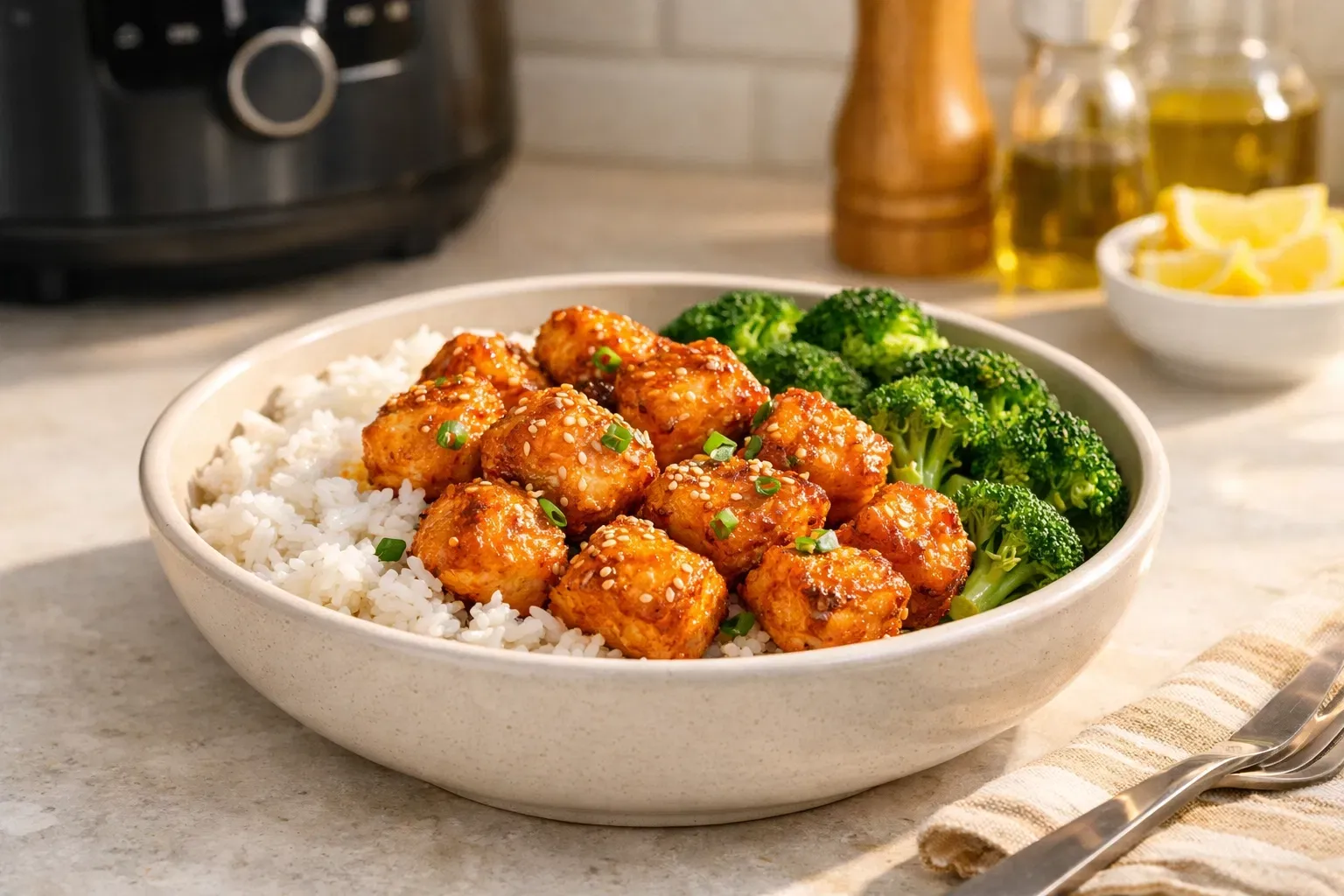
While these noodles are a star on their own, sometimes you need a little more "heft" to call it a full dinner. If you have an extra five minutes, you can transform this into one of those quick family meals that satisfies even the hungriest teenagers.
- The Protein Punch: I love adding crispy tofu. If you’re looking for efficiency, look into air fryer recipes dinner enthusiasts swear by, tossing cubed tofu in a little cornstarch and air-frying it until golden gives you a fantastic crunch that contrasts beautifully with the soft noodles. You can find more inspiration for this on our guide to air fryer sesame tofu.
- The Heat Wave: If you’re a spice fiend, a teaspoon of chili crisp or a splash of Sriracha added during the whisking phase will change the entire profile. The capsaicin in the chili plays very well with the warmth of the ginger.
- The Green Machine: Toss in some blanched bok choy, steamed broccoli, or even just a mountain of raw, shredded carrots. The raw carrots add a sweetness and a snap that keeps the dish feeling light and fresh.
- Nutty Twist: While sesame is the star, a handful of crushed peanuts or cashews adds a fatty, savory crunch that rounds out the texture profile.
The Art of the Side Dish
Balance is the name of the game. Because these noodles are rich, salty, and savory, your side dishes should provide acidity and freshness. A simple smashed cucumber salad with rice vinegar and a pinch of sugar is the perfect partner. The cold, crisp cucumbers reset your palate after every bite of warm, gingery noodles.
If you want something warmer, try a quick stir-fry of snap peas or green beans. Keep them bright green and crunchy. You aren't looking to create another complex flavor profile; you just want a clean, vegetal snap to act as a foil to the deep umami of the soy sauce. This is how you turn a simple bowl into a complete meal without spending an hour at the stove. It’s the hallmark of smart, healthy dinner ideas, focusing on contrast rather than complexity.
Frequently Asked Questions
Why did my sauce separate and turn greasy?
This usually happens for one of two reasons: either you didn't whisk the sauce enough before adding the noodles, or your noodles weren't hot enough. Remember, we are creating a temporary emulsion. If the liquids aren't forced together through vigorous mechanical action (whisking), the oil will always win the battle and separate. Also, make sure you aren't using too much oil. A little goes a long way with toasted sesame oil, it’s a flavoring, not just a cooking fat.
Can I make this with gluten-free noodles?
Absolutely. Tamari is an excellent 1:1 substitute for soy sauce if you need to keep it gluten-free. For the noodles, rice noodles or buckwheat soba work beautifully. Just be careful with rice noodles, they can be very delicate. Over-soaking them will lead to a mushy mess that won't hold the sauce well. Aim for "just tender."
Is it okay to use pre-grated ginger from a jar?
In a pinch, yes, but I’ll be honest: you’re losing about 50% of the magic. Jarred ginger is often preserved in vinegar or salt, which changes its pH and its flavor profile. Fresh ginger has a sharp, spicy heat that vibrates on the tongue. If you’re worried about the hassle, keep a knob of ginger in your freezer. It stays fresh forever, and it’s actually much easier to grate when it’s frozen solid.
My noodles are too salty! How do I fix it?
Soy sauce varies wildly in salt content between brands. If you find the result too intense, don't reach for the water, reach for an acid or a sweetener. A squeeze of lime juice or a teaspoon of honey can balance out the saltiness without thinning out your beautiful emulsion. Next time, try a low-sodium soy sauce or dilute the soy sauce with a little bit of unsalted vegetable broth before you start the whisking process.
Can I save the leftovers?
Yes, but be prepared for the noodles to soak up all that sauce like a sponge. When you reheat them, they might be a bit dry. The fix? Add a tiny splash of water or a little more sesame oil before you pop them in the microwave or pan. It will help "loosen" the starch and bring that glossy texture back to life. These make great cold lunch leftovers too: just give them a good stir before you eat.
How do I make this more filling for a crowd?
If you're catering to a larger group and need to stretch the meal, focus on the "bulk" without losing the flavor. Double the sauce recipe and add a significant amount of "filler" like shredded cabbage or bean sprouts. They take up space and add nutrition without requiring much extra cooking time. It’s one of the easiest ways to scale quick family meals without doubling your workload.
Cooking doesn't have to be a choreographed dance of a thousand ingredients. Sometimes, it’s just about understanding how a few pantry staples interact when you apply a little bit of force. These sesame ginger noodles are proof that "fast" doesn't have to mean "compromised." Now, go whisk that sauce like you mean it.