Recipe
Servings
Servings 1×
Ingredients
- Salmon
- Lentils
- Chickpeas
- Black beans
- White beans
- Beans
- Fettuccine
- Pasta
- Noodles
- Zucchini
- Kale
- Greens
- Peas
- Cream
- Cooking oil
Method
- Prepare the ingredients described in the article and heat the cooking surface or oven as directed.
- Cook the main ingredients using the heat and timing guidance in the article.
- Finish with the seasonings and garnishes named in the article, then serve.
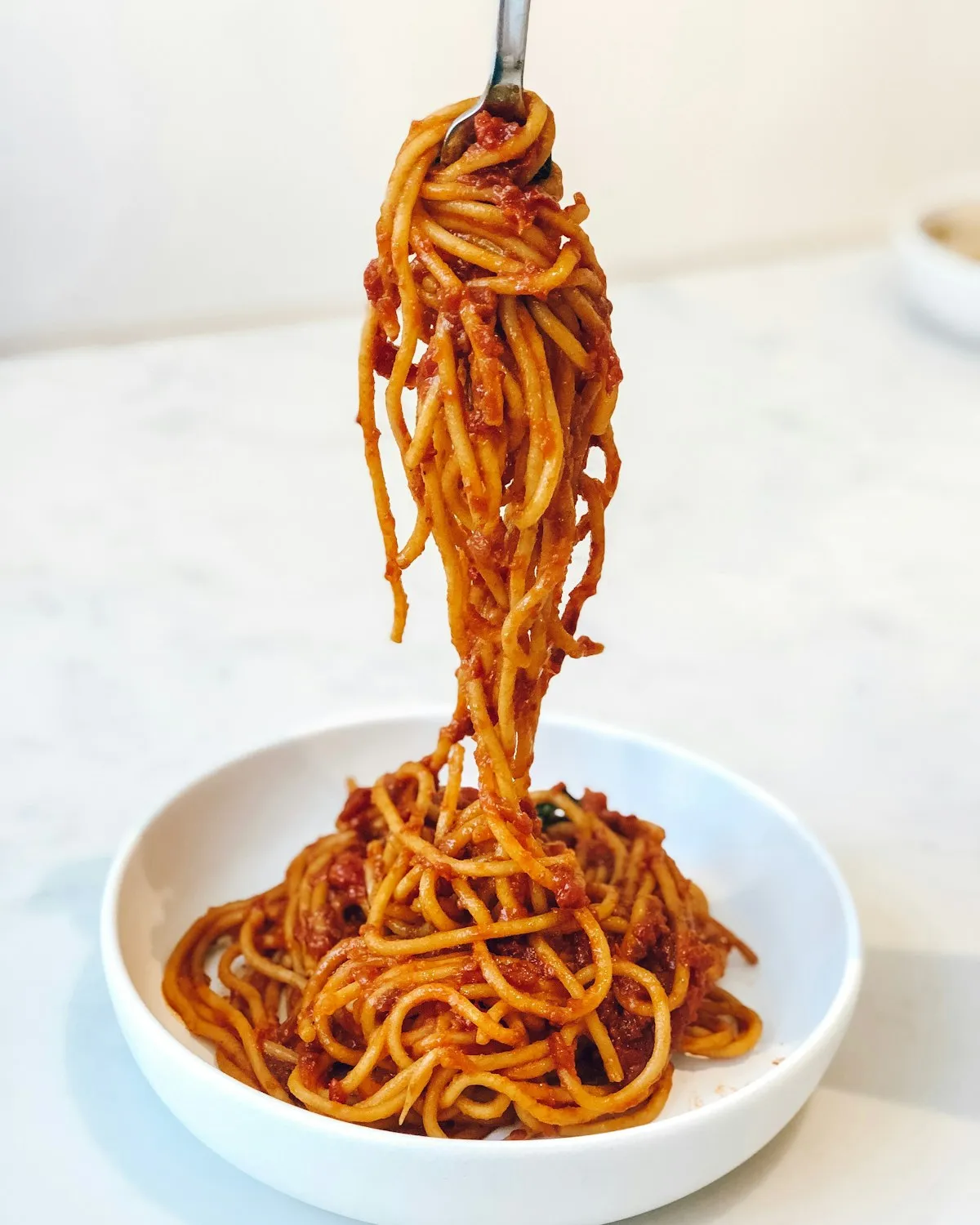
We’ve all been there: you sit down to a massive bowl of pasta, feel like a king for twenty minutes, and then, BAM, you’re scouting the pantry for snacks before the credits even roll on your favorite show. It’s the classic "pasta trap." But here’s a secret from my kitchen: pasta doesn’t have to be a temporary fix. By focusing on fiber-forward ingredients, you can turn a simple bowl of noodles into a powerhouse meal that actually keeps you full.
The Science of the "Gelatinous Bulk"
If you want to master healthy dinner ideas, you need to understand why some pastas leave you starving and others keep you satisfied. It all comes down to how your body processes different types of fiber. Traditional white pasta is stripped of its bran and germ, meaning it’s basically a quick-burning fuel source that spikes your blood sugar and then leaves you crashing.
When you switch to legume-based pastas, think chickpeas, red lentils, or black beans, you’re introducing what scientists call "gelatinous bulk." These legumes contain specific types of fiber that form a gel-like substance in your gut. This doesn't just sound cool; it physically slows down how fast your stomach empties. It’s like putting a speed bump in your digestive tract, ensuring that the energy from your meal is released slowly over several hours.
Check your labels before you buy. Aim for a pasta that offers at least 6 to 8 grams of fiber per serving. If you’re not ready to dive into the world of beans, stick with 100% whole grain varieties. They might not have the "bulk" of legumes, but the intact grain structure still provides a much steadier burn than the refined stuff.
Master the Resistant Starch Trick
Did you know you can change the chemical structure of your pasta just by changing how you handle it? If you’re looking for quick family meals that pack a nutritional punch, use the "cook and cool" method. When you cook pasta and then let it cool completely, even if you reheat it later, you increase the levels of resistant starch.
Resistant starch acts exactly like fiber. Instead of being absorbed in your small intestine, it travels all the way to your large intestine, where it feeds your good gut bacteria. This process further lowers the glycemic index of your meal. Avoid overcooking your noodles, too. Keep them al dente, the firmer the pasta, the slower your body breaks it down into sugar. Use a timer and test your pasta a minute before the box says it’s done. Firm noodles are non-negotiable if you want to avoid that post-dinner energy slump.
Also, don't be afraid to utilize your pantry staples. Adding a bit of healthy fat, like high-quality olive oil or a handful of seeds, further slows digestion. I often reach for my cast-iron-bacon-basil-pasta technique when I'm in a rush, substituting standard pasta for a high-fiber lentil version to make it a more substantial meal.
Fiber-Rich Variations for Every Palate
Getting more fiber doesn't mean eating a bowl of cardboard. You can easily adapt your favorite healthy dinner ideas to include more roughage without sacrificing that soulful, comforting pasta vibe we all love.
Try the "Veggie Volume" approach. Swap half of your pasta volume for high-fiber vegetables that mimic the shape of the noodles. Thinly sliced kale, shredded cabbage, or even spiralized zucchini can be tossed into the boiling water during the last two minutes of cooking. This tricks your brain into thinking you're eating a massive portion of pasta while actually loading up on micronutrients and satiety-boosting fiber.
Another trick is the "Legume Loop." Instead of a traditional heavy meat sauce, use smashed white beans or red lentils as a base for your sauce. When simmered with a bit of pasta water and aromatics, these legumes break down into a creamy, protein-packed coating that rivals any heavy cream sauce. If you’re craving something richer, my creamy salmon and pea fettuccine is a great starting point; just ensure you use a whole-grain noodle to keep those fiber levels high.
Side Dish Pairings for Perfect Balance
A great pasta meal is only as good as its supporting cast. To maximize fullness, pair your fiber-forward pasta with sides that offer high acidity and crunch. Acidity, like a squeeze of lemon or a splash of balsamic vinegar, helps cut through the richness of the pasta and can actually help regulate your blood sugar response.
A bitter green salad is my go-to choice. Think arugula, radicchio, or endive. These greens are incredibly high in fiber but low in calories, allowing you to fill up your plate without feeling weighed down. If you're short on time, look into quick family meals that utilize the air fryer for side dishes. While your pasta boils, you can throw broccoli florets or shaved Brussels sprouts into the basket for a crispy, high-fiber addition that requires zero hovering over the stove.
I’ve found that using air fryer recipes dinner enthusiasts love, like crispy chickpeas or roasted radishes, adds a much-needed textural contrast to a soft pasta dish. The extra crunch signals to your brain that you're eating something substantial, which can actually help prevent overeating.
Frequently Asked Questions
What if my kids hate the texture of whole wheat pasta?
This is a common hurdle, but it's easily solved with science. Whole wheat pasta has a stronger, nuttier flavor and a grainier texture than white pasta. To fix this, use a robust sauce. A rich tomato sauce with plenty of garlic and herbs or a spicy arrabbiata will mask the flavor of the grain. You can also try a 50/50 blend of white pasta and whole wheat pasta while they adjust. Just remember to start the whole wheat noodles a few minutes earlier, as they often take longer to reach al dente.
Can I get the same fiber benefits from gluten-free pasta?
It depends entirely on the base ingredient. Gluten-free pastas made from corn or white rice are typically very low in fiber and will cause the same "pasta crash" as refined wheat. However, pastas made from quinoa, brown rice, or legumes are excellent high-fiber alternatives. If you're looking for quick family meals that are also gluten-free, always opt for the bean-based varieties for the best satiety results.
Does reheating pasta really make it healthier?
Surprisingly, yes. As mentioned in the "Resistant Starch" section, cooling and then reheating pasta stabilizes the starch molecules. While the difference isn't as massive as eating a bowl of pure broccoli, it is a scientifically proven way to lower the meal's impact on your blood sugar. It’s the perfect excuse to make a double batch on Sunday night and enjoy the benefits all week long.
How do I stop legume pasta from becoming mushy?
Legume pasta is notoriously finicky. It can go from raw to mush in about thirty seconds. The trick is to use a large pot of heavily salted water and stir frequently to prevent sticking. Start tasting the pasta at least three minutes before the package directions suggest it's done. Once it's close to al dente, drain it immediately and rinse it briefly with warm water to stop the cooking process and remove excess starch.
Can I use the air fryer for pasta?
While you can't "boil" pasta in an air fryer, you can certainly use it for air fryer recipes dinner prep to create incredible toppings. Try air-frying some seasoned breadcrumbs mixed with hemp seeds for a high-fiber "parmesan" substitute, or roast some small cauliflower florets to toss into your sauce. For more creative ways to use your gadgets, check out our guide on the ultimate one-basket crowd-pleaser.