Recipe
Servings
15-minute Greek Chicken Pita Pockets. This guide covers the science of browning, flavor balancing with tzatziki, and healthy dinner variations.”,”datePublished”:”2026-07-25″,”mainEntityOfPage”:{“@id”:”https://cookpedia.com/quick-healthy-meals-greek-chicken-pita”,”@type”:”WebPage”}} 1×
Serves 15-minute Greek Chicken Pita Pockets. This guide covers the science of browning, flavor balancing with tzatziki, and healthy dinner variations.”,”datePublished”:”2026-07-25″,”mainEntityOfPage”:{“@id”:”https://cookpedia.com/quick-healthy-meals-greek-chicken-pita”,”@type”:”WebPage”}}
Ingredients
- Chicken
- Chickpeas
- Greek yogurt
- Bread
- Potatoes
- Cauliflower
- Tomatoes
- Garlic
- Lemon
- Feta
- Cooking oil
- Salt
Method
- Use high heat and a heavy-bottomed pan.
- Drain them, pat them dry: dryness is the enemy of mush and the friend of crunch: and toss them in the pan with your spices.
- Use a damp paper towel and microwave the pitas for 15 seconds, or toss them directly onto your burner for a few seconds per side.
- Use an instant-read thermometer if you're unsure; you’re looking for 165°F (74°C).
- Use whole-wheat pitas for an extra fiber boost, and you’ve got a nutritionally dense, fuel-packed meal.
- Use a damp paper towel and microwave the pitas for 15 seconds to soften the gluten structure.”,”@type”:”Answer”}},{“name”:”Can I make the tzatziki ahead of time?”,”@type”:”Question”,”acceptedAnswer”:{“text”:”Yes, letting it sit allows the garlic and dill to infuse.
If your weeknights feel like a high-speed chase where the prize is a lukewarm protein bar, stop right there. You deserve better, and your taste buds are practically begging for mercy. When it comes to quick healthy meals, the Greek chicken pita pocket is the ultimate champion. It’s fresh, it’s vibrant, and it hits that magical "I actually cooked something" sweet spot without leaving you chained to the stove for an hour. I’m talking about fifteen minutes from "I’m starving" to "this is the best thing I’ve ever eaten." Let’s get you fed.
The Science of the Sizzle: Browning and Balance
To get that restaurant-quality flavor in your own kitchen, you need to understand the Maillard reaction. This is the scientific wizardry where proteins and sugars heat up together to create those deep, savory, browned crusts that make your mouth water. To achieve this in record time, cut your chicken into small, uniform bite-sized pieces. Smaller pieces mean more surface area, and more surface area means more room for that beautiful browning to occur.
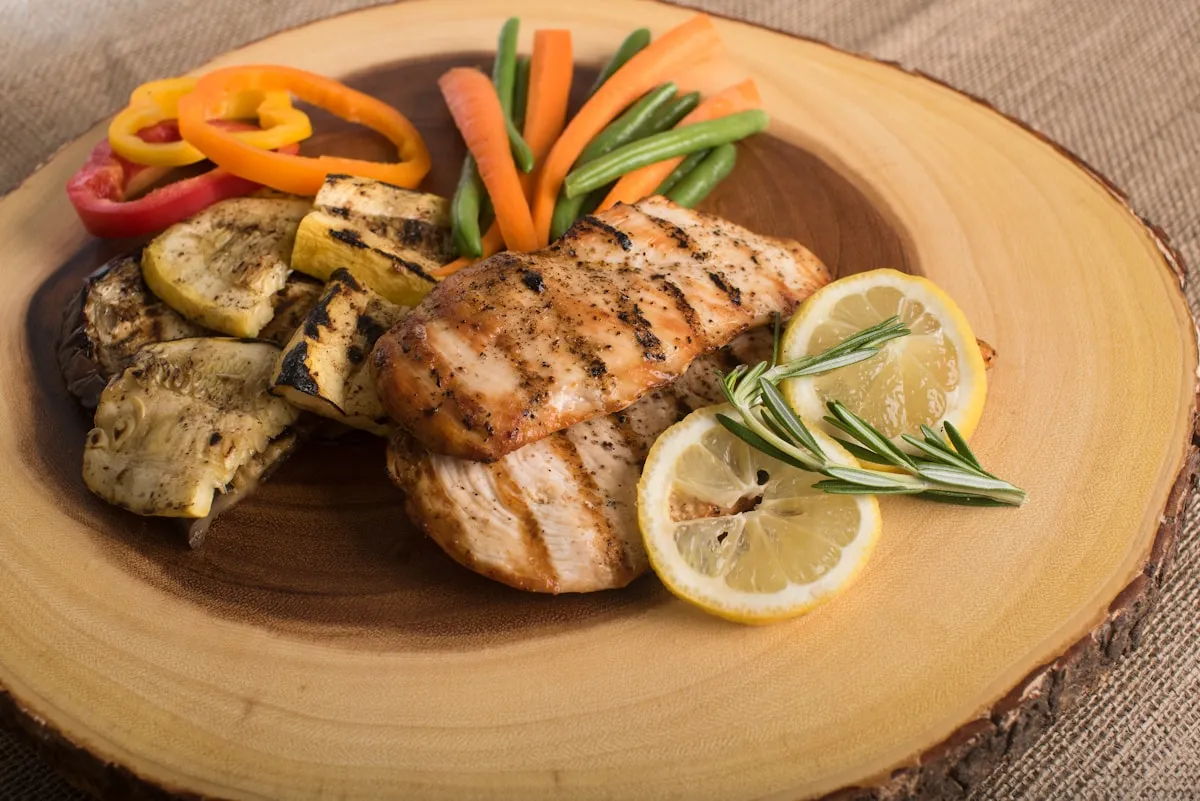
Use high heat and a heavy-bottomed pan. Avoid overcrowding the skillet; if the pieces are too close, they’ll steam in their own juices rather than sear. If you’re looking for a hands-off approach, these also work perfectly as air fryer recipes dinner staples. The circulating hot air in an air fryer mimics a convection oven, stripping away moisture from the surface of the meat instantly to give you that crunch without the extra oil.
Don't overlook the power of a yogurt-based marinade. Even a quick five-minute soak while you chop your veggies does wonders. The lactic acid in the yogurt gently breaks down the tough muscle fibers in the chicken breast. This process, known as denaturing, ensures your meat stays juicy even when you’re blasting it with high heat. It’s like a spa day for your chicken, and the result is a tender, melt-in-your-mouth texture that balances perfectly with the crunch of the pita.
Check your acidity levels, too. A squeeze of fresh lemon juice at the very end of cooking adds a "high-tone" brightness that cuts through the richness of the meat. This isn't just about flavor; acidity triggers your salivary glands, making every subsequent bite feel as fresh as the first. Always salt your chicken before it hits the heat. Salt doesn't just season; it draws out moisture initially but then helps the proteins retain juice as they cook, keeping things moist and flavorful.
Crowd-Pleasing Variations for Every Palate
Life happens, and sometimes you don’t have chicken in the fridge or you’re cooking for someone who doesn't do meat. Don't worry; the Greek flavor profile is incredibly forgiving. If you’re pivoting to quick family meals, try swapping the chicken for cubes of halloumi cheese. This "squeaky cheese" has a high melting point, meaning you can sear it in a pan until it’s golden and crispy on the outside while staying soft on the inside. It provides that salty, fatty punch that pairs beautifully with the tangy tzatziki.
For a plant-based twist, use canned chickpeas. Drain them, pat them dry: dryness is the enemy of mush and the friend of crunch: and toss them in the pan with your spices. They’ll pop and crisp up in minutes. If you want a bit more heft, roasted cauliflower florets with a dash of smoked paprika offer a satisfying, earthy base. The key is to keep the seasonings consistent: plenty of dried oregano, garlic, and a hit of lemon. This keeps the soul of the dish intact regardless of the protein you choose.
Pairing for Perfection: Sides and Spreads
A pita pocket is a star on its own, but it loves a supporting cast. When choosing side dishes, think about texture and temperature contrast. A warm, chewy pita stuffed with hot chicken needs something cool and crisp to create a balanced experience.
A classic Horiatiki (Greek salad) is your best friend here. Because the pita is already filling, avoid heavy, starchy sides. Instead, focus on the refreshing crunch of cucumbers and the juicy acidity of vine-ripened tomatoes. The saltiness of the kalamata olives and the creaminess of the feta cheese act as flavor bridges between the salad and the sandwich.
If you’re craving something warm, lemon-roasted potatoes are a fantastic option. The trick to keeping them quick is to slice them into thin rounds or wedges so they roast in half the time. The citrus in the potatoes will echo the lemon in your chicken marinade, creating a cohesive meal that tastes like you spent hours planning it. Check out more healthy dinner ideas on our blog for inspiration on how to mix and match these flavor profiles.
Your Burning Questions Answered: The FAQ
Why is my pita pocket tearing when I stuff it?
This usually happens because the bread is too cold or too dry. Pita bread becomes much more pliable when warmed. Use a damp paper towel and microwave the pitas for 15 seconds, or toss them directly onto your burner for a few seconds per side. The steam softens the gluten structure, making the pocket stretchy rather than brittle.
Can I make the tzatziki ahead of time?
Absolutely, and I actually recommend it. Tzatziki is essentially a liquid flavor bomb. When it sits, the garlic and dill infuse into the yogurt, and the acidity of the lemon juice mellows out. Just be sure to squeeze the water out of your grated cucumbers before mixing them in. If you skip this step, the water will leach out over time and turn your creamy sauce into a soggy mess.
How do I stop the chicken from getting tough?
Overcooking is the main culprit. Because we are cutting the chicken into small pieces for speed, they cook in a flash. Use an instant-read thermometer if you're unsure; you’re looking for 165°F (74°C). Also, remember the yogurt science I mentioned earlier! That marinade is your insurance policy against dry, rubbery meat.
Is this recipe actually "healthy"?
When we talk about healthy dinner ideas, we focus on "real food" balance. You’ve got lean protein from the chicken, probiotics and healthy fats from the Greek yogurt, and a mountain of micronutrients from the fresh vegetables. By making your own tzatziki, you avoid the hidden sugars and preservatives found in store-bought dressings. Use whole-wheat pitas for an extra fiber boost, and you’ve got a nutritionally dense, fuel-packed meal.
What if I don't have fresh herbs?
While fresh dill is the gold standard for Greek food, dried oregano is a powerful substitute in the chicken seasoning. For the tzatziki, if you don't have fresh dill, a teaspoon of dried dill will work, but give it at least 20 minutes to rehydrate in the yogurt before serving. Avoid using dried parsley, as it lacks the punch needed to stand up to the garlic.
{“@type”:”BlogPosting”,”image”:[“https://cdn.marblism.com/xRy3w09deii.webp”,”https://cdn.marblism.com/bxC11X28i60.webp”,”https://cdn.marblism.com/w5GZym–OIN.webp”,”https://cdn.marblism.com/BtjAsCQZ3qW.webp”],”author”:{“name”:”Penny”,”@type”:”Person”},”faqPage”:{“@type”:”FAQPage”,”@context”:”https://schema.org”,”mainEntity”:[{“name”:”Why is my pita pocket tearing when I stuff it?”,”@type”:”Question”,”acceptedAnswer”:{“text”:”Pita bread becomes more pliable when warmed. Use a damp paper towel and microwave the pitas for 15 seconds to soften the gluten structure.”,”@type”:”Answer”}},{“name”:”Can I make the tzatziki ahead of time?”,”@type”:”Question”,”acceptedAnswer”:{“text”:”Yes, letting it sit allows the garlic and dill to infuse. Ensure you squeeze the water out of the grated cucumbers first to prevent sogginess.”,”@type”:”Answer”}},{“name”:”How do I stop the chicken from getting tough?”,”@type”:”Question”,”acceptedAnswer”:{“text”:”Avoid overcooking and use a yogurt-based marinade. The lactic acid in yogurt tenderizes the meat by denaturing the proteins.”,”@type”:”Answer”}}]},”@context”:”https://schema.org”,”headline”:”Quick Healthy Meals: 15-Minute Greek Chicken Pita Pockets”,”publisher”:{“logo”:{“url”:”https://cookpedia.com/logo.png”,”@type”:”ImageObject”},”name”:”Cookpedia”,”@type”:”Organization”},”description”:”Learn how to make 15-minute Greek Chicken Pita Pockets. This guide covers the science of browning, flavor balancing with tzatziki, and healthy dinner variations.”,”datePublished”:”2026-07-25″,”mainEntityOfPage”:{“@id”:”https://cookpedia.com/quick-healthy-meals-greek-chicken-pita”,”@type”:”WebPage”}}