Recipe
Servings
Servings 1×
Ingredients
- Shrimp
- Tortillas
- Lemon
- Lime
- Chili seasoning
- Salt
Method
- Use only the freshest citrus you can find.
- Add a few more mango cubes or a splash of orange juice.
- Toss in a generous pinch of flaky sea salt to make the citrus pop.
When the humidity hits or you’ve just survived a marathon day of meetings, the last thing you want is a heavy, steaming plate of food. You want something that tastes like a tropical vacation but takes less time to make than a coffee run. That is where my 15-minute shrimp and mango ceviche comes in. It is bright, zingy, and surprisingly filling. If you are looking for quick family meals that don't involve a microwave or a drive-thru, this is your new secret weapon. It is fresh, protein-packed, and honestly, a little bit fancy for how little effort it requires.
The Science of "Cooking" with Citrus
The most fascinating part of making ceviche is the chemical transformation that happens right on your kitchen counter. While we usually rely on heat to cook our proteins, ceviche uses acid denaturation. When you submerge shrimp in high-acidity citrus juice: like lime or lemon: the low pH level goes to work on the shrimp's muscle proteins. These proteins are naturally folded into tight structures. The citric acid floods the environment with hydrogen ions, which disrupt the bonds holding those folds together.
As the proteins unfold (denature), they begin to tangle and coagulate, creating a new firm, opaque structure. To the eye and the tooth, the shrimp looks and feels cooked, even though no heat was ever applied. For a truly 15-minute version, I recommend using "blush-poached" shrimp or very small, ¼-inch diced pieces. Smaller pieces have more surface area, allowing the acid to penetrate the center much faster.
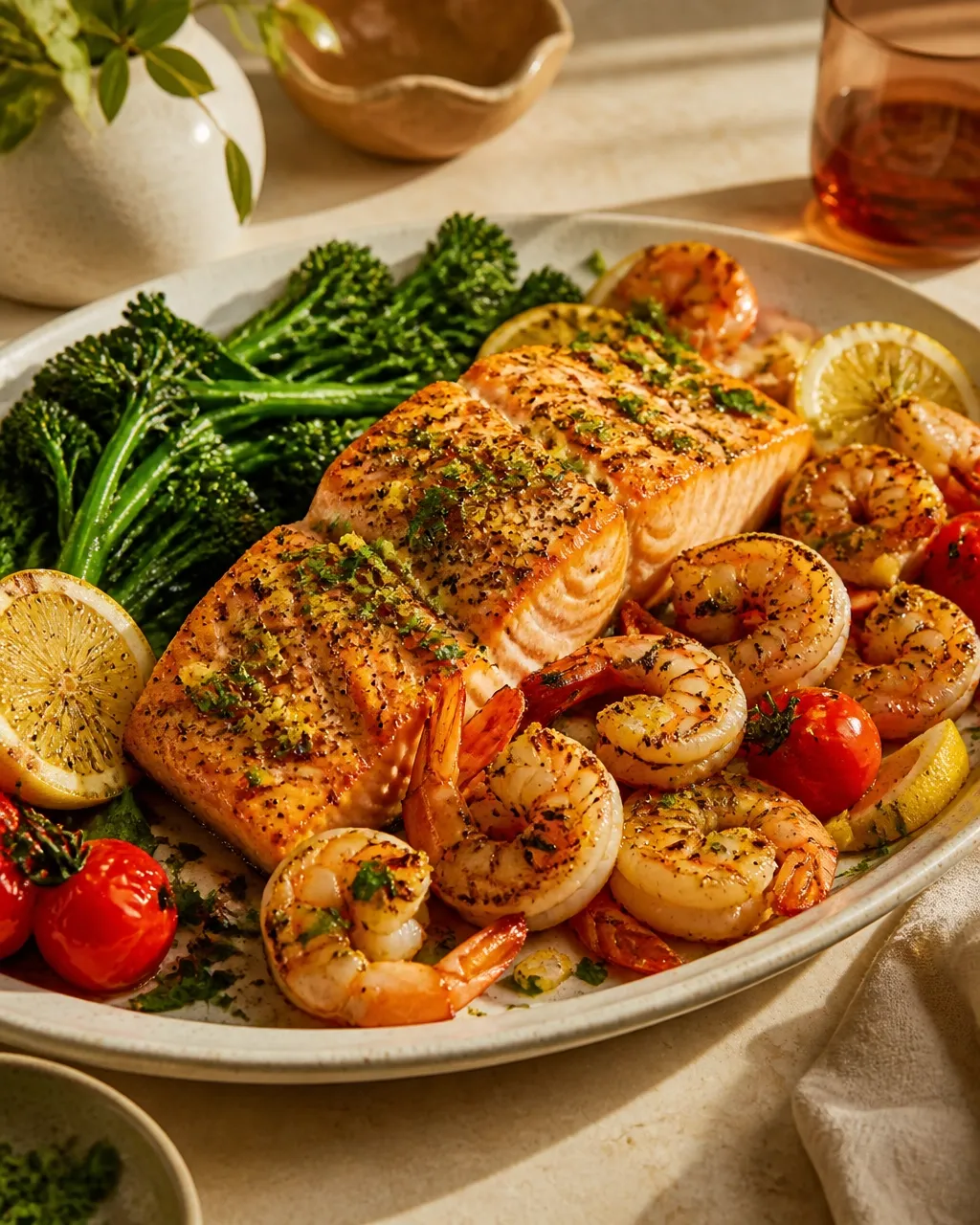
Use only the freshest citrus you can find. Bottled juice lacks the enzymatic punch needed for a clean cure and often leaves a bitter aftertaste. Avoid over-marinating; if shrimp sits in the acid for hours, the proteins will continue to tighten until they become rubbery and tough. Aim for that sweet spot where the exterior is opaque but the center remains tender. This balance of chemistry and timing is what makes this one of the most effective healthy dinner ideas for those who value both nutrition and texture.
Flavor Balance and Variations
Ceviche is all about the dance between salt, acid, and sweetness. The shrimp provides a briny, savory base, while the mango brings a lush, tropical sweetness that rounds out the sharp lime juice. If you find your ceviche is hitting one note too hard, adjust the balance immediately. Too sour? Add a few more mango cubes or a splash of orange juice. Too flat? Toss in a generous pinch of flaky sea salt to make the citrus pop.
If you want to move beyond the mango, consider these variations:
- The Tropical Swap: Replace mango with diced pineapple or papaya. Pineapple contains bromelain, an enzyme that can further tenderize the seafood, so keep your marinating time even shorter.
- The Scallop Twist: Use bay scallops instead of shrimp. They are naturally sweet and cure very quickly due to their delicate structure.
- The Plant-Based Alternative: If you’re catering to vegetarians, use hearts of palm. While they won't undergo the same protein denaturation, they mimic the texture of seafood beautifully and soak up the lime and chili flavors like a sponge.
Regardless of the fruit you choose, ensure it is ripe but firm. Mushy fruit will break down in the acid and turn your ceviche into a cloudy mess. You want clean, distinct cubes that provide a structural contrast to the succulent shrimp.
Side Dish Pairings for a Full Meal
To turn this from a snack into one of those reliable quick family meals, you need a bit of crunch and some healthy fats. The traditional choice is tortilla chips, but I like to put a modern spin on them.
Instead of deep-frying, use your air fryer to create the ultimate crunch. Simply mist corn tortillas with a little avocado oil, sprinkle with lime salt, and air-fry at 375°F until they are golden and shatteringly crisp. This technique is a staple in my repertoire of air fryer recipes dinner enthusiasts love because it cuts the oil without sacrificing the satisfaction. The warmth of the freshly made chips against the icy-cold ceviche is a sensory experience you shouldn't skip.
Pair the bowl with sliced avocado to provide a creamy, fatty counterpoint to the lean, acidic shrimp. The monounsaturated fats in the avocado help your body absorb the fat-soluble vitamins found in the mango and peppers. If you want something even heartier, serve the ceviche over a bed of chilled quinoa or brown rice. The grains will soak up the "leche de tigre": the flavorful marinating liquid: making every bite a concentrated burst of citrus and spice.
Frequently Asked Questions
Is it safe to eat shrimp "cooked" only in lime juice?
Structurally, acid denaturation makes the shrimp look and feel cooked, but it does not kill all parasites or bacteria the way heat does. For this reason, always start with high-quality, sushi-grade, or frozen-at-sea shrimp. If you are serving individuals with compromised immune systems, stick to the blush-poaching method: dip the shrimp in boiling water for 60 seconds, then immediately plunge into an ice bath before marinating.
Can I make this ahead of time for a party?
I don't recommend fully assembling it hours in advance. If the shrimp sits in the acid for too long, it will become unpleasantly chalky. Instead, prep all your vegetables and fruit, and keep them in separate containers. Marinate the shrimp about 15–20 minutes before you plan to serve, then toss everything together at the last second.
What is the best type of shrimp to use?
Medium-sized (41/50 count) shrimp are ideal. They are easy to peel and devein, and once diced into quarter-inch pieces, they cure rapidly and evenly. Avoid pre-cooked supermarket shrimp if you can help it; they have already been toughened by heat and won't absorb the marinade as effectively.
How do I make this more or less spicy?
The heat comes from the ribs and seeds of the chili. If you want a mild version, use a jalapeño and carefully scrape out every seed. For those who love a kick, leave the seeds in or swap for a habanero, which has a fruity profile that complements the mango beautifully.
What should I do with the leftover liquid?
In Peru, the leftover marinade is called "leche de tigre" (tiger's milk) and is considered a delicacy (and a hangover cure!). Don't pour it down the drain. Use it as a dressing for a side salad or drink it as a spicy, citrusy shot. It’s packed with the essence of the shrimp, lime, and chili.
For more healthy dinner ideas, check out our guide on one-pot meals or explore our favorite air fryer recipes dinner hacks to speed up your weeknight routine. Cooking doesn't have to be a chore when you have the right science: and the right citrus( on your side.)
{“@type”:”BlogPosting”,”image”:”https://cdn.marblism.com/_mXKqvToRqv.webp”,”author”:{“name”:”Cookpedia”,”@type”:”Organization”},”@context”:”https://schema.org”,”headline”:”Quick Healthy Meals: 15-Minute Shrimp and Mango Ceviche with Tortilla Chips”,”publisher”:{“logo”:{“url”:”https://cookpedia.com/logo.png”,”@type”:”ImageObject”},”name”:”Cookpedia”,”@type”:”Organization”},”description”:”Learn the science of acid denaturation and how to make a refreshing 15-minute shrimp and mango ceviche. Perfect for quick healthy meals and summer dinners.”,”datePublished”:”2026-07-24″,”mainEntityOfPage”:{“@id”:”https://cookpedia.com/quick-healthy-shrimp-mango-ceviche”,”@type”:”WebPage”}}