Recipe
Servings
Servings 1×
Ingredients
- Shrimp
- Noodles
- Zucchini
- Garlic
- Lemon
- Butter
- Cooking oil
- Salt
Method
- Pat your shrimp dry with a paper towel, this is a non-negotiable step.
- Give them exactly two minutes per side.
- Toss them in the pan for no more than 60 to 90 seconds.
- Add it only after the shrimp are nearly done.
Look, I get it. Your kitchen is a crime scene after 6 PM, and the siren song of takeout is loud. But before you reach for that app, let’s talk about a 15-minute miracle. This Shrimp and Zucchini Noodles dish is one of those healthy dinner ideas that actually tastes like a restaurant splurge without the "carb coma" or the hour-long cleanup. It’s snappy, buttery, and legitimately fast, perfect for when you need to feed yourself (and maybe some hungry fans) right now.
The Science of the Perfect Sear and Snap
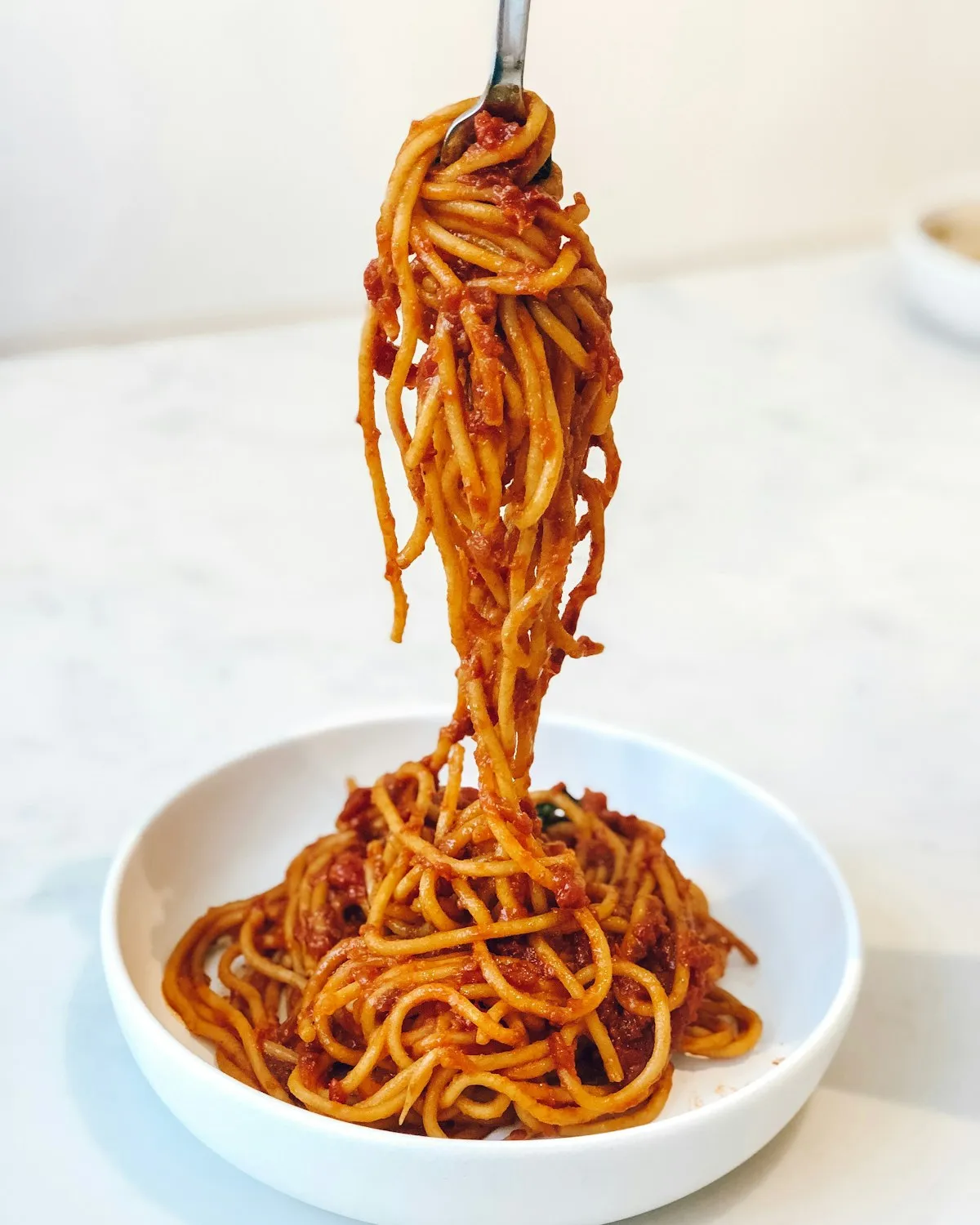
Cooking is just a delicious chemistry experiment, and when you’re working with delicate ingredients like shrimp and zucchini, the margins for error are thin. If you’ve ever ended up with rubbery shrimp or a puddle of zucchini soup, listen up.
The Shrimp Situation: Protein Denaturation
Shrimp are almost entirely lean protein. When you apply heat, those proteins denature and coil up. If you cook them too long, they squeeze out all their moisture, leaving you with something resembling a pencil eraser. To avoid this, use a screaming hot pan and a flat layer.
Pat your shrimp dry with a paper towel, this is a non-negotiable step. Moisture is the enemy of the Maillard reaction (that golden-brown crust we crave). If the shrimp are wet, they’ll steam in the pan instead of searing. Give them exactly two minutes per side. When they form a "C" shape, they are perfect. If they tighten into an "O," you’ve gone too far. Stop immediately.
The Zucchini Dilemma: Osmosis and Structure
Zucchini is roughly 95% water. The moment you add salt or heat, the cell walls begin to break down, and osmosis pulls that water out. This is why "zoodles" often turn into a watery mess.
Avoid overcooking them at all costs. You aren't "cooking" the noodles as much as you are warming them and coating them in fat. Toss them in the pan for no more than 60 to 90 seconds. Better yet, salt them at the very last second. If you salt them early, you’re basically inviting a flood into your skillet. We want al dente texture, meaning they should still have a slight "snap" when you bite into them.
Garlic and Butter: The Flavor Emulsion
Garlic contains sulfur compounds that turn bitter and acrid the moment they burn. Since we’re using high heat for the shrimp, do not add the garlic at the start. Add it only after the shrimp are nearly done. This allows the garlic to infuse the butter and oil without turning into bitter black specks.
When you finish the dish with a cold knob of butter at the end, you’re creating a loose emulsion. The fat clings to the zucchini noodles, carrying the garlic and lemon flavor into every nook and cranny. It transforms a simple vegetable into a decadent one-pot meal base.
Variations for Every Palate
While garlic butter is a classic, you can easily pivot this dish to suit your mood or dietary needs. It is one of the most versatile quick family meals in my rotation.
- The Spicy Kick: Add a teaspoon of red chili flakes or a dollop of Calabrian chili paste when you add the garlic. The heat cuts through the richness of the butter beautifully.
- The Keto Powerhouse: Double the butter and add a splash of heavy cream at the end for a richer, more filling sauce. Since zucchini is naturally low-carb, this is a dream for keto enthusiasts.
- Protein Swaps: Not a fan of shrimp? Thinly sliced chicken breast or even scallops work perfectly here. If using chicken, ensure you sear it fully before adding the zoodles, as it takes slightly longer to reach a safe internal temperature.
- The Mediterranean Twist: Toss in some halved cherry tomatoes and Kalamata olives during the last minute of cooking. Top with a sprinkle of feta cheese for a salty, tangy finish.
Side Dish Pairings for a Balanced Plate
Because this dish is light and lean, you might want to round it out with something that offers a different texture or flavor profile. Balance is key in any of our healthy dinner ideas.
- Something Crunchy: Since the zoodles are soft, a crisp green salad with a sharp vinaigrette is a perfect companion. Use a mix of arugula and radicchio to provide a peppery, bitter contrast to the sweet shrimp.
- Something to Soak up the Sauce: If you aren't strictly low-carb, a piece of crusty sourdough or a garlic baguette is essential for mopping up that leftover garlic butter at the bottom of the bowl.
- Acidity and Brightness: A side of roasted asparagus with an extra squeeze of lemon can enhance the citrus notes in the main dish. The earthy flavor of the asparagus pairs remarkably well with the sweetness of the seafood.
Frequently Asked Questions
Can I use frozen shrimp for this?
Yes, but you must thaw them completely and pat them bone-dry. Frozen shrimp often hold a lot of extra water. If you throw them into the pan while still icy, they will release all that water, and you’ll end up boiling your shrimp instead of searing them.
Why are my zucchini noodles so soggy?
You likely cooked them for too long or salted them too early. Remember: zucchini doesn't need to be "soft" to be ready. Think of it more like a warm salad. If you see a lot of water in the pan, remove the zoodles immediately and turn up the heat to reduce the sauce quickly before tossing them back in.
Can I make this in an air fryer?
While this specific recipe relies on the pan-searing method for the sauce, you can certainly look at air fryer recipes dinner options for the shrimp. You could air fry the seasoned shrimp at 400°F for about 5-6 minutes and then toss them with the spiralized zucchini in a bowl with warm garlic butter. It won't have the same pan-sauce depth, but it’s a great shortcut for quick family meals.
How do I store leftovers?
Honestly? Don't. Zucchini noodles do not reheat well because they continue to release water as they sit. If you must have leftovers, store the shrimp and the sauce separately from the raw zoodles, and only combine them when you are ready to eat.
Can I use a different vegetable noodle?
Absolutely. Yellow squash (summer squash) works exactly like zucchini. Sweet potato or butternut squash noodles are also great options, though they require about 3-4 extra minutes of pan-time to soften up compared to the lightning-fast zucchini.
Is this recipe gluten-free?
Naturally! Since we are replacing traditional pasta with vegetable noodles, this is a fantastic gluten-free dinner. Just ensure your butter and seasonings haven't been cross-contaminated if you are cooking for someone with Celiac disease.
{“@type”:”BlogPosting”,”image”:[“https://cdn.marblism.com/bKUq8hPNpqr.webp”,”https://cdn.marblism.com/s9OmKhBtj19.webp”,”https://cdn.marblism.com/gk_iTmK-HtA.webp”,”https://cdn.marblism.com/epdurFlimab.webp”,”https://cdn.marblism.com/H3jIyWSLNIU.webp”],”author”:{“name”:”Penny”,”@type”:”Person”},”@context”:”https://schema.org”,”headline”:”Quick Healthy Meals: 15-Minute Shrimp and Zucchini Noodles with Garlic Butter”,”publisher”:{“logo”:{“url”:”https://cookpedia.com/logo.png”,”@type”:”ImageObject”},”name”:”Cookpedia”,”@type”:”Organization”},”description”:”Learn the science behind making the perfect 15-minute shrimp and zucchini noodles. Master the art of the perfect sear and avoid soggy zoodles with our professional tips.”,”datePublished”:”2026-07-31T03:00:00Z”}