Recipe
Servings
ahead option. 1×
Serves ahead option.
Ingredients
- Chickpeas
- Quinoa
- Cucumber
- Avocado
- Tomatoes
- Garlic
- Lemon
- Lime
- Mustard
- Cooking oil
- Curry spices
- Chili seasoning
- Salt
- Black pepper
Method
- Use a fine-mesh strainer and rinse until the water looks clearer.
- Let the quinoa rest covered after cooking.
- Warm grains wilt crisp produce and soften the avocado too quickly.
- Use them confidently, but rinse and drain them well.
- Add citrus gradually and taste as you go.
- Whisk thoroughly, and dress the salad just before serving if you want the cleanest texture.
When I need a meal that feels fresh but still keeps me full, I reach for this avocado and chickpea quinoa salad bowl. It is bright, creamy, crunchy, and sturdy enough for dinner, not just a polite little salad that leaves you rummaging through the cupboard an hour later. This is one of my favorite quick healthy meals because it brings together plant-based protein, fiber, whole grains, and satisfying fats without making the kitchen look like a science laboratory.
Tips & Technique: Build Better Texture Through Food Science
Rinse quinoa to remove bitterness
Do not skip the rinse. Quinoa naturally carries a coating of saponins, which can taste bitter or soapy. Most packaged quinoa is pre-rinsed, but a quick wash under cold water still improves the final flavor.
Use a fine-mesh strainer and rinse until the water looks clearer. This small step matters because a salad has nowhere to hide bitterness. In a heavily spiced curry, you might get away with it. In a clean, lemony bowl, every flavor is standing in the spotlight.
Cook quinoa for separate, fluffy grains
Aim for quinoa that is tender but not wet. Excess water leaves you with a soft, clumpy salad, while properly cooked quinoa gives the bowl a light, pleasantly chewy base.
Let the quinoa rest covered after cooking. The trapped steam finishes hydrating the center of each grain, so the texture settles instead of turning mushy. Then fluff it with a fork rather than stirring aggressively. A fork separates the grains; a spoon can compact them into a starchy mound.
Cool the quinoa before combining it with the vegetables. Warm grains wilt crisp produce and soften the avocado too quickly. If you are short on time, spread the cooked quinoa on a wide plate so heat escapes faster. More surface area means faster cooling, your dinner just got a little physics bonus.
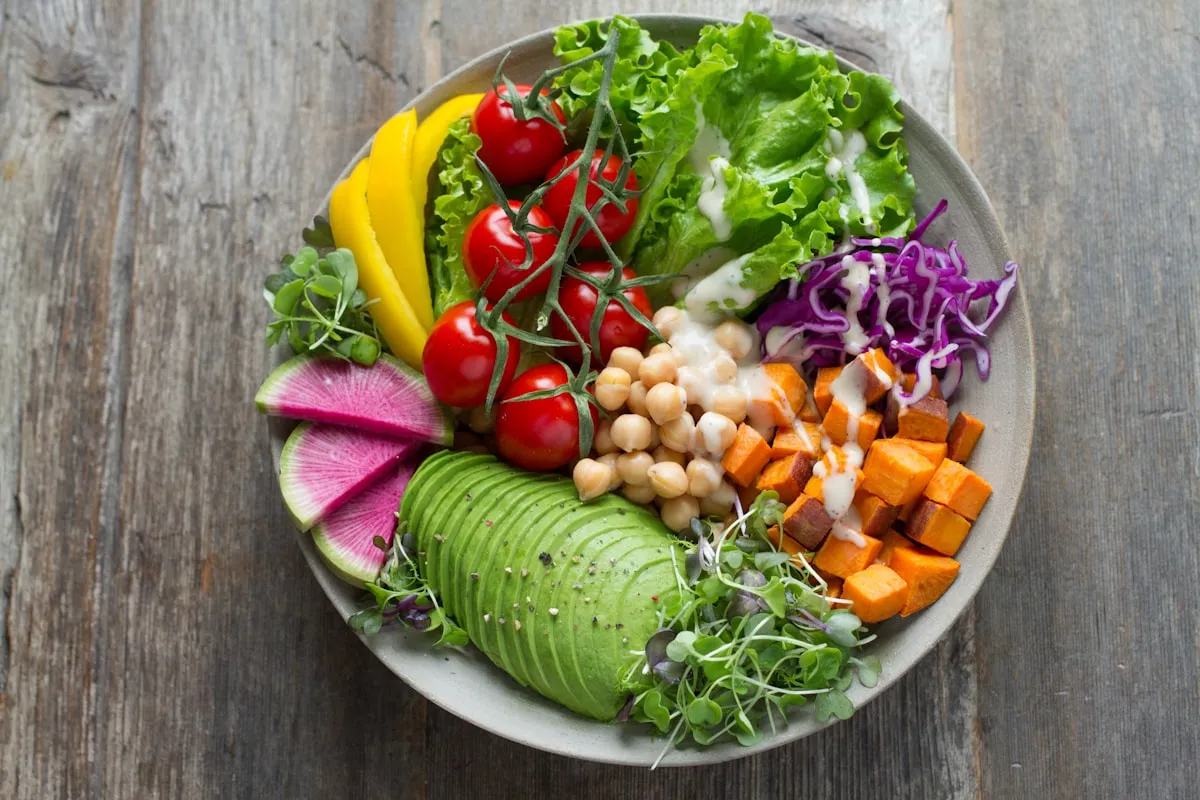
Rinse canned chickpeas for cleaner flavor
Canned chickpeas are one of the great shortcuts in home cooking. Use them confidently, but rinse and drain them well. The canning liquid can be salty, starchy, and slightly metallic, which is not the kind of personality this salad needs.
Rinsing also removes some of the compounds that may cause digestive discomfort for sensitive eaters. It will not make chickpeas magically invisible to your stomach, but it can make the bowl more comfortable and better tasting.
Dry the chickpeas before adding them. Water clinging to their surface dilutes the dressing and prevents the seasonings from sticking. You do not need to polish each chickpea individually, just give them a good drain and a quick shake in the strainer.
Use acid to balance creamy richness
Avocado and olive oil bring generous, smooth textures. That richness is delicious, but it needs contrast. Lemon or lime juice supplies acidity, which makes the whole bowl taste lighter and more vivid.
Think of acid as a volume control for flavor. It does not simply make food sour. It sharpens the other ingredients and cuts through fat, so the avocado tastes buttery rather than heavy. Add citrus gradually and taste as you go. You want brightness, not a salad that makes your mouth file a complaint.
A little Dijon mustard can help the dressing cling to the quinoa. Mustard contains fine particles that help keep oil and citrus suspended instead of separating immediately. Whisk thoroughly, and dress the salad just before serving if you want the cleanest texture.
Protect the avocado from browning
Avocado browns when enzymes react with oxygen after the flesh is cut. Citrus slows that reaction by lowering the surface pH, but it does not stop time itself. Add avocado near the end and coat it gently with the dressing.
Cut the avocado into substantial cubes rather than tiny pieces. Larger pieces hold their shape better and give you those creamy bites without turning the entire bowl into green paste. Fold carefully. This is a salad, not mashed avocado with supporting evidence.
For meal prep, keep avocado separate and add it just before eating. The quinoa, chickpeas, and firm vegetables can hold for several days, while avocado is at its best fresh. Cookpedia’s Quick Mediterranean Quinoa Bowl follows a similar cold-stable grain-salad approach and is useful when you want another make-ahead option.
Balance the bowl, not just the dressing
A satisfying bowl needs more than healthy ingredients. It needs contrast. Pair soft avocado with crisp cucumber, chewy quinoa with juicy tomatoes, and creamy chickpeas with something sharp and fresh.
Season in layers. Give the quinoa a little seasoning while it is still warm, then adjust the assembled salad. Warm grains absorb flavor more readily, while cold ingredients mute salt and acidity. This is why a dressing that tastes “perfect” from the spoon can seem flat once it meets a cold bowl.
If you are watching sodium, rely on citrus, herbs, black pepper, garlic, or a pinch of chili instead of simply adding more salt. Flavor intensity and saltiness are not the same thing.
Nutritionally, this combination works because quinoa and chickpeas contribute fiber and plant protein, while avocado and olive oil add mostly unsaturated fat. Exact nutrition depends on portion sizes and toppings, but similar bowls commonly land in the neighborhood of 400–500 calories with roughly 10 or more grams of fiber per serving. Treat those numbers as estimates, not edible law.
Variations: Keep the Formula, Change the Mood
Make the bowl Mediterranean by adding feta, olives, oregano, and a few roasted peppers. Keep the lemon dressing bright because feta and olives bring plenty of salt and richness.
Turn it into a southwest-style bowl with black beans in place of some chickpeas, corn, tomatoes, cilantro, and lime. Add a little smoked paprika or chili for warmth. Keep avocado as the creamy element and avoid piling on several rich toppings at once.
For extra protein, add shelled edamame, baked tofu, or a spoonful of plain Greek yogurt alongside the dressing. If you eat fish, flaked salmon or tuna also works well. Choose one addition rather than turning the bowl into a pantry clearance sale.
Need a grain-free version? Replace quinoa with cauliflower rice, but expect a softer, lighter bowl with less natural chew. Add toasted seeds or extra chickpeas for texture.
For a cooler-weather version, use roasted sweet potato or butternut squash. Add the roasted vegetables while they are warm but not steaming, allowing them to absorb some dressing without wilting everything else.
This flexible approach is why I keep a collection of healthy recipes and quick meals nearby: the method stays familiar while the flavors move around.
Side Dish Pairings: Add Contrast, Not Competition
Serve this bowl with something crisp and acidic. A simple cabbage slaw with lime works beautifully because it adds crunch without repeating the creamy texture of the avocado.
For a warmer dinner, pair it with roasted broccoli, green beans, or spiced carrots. Let the side dish bring caramelized edges and warmth while the salad keeps the plate fresh.
A light vegetable soup is another smart match, especially when the weather turns cool. Choose a broth-based soup rather than a creamy one; the quinoa bowl already provides plenty of richness.
Add warm pita or whole-grain flatbread if you need a more substantial meal. Keep the portion sensible and use it to scoop rather than automatically adding a heavy dip. The goal is balance: creamy against crisp, warm against cool, and bright against earthy.
Browse Cookpedia’s salad collection for more pairings that work as lunches, side dishes, or easy dinners.
FAQ: Practical Answers for Better Bowls
Can I make this salad ahead of time?
Yes. Prepare the quinoa, chickpeas, vegetables, and dressing ahead, then refrigerate them in a sealed container. Keep the avocado separate and add it shortly before serving.
The reason is texture, not culinary fussiness. Avocado softens and browns after cutting, while dressed vegetables gradually release water. Separating the delicate components keeps the salad fresher and prevents a watery base.
Why did my quinoa turn mushy?
Usually, it absorbed too much water or did not have enough time to steam off excess moisture. Measure the cooking liquid carefully and let the quinoa rest covered after cooking. If it still seems wet, spread it on a plate to cool and evaporate.
Avoid stirring it repeatedly while it cooks. Agitation can release more starch and create a stickier texture. You want tender grains that stay distinct.
What can I use instead of quinoa?
Use cooked farro, brown rice, bulgur, or cauliflower rice. Each changes the texture and nutrition slightly. Farro gives you a chewier bite, rice makes the bowl softer and more familiar, and cauliflower rice creates a lighter grain-free option.
Cool any cooked substitute before mixing it with the fresh ingredients. The same temperature rule still applies.
How do I stop the salad from tasting bland?
Season the quinoa while it is warm, rinse the chickpeas thoroughly, and use enough acidity in the dressing. Then taste the finished bowl rather than judging the dressing alone.
Cold foods often taste less seasoned because low temperatures reduce how strongly we perceive aroma and flavor. Add citrus, herbs, pepper, or a small amount of salt after assembling. Do not solve every bland bowl with oil; richness cannot replace brightness.
Can I use bottled lemon juice?
You can, especially for convenience, but fresh lemon usually tastes more aromatic and lively. Bottled juice is more consistent and perfectly acceptable for meal prep. Add a little zest if you want more fresh citrus character without dramatically increasing acidity.
Is this suitable for a family dinner?
Absolutely. Set out the quinoa-chickpea base and let everyone choose toppings. Keep stronger flavors such as olives, chili, or onion on the side for younger eaters.
For genuinely quick family meals, serve the bowl with warm pita or fruit so it feels complete without requiring another complicated dish. Use the same build-your-own idea for other 15-minute meals.
Can I serve it warm?
Yes, but keep the avocado and crisp vegetables cool or add them at the last moment. Warm quinoa and chickpeas make the bowl cozy, while fresh toppings preserve contrast.
Do not heat the fully dressed salad. Citrus can become harsh, vegetables lose their crunch, and avocado turns soft. Warm the sturdy components separately, then assemble.
How long will leftovers keep?
The quinoa, chickpeas, dressing, and firm vegetables should keep well in the refrigerator for several days when stored properly. Add avocado and any delicate greens only when you are ready to eat.
Check the texture and smell before serving. If the vegetables have released a lot of liquid, drain gently and refresh the bowl with a squeeze of citrus. That small rescue can turn leftovers back into one of the most reliable healthy dinner ideas in your weekly rotation.