Recipe
Servings
ahead window. The salad is at its best within a few hours, when the chickpeas have absorbed flavor but the avocado is still bright. Store it covered in the refrigerator and stir gently before serving. 1×
Serves ahead window. The salad is at its best within a few hours, when the chickpeas have absorbed flavor but the avocado is still bright. Store it covered in the refrigerator and stir gently before serving.
Ingredients
- Chickpeas
- Tortillas
- Avocado
- Garlic
- Lemon
- Mustard
- Cooking oil
- Chili seasoning
- Salt
- Black pepper
Method
- Use a fork or potato masher to break down the avocado and chickpeas, but stop before the mixture becomes a beige paste.
- Keep some chickpeas partly intact and leave a few avocado pieces visible.
- Drain and rinse canned chickpeas thoroughly, then let them dry for a moment before smashing.
- Add some lemon to the avocado soon after cutting or mashing it.
- Use mustard or another naturally thick ingredient if you want the dressing to stay blended a little longer.
- Add black pepper or a little chili if you want gentle heat.
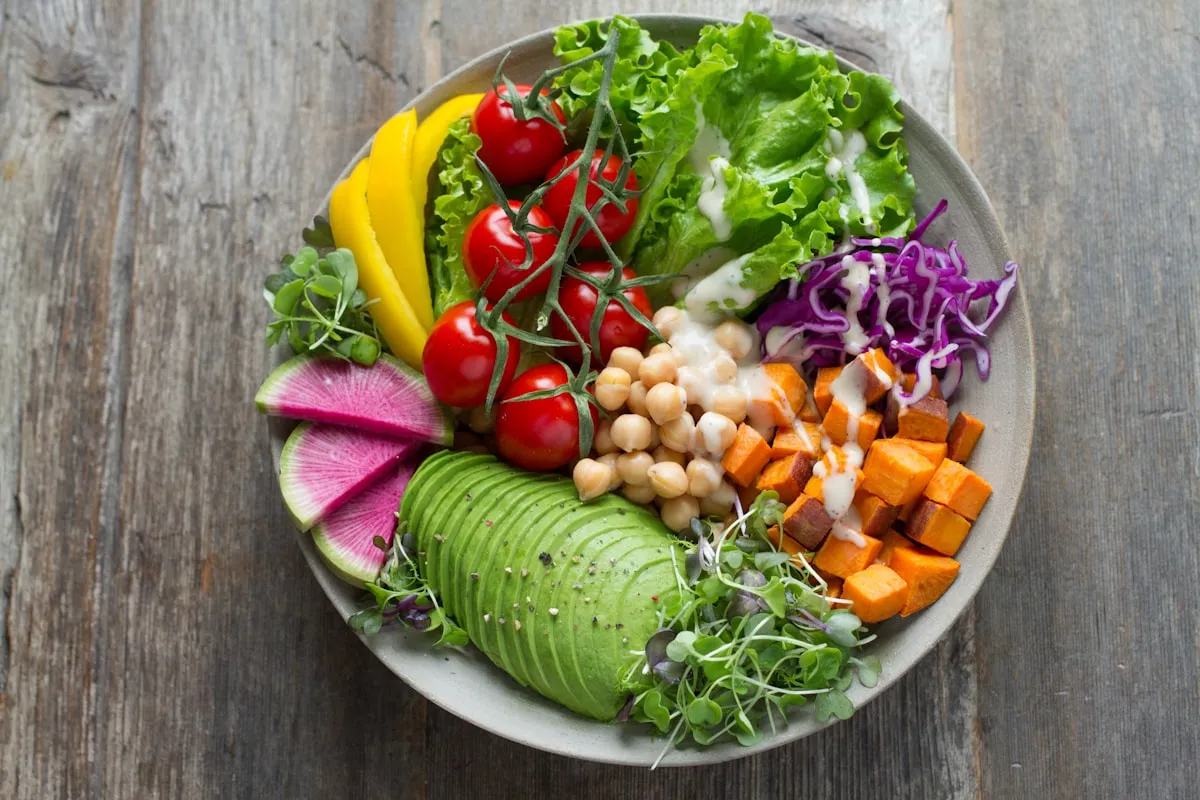
Some salads are mostly leaves waiting for something interesting to happen. This one has a little more personality. Avocado and chickpeas create a creamy, chunky base, while lemon vinaigrette keeps everything bright instead of heavy. It is filling enough for lunch, quick enough for a busy evening, and flexible enough to fit into your rotation of quick family meals and healthy dinner ideas.
Tips & Technique: Build Texture, Balance, and Bright Flavor
Smash with intention, not enthusiasm
Use a fork or potato masher to break down the avocado and chickpeas, but stop before the mixture becomes a beige paste. Keep some chickpeas partly intact and leave a few avocado pieces visible.
That contrast matters. Creamy food can quickly feel one-note, while a little texture gives your mouth something to notice. Intact chickpeas provide gentle resistance, and the soft avocado helps the vinaigrette cling to the mixture. Think rustic, not baby food. Your fork should do the work, but it should not erase all evidence that lunch was once made from recognizable ingredients.
Dry chickpeas for better flavor
Drain and rinse canned chickpeas thoroughly, then let them dry for a moment before smashing. Excess water dilutes seasoning and makes the salad loose. It can also prevent the lemon vinaigrette from coating the chickpeas properly.
This is one of those small kitchen jobs that feels fussy for approximately twelve seconds and pays you back immediately. A drier surface lets salt, lemon, herbs, and pepper stay where they belong: on the food, not in a puddle at the bottom of the bowl.
For more practical ideas built around pantry staples, browse Cookpedia’s quick meals collection.
Add acid early to protect the avocado
Avocado begins to brown when its cut flesh meets oxygen. The enzyme polyphenol oxidase helps trigger that change, creating darker pigments on the surface. Lemon juice slows the process because its acidity makes the environment less friendly to the enzyme. Its vitamin C also helps interrupt oxidation.
Add some lemon to the avocado soon after cutting or mashing it. Then fold the vinaigrette through the salad so the acidic dressing reaches more of the exposed surface. Pressing parchment or reusable wrap directly against leftovers can reduce air contact even further.
The lemon is not merely there to make the salad taste “fresh.” It is working as both a flavor balancer and a practical food-science tool. Very efficient. Almost suspiciously so.
Whisk the vinaigrette before it meets the salad
Oil and lemon juice naturally separate because water-based and fat-based liquids do not want to become best friends. Whisking creates tiny droplets of oil dispersed through the lemon juice, forming a temporary emulsion.
Use mustard or another naturally thick ingredient if you want the dressing to stay blended a little longer. Salt also helps the flavor spread evenly, while finely chopped herbs or garlic can add a little body. Do not pour everything into the bowl separately and hope for a miracle. Whisk first, then fold.
Avocado adds its own creamy structure, so the finished salad can hold onto the dressing better than a plain leafy salad. The result should be moist and glossy, not watery. If the mixture looks soupy, stop adding dressing. A salad cannot be rescued by optimism.
Season in layers
Chickpeas are mild and need enough seasoning to taste like more than soft, round packing material. Salt helps draw out flavor, lemon provides acidity, and herbs contribute freshness. Add black pepper or a little chili if you want gentle heat.
Taste after the avocado and chickpeas are combined, not before. Fat dulls some flavor perception, so a vinaigrette that tastes sharp on its own may taste perfectly balanced once mixed into the creamy base. This is why seasoning a dressing separately is useful but not the final word.
Check the salad again after it rests for a few minutes. Chickpeas absorb flavor as they sit, and the lemon may become less noticeable. Adjust with a small amount of acid or salt rather than adding a large splash of oil.
Keep the temperature and timing on your side
Serve the salad cool or just slightly chilled, but avoid mixing it while the chickpeas are hot. Heat softens avocado quickly and can make the texture slack. If you are using freshly cooked chickpeas, cool them first.
Let the finished salad rest briefly before serving. That short pause gives the vinaigrette time to move into the chickpea crevices and helps the flavors settle. Do not leave avocado salad sitting uncovered for hours, though. Lemon slows browning; it does not negotiate with time.
For more vegetable-forward inspiration, explore Cookpedia’s salad recipes and healthy recipe ideas.
Variations: Change the Mood Without Losing the Balance
Make it crunchier
Fold in chopped cucumber, celery, radish, or toasted seeds. Choose crisp additions that bring water and snap to the creamy mixture. Keep them fairly small so the salad still holds together on toast, in lettuce cups, or beside roasted vegetables.
Turn up the Mediterranean flavor
Add parsley, dill, oregano, chopped olives, or a small amount of crumbled feta. The salty elements are powerful, so taste before adding extra salt. A few chopped tomatoes can work too, but remove excess seeds if you want to avoid a watery salad.
Add gentle heat
Use chili flakes, finely chopped jalapeño, or a pinch of smoked paprika. Heat makes the lemon taste brighter and keeps the avocado from feeling too rich. Start modestly; you can always add more, but you cannot politely remove a whole jalapeño.
Make it a sandwich or wrap
Spoon the smash onto toasted whole-grain bread, tuck it into a wrap, or pile it into lettuce leaves. Toasting creates a dry, crisp surface that contrasts with the soft filling. For a gluten-free option, use sturdy lettuce cups or serve it with roasted sweet potato.
When you are searching for “air fryer recipes dinner,” use this salad as the cool, creamy component beside crisp air-fried vegetables or tofu. It does not need to become complicated to feel like a complete meal.
Side Dish Pairings: Add Contrast, Not Competition
Pair this salad with something crisp, juicy, or gently roasted. A tomato and cucumber salad brings extra acidity and crunch, while roasted sweet potato adds caramelized sweetness. The sweet potato works particularly well because lemon cuts through its earthy richness.
Serve it beside grilled vegetables, air-fried tofu, or a simple vegetable soup for a more substantial meal. A light broth-based soup is especially useful on cooler days because it adds warmth without competing with the avocado’s creamy texture.
For a sharper plate, add pickled onions or a few peppery greens. For a softer, family-friendly pairing, choose warm pita, whole-grain toast, or plain roasted potatoes. Keep heavily dressed sides to a minimum. Two creamy dishes on one plate can turn lunch into a nap with a fork.
See Cookpedia’s vegetarian dinner recipes for more plant-forward combinations.
FAQ: What If the Salad Does Not Turn Out Perfectly?
What if my avocado is too firm?
A firm avocado will not mash smoothly and may taste grassy. Let it ripen at room temperature until it gives slightly when pressed near the stem end. Do not rely on color alone because avocado varieties mature differently.
If you are already committed to dinner, chop the firm avocado finely instead of forcing it into a mash. The chickpeas can still provide creaminess, and small avocado pieces will soften the overall texture. Add lemon promptly once it is cut.
What if the salad becomes watery?
Watery salad usually comes from poorly drained chickpeas, juicy vegetables, or too much vinaigrette. Drain the chickpeas again if necessary, then fold in a little more mashed chickpea or avocado to absorb excess liquid. Avoid adding breadcrumbs immediately; they can create a gummy texture.
For future batches, dry the chickpeas and remove excess seeds from tomatoes or cucumbers. Add the dressing gradually and stop when the mixture looks coated rather than wet.
What if the avocado turns brown?
A little surface browning does not automatically mean the salad is spoiled. Avocado changes color through oxidation, and the flavor may remain fine. Scrape off a thin darkened layer if the rest smells fresh and tastes normal.
Prevent browning by adding lemon early, covering the salad tightly, and limiting the time it spends exposed to air. Press wrap directly onto the surface or store it in a container with minimal headspace. Make only as much as you expect to eat soon for the best color and texture.
What if the flavor tastes flat?
Add acid first. Lemon wakes up mild chickpeas and balances the richness of avocado more effectively than simply adding extra oil or salt. Taste again, then adjust salt. If it still feels dull, add fresh herbs, black pepper, or a little mustard.
Remember that cold foods often need stronger seasoning than hot foods because chilling reduces aroma and dulls some flavor perception. Let the salad sit briefly, then taste it again before serving.
Can I make it ahead?
Yes, but aim for a short make-ahead window. The salad is at its best within a few hours, when the chickpeas have absorbed flavor but the avocado is still bright. Store it covered in the refrigerator and stir gently before serving.
Keep crunchy toppings, toasted bread, and watery vegetables separate until the last moment. That protects the contrast that makes a smash salad satisfying instead of soft in every direction.
Is this a complete meal?
It can be, especially when served with whole-grain toast, a baked potato, or a generous side of vegetables. Chickpeas provide plant protein and fiber, while avocado contributes creamy unsaturated fat. The exact nutrition depends on portions and additions, so treat it as a flexible base rather than a fixed nutrition prescription.
If you need more protein, add baked tofu, edamame, or a side of beans. If you want a lighter serving, spoon the smash into lettuce cups and pair it with a crisp vegetable salad. Build the plate around your appetite, then let the lemon do the heavy lifting.