Recipe
Servings
Servings 1×
Ingredients
- Chicken
- Salmon
- Shrimp
- Steak
- Tofu
- Chickpeas
- Pasta
- Noodles
- Rice
- Broccoli
- Cucumber
- Apple
- Onion
- Garlic
- Fresh ginger
- Lemon
- Lime
- Balsamic vinegar
Method
- Let’s be honest: your weeknights are chaotic.
- Use the right pan for the job.
- Use a large stainless steel or cast-iron skillet to ensure that water evaporates the second it hits the pan, allowing the temperature to rise high enough for a proper sear.
- Let it rest for two minutes while you plate your greens.
- Toss broccoli florets and chickpeas in olive oil and smoked paprika, then air fry at 400°F for 10 minutes.
- Use them without guilt when you need healthy dinner ideas in a pinch.
Let’s be honest: your weeknights are chaotic. Between the endless pings of work notifications and the general exhaustion of existing, the last thing you want to do is spend an hour hovering over a hot stove. You want food that tastes like you spent the afternoon in the kitchen, but you only have twenty minutes to make it happen. I get it. My kitchen is my sanctuary, but even I need quick healthy meals that don't compromise on flavor or soul.
The Science of Speed: Searing, Surfaces, and Sizzle
If you want to master easy dinner recipes that take less time than a TV episode, you have to understand the science of heat. When we talk about speed in the kitchen, we aren't just talking about how fast you can chop an onion; we’re talking about thermal efficiency. The secret to a 20-minute masterpiece lies in maximizing the Maillard reaction, that magical chemical reaction between amino acids and reducing sugars that gives browned food its distinctive flavor.
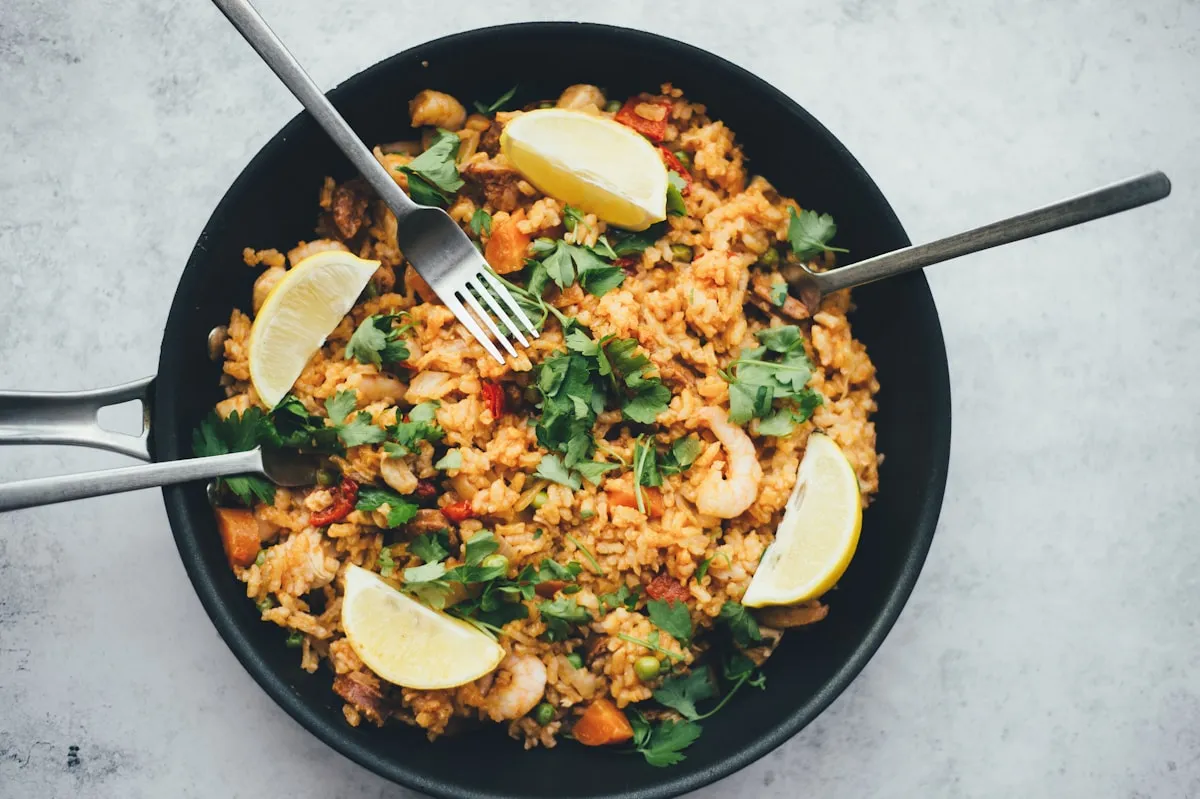
Maximize your surface area. This is the non-negotiable law of the 20-minute kitchen. If you throw a whole chicken breast into a pan, it’s going to take 12 to 15 minutes to cook through, leaving you with zero time for sides or sauces. Instead, slice your proteins into thin strips or small cubes. By increasing the surface area, you allow heat to penetrate the center of the food almost instantly while creating more space for that delicious browning to occur.
Use the right pan for the job. Stop reaching for the deep pot when a wide skillet will do. A wide, flat surface allows moisture to evaporate quickly. If you crowd a small pan with vegetables, they will steam in their own juices, resulting in a grey, mushy mess. Use a large stainless steel or cast-iron skillet to ensure that water evaporates the second it hits the pan, allowing the temperature to rise high enough for a proper sear.
Leverage carryover cooking. One of the biggest mistakes home cooks make is leaving protein in the pan until it is "perfectly done." By the time you get it to the table, it’s overcooked and dry. Because of thermal mass, your food continues to cook for several minutes after it leaves the heat. Pull your salmon or chicken off the flame when it is just a hair underdone. Let it rest for two minutes while you plate your greens. This ensures a juicy result every single time.
Embrace the power of acidity. When you’re cooking fast, you don't have hours to let flavors "marry" or develop through slow simmering. You need a shortcut to brightness. Reach for citrus or vinegar. A splash of lime juice or a drizzle of balsamic at the very end of cooking acts as a flavor "unlocker," cutting through fats and making even the simplest quick family meals taste complex and vibrant.
One Base, Infinite Variations
The key to keeping your kitchen sanity is the "Framework Method." Instead of memorizing a thousand different healthy dinner ideas, learn one or two structural formulas and swap the components based on what is in your fridge.
Consider the "Power Bowl" framework. You need a base, a protein, a crunch, and a sauce. If you have leftover rice, you're halfway there. You can go Mediterranean with grilled chicken, cucumbers, and a dollop of hummus, or shift toward an Asian-inspired profile with seared tofu, edamame, and a spicy ginger-soy dressing. The logic remains the same, but the flavor profile is entirely different.
If you are looking for air fryer recipes dinner solutions, use that machine for more than just frozen fries. Toss broccoli florets and chickpeas in olive oil and smoked paprika, then air fry at 400°F for 10 minutes. The high-velocity hot air creates a texture that is difficult to achieve in a standard oven in such a short window. Pair this with a quick-cooking grain like couscous, which only needs five minutes of steeping in hot water, and you have a nutritionally dense meal that hits every mark. For more inspiration on quick noodles, you might want to check out my take on the viral garlic butter ramen hack for another rapid-fire option.
Balanced Pairings for High-Impact Flavor
When your main dish is cooked in a flash, your side dishes should require almost zero effort. The goal is balance. If your main dish is rich, think a creamy salmon pasta or buttery steak bites, you need a side that provides high acidity or a sharp crunch to reset your palate.
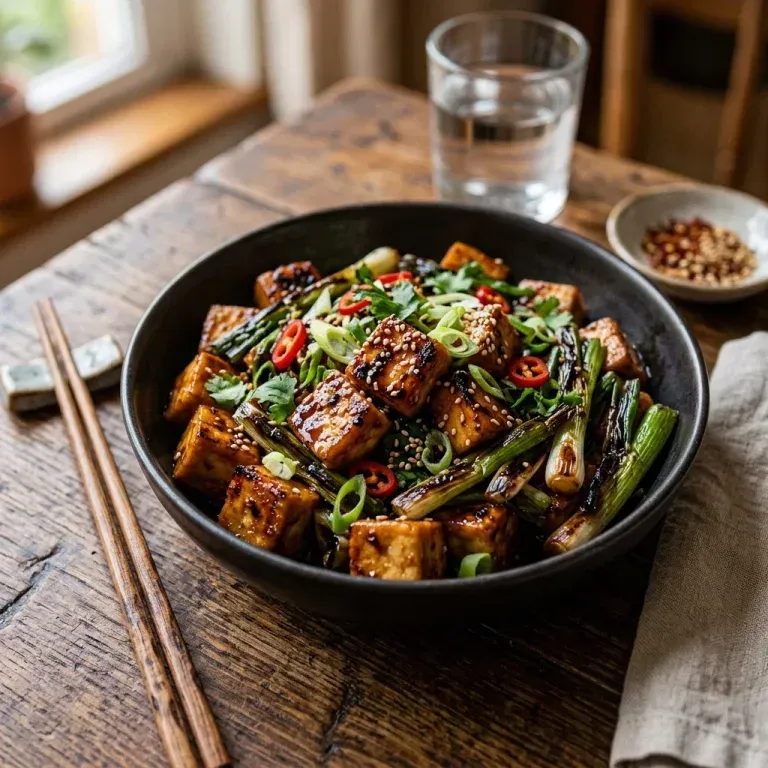
Focus on raw, textured greens. A simple arugula salad tossed with lemon juice and a pinch of flakey salt is often superior to a complex cooked side dish. The peppery bite of the arugula cuts through the heaviness of grilled meats perfectly.
Utilize quick-pickled vegetables. While you’re searing your protein, thinly slice a red onion or a cucumber and submerge it in a mixture of apple cider vinegar, a pinch of sugar, and salt. By the time your dinner is plated, those vegetables will have softened and taken on a bright, tangy flavor that elevates the entire meal. This is especially effective for quick family meals where you want to add a "fancy" touch without any extra cooking time.
Quick Cooking FAQ: Your Science-Backed Guide
Is frozen produce really as healthy as fresh?
Yes, and in some cases, it’s better. Flash-frozen vegetables are picked and processed at peak ripeness, locking in their nutritional profile. From a scientific standpoint, the cell walls of frozen vegetables are already slightly broken down by the freezing process, which actually means they cook faster in your skillet or air fryer. Use them without guilt when you need healthy dinner ideas in a pinch.
Why does my meat always stick to the pan when I’m rushing?
You are likely trying to flip it too early. This is a phenomenon known as "adhesion." When protein hits a hot pan, it bonds to the surface. As the Maillard reaction progresses and a crust forms, the meat will naturally "release" itself from the pan. Be patient. Give it an extra 30 seconds of high-heat contact, and it will lift away cleanly.
Can I get a good sear using an air fryer?
Absolutely. Many air fryer recipes dinner enthusiasts forget that the air fryer is essentially a high-powered convection oven. To get a good sear, preheat the basket for 5 minutes before adding your food. This creates an immediate heat transfer the moment the ingredients touch the grate.
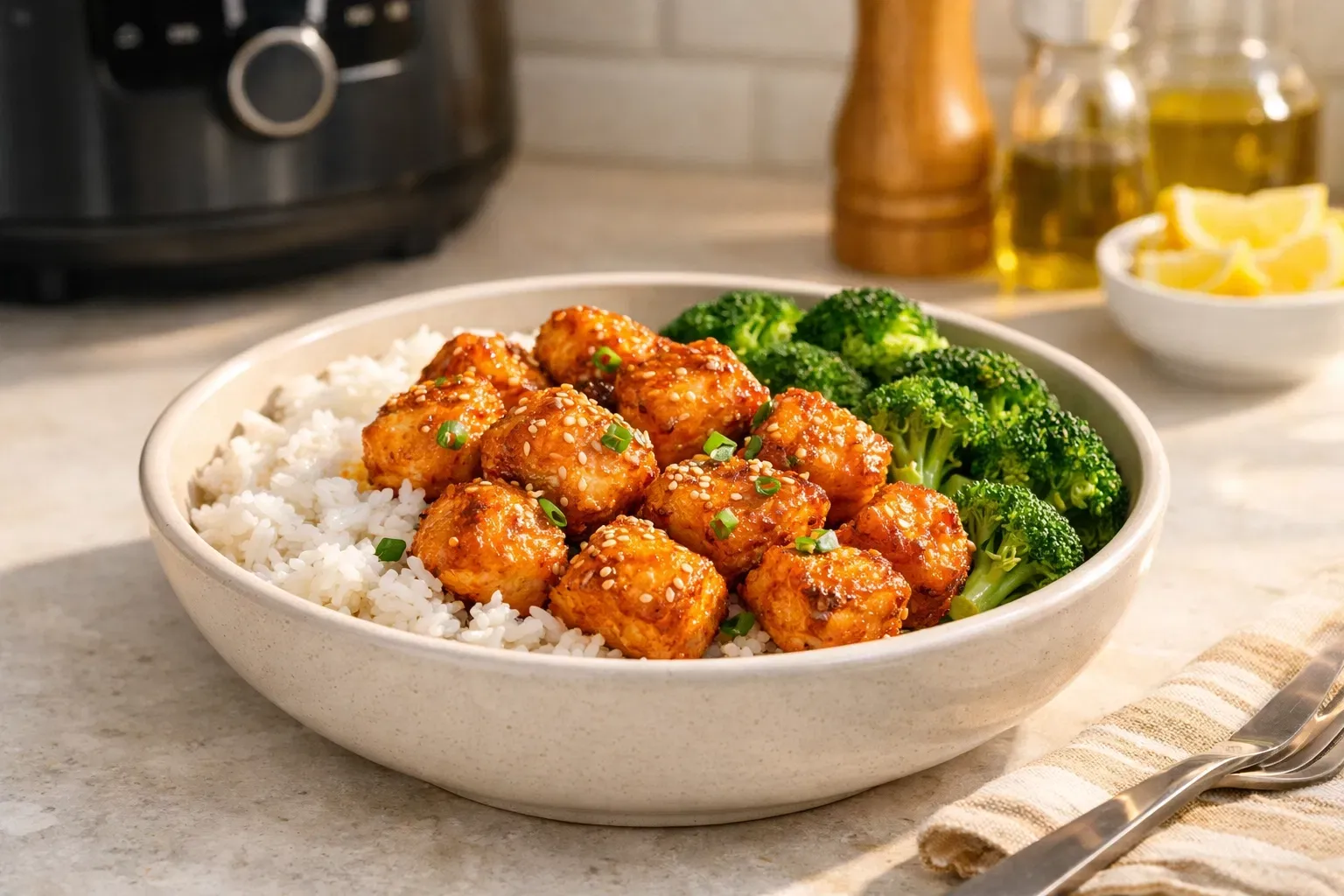
What is the fastest way to defrost protein safely?
The "cold water bath" is your best friend. Submerge your vacuum-sealed protein in a bowl of cold tap water. The water conducts heat much faster than air does, safely bringing the temperature of the meat up without allowing bacteria to bloom. Small shrimp or thin white fish can defrost in as little as 15 minutes this way.
How do I prevent my "quick" meals from being bland?
Salt early and salt often. Salt doesn't just add flavor; it changes the structure of proteins, allowing them to retain more moisture during high-heat cooking. Also, don't be afraid of "umami bombs" like soy sauce, miso paste, or nutritional yeast. These ingredients provide a massive hit of savory depth that usually takes hours of simmering to achieve.
Creating easy dinner recipes isn't about cutting corners; it’s about understanding which corners are okay to turn. Focus on your heat, choose your ingredients wisely, and remember that a great meal is defined by the quality of your flavor, not the length of your stovetop shift. Now, go get that skillet hot!