Recipe
Servings
Servings 1×
Ingredients
- Chicken
- Salmon
- Shrimp
- Tofu
- Quinoa
- Rice
- Greek yogurt
- Tortillas
- Broccoli
- Carrots
- Kale
- Avocado
- Onion
- Garlic
- Fresh ginger
- Lemon
- Feta
- Cooking oil
Method
- Slice that same breast into thin, uniform strips, and you’ve increased the surface area by roughly 400%.
- Use it for everything from crispy tofu bites to charred broccoli.
- Cook in batches if you have to.
- Toss them directly into a hot pan or the air fryer to maintain their crunch.
- Start with your aromatics (garlic, onion), add your protein, then toss in your quick-cook veggies and grains.
- Use your freezer as a nutrition bank.
You probably think healthy cooking requires a pristine kitchen, three hours of silence, and the patience of a saint. I’m here to tell you that’s a lie. In my kitchen, "healthy" doesn’t mean "hard," and "quick" doesn’t mean "processed." Most people spend more time scrolling through delivery apps than it actually takes to sear a piece of fish or toss a nutrient-dense stir-fry. If you have three minutes to understand the mechanics, you have twenty minutes to cook.
The Science of Velocity: Why Speed Actually Saves Your Food
The biggest mistake you’re likely making is equating time with quality. In the world of nutrition, the opposite is often true. When you subject vegetables to long, slow heat, like boiling them into submission, you’re literally pouring your vitamins down the drain. Water-soluble nutrients like Vitamin C and folate are heat-sensitive and leach into cooking water. By shifting to quick healthy meals that utilize high-intensity, short-duration heat, you preserve the structural integrity and antioxidant profile of your ingredients.
The Geometry of Heat Transfer
Think about surface area. A whole chicken breast takes twenty minutes to cook through. Slice that same breast into thin, uniform strips, and you’ve increased the surface area by roughly 400%. This is the secret to ultra-fast meal ideas. By cutting your proteins and fibrous vegetables into small, consistent pieces, you allow heat to penetrate the center almost instantly. This rapid cook time triggers the Maillard reaction, that beautiful browning that creates deep, savory flavor, without drying out the interior.
Leveraging the Air Fryer Advantage
If you haven't mastered air fryer recipes dinner sessions yet, you’re working too hard. An air fryer is essentially a high-powered convection oven that circulates hot air at incredible speeds. This rapid circulation removes moisture from the surface of your food instantly, creating a "fried" texture with minimal added fats. It’s a literal shortcut to the Maillard reaction. Use it for everything from crispy tofu bites to charred broccoli. Because the chamber is small, it reaches temperature in seconds, cutting your "preheat" time to zero.
The 3-2-1 Assembly Formula
Stop looking for a new recipe every night and start using a system. My go-to is the 3-2-1 formula.
- 3 Core Components: One lean protein (think shrimp, tofu, or thin-cut chicken), one high-fiber vegetable (kale, peppers, or broccoli), and one complex carb (quinoa, bulgur, or even a high-fiber wrap).
- 2 Flavor Boosters: One acid (lemon juice, rice vinegar) and one crunch (toasted sesame seeds, crushed walnuts).
- 1 Lazy Tactic: Use one pre-prepped item, like bagged slaw mix or pre-cooked grains.
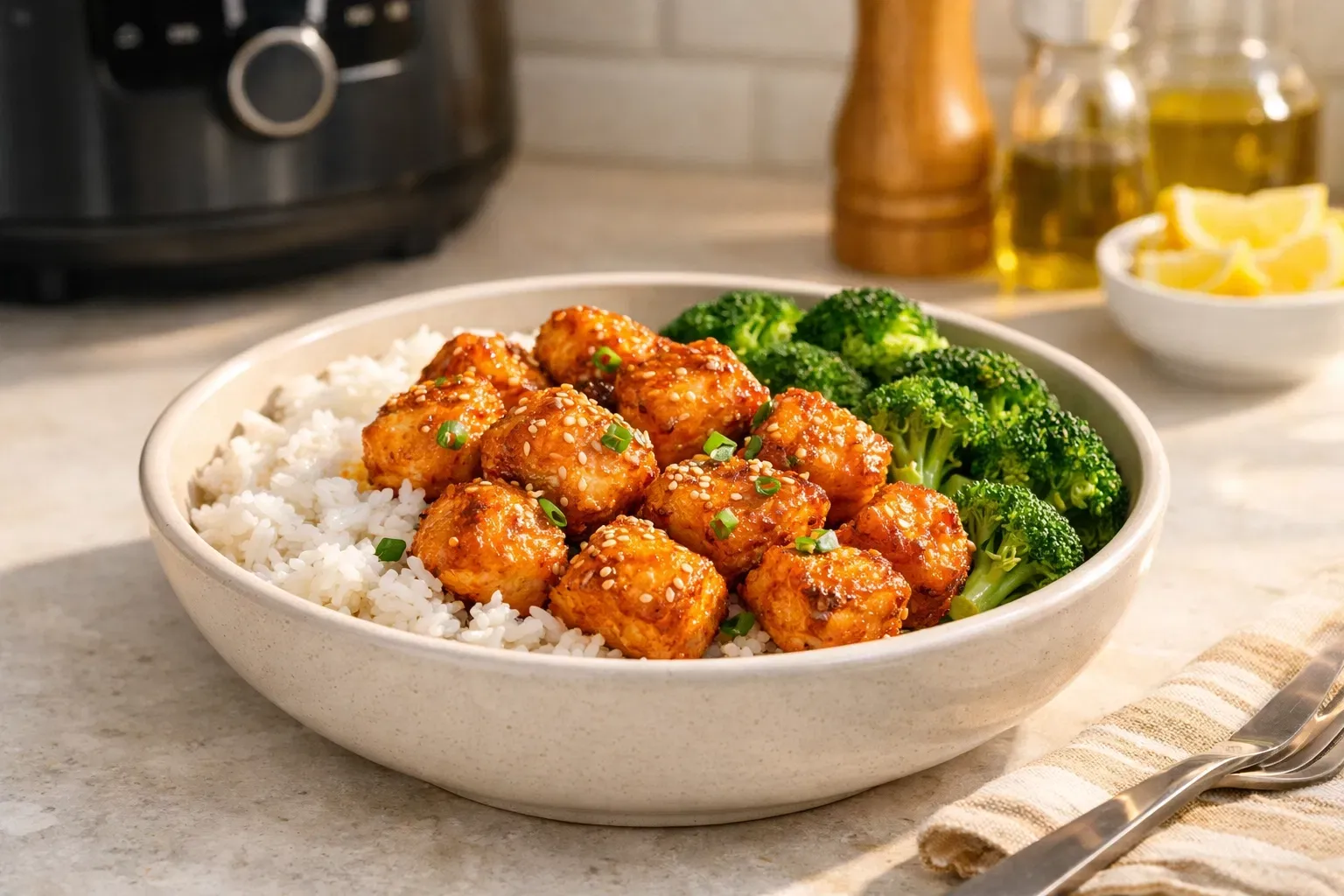
Flavor Profiling: One Base, Infinite Variations
Once you understand the physics of fast cooking, the fun starts with the flavor. You don't need a different grocery list for every meal; you just need a different "costume" for your ingredients. If you’re looking for quick family meals, the key is to keep the base neutral and let everyone choose their own adventure with sauces and toppings.
For a Mediterranean vibe, take your quickly seared protein and greens, then hit them with dried oregano, feta, and a massive squeeze of lemon. The acidity of the lemon doesn't just add flavor; it actually brightens the natural sweetness of the vegetables and helps break down the fibers in the meat, making it feel more tender even if it only touched the pan for four minutes.
Swap those same ingredients into an East Asian profile by using ginger, garlic, and a splash of low-sodium soy sauce. If you’re leaning into healthy dinner ideas that feel indulgent, use a "fat-bridge." A small amount of toasted sesame oil or a dollop of Greek yogurt can carry fat-soluble vitamins (A, D, E, and K) into your system more efficiently while making the meal feel satiating.
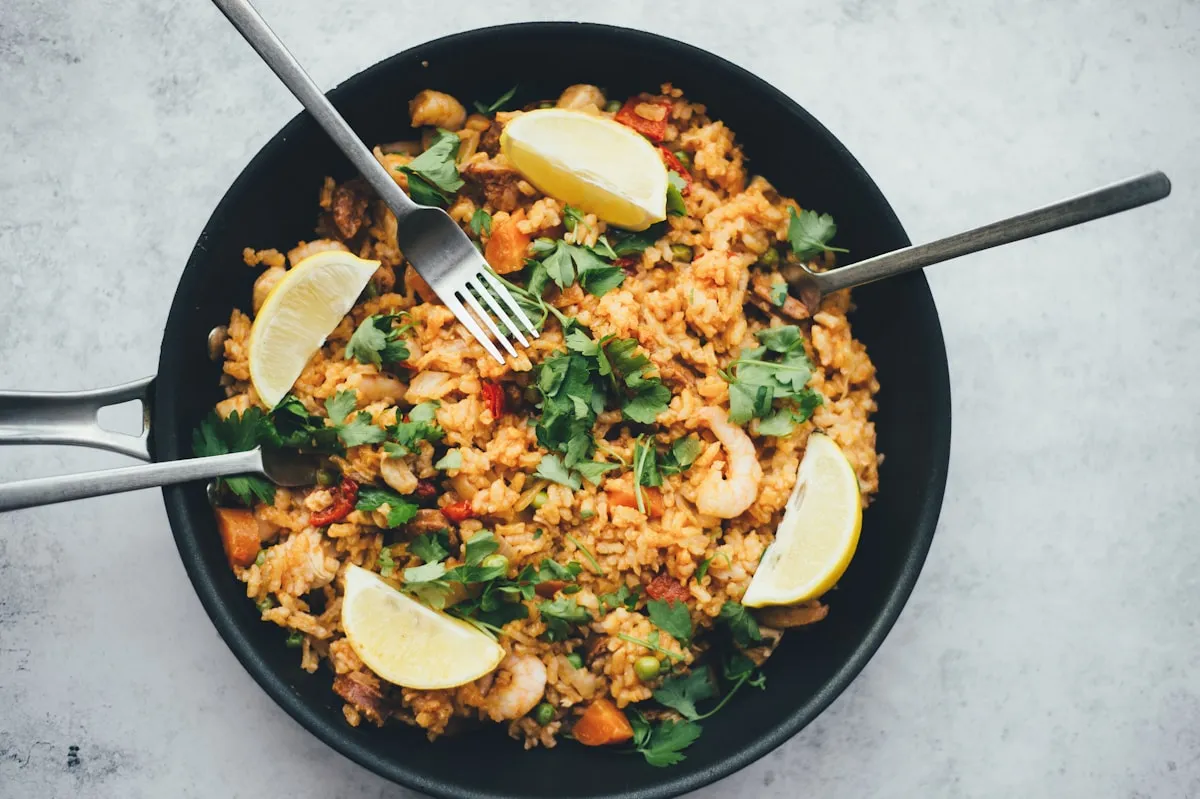
The Art of the Perfect Side Dish Pairing
A quick meal often fails because it feels "thin" or unsatisfying. To fix this, you need to master the art of the side dish pairing. The goal isn't just to add volume; it’s to provide contrast.
If your main dish is rich or fatty, like a salmon fillet or a chicken thigh, pair it with something high-acid and high-crunch. A simple arugula salad with a vinegar-heavy dressing cuts through the fat and resets your palate between bites. Conversely, if you’re doing a very lean stir-fry, pair it with something creamy or earthy, like a dollop of hummus or a side of steamed edamame.
Avoid the "beige plate." If your protein is brown and your grain is brown, your side dish must be vibrant. Color in food usually indicates the presence of phytonutrients, so a colorful plate is a scientifically healthier plate. For more inspiration on balancing your plate, check out our 15-minute meal collection.
Fast Cooking FAQ: Your "What If" Guide
What if my meat always turns out rubbery when I cook it fast?
You are likely over-crowding the pan. When you put too much cold meat into a hot pan at once, the temperature drops, and the meat starts to steam in its own juices rather than searing. This results in that grey, rubbery texture. Cook in batches if you have to. Ensure the meat is dry before it hits the pan, moisture is the enemy of the sear.
Can I use frozen vegetables for "healthy" meals?
Absolutely. In fact, frozen vegetables are often more nutrient-dense than "fresh" ones that have been sitting on a truck for a week. They are flash-frozen at peak ripeness, locking in those nutrients. The trick is to not boil them. Toss them directly into a hot pan or the air fryer to maintain their crunch.
How do I make quick meals without a massive cleanup?
Embrace the "One-Pot" philosophy. Start with your aromatics (garlic, onion), add your protein, then toss in your quick-cook veggies and grains. If you’re using an air fryer, use parchment liners to keep the basket clean. Check out our one-pot recipes for more efficiency hacks.
What if I don't have time to chop anything?
This is where the "Lazy Tactic" comes in. Use your freezer as a nutrition bank. Buy pre-chopped frozen onions, pre-peeled garlic, or even matchstick carrots. There is no shame in using a shortcut if it keeps you away from the drive-thru.
Why does my "healthy" quick meal leave me hungry an hour later?
You’re likely missing the fat or the fiber. Fiber (from veg and whole grains) provides bulk, while healthy fats (avocado, nuts, olive oil) signal to your brain that you are full. If you’re constantly hungry, add a tablespoon of seeds or a half an avocado to your next assembly.
Is it really okay to microwave my vegetables?
Yes! Microwaving is actually one of the best ways to preserve nutrients because the cooking time is so short and you use very little water. It's essentially just very fast steaming.
{“@type”:”BlogPosting”,”image”:[“https://cdn.marblism.com/o7hGxcgKPrW.webp”,”https://cdn.marblism.com/hWpxHrQyRAa.webp”,”https://cdn.marblism.com/dulB9SHmVqG.webp”,”https://cdn.marblism.com/HXgr9RYND-z.webp”],”author”:{“name”:”Cookpedia”,”@type”:”Organization”},”@context”:”https://schema.org”,”headline”:”Quick Healthy Meals Explained in Under 3 Minutes”,”publisher”:{“logo”:{“url”:”https://cookpedia.com/logo.png”,”@type”:”ImageObject”},”name”:”Cookpedia”,”@type”:”Organization”},”description”:”Learn the science and strategy behind quick healthy meals. Discover how heat transfer, the 3-2-1 formula, and air fryers can revolutionize your weeknight dinners.”,”datePublished”:”2026-07-16″,”mainEntityOfPage”:{“@id”:”https://cookpedia.com/quick-healthy-meals-explained”,”@type”:”WebPage”}}