Recipe
Servings
Servings 1×
Ingredients
- Chicken
- Chickpeas
- Quinoa
- Pasta
- Rice
- Bread
- Carrots
- Zucchini
- Mushrooms
- Spinach
- Kale
- Peas
- Corn
- Tomatoes
- Onion
- Lemon
- Feta
- Cooking oil
Method
- Let’s be honest: the absolute worst part of cooking isn't the chopping or the waiting: it's the mountain of dishes staring you down afterward.
- Use a wooden spoon to scrape every last bit.
- Start with your hard aromatics (onions, carrots), move to your proteins to build that fond, add your liquids and grains, and only at the very last second, fold in your greens or fresh herbs.
- Add your liquid, give it one good stir to submerge everything, then leave it alone.
- Add frozen peas or corn in the last two minutes of cooking: just long enough for the residual heat to warm them through.
- Sear your chicken thighs (thighs are much more forgiving than breasts for one-pot cooking) to build your fond, then remove them from the pot.
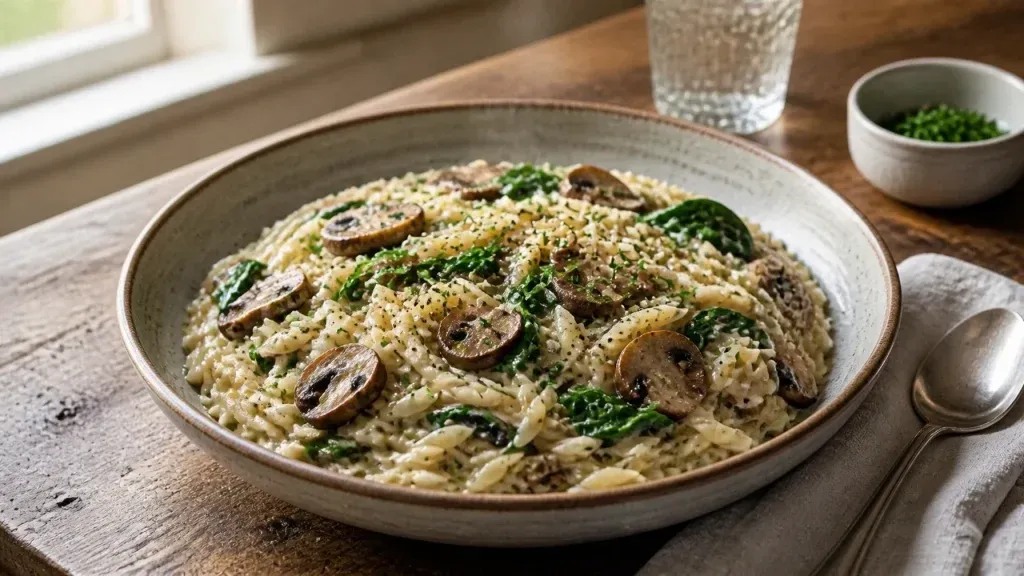
Let’s be honest: the absolute worst part of cooking isn't the chopping or the waiting: it's the mountain of dishes staring you down afterward. You finally sit down to enjoy a plate of healthy dinner ideas, and all you can think about is the crusty sauté pan and the three different bowls currently colonizing your sink. I’ve been there, and frankly, I’m over it. That’s why I’ve become obsessed with mastering the art of one pot meals. It’s not just about convenience; it’s about creating a depth of flavor that you simply can't get when you cook every component in a separate, lonely pan.
The Science of the Sizzle: Layering for Maximum Impact
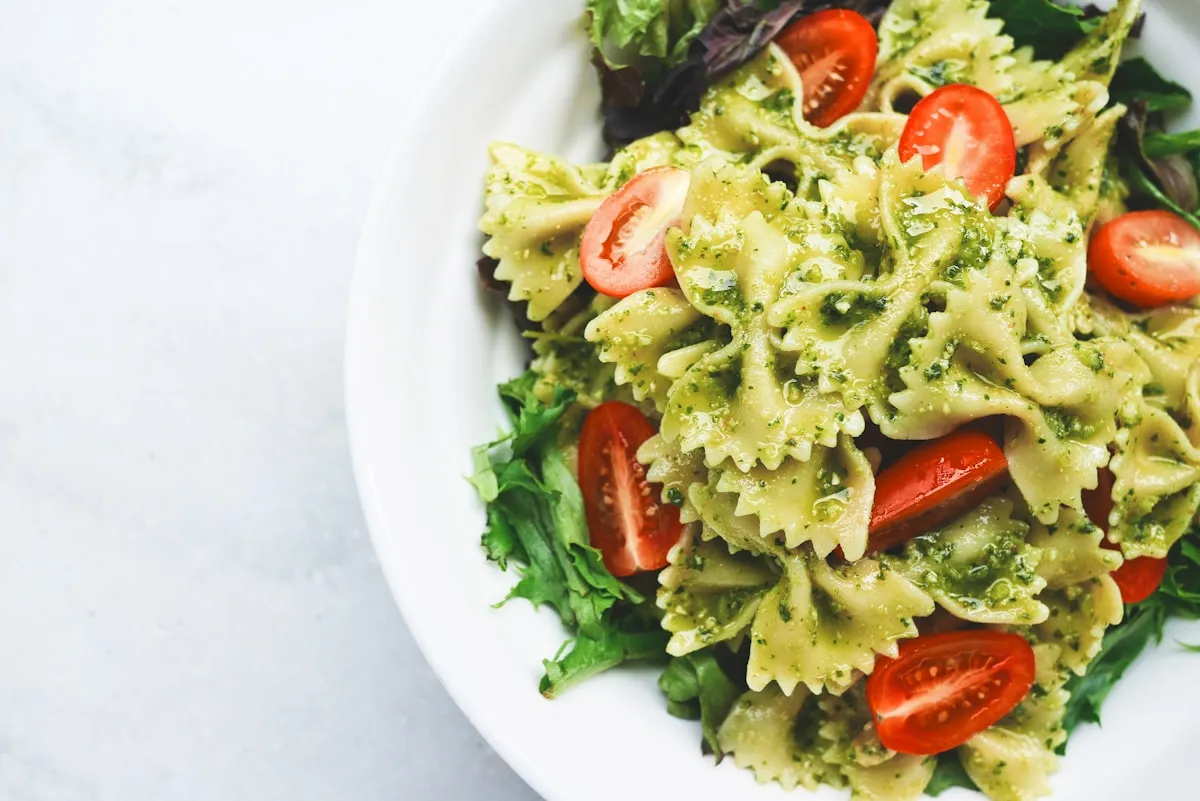
If you think one-pot cooking is just throwing things into a vessel and hoping for the best, we need to talk. To turn basic ingredients into quick healthy meals, you have to understand the "Maillard reaction." This is the scientific magic that happens when proteins and sugars hit high heat. When you sear your meat or aromatics at the start, you aren't just "cooking" them; you are creating a complex network of savory compounds. This creates what we call "fond": those gorgeous, brown, caramelized bits stuck to the bottom of your pot.
Do not wash those bits away. Ever.
The secret to quick family meals that actually taste like a five-star restaurant lies in "deglazing." When you add a splash of liquid: be it wine, broth, or even a squeeze of lemon: to a hot pan, that liquid acts as a solvent. It lifts that fond off the bottom and integrates it back into your sauce. This is how you get a rich, unified flavor profile without needing twelve different spices. Use a wooden spoon to scrape every last bit. It’s non-negotiable if you want a dish that tastes intentional rather than accidental.
Beyond the browning, you must consider the moisture retention of your ingredients. In a single-vessel environment, you are essentially creating a closed-circuit flavor system. This is why liquid ratios are so critical. If you are using grains like quinoa or rice, they act as sponges for the aromatics you’ve already sautéed. Avoid over-saturating the pot; you want your grains to absorb the liquid just as they reach peak tenderness. If you’re looking for a different vibe, some air fryer recipes dinner enthusiasts might suggest finishing your protein separately for a crispier skin, but in the world of one-pot mastery, we lean into the steam. The steam trapped under a lid helps break down tough fibers in vegetables like kale or carrots while keeping your proteins succulent.
Check your timing constantly. One-pot cooking is a game of "entry points." You can’t toss delicate spinach in at the same time as a sturdy sweet potato. Stagger your additions. Start with your hard aromatics (onions, carrots), move to your proteins to build that fond, add your liquids and grains, and only at the very last second, fold in your greens or fresh herbs. This ensures every bite has the perfect texture and hasn't turned into a mushy, indistinguishable heap.
Beyond the Basics: Flavor Profiles and Variations
The beauty of the one-pot method is its versatility. Once you understand the mechanics of building a base and deglazing, you can swap flavors to suit whatever is in your fridge. For a Mediterranean twist, focus on high-acidity ingredients like kalamata olives and sun-dried tomatoes to cut through the richness of olive oil and feta. The acidity acts as a bright spotlight, making the earthy flavors of quinoa or chickpeas pop.
If you’re craving something more robust, look toward umami-heavy additions. Miso paste, soy sauce, or even a small amount of tomato paste can be "bloomed" in the oil right after your aromatics have softened. This "blooming" process toasts the spices and pastes, intensifying their aromatic oils before the liquid hits the pan. It’s a game-changer for plant-based dishes that might otherwise feel a bit "thin" in flavor.
Don't be afraid to experiment with textures. While the pot does a great job at simmering, you can add crunch back in at the end. Toasted pine nuts, pepitas, or even a handful of microgreens can provide that essential structural contrast. Remember, the goal of these quick healthy meals is balance. If your dish feels too heavy, hit it with a "finish" of fresh lemon juice or a splash of red wine vinegar. That final hit of acid balances the fats and makes the whole meal feel lighter and more vibrant.
Perfect Pairings: Keeping it Simple
Since the whole point of this exercise is to minimize cleanup, don't go making three side dishes. The best pairings for a hearty one-pot meal are those that require zero cooking. Think of a simple, crisp arugula salad with a light vinaigrette. The peppery bite of the arugula is the perfect foil for a creamy one-pot pasta or a hearty grain bowl.
If you feel like your meal needs more "hearth," a crusty piece of sourdough is your best friend. It’s the ultimate tool for mopping up that liquid gold: the sauce you worked so hard to create via deglazing. For those following specific dietary paths, like a Keto lifestyle, you might skip the bread and opt for sliced cucumbers or radishes to provide that refreshing crunch without the carb load. The goal is to complement the main event without adding to the stack of pans in the sink.
One-Pot FAQ: Solving Your Kitchen Conundrums
Why does my rice always turn out mushy in a one-pot meal?
This is usually a result of two things: too much liquid or too much stirring. When you stir rice or grains excessively, you break the starch granules, which creates a gummy, mushy texture. Add your liquid, give it one good stir to submerge everything, then leave it alone. Also, remember that vegetables release their own water as they cook. If you're using high-moisture veggies like zucchini or mushrooms, reduce your added broth by about 10%.
Can I use frozen vegetables in these recipes?
You can, but you have to be careful. Frozen vegetables have already had their cell walls weakened by the freezing process, and they release a lot of water quickly. If you toss them in at the start, they’ll turn to sludge. Add frozen peas or corn in the last two minutes of cooking: just long enough for the residual heat to warm them through.
The bottom of my pot is burnt, not "browned." Is it ruined?
There is a fine line between fond and carbon. If the bits at the bottom are black and smell bitter, you’ve gone too far. If this happens, don't deglaze! That bitter, burnt flavor will infuse the whole dish. Instead, carefully transfer the top 90% of the food to a new pot, leaving the burnt layer behind. If it's just dark brown, you're in the gold zone: deglaze away!
How do I keep my chicken from getting dry while the grains cook?
The "sear and return" method is your savior. Sear your chicken thighs (thighs are much more forgiving than breasts for one-pot cooking) to build your fond, then remove them from the pot. Cook your aromatics and start your grains. Nestled the chicken back on top for the last 10–15 minutes of simmering. The steam will finish the chicken gently while the grains soak up the juices.
Is it really possible to make healthy dinner ideas with just one pan?
Absolutely. In fact, it’s often healthier because you aren't losing nutrients to boiling water that gets poured down the drain. Everything: the vitamins from the kale, the minerals from the grains: stays right there in the pot. It’s efficient, it’s soulful, and most importantly, it means you’ll be done with the kitchen in half the time.
Check out our other quick healthy meals for more inspiration on how to dominate the kitchen without losing your sanity!