Recipe
Servings
Servings 1×
Ingredients
- Ground turkey
- Rice
- Cauliflower
- Broccoli
- Carrots
- Avocado
- Onion
- Garlic
- Fresh ginger
- Peanut butter
- Butter
- Cooking oil
- Soy sauce or tamari
- Sesame
- Black pepper
Method
- Stir-frying isn't just "throwing things in a pan"; it’s a high-stakes thermal dance.
- Use a heavy-bottomed skillet or a carbon steel wok.
- Toss your turkey strips in a tiny bit of cornstarch and soy sauce before they hit the heat.
- Add your aromatics like ginger and garlic last so they don't burn, but put your heavy hitters like broccoli and carrots in first.
- Use high heat (we’re talking 425°F+) to flash-evaporate the surface moisture of the vegetables.
- Toss some dried red chilies or a spoonful of Sichuan peppercorns into the oil before you add the meat.
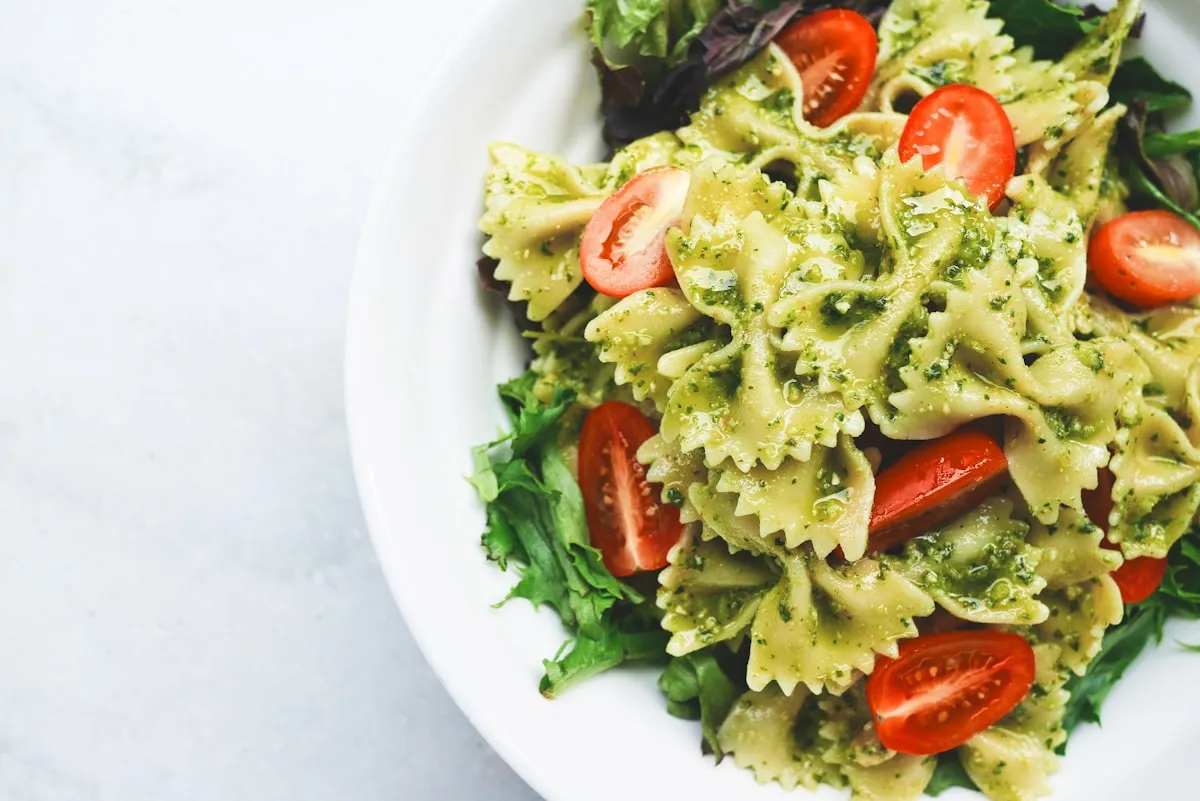
If you’re tired of the same old weeknight rotation, you’ve come to the right corner of my blog. We’ve all been there: staring into the fridge at 6 PM, praying for inspiration that doesn’t involve a frozen pizza. This turkey and veggie stir-fry is my personal secret weapon. It’s lean, it’s vibrant, and it hits that sweet spot of being incredibly fast without tasting like "diet food." Let’s dive into why this dish works so well and how you can master the high-heat hustle in your own kitchen.
The Science of the Sizzle: Tips & Technique
Stir-frying isn't just "throwing things in a pan"; it’s a high-stakes thermal dance. To get that restaurant-quality finish, you need to understand moisture management. When you’re looking for healthy dinner ideas, the goal is usually to keep things light, but light shouldn't mean soggy.
Master the Maillard Reaction
First, let’s talk about the Maillard reaction. This is the chemical reaction between amino acids and reducing sugars that gives browned food its distinctive flavor. Because turkey is notoriously low in fat, it can dry out before it browns if you aren't careful. Use a heavy-bottomed skillet or a carbon steel wok. These materials have high thermal mass, meaning they won't drop in temperature the second your turkey hits the pan. Avoid overcrowding the pan! If you dump too much in at once, the temperature plummets, the meat releases its juices, and you end up "gray-boiling" your turkey instead of searing it.
The Velvetting Secret
Check out this pro move: velvetting. In my kitchen, I use a simplified version. Toss your turkey strips in a tiny bit of cornstarch and soy sauce before they hit the heat. The cornstarch creates a thin, gelatinous barrier that protects the protein fibers from tightening too much and squeezing out their moisture. It’s the difference between chewy turkey "erasers" and silky, tender bites.
Vegetable Physics
Respect the cellular structure of your veggies. Different vegetables have different water contents and fiber densities. Add your aromatics like ginger and garlic last so they don't burn, but put your heavy hitters like broccoli and carrots in first. Use high heat (we’re talking 425°F+) to flash-evaporate the surface moisture of the vegetables. This allows the sugars in the peppers and onions to caramelize while the insides stay crisp-tender. If you see liquid pooling at the bottom of your pan, you’ve lost the battle. Turn up the heat or cook in smaller batches next time.
The Sauce Timing
Wait until the very last 45 seconds to add your sauce. If you add it too early, the liquid will steam your crispy vegetables into oblivion. You want the sauce to hit the hot pan, bubble violently (reducing slightly to coat the food), and then serve immediately. This ensures your quick family meals stay vibrant and don't turn into a monochromatic mush by the time they hit the table.
Vibrant Variations for Every Palate
While I love a classic stir-fry, the beauty of this technique is its adaptability. If you don't have turkey breast, ground turkey is an excellent substitute. It has more surface area, which means even more Maillard reaction goodness (and more flavor). Just make sure to break it up well in the pan so it browns evenly.
For those who crave heat, don't just reach for the hot sauce at the end. Infuse your oil. Toss some dried red chilies or a spoonful of Sichuan peppercorns into the oil before you add the meat. This creates a layered heat that permeates the entire dish. If you're looking for more healthy dinner ideas, swap the traditional soy sauce for liquid aminos or tamari for a gluten-free version.
You can also play with the "crunch" factor. While water chestnuts are traditional, I often reach for toasted cashews or peanuts added at the very end. The fats in the nuts balance the lean protein of the turkey perfectly. If you find yourself enjoying the speed of this dish, you might also love exploring our Air Fryer Sausage Pepper & Onion Medley, which uses similar flavor profiles with a totally different mechanical approach.
Perfect Side Dish Pairings
Balance is everything in culinary science. Since a stir-fry is inherently salty and savory (umami), you need acidity and a neutral base to cleanse the palate.
- Aromatic Basmati or Jasmine Rice: This is the classic choice for a reason. The starches in the rice act like a sponge for that cornstarch-thickened sauce. If you want a lower-carb option, cauliflower rice works, but be sure to sauté it separately so it doesn't add excess moisture to your main dish.
- Quick Pickled Cucumbers: Slice some cucumbers thinly and toss them with rice vinegar and a pinch of sugar. The sharp acidity cuts through the richness of the soy and sesame oil, making each bite of turkey feel fresh.
- Light Broth: Similar to our Viral Garlic Butter Ramen Hack, a light miso soup or a ginger-infused broth can turn this into a full multi-course experience.
These pairings help transform simple ingredients into quick family meals that feel like a curated dining experience.
Stir-Fry FAQ: Troubleshooting Your Pan
Why is my turkey dry even though I followed the steps?
You likely overcooked it. Turkey breast has very little fat to buffer it against heat. As soon as the meat is opaque and has a good sear, remove it from the pan. Only add it back in at the very end to warm through with the sauce. Overcooking by even 60 seconds can turn tender turkey into dry ribbons.
Can I use frozen vegetables?
Use them only as a last resort. Frozen vegetables have had their cell walls damaged by ice crystals, which causes them to release massive amounts of water when thawed. If you must use them, thaw and pat them bone-dry with paper towels before they hit the pan. Otherwise, you’ll end up with a turkey soup instead of a stir-fry.
My sauce didn't thicken. What happened?
The cornstarch in your sauce needs to hit a specific temperature (usually around 203°F) to undergo "starch gelatinization." If your pan wasn't hot enough or you didn't let the sauce bubble for a few seconds, it will stay watery. Check your heat levels!
Is this similar to air fryer recipes dinner?
While the cooking method is different, the philosophy of high-heat, rapid cooking is identical to many air fryer recipes dinner enthusiasts love. Both methods rely on moving hot air (or a hot pan) to create a crisp exterior while keeping the interior moist. If you're a fan of that efficiency, you might also want to try our Kielbasa Pierogi Air Fryer Roast.
What oil should I use?
Avoid butter or extra virgin olive oil for the actual stir-frying. They have low smoke points and will burn, creating bitter flavors. Use avocado oil, grapeseed oil, or peanut oil. These can handle the high heat required for that perfect "Wok Hei" (the breath of the wok) flavor. Save the toasted sesame oil for a finishing drizzle at the end!